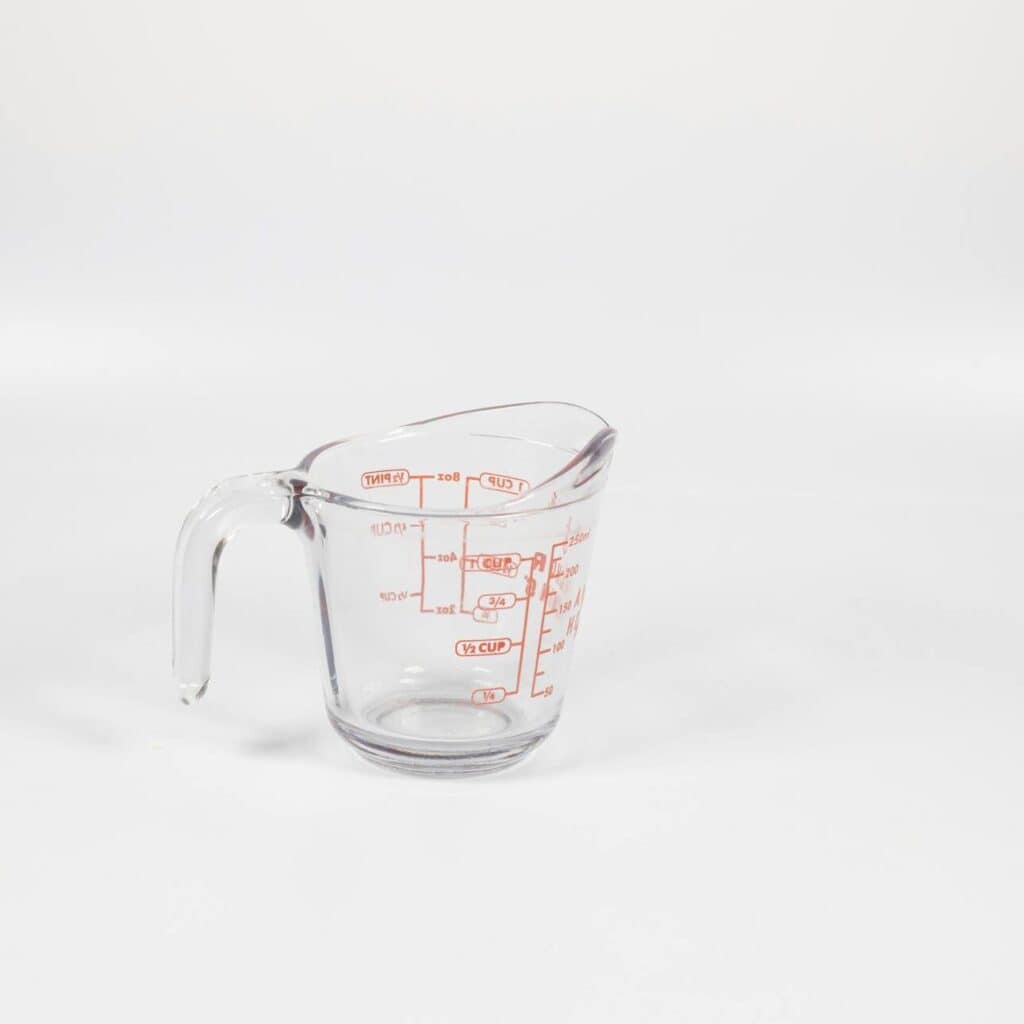
Have you ever found yourself in the middle of cooking or baking, only to realize you don’t have a measuring cup handy? It can be frustrating when a recipe calls for 2/3 of a cup, and you’re left guessing how much that really is.
But don’t worry—you don’t need special tools to get it right. You’ll discover simple, practical ways to measure 2/3 of a cup using items you already have at home. By the end, you’ll feel confident and ready to tackle any recipe, no matter what tools are available.
Keep reading, and say goodbye to measurement guesswork forever!

Credit: rhondasues.com
Common Kitchen Tools For Measuring
Measuring ingredients is important for cooking and baking. Sometimes, you may not have a measuring cup. You can use other kitchen tools to measure 2/3 cup.
Using common items around your kitchen can help you measure ingredients accurately. This guide shows easy ways to measure 2/3 cup without a measuring cup.
Using Spoons As Alternatives
Spoons are useful for measuring small amounts of ingredients. They are easy to find and use in any kitchen.
A tablespoon holds about 1/16 cup. To measure 2/3 cup, you can use tablespoons instead.
- 1 tablespoon = 1/16 cup
- 2/3 cup = 10 tablespoons plus 2 teaspoons
- Fill the spoon level for accuracy
Utilizing Household Containers
Look for containers with known sizes in your kitchen. You can use them to estimate 2/3 cup.
Common items like drinking glasses or small bowls can help. Check their volume if possible.
- A standard coffee mug holds about 1 cup
- Fill the mug about two-thirds full to get 2/3 cup
- Small bowls or jars often have volume markings
Measuring With Hands
Your hands can help measure ingredients when tools are missing. Use your palm or fingers to estimate volume.
For example, a handful of flour or sugar can be close to 1/3 cup. Two handfuls make about 2/3 cup.
- A fist is close to 1/2 cup
- Use two-thirds of a fist for 2/3 cup
- Practice helps improve accuracy with hand measures
Simple Diy Measuring Techniques
Measuring ingredients without a cup can be easy. You only need simple tools and a little practice. This guide shows three easy ways to measure 2/3 cup without a measuring cup.
These methods use common household items and simple tricks. You can use them anytime you cook or bake.
Visual Estimation Methods
Visual estimation helps you guess the amount by looking. You can use items like spoons or small bowls for comparison.
- Use a standard tablespoon: 2/3 cup equals about 10 tablespoons.
- Fill a small bowl or cup you know holds 1 cup, then fill it about two-thirds full.
- Compare the liquid level to a known volume container.
Using Water Displacement
Water displacement is a good way to measure solids like flour or sugar. This method uses water and a container with volume marks.
| Step | Action |
| 1 | Fill a measuring container with 1 cup of water. |
| 2 | Put the solid ingredient in the water slowly. |
| 3 | Watch the water level drop as the solid takes space. |
| 4 | Stop when the water level drops by 2/3 cup. |
Marking Containers For Reference
Marking containers helps you reuse the same measuring tool. It saves time and effort in the kitchen.
How to mark your container:
- Fill the container with water to 1 cup.
- Use a marker or tape to mark the water line.
- Empty the container and refill to 2/3 of the mark.
- Mark this new water line as 2/3 cup.
- Use these marks for quick measuring in the future.
Converting Measurements Without Tools
Sometimes you need to measure 2/3 cup but don’t have a measuring cup. You can still get close by using other ways to measure. Understanding how to convert measurements helps in cooking and baking.
These tips show how to use volume, weight, and everyday objects to estimate 2/3 cup without a tool. It makes cooking easier and saves time.
Understanding Volume Equivalents
Knowing common volume equivalents helps you measure without cups. For example, 2/3 cup equals 10 tablespoons plus 2 teaspoons. You can use spoons to get close.
- 1 cup = 16 tablespoons
- 1 tablespoon = 3 teaspoons
- 2/3 cup = 10 tablespoons + 2 teaspoons
Use tablespoons and teaspoons to add up to 2/3 cup. This method works well for dry or liquid ingredients.
Using Weight As A Guide
You can measure 2/3 cup by weight if you have a kitchen scale. Different ingredients weigh different amounts for the same volume.
For example, 2/3 cup of flour weighs about 85 grams. Water or milk weighs about 160 grams for the same volume.
| Ingredient | Weight for 2/3 Cup |
|---|---|
| Flour | 85 grams |
| Sugar | 130 grams |
| Water / Milk | 160 grams |
Estimating With Standard Objects
You can use common objects to estimate 2/3 cup volume. This helps if you have no tools at all.
- A standard golf ball is about 1/3 cup.
- Two golf balls make about 2/3 cup.
- A tennis ball is close to 2/3 cup volume.
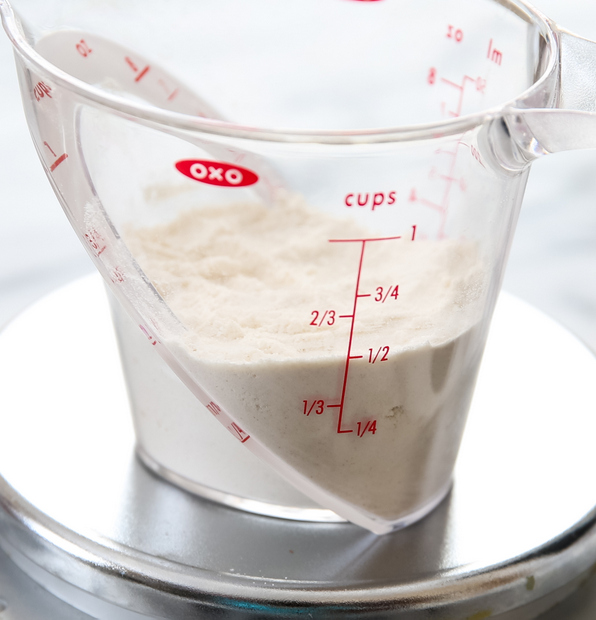
Use these objects as a visual guide for measuring ingredients by volume. It is not exact but works well in a pinch.
Credit: kirbiecravings.com
Tips For Accuracy And Consistency
Measuring 2/3 cup without a measuring cup can be tricky. Using simple tips helps keep your measurements correct.
Accurate and consistent measuring improves the taste and texture of your recipes. Follow these tips for best results.
Leveling Ingredients Properly
Fill your measuring tool slightly over the line or mark. Use a flat edge like a knife to level off the ingredient.
This removes extra ingredient and gives an exact amount. Leveling is important for dry ingredients like flour or sugar.
- Use the back of a butter knife or spatula to level
- Hold the measuring tool steady on a flat surface
- Do not pack down ingredients unless the recipe says so
Avoiding Common Mistakes
Do not guess measurements by eye. Avoid shaking or tapping the measuring tool to fit more ingredient.
Using different spoons or cups can cause errors. Use the same tool each time for consistency.
- Never scoop flour directly with a cup; spoon it in gently
- Keep the measuring tool clean and dry
- Do not level wet ingredients with a dry tool
Double-checking Measurements
After measuring, check the amount again. Use visual cues or compare with known measurements.
Measuring twice helps catch mistakes early. This saves time and prevents recipe problems.
- Measure ingredients twice if unsure
- Use a kitchen scale if available for best accuracy
- Keep notes on how you measure for future reference

Credit: littlesproutslearning.co
Frequently Asked Questions
How Can I Measure 2/3 Cup Without A Cup?
To measure 2/3 cup without a measuring cup, use a standard spoon. Use 10 tablespoons and 2 teaspoons. Alternatively, fill a 1-cup container two-thirds full, ensuring accuracy. Both methods provide a practical solution when measuring tools are unavailable. Always ensure the ingredients are level for precision.
What Common Items Equal 2/3 Cup?
Common items like a standard mug can substitute for 2/3 cup. Fill it approximately two-thirds full. Use a liquid measuring cup filled to the 5. 3-ounce mark. Alternatively, combine 10 tablespoons and 2 teaspoons for an exact measurement. These household items offer easy solutions when measuring cups aren’t available.
How Do I Convert 2/3 Cup To Tablespoons?
Converting 2/3 cup to tablespoons is straightforward. Simply use 10 tablespoons and 2 teaspoons. This conversion is helpful when only spoons are available. It ensures accurate measurements for your recipe. Always ensure the tablespoons and teaspoons are leveled for precision.
This method simplifies conversions in the kitchen.
What Is The Metric Equivalent Of 2/3 Cup?
The metric equivalent of 2/3 cup is approximately 158 milliliters. This conversion helps when using metric measurements in recipes. It ensures accuracy, especially in international cooking. Use a metric measuring jug for precise results. This method bridges the gap between different measurement systems.
It’s essential for consistent cooking outcomes.
Conclusion
Measuring 2/3 without a cup is easy with simple tools. Use spoons or common kitchen items to get close. Practice helps you guess amounts more quickly. This skill saves time and avoids extra dishes. Try these tips next time you cook or bake.
You don’t need special tools to measure right. Keep experimenting and enjoy your cooking more. Simple steps make your kitchen tasks smoother and fun.