Are you wondering how much loose tea you should use for the perfect cup? Getting the right amount of tea leaves can make all the difference between a weak brew and a flavorful delight.
Whether you’re new to loose tea or looking to improve your brewing skills, knowing the right measurement is key to unlocking the best taste every time. Keep reading, and you’ll discover simple tips that will help you enjoy your tea just the way you like it.
Your perfect cup is closer than you think!

Credit: www.firepot.com
Choosing The Right Tea
Loose tea needs the right amount per cup for the best flavor. Different teas need different amounts of leaves.
Knowing the tea type and leaf quality helps you measure the perfect amount for each cup.
Types Of Loose Tea
Tea types like black, green, white, and oolong have different strengths. This affects how much tea you use.
Stronger teas need less leaf per cup. Lighter teas need more leaves to get good flavor.
- Black tea: Use about 1 teaspoon per 8 oz cup
- Green tea: Use 1 to 1.5 teaspoons per cup
- White tea: Use 2 teaspoons per cup for milder taste
- Oolong tea: Use 1.5 teaspoons per cup
Leaf Size And Quality
Leaf size changes how much tea fits in a teaspoon. Smaller leaves pack tighter, so use less.
High-quality whole leaves give stronger flavor. Broken leaves or dust need more tea for good taste.
- Whole leaves: Use 1 teaspoon per cup
- Broken leaves: Use 1.5 teaspoons per cup
- Leaf dust or fannings: Use 2 teaspoons per cup
Measuring Tea For One Cup
Measuring the right amount of loose tea is important for a good cup. Using too much or too little changes the taste.
This guide explains how much tea to use for one cup of water. It helps you enjoy the best flavor every time.
Standard Tea Cup Sizes
Tea cups come in different sizes. Knowing the size helps you measure tea correctly.
Most tea cups hold between 6 to 8 ounces of water. Some cups can be smaller or larger.
- Small cup: 6 ounces (about 180 ml)
- Regular cup: 8 ounces (about 240 ml)
- Large cup: 10 ounces (about 300 ml)
Recommended Tea Amounts
The usual amount of loose tea is one teaspoon per 8 ounces of water. This works well for most black and green teas.
If your cup size is different, adjust the tea amount to match the water volume.
| Cup Size (oz) | Tea Amount (teaspoons) |
|---|---|
| 6 oz (180 ml) | ¾ teaspoon |
| 8 oz (240 ml) | 1 teaspoon |
| 10 oz (300 ml) | 1¼ teaspoons |
Adjusting For Taste Preferences
Tea strength depends on how much loose tea you use per cup of water. Adjusting this amount can change your tea from mild to strong. You can find the perfect taste by changing the tea quantity.
Everyone likes tea differently. Some prefer a light flavor, while others want a bold cup. Learning how to adjust loose tea helps you enjoy each cup just right.
Stronger Vs. Milder Brew
Use more loose tea leaves for a stronger brew. Less tea gives a milder flavor. You can try these simple tips:
- Start with 1 teaspoon of loose tea per 8 ounces of water for a mild cup.
- Use 1.5 teaspoons for a medium strength tea.
- Try 2 teaspoons for a strong, bold flavor.
- Adjust steeping time along with tea amount to control strength.
Experimenting With Measurements
Finding the right tea amount takes practice. Use this table as a guide. It shows tea amounts for different cup sizes and strengths.
| Cup Size | Mild (tsp) | Medium (tsp) | Strong (tsp) |
| 6 oz | 0.75 | 1 | 1.5 |
| 8 oz | 1 | 1.5 | 2 |
| 10 oz | 1.25 | 1.75 | 2.5 |
| 12 oz | 1.5 | 2 | 3 |
Water Temperature And Its Effect
Water temperature is very important when brewing loose tea. It changes how the tea tastes and how strong it becomes.
Using the right temperature helps bring out the best flavors from the tea leaves. Too hot or too cold water can spoil the taste.
Optimal Temperatures For Different Teas
Different teas need different water temperatures to taste their best. Green tea needs cooler water than black tea.
Here are common tea types and their best water temperatures for brewing:
| Tea Type | Water Temperature (°F) | Water Temperature (°C) |
|---|---|---|
| Green Tea | 150-180°F | 65-80°C |
| Black Tea | 200-212°F | 93-100°C |
| Oolong Tea | 180-200°F | 80-93°C |
| White Tea | 160-185°F | 70-85°C |
| Herbal Tea | 212°F | 100°C |
Impact On Flavor And Strength
Hotter water extracts more flavor and caffeine from tea leaves. It makes the tea stronger and bolder.
Cooler water gives a lighter, softer taste. It keeps delicate flavors from burning or tasting bitter.
- Too hot water can make tea bitter or harsh.
- Too cold water may result in weak, dull flavor.
- Right temperature balances taste and strength.
- Adjust temperature to your personal taste preference.
Brewing Time Guidelines
Brewing loose tea properly makes a big difference in flavor. The right steeping time brings out the best taste and aroma.
Too short or too long brewing can spoil your tea. Follow these simple guidelines to get it right every time.
Steeping Times For Various Teas
Different teas need different steeping times. Green tea requires less time than black tea. Herbal teas usually take longer to brew.
| Tea Type | Steeping Time | Water Temperature |
| Green Tea | 2-3 minutes | 175°F (80°C) |
| Black Tea | 3-5 minutes | 212°F (100°C) |
| Oolong Tea | 4-7 minutes | 195°F (90°C) |
| White Tea | 4-5 minutes | 175°F (80°C) |
| Herbal Tea | 5-7 minutes | 212°F (100°C) |
Avoiding Over- Or Under-brewing
Over-brewing makes tea bitter and strong. Under-brewing results in weak flavor. Use a timer and check steeping times carefully.
- Set a timer for the recommended steeping time
- Use the right water temperature for each tea type
- Remove tea leaves promptly after steeping
- Taste your tea and adjust time next brew
Tools For Accurate Brewing
Getting the right amount of loose tea per cup of water is key to good flavor. Tools help you measure tea leaves accurately.
Using proper tools can improve your brewing and make each cup taste just right.
Using Tea Scoops And Scales
Tea scoops help portion loose tea simply. They come in different sizes, usually holding about one teaspoon.
- Tea scoops are easy to use and clean.
- They give consistent amounts for each cup.
- Scales measure tea by weight, offering precision.
- Digital scales can measure small amounts accurately.
Using a scale ensures you use the exact grams of tea. This is useful if you want to follow specific recipes.
Measuring Cups Vs. Digital Scales
| Tool | Accuracy | Ease of Use | Best For |
| Measuring Cups | Moderate | Simple | Quick servings |
| Digital Scales | High | Requires setup | Precise brewing |
Measuring cups are faster but less exact. Digital scales give precise results but take more time.
Common Mistakes To Avoid
Using the right amount of loose tea and good water quality is key for a tasty cup. Many people make simple mistakes that harm the flavor.
Learn what to avoid so your tea always tastes fresh and balanced. Small changes can make a big difference.
Using Too Much Or Too Little Tea
Adding too much tea makes your drink bitter. Too little tea results in weak flavor. The right amount helps you enjoy the full taste.
- Use about 1 teaspoon (2 to 3 grams) of loose tea per 8 ounces (240 ml) of water.
- Adjust slightly depending on tea type and personal taste.
- Measure tea leaves with a spoon or scale for accuracy.
- Don’t guess the amount, as it affects strength and aroma.
Ignoring Water Quality
Water quality changes the taste of tea a lot. Bad water can hide good tea flavors or add odd tastes.
| Water Quality Issue | Effect on Tea | How to Fix |
|---|---|---|
| Hard Water | Makes tea dull and flat | Use filtered or bottled water |
| Chlorine | Gives a chemical taste | Let water sit or use a filter |
| Impurities | Cause off-flavors | Choose clean, fresh water |

Credit: www.reddit.com
Tips For Consistent Results
Getting the right amount of loose tea per cup helps you enjoy a perfect brew every time.
Small changes in tea amount or water quality can change taste a lot. Follow these tips to keep your tea great.
Keeping A Brewing Journal
Write down the tea type, amount used, steep time, and water temperature for each brew.
- Note the grams or teaspoons of tea per cup
- Record the water temperature and steep time
- Write how the tea tastes and any changes you make
- Compare entries to find your favorite method
Adjusting For Altitude And Water Hardness
Altitude and water hardness affect how tea brews and tastes. You may need to adjust tea amount and steep time.
| Factor | Effect | Adjustment Tips |
| High Altitude | Water boils at lower temperature | Use slightly more tea or steep longer |
| Hard Water | Minerals can dull tea flavor | Use filtered water or increase tea amount |
| Soft Water | Tea flavors come out clearly | Use standard tea amount |

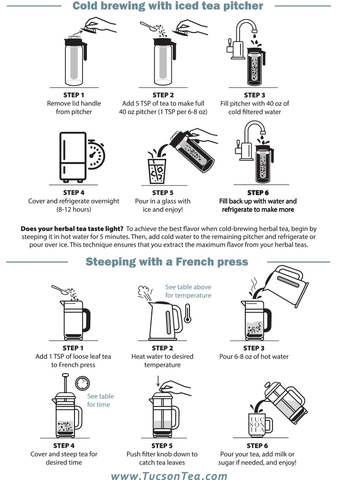
Credit: tucsontea.com
Frequently Asked Questions
How Much Loose Tea Should I Use Per Cup?
For a standard cup, use one teaspoon of loose tea. Adjust based on personal taste and tea type. Stronger teas may require less, while lighter teas may need more. For the best flavor, experiment with quantities to suit your preference.
Always consider the tea’s instructions for optimal results.
Does Tea Type Affect The Amount Needed?
Yes, tea type significantly affects the quantity needed per cup. Stronger teas like black or oolong might need less. Conversely, lighter teas like green or white may require more. Adjust the amount based on the tea’s strength and your taste preference to achieve the desired flavor.
Can I Reuse Loose Tea Leaves?
Yes, you can reuse loose tea leaves, especially for high-quality teas. Reusing can give a milder brew. However, the flavor may diminish with each use. It’s common with teas like oolong and green. Ensure not to leave them too long between uses to maintain freshness.
What’s The Best Way To Measure Loose Tea?
Using a teaspoon or a tea scoop is the best way to measure loose tea. This ensures consistency in flavor with each brew. Adjust the quantity based on the tea’s strength and your taste. A kitchen scale can be helpful for precise measurements, especially for delicate teas.
Conclusion
Finding the right amount of loose tea per cup matters a lot. Too little tea makes the drink weak and dull. Too much tea can taste bitter or strong. Usually, one teaspoon per cup works well. You can adjust it to your taste over time.
Remember, good tea needs the right balance. Enjoy your perfect cup every time. Experiment and find what suits you best. Simple steps lead to a better tea experience.