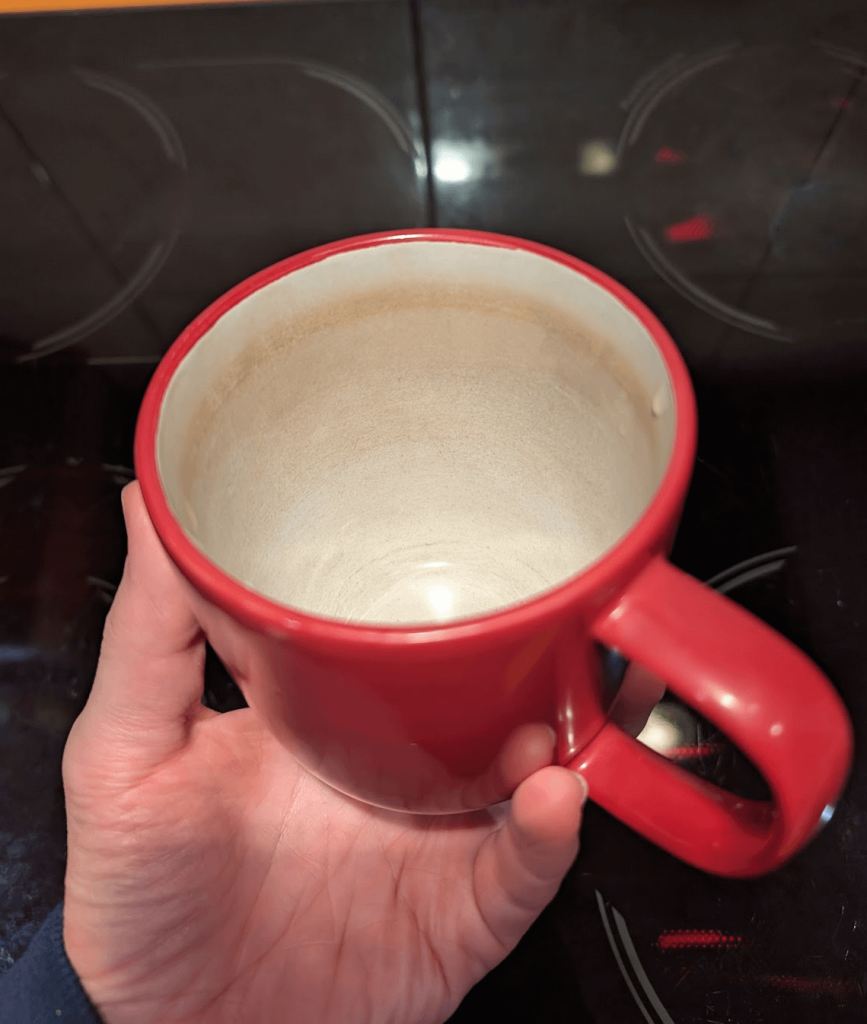
Have you ever noticed those stubborn tea stains clinging to your favorite cup? They can make your mug look old and uninviting, even if you’ve just washed it.
You might wonder, “How do I clean tea stains from cups quickly and effectively? ” The good news is, you don’t need harsh chemicals or expensive cleaners. You’ll discover simple, proven methods to restore your cups to their sparkling best.
Keep reading, and you’ll never have to hide your tea mugs again!
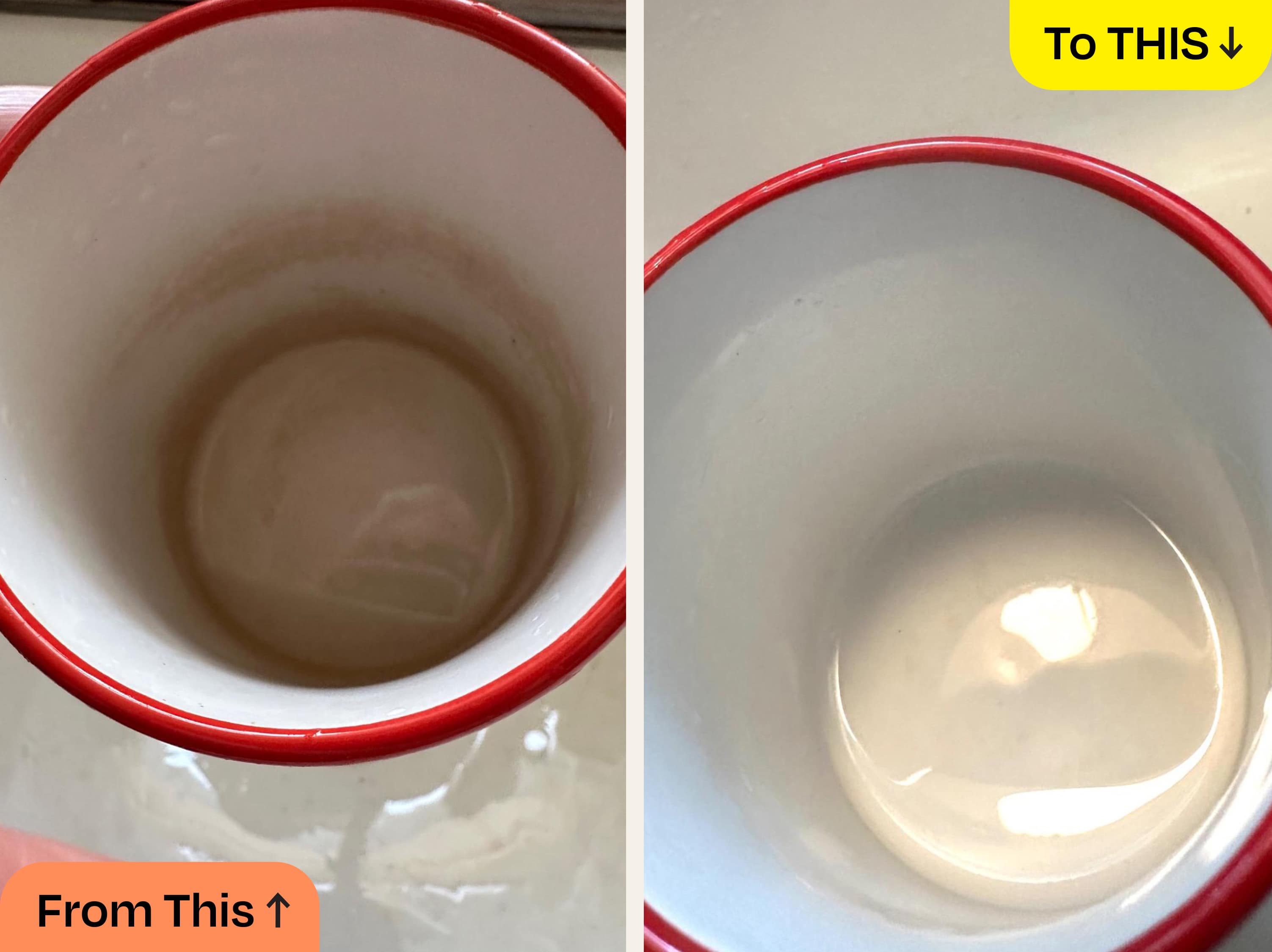
Credit: www.thekitchn.com
Common Causes Of Tea Stains
Tea stains on cups happen often and can be hard to remove. Understanding why stains form helps keep cups clean.
Tea contains natural compounds that stick to cup surfaces. These compounds create the brown marks called stains.
Tannins In Tea
Tannins are natural chemicals in tea leaves. They give tea its color and flavor.
When tea cools in a cup, tannins attach to the cup’s surface. This causes the cup to look stained.
Tea Temperature
Hot tea helps tannins stick faster to cups. The higher the temperature, the quicker stains form.
Letting tea sit too long in a cup can create darker stains. It gives tannins time to settle and dry.
Cup Material
Some cup materials stain more than others. Porous materials like ceramic absorb tannins easily.
Glazed or smooth cups resist stains better but can still get marked over time.
Tea Strength And Type
Strong tea has more tannins, which means more staining. Dark teas like black tea stain more than green tea.
Herbal teas often stain less because they have fewer tannins. But some herbs can still leave marks.
Cleaning Habits
Not washing cups soon after use lets stains build up. Dried tea stains are harder to clean.
Regular cleaning stops stains from becoming permanent marks on cups.
Household Items For Stain Removal
Tea stains on cups can be stubborn and hard to remove. Luckily, common household items can help clean these stains effectively.
Using items like baking soda, white vinegar, and lemon juice is simple and safe. These natural cleaners work well without harsh chemicals.
Using Baking Soda
Baking soda is a gentle abrasive that helps scrub away tea stains. It lifts the stains without scratching the cup’s surface.
Make a paste with baking soda and water. Apply it to the stained area and rub with a cloth or sponge. Rinse well afterward.
- Mix 2 tablespoons of baking soda with a little water
- Apply the paste on tea stains
- Rub gently with a sponge or cloth
- Rinse the cup with warm water
Applying White Vinegar
White vinegar is acidic and breaks down tea stains. It also removes odors and disinfects the cup.
Fill the cup with white vinegar and let it sit for 15 to 20 minutes. Then scrub the stains with a brush or sponge and rinse.
- Pour white vinegar into the stained cup
- Let it soak for 15-20 minutes
- Scrub the stains gently
- Rinse thoroughly with water
Lemon Juice Method
Lemon juice contains natural acid that brightens and cleans tea stains. It also leaves a fresh scent.
Apply lemon juice directly to the stain. Let it sit for a few minutes. Scrub with a sponge and rinse well with water.
- Cut a lemon in half and squeeze the juice
- Apply juice on the stained areas
- Wait 5-10 minutes for the juice to work
- Scrub gently and rinse the cup
Step-by-step Cleaning Techniques
Tea stains on cups can be stubborn and hard to remove. Using the right cleaning steps helps make your cups look clean again.
These simple techniques use common household items to remove stains safely and effectively.
Soaking Method
Soaking your stained cup softens the tea marks. This makes them easier to clean off later.
Fill the cup with warm water and add a cleaning agent like baking soda or vinegar. Let it sit for 15 to 30 minutes.
- Use 1 tablespoon of baking soda or white vinegar
- Fill the cup halfway with warm water
- Let the cup soak without stirring
- Remove after 15-30 minutes
Scrubbing Tips
After soaking, scrub the cup gently to remove loosened stains. Use a soft brush or sponge to protect the cup’s surface.
Focus on stained areas and use small circular motions. Avoid harsh scrubbing to prevent scratches.
- Use a soft sponge or a soft-bristled brush
- Apply a little baking soda for extra scrubbing power
- Scrub gently in circles on stained spots
- Check progress often to avoid over-scrubbing
Rinsing And Drying
Rinse the cup thoroughly to remove all cleaning agents and residue. Use clean, warm water for best results.
Dry the cup with a clean towel or let it air dry to prevent water spots. Make sure it is completely dry before storing.
- Rinse the cup several times with warm water
- Use a soft cloth or towel to dry the cup
- Leave the cup upside down to air dry if needed
- Store the cup when fully dry
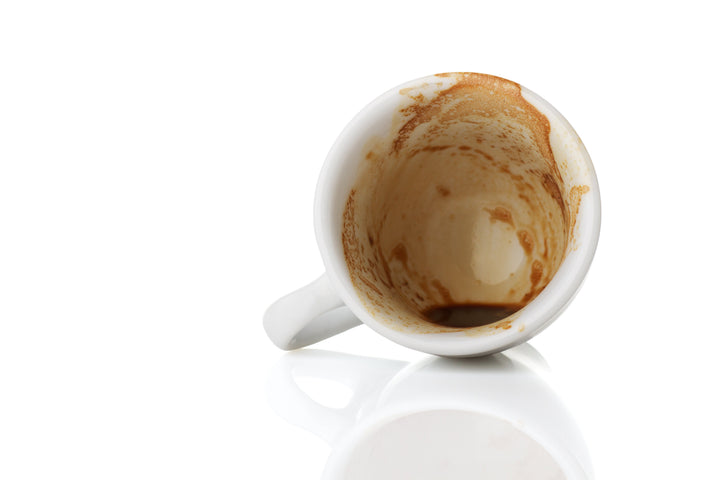
Credit: nelsonwashonline.co.uk
Preventing Future Tea Stains
Tea stains can build up on your cups over time, making them look dull. Preventing these stains is easier than removing them later. Simple habits and the right cups help keep your tea cups clean.
Follow easy tips to stop stains before they start. This saves time and keeps your cups looking fresh.
Regular Cleaning Habits
Cleaning your tea cups soon after use stops stains from settling. Rinsing with warm water removes leftover tea. Use mild soap and a soft sponge to wash cups daily.
- Rinse cups immediately after drinking tea
- Wash with mild soap and warm water
- Use a soft sponge or cloth to avoid scratches
- Dry cups completely before storing
- Deep clean weekly using baking soda or vinegar
Choosing The Right Cups
Not all cups hold tea stains the same way. Some materials resist stains better. Choosing the right cup helps reduce the chance of marks appearing.
| Material | Stain Resistance | Care Tips |
| Porcelain | High | Wash daily, avoid rough sponges |
| Glass | Medium | Rinse immediately, wipe dry |
| Plastic | Low | Clean often, replace if stained |
| Stoneware | Medium | Hand wash recommended |
When To Use Commercial Cleaners
Tea stains on cups can be tough to remove with just soap and water. Sometimes, you need stronger products. Commercial cleaners work well for deep or old stains.
Knowing when to use these cleaners helps protect your cups and keeps them looking new. Use them carefully and follow instructions for best results.
Types Of Cleaners
There are several commercial cleaners made for tea stains. Some are powders, others are liquids or gels. Each type works differently and suits certain materials.
- Oxidizing cleaners remove stains by breaking down color molecules.
- Abrasive cleaners scrub off stains but may scratch delicate cups.
- Enzyme-based cleaners dissolve organic stains gently.
- Bleach-based cleaners kill germs but can be harsh on surfaces.
Safety Tips
Using commercial cleaners needs care. Some contain strong chemicals that can irritate skin or damage cups. Always read labels and follow safety rules.
| Safety Tip | Reason |
| Wear gloves | Protect skin from chemicals |
| Use in well-ventilated area | Avoid inhaling fumes |
| Test on small area first | Check for damage or discoloration |
| Rinse cups thoroughly | Remove all cleaner residues |
| Store cleaners safely | Keep away from children and pets |

Credit: 100things2do.ca
Frequently Asked Questions
What Removes Tea Stains From Cups Best?
To remove tea stains effectively, use baking soda and water. Make a paste with baking soda, apply it to the stained area, and scrub gently. Rinse thoroughly with warm water. For stubborn stains, consider using white vinegar and salt. These methods are both natural and efficient.
Can Vinegar Clean Tea Stains?
Yes, vinegar can clean tea stains effectively. Mix equal parts of white vinegar and water. Soak the stained cup in the solution for a few minutes. Scrub gently with a soft cloth or sponge. Rinse the cup thoroughly with warm water.
Vinegar’s acidity helps break down and remove stains.
Are Baking Soda And Lemon Effective For Stains?
Baking soda and lemon are effective for removing tea stains. Sprinkle baking soda on the stain, then rub with a lemon wedge. The combination of lemon’s acidity and baking soda’s abrasiveness helps lift stains. Rinse with warm water afterward for a clean finish.
How Often Should I Clean Tea-stained Cups?
Clean tea-stained cups at least once a week to prevent buildup. Regular cleaning helps maintain their appearance and hygiene. For heavy tea drinkers, consider cleaning them more frequently. Use natural cleaning agents like baking soda or vinegar for best results.
Conclusion
Tea stains on cups can be removed with simple household items. Baking soda, vinegar, or lemon work well. Scrub gently to avoid scratches. Clean your cups regularly to keep them looking fresh. These easy steps save time and money. Enjoy your tea in spotless cups every day.
No need to buy special cleaners. Just a little effort brings great results. Try these tips and see the difference yourself. Clean cups make tea time more enjoyable. Simple, effective, and safe for all cups.