Are you wondering if an end grain cutting board is the right choice for your kitchen? You might have heard they last longer or are gentler on knives, but is that really true?
Choosing the right cutting board can change how you prep meals and care for your tools. Keep reading to discover what makes end grain boards unique and whether they can truly improve your cooking experience. By the end, you’ll know exactly if an end grain cutting board is better for you.

Credit: www.reddit.com
End Grain Vs. Edge Grain
Cutting boards come in different types based on how the wood is cut. Two common types are end grain and edge grain boards.
Understanding the difference helps you choose the right board for your kitchen needs.
Construction Differences
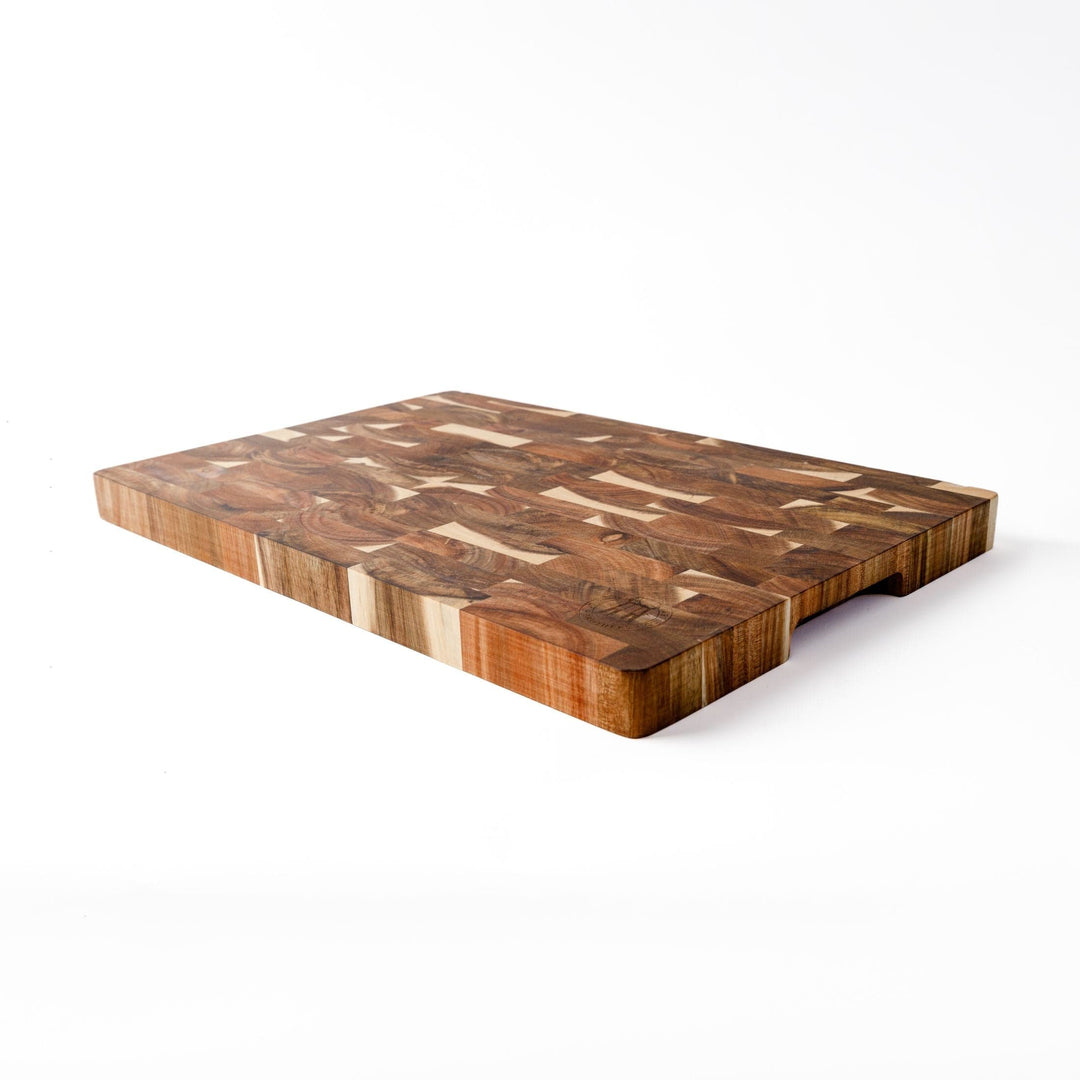
End grain boards show the wood fibers standing up on the surface. This means you see the ends of the wood pieces.
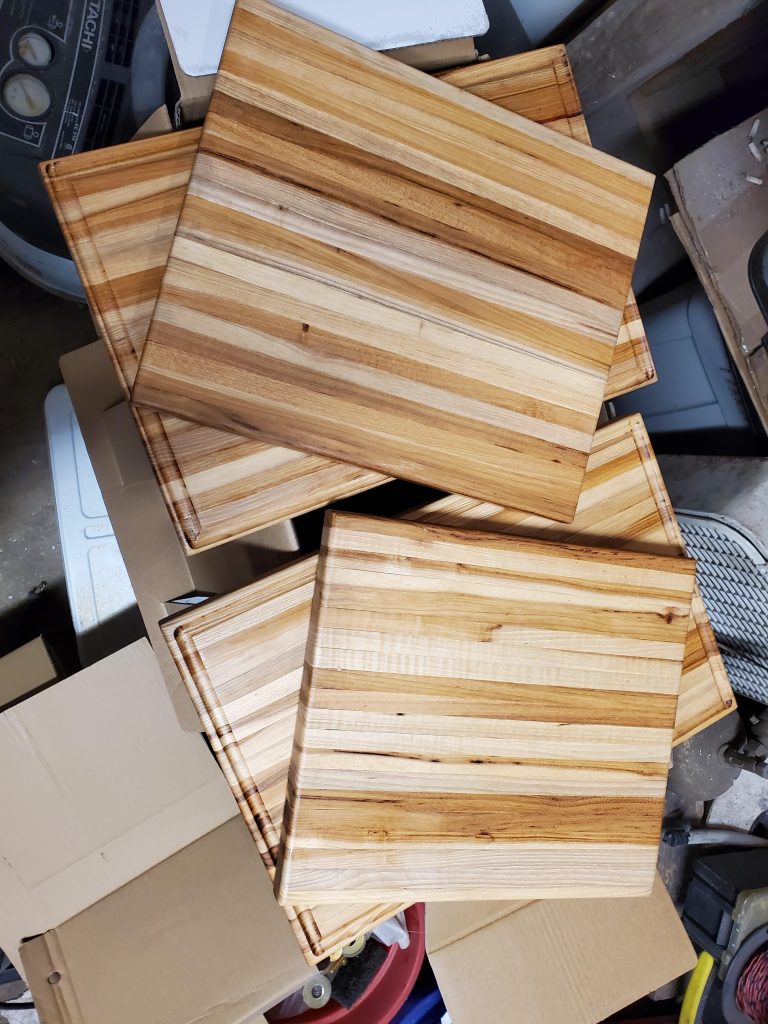
Edge grain boards show the side of the wood fibers running lengthwise. The wood pieces are cut along the grain.
- End grain boards are made by gluing wood blocks with ends facing up.
- Edge grain boards are made by gluing long strips of wood side by side.
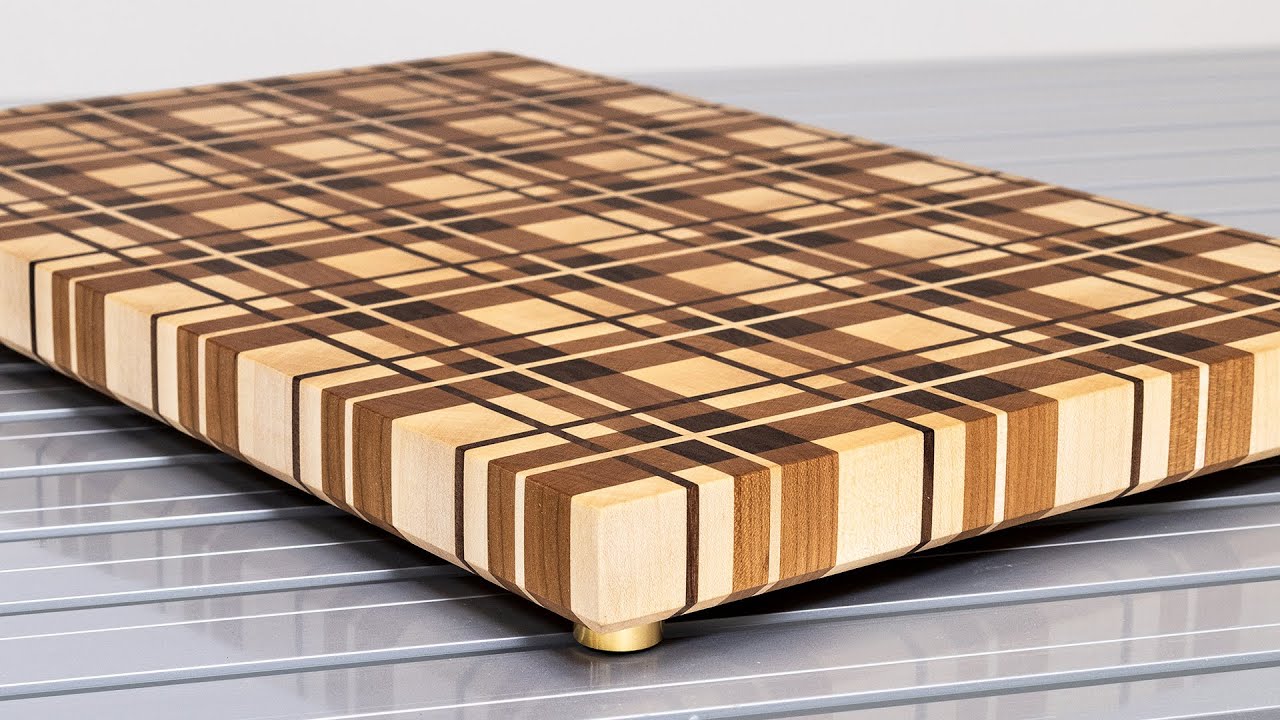
- End grain boards often have a checkerboard look.
- Edge grain boards have straight, lined patterns.
Impact On Knife Edges
End grain boards are gentler on knives because the wood fibers absorb the cut. The knife slips between fibers instead of cutting across them.
Edge grain boards are harder on knives. The knife cuts across the wood fibers, which can dull blades faster.
- End grain protects knife edges and lasts longer.
- Edge grain boards may cause knives to dull sooner.
- End grain boards self-heal small cuts better.
- Edge grain boards show scratches more easily.
Credit: schmidtbrothers.com
Durability Factors
End grain cutting boards are popular in many kitchens. Their durability is one key reason. Understanding what makes them strong helps you choose the right board.
This section explains how end grain boards resist cuts and scratches. It also compares their lifespan with other types of boards.
Resistance To Cuts And Scratches
End grain boards show high resistance to damage from knives. The wood fibers stand upright, letting knife edges slide between them. This reduces visible cuts and scratches.
- Wood fibers absorb knife pressure better
- Knives stay sharper longer due to less wear
- Surface self-heals as fibers close after cutting
- Less visible damage compared to edge grain boards
Longevity Compared To Other Types
End grain boards usually last longer than edge grain or plastic boards. Their construction helps them endure heavy use without warping or cracking.
| Type of Board | Typical Lifespan | Durability Notes |
| End Grain | 10+ years | High resistance to cuts and warping |
| Edge Grain | 5-7 years | Moderate resistance, more surface cuts |
| Plastic | 2-4 years | Prone to deep cuts and staining |
Maintenance Tips
End grain cutting boards need care to last long. Proper maintenance keeps them clean and strong.
Taking simple steps helps protect the wood and keeps your board safe for food use.
Cleaning Techniques
Clean your end grain board after each use. Use warm water and mild soap to wash it.
Do not soak the board or put it in the dishwasher. This can cause cracks and warping.
- Wipe the surface with a soft cloth or sponge
- Rinse with warm water only
- Dry the board standing up or on a rack
- Use vinegar or lemon juice to remove odors
Oiling And Conditioning
Oil your board regularly to stop it from drying out. Use food-safe mineral oil for best results.
Apply oil evenly and let it soak overnight. Wipe off any extra oil before using the board again.
- Apply mineral oil once a month or when dry
- Use a clean cloth to rub oil into the wood
- Condition with beeswax for extra protection
- Avoid vegetable oils as they can go rancid
Cost And Value
End grain cutting boards often cost more than other types of boards. This price difference comes from the way they are made and the materials used.
Understanding their cost and value helps you decide if they are right for your kitchen needs.
Price Comparison
End grain boards usually have a higher price tag compared to edge grain or plastic boards. The wood blocks are cut and arranged to show the grain ends, which takes more time and skill.
| Type of Cutting Board | Average Price Range |
| End Grain | $80 – $250 |
| Edge Grain | $30 – $100 |
| Plastic | $10 – $50 |
Investment Benefits
End grain boards last longer and protect knives better. This means you replace them less often, saving money over time.
- Self-healing surface reduces knife marks
- Durable wood resists cracking and warping
- Better for maintaining sharp knives
- Can be refinished to look new again
Choosing The Right Board
End grain cutting boards show the wood fibers on the surface. This design helps protect knives and lasts long. Choosing the right board depends on how often you cook and your kitchen needs.
Some boards fit better in busy kitchens. Others work well for light use. Knowing your kitchen style helps you pick the best cutting board.
Usage Frequency
Think about how often you use a cutting board. If you cook daily, choose a strong and durable board. End grain boards resist cuts better and last longer with heavy use.
For occasional cooking, a cheaper or simpler board might work. End grain boards need care like regular oiling. This keeps them from drying out and cracking.
- Daily cooking: end grain board is good
- Light cooking: cheaper board may suffice
- Regular oiling keeps wood healthy
Kitchen Style And Needs
Consider your kitchen size and style. End grain boards are often thick and heavy. They fit well in large kitchens with space to store them.
If your kitchen is small, a thinner or smaller board might be better. Also, think about what you cut most. Meat or vegetables may need different board types for hygiene.
- Large kitchens suit thick, heavy boards
- Small kitchens need lighter, smaller boards
- Use separate boards for meat and vegetables
Credit: www.youtube.com
Frequently Asked Questions
What Makes End Grain Cutting Boards Superior?
End grain cutting boards are superior due to their durability and self-healing properties. The wood fibers absorb knife cuts, which helps maintain the board’s appearance. They also offer a more forgiving surface, preserving the sharpness of knives. This makes them a preferred choice for many professional chefs.
Are End Grain Cutting Boards More Durable?
Yes, end grain cutting boards are more durable. Their unique construction allows wood fibers to absorb knife cuts. This not only extends the board’s lifespan but also helps in maintaining its appearance over time. Their durability makes them a worthwhile investment for any kitchen.
Do End Grain Boards Keep Knives Sharper?
End grain boards indeed help keep knives sharper. The wood fibers absorb the knife’s impact, reducing dulling. This softer surface minimizes wear on the blade, preserving its sharpness longer. Consequently, end grain boards are a popular choice among culinary professionals and home cooks alike.
How Do End Grain Boards Self-heal?
End grain boards self-heal by absorbing knife cuts into their fibrous surface. The vertical wood fibers close up after cutting, reducing visible marks. This self-healing property keeps the board looking new. It also contributes to the longevity and aesthetic appeal of the cutting board.
Conclusion
End grain cutting boards last longer and protect knives better. They handle cuts and scratches without showing much damage. These boards also look good in any kitchen. Cleaning them is simple, keeping food safe. Choosing the right board depends on your needs and budget.
Both end grain and other types have their uses. Try one to see how it fits your cooking style. A good cutting board makes cooking easier and more fun. Consider quality and care to enjoy your board fully.