Have you ever found yourself stuck trying to measure 1/6 cup and wondering how to get it just right? Whether you’re baking a cake or preparing a new recipe, precise measurements can make all the difference.
But don’t worry—measuring 1/6 cup doesn’t have to be confusing or frustrating. You’ll discover simple, practical tips to measure 1/6 cup quickly and accurately, even if you don’t have a special measuring tool. Keep reading, and you’ll master this little measurement with ease, making your cooking and baking smoother than ever.
Credit: naavagreen.com
Why Accurate Measurement Matters
Measuring ingredients correctly is key to good cooking and baking. Using the right amount affects taste and texture.
Even small differences in measurement can change how a recipe turns out. This is why knowing how to measure 1/6 cup is important.
Consistency In Recipes
Accurate measurement helps keep recipes consistent. This means your food will taste the same every time you make it.
Proper Texture And Appearance
Using the right amount of ingredients affects the texture and look of your dish. Too much or too little can change the outcome.
Avoiding Waste And Saving Money
Measuring accurately helps reduce food waste. It also saves money by using only what the recipe needs.
- Prevent using too much of an ingredient
- Stop making dishes that need to be thrown away
- Keep your ingredient supplies lasting longer
How To Measure 1/6 Cup Precisely
You can use a 1/4 cup and a tablespoon to measure 1/6 cup:
| Tool | Amount |
|---|---|
| 1/4 cup | 4 tablespoons |
| 1 tablespoon | 3 teaspoons |
To get 1/6 cup, fill a 1/4 cup and remove 2 tablespoons from it. Or add 2 tablespoons and 2 teaspoons together.

Credit: www.walmart.com
Common Tools For Measuring 1/6 Cup
Measuring 1/6 cup can be tricky because it is not a common measurement on standard sets. Using the right tools helps you get accurate amounts for recipes.
This guide shows common tools to measure 1/6 cup easily. You can use tools you already have or find alternatives for precise results.
Using Standard Measuring Cups
Standard measuring cups usually come in sizes like 1/4, 1/3, 1/2, and 1 cup. They do not include a 1/6 cup size.
You can measure 1/6 cup by using a 1/3 cup and filling it halfway. This method is simple and uses tools found in most kitchens.
- Fill a 1/3 cup to the halfway mark
- Make sure to level off the ingredient for accuracy
- Use a flat edge like a knife to level
- Good for dry ingredients like flour or sugar
Alternative Tools For Precision
If you want exact measurements, kitchen scales are the best choice. They measure by weight, which is more precise than volume.
Measuring spoons and adjustable measuring cups can also help. Some spoons measure small amounts close to 1/6 cup.
| Tool | How to Use | Best For |
|---|---|---|
| Kitchen Scale | Weigh 1/6 cup in grams or ounces | All ingredients, very precise |
| Measuring Spoons | Combine smaller spoons to total 1/6 cup | Small dry or liquid amounts |
| Adjustable Measuring Cup | Set to 1/6 cup mark, if available | Liquids and dry ingredients |
Step-by-step Guide To Measure 1/6 Cup
Measuring 1/6 cup is simple with the right tools. This guide will help you measure it accurately.
Use the correct method for dry and liquid ingredients to get the best results in cooking or baking.
Measuring Dry Ingredients
Use a dry measuring cup for 1/6 cup of flour, sugar, or other dry items. Level the top for accuracy.
- Spoon the ingredient into the 1/6 cup measuring cup.
- Fill it slightly over the top.
- Use a flat edge to level it off.
- Do not shake the cup to avoid packing the ingredient.
Measuring Liquid Ingredients
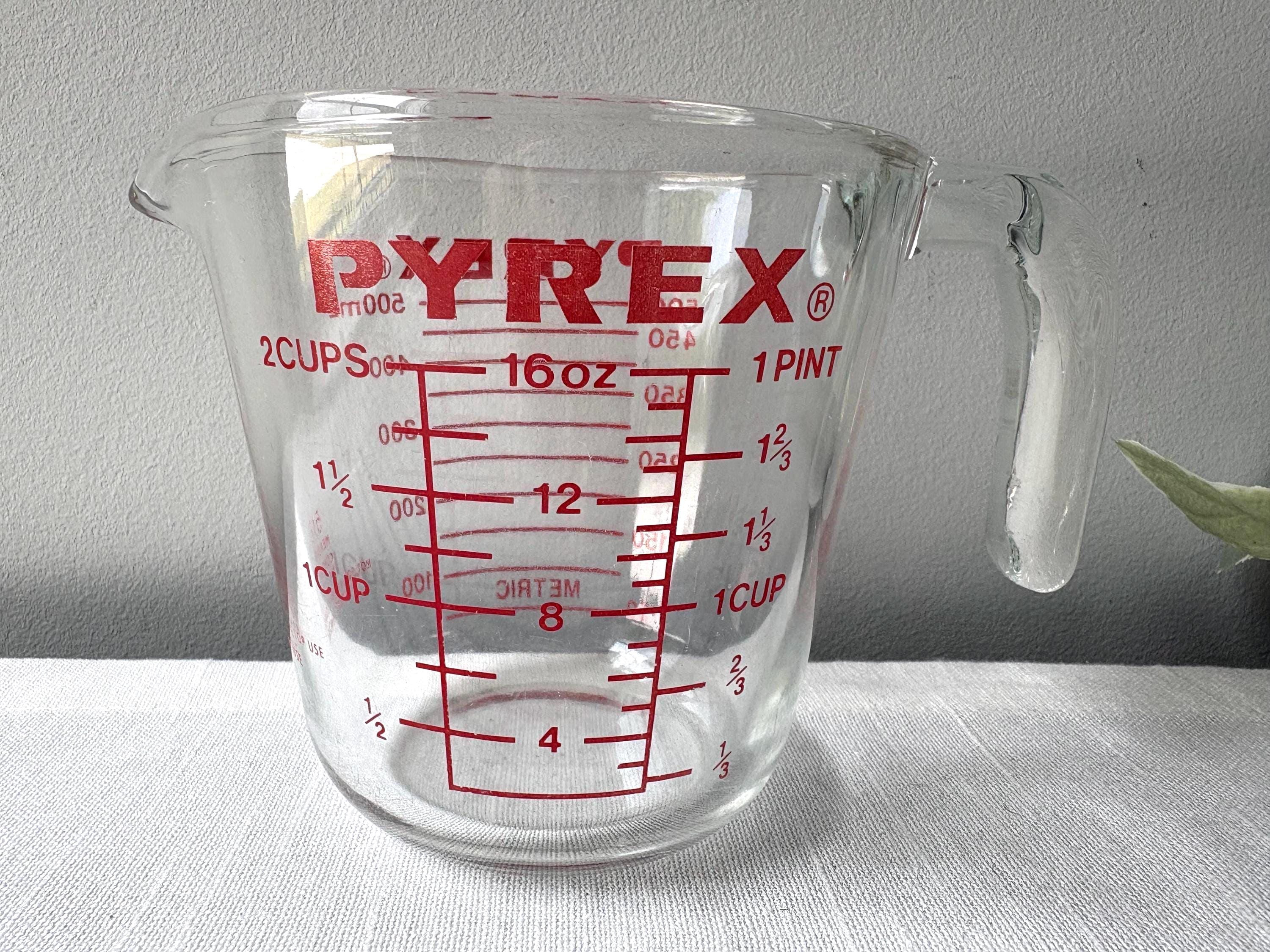
Use a liquid measuring cup for 1/6 cup of water, oil, or milk. Check the level at eye height.
- Pour liquid slowly into the 1/6 cup container.
- Place the cup on a flat surface.
- Bend down to check the liquid line at eye level.
- Add or remove liquid to reach the exact 1/6 cup mark.
Credit: www.etsy.com
Tips For Measuring Without A 1/6 Cup
Sometimes recipes call for 1/6 cup, but you may not have that measuring cup. You can still measure accurately with simple tools.
This guide shows easy ways to measure 1/6 cup using tablespoons, teaspoons, or a kitchen scale.
Using Tablespoons And Teaspoons
A 1/6 cup equals 2 tablespoons plus 2 teaspoons. You can use these smaller spoons to measure it out.
- 1 tablespoon equals 3 teaspoons
- 1/6 cup = 10 teaspoons total
- Measure 2 tablespoons (6 teaspoons) plus 2 teaspoons
- Mix them together to get 1/6 cup
Using this method helps you get a good estimate without special cups.
Using A Kitchen Scale
Kitchen scales give exact measurements by weight. You can weigh the ingredients instead of using cup sizes.
To measure 1/6 cup by weight, first find the weight of 1 cup of the ingredient. Then divide by six.
| Ingredient | Weight of 1 Cup (grams) | Weight of 1/6 Cup (grams) |
|---|---|---|
| Flour | 120 g | 20 g |
| Sugar | 200 g | 33 g |
| Butter | 227 g | 38 g |
Use this table as a guide. Weigh the amount for 1/6 cup based on your ingredient’s weight.
Common Mistakes To Avoid
Measuring 1/6 cup can be tricky if you do not use the right tools or techniques. Small mistakes can change your recipe results.
Here are common errors to avoid when measuring 1/6 cup to get accurate results every time.
Using The Wrong Measuring Tool
Many people do not have a 1/6 cup measuring cup. Using a regular 1/4 or 1/3 cup can lead to wrong amounts.
Use a kitchen scale or combine smaller measuring spoons to get the exact 1/6 cup amount.
- 1/6 cup equals 2 tablespoons plus 2 teaspoons
- Use a digital scale for best accuracy
- Measure dry and liquid ingredients differently
Not Leveling The Ingredient
Leaving ingredients heaped over the cup causes too much volume. This adds extra ingredients and affects your recipe.
Always level off dry ingredients with a flat edge, like a knife or spatula, for precise measuring.
Measuring Liquids On An Uneven Surface
Pouring liquid into a cup on a tilted surface makes the measurement wrong. It can be too much or too little.
Place your measuring cup on a flat surface. Bend down to eye level to check the liquid line.
Ignoring Ingredient Differences
Not all ingredients measure the same by volume. For example, flour can be packed or sifted, changing its weight.
Use weight measurements for best results or follow specific ingredient instructions carefully.
Rushing The Measurement Process
Hurrying can cause spills or uneven scoops. Taking your time helps ensure accuracy in your cooking or baking.
Measure slowly and carefully to avoid mistakes and get the exact 1/6 cup amount.
Adjusting Recipes With 1/6 Cup Measurements
Measuring 1/6 cup can help you change recipes easily. This small amount lets you adjust flavors and textures.
Knowing how to use 1/6 cup helps when you want to make less or more food. It keeps the balance right.
Understanding The Size Of 1/6 Cup
One-sixth of a cup equals about 2 tablespoons plus 2 teaspoons. It is smaller than a quarter cup.
You can measure 1/6 cup by combining smaller tools if you do not have a 1/6 cup measure.
- 2 tablespoons + 2 teaspoons = 1/6 cup
- Or use a 1/4 cup and remove about 1 tablespoon
- Use kitchen scales for more precision
Using 1/6 Cup To Adjust Recipe Ingredients
You can add or reduce ingredients by 1/6 cup for better taste or texture. This helps you customize recipes.
For example, add 1/6 cup sugar to make desserts sweeter or remove it for less sweetness.
- Increase flour by 1/6 cup for thicker dough
- Reduce oil by 1/6 cup for lighter dishes
- Add 1/6 cup water for thinner sauces
Scaling Recipes With 1/6 Cup Portions
When you want to make smaller or larger batches, use 1/6 cup to scale ingredients up or down easily.
This helps keep the recipe balanced without guessing amounts.
| Original Recipe | Ingredient | Amount |
| Full recipe | Flour | 1 cup |
| Half recipe | Flour | 1/2 cup (3/6 cup) |
| One-third recipe | Flour | 1/3 cup (2/6 cup) |
| One-sixth recipe | Flour | 1/6 cup |
Tips For Accurate 1/6 Cup Measurement
Use dry measuring cups for dry ingredients and liquid measuring cups for liquids. This ensures accuracy.
Level off the ingredient with a flat edge for correct measurement.
- Combine tablespoons and teaspoons if no 1/6 cup tool
- Use a kitchen scale for best results
- Double-check measurements before mixing
Frequently Asked Questions
What Is 1/6 Cup Equivalent To In Tablespoons?
1/6 cup is equivalent to approximately 2 tablespoons plus 2 teaspoons. This conversion helps when measuring small amounts. It’s useful for recipes requiring precise measurements. Always double-check for accuracy in cooking and baking. Using a proper measuring spoon ensures consistency in your culinary creations.
How Can I Measure 1/6 Cup Without A Measuring Cup?
To measure 1/6 cup, use 2 tablespoons and 2 teaspoons. This combination provides the exact measurement needed. It’s a simple method when a 1/6 cup is unavailable. Ensure accuracy by leveling off each spoonful. This approach is practical for baking and cooking.
Why Is 1/6 Cup A Common Measurement?
1/6 cup is common in recipes requiring smaller ingredient amounts. It provides precise measurements for balanced flavors. Professional chefs and home cooks use it frequently. It ensures consistency and accuracy in culinary preparations. Understanding this measurement aids in achieving desired taste outcomes.
Can I Use A Kitchen Scale For 1/6 Cup?
Yes, a kitchen scale can measure 1/6 cup by weight. Convert the volume to grams for accuracy. A digital scale provides precise readings. This method is ideal for baking where precision matters. Use a conversion chart for correct weight equivalents.
Conclusion
Measuring 1/6 cup is simple with the right tools. Use a standard measuring cup or a kitchen scale for best results. Knowing this small amount helps in cooking and baking. It keeps recipes accurate and food tasty. Practice a few times to feel confident.
Small steps like this improve your kitchen skills. Keep measuring and enjoy your cooking journey.