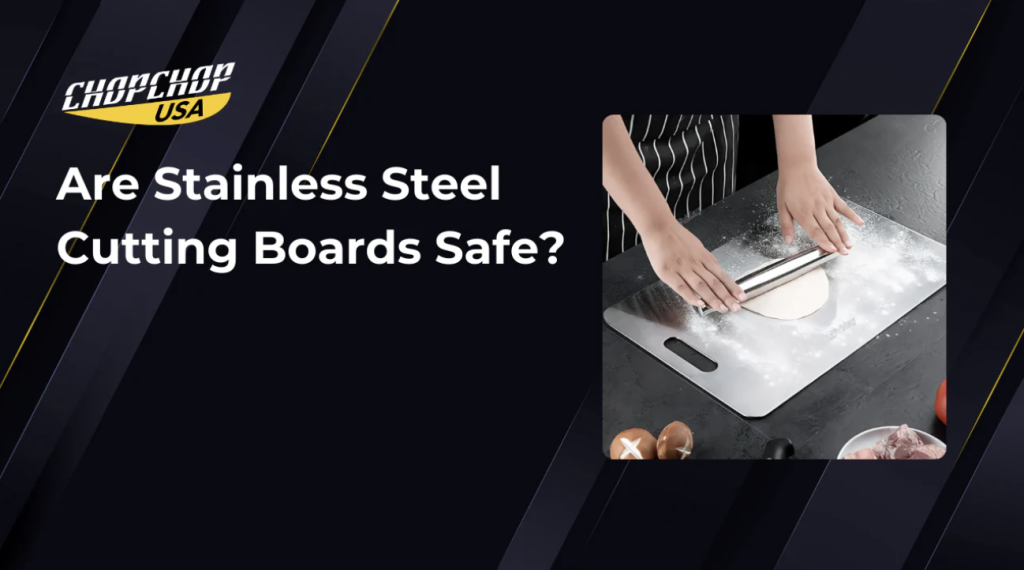
Are you wondering if stainless steel cutting boards are safe to use in your kitchen? Choosing the right cutting board is more important than you might think.
It affects not only your cooking but also your health. You want something durable, easy to clean, and safe for your food. But does stainless steel fit the bill? Keep reading to uncover the surprising facts about stainless steel cutting boards and find out if they are the best choice for you and your family’s safety.

Credit: www.amazon.ca
Benefits Of Stainless Steel Boards
Stainless steel cutting boards are popular in many kitchens. They offer many benefits that make food preparation easier and safer.
These boards are known for their strength and hygiene. They can be a smart choice for home cooks and chefs alike.
Durability And Longevity
Stainless steel boards last a long time. They do not crack or warp like wood or plastic boards.
The material resists scratches and dents, keeping the board smooth. This helps maintain a safe cutting surface.
- Strong and sturdy material
- Resistant to cracks and warping
- Maintains shape over time
Resistance To Bacteria
Stainless steel does not absorb liquids or food particles. This makes it hard for bacteria to grow on the surface.
The non-porous nature means less risk of cross-contamination. This helps keep your kitchen clean and safe.
- Non-porous surface stops bacteria growth
- Does not trap food particles
- Reduces risk of cross-contamination
Ease Of Cleaning
Cleaning stainless steel boards is quick and simple. They can be washed with soap and water without damage.
Many boards are dishwasher safe, saving time and effort. The smooth surface makes it easy to remove stains and odors.
- Easy to wash by hand or dishwasher
- Stains and odors do not stick
- Smooth surface cleans quickly
Health Concerns And Risks
Stainless steel cutting boards are popular in kitchens. They are known for durability and ease of cleaning.
It is important to understand the health concerns and risks that come with using them.
Potential For Knife Damage
Stainless steel cutting boards are very hard. This can cause knives to dull faster than with other boards.
Dull knives are less safe because they slip more easily. Sharp knives cut food cleaner and safer.
Metal Leaching Possibilities
Some worry that metal may leach from stainless steel into food. This risk is very low with good quality boards.
Acidic foods might increase metal release slightly. But normal use does not cause harmful effects for most people.
- Choose food-grade stainless steel for safety
- Avoid prolonged contact with very acidic foods
- Clean boards properly after use
Cross-contamination Issues
Cross-contamination happens when bacteria spread between foods. Stainless steel boards can hold bacteria in scratches.
Regular cleaning and sanitizing reduce this risk. Using separate boards for raw meat and vegetables helps too.
- Clean boards with hot soapy water after use
- Sanitize boards to kill bacteria
- Use different boards for raw and cooked foods
- Replace boards that have deep scratches
Comparison With Other Materials
Choosing the right cutting board affects kitchen safety and food quality. Stainless steel is one option among wood, plastic, and glass. Each material has unique features to consider.
This guide compares stainless steel cutting boards with others. It helps you understand their differences in safety, durability, and use.
Wood Vs Stainless Steel
Wood cutting boards are gentle on knives and have natural antimicrobial properties. Stainless steel boards are very durable but can dull knives faster.
- Wood absorbs juices, which may harbor bacteria if not cleaned well.
- Stainless steel resists stains and is easy to sanitize.
- Wood boards need more care to prevent cracking.
- Stainless steel boards are heavy and can be noisy during use.
Plastic Vs Stainless Steel
Plastic boards are lightweight and inexpensive. They come in various colors to avoid cross-contamination. Stainless steel boards last longer but are heavier.
| Feature | Plastic | Stainless Steel |
|---|---|---|
| Weight | Light | Heavy |
| Durability | Prone to cuts and grooves | Highly durable |
| Cleaning | Dishwasher safe | Easy to clean, resists stains |
| Knife Impact | Gentle | Can dull blades quickly |
| Bacteria Risk | Grooves can trap bacteria | Non-porous and hygienic |
Glass Vs Stainless Steel
Glass cutting boards look clean and are easy to sanitize. Stainless steel boards share similar hygiene benefits but differ in texture and durability.
- Glass boards are hard and can break or chip easily.
- Stainless steel boards will not crack or chip.
- Both materials resist stains and odors well.
- Glass is very hard on knives and dulls them fast.
- Stainless steel also dulls knives but is less fragile than glass.

Credit: www.amazon.ca
Expert Recommendations
Stainless steel cutting boards are popular for their durability and hygiene. Experts share advice to use and care for them safely.
Following expert tips helps keep your cutting board clean and in good condition for years.
Best Practices For Use
Use stainless steel cutting boards mainly for cutting cooked food or fruits. Avoid cutting raw meat directly on them.
Use separate boards for different food types to prevent cross-contamination.
- Cut on one side only to protect the surface
- Use sharp knives to reduce slipping and damage
- Clean immediately after use to avoid bacteria growth
Maintenance Tips
Wash stainless steel cutting boards with hot, soapy water after each use. Dry them completely to stop rust.
Do not use abrasive cleaners or steel wool. These can scratch the surface and trap bacteria.
- Sanitize with vinegar or a diluted bleach solution
- Rinse well after sanitizing to remove chemicals
- Store in a dry place to avoid moisture buildup
When To Replace
Replace your stainless steel cutting board if it becomes deeply scratched or warped. These flaws can hide bacteria.
Also replace the board if rust spots develop that you cannot clean off.
- Check for deep grooves regularly
- Look for signs of discoloration or corrosion
- Replace if cleaning no longer restores its surface
Choosing The Right Stainless Steel Board
Stainless steel cutting boards are a popular choice in kitchens. They are strong, easy to clean, and last a long time.
Picking the right board means looking at its grade, design, and price. These factors help you find a board that fits your needs.
Grades And Quality
Stainless steel boards come in different grades. The grade tells you how good the steel is and how it will hold up over time.
Look for food-safe grades like 304 or 316. These resist rust and do not react with food.
- 304 grade: Common and safe for most kitchens
- 316 grade: More resistant to corrosion
- Lower grades: May rust or stain faster
Design And Size Options
Cutting boards come in many shapes and sizes. Choose one that fits your kitchen space and cooking habits.
Some boards have handles or feet to prevent slipping. Others are flat for easy cleaning.
- Small boards: Good for quick tasks or small kitchens
- Large boards: Great for big meals and more space
- Textured surface: Helps keep food from sliding
- Smooth surface: Easier to clean but can be slippery
Price Considerations
Price varies by quality, size, and brand. High-quality steel costs more but lasts longer.
Set a budget but choose a board that meets your needs. A cheap board may wear out quickly.
- Low price: May have lower quality steel
- Mid price: Good balance of quality and cost
- High price: Best materials and build quality

Credit: www.amazon.com
Frequently Asked Questions
Are Stainless Steel Cutting Boards Safe For Food Prep?
Yes, stainless steel cutting boards are safe for food preparation. They are non-porous, which prevents bacteria absorption. They are durable and resistant to corrosion, ensuring a long lifespan. However, they can be harsh on knives, so regular knife maintenance is recommended.
Do Stainless Steel Cutting Boards Harbor Bacteria?
No, stainless steel cutting boards are non-porous and resist bacteria growth. Their smooth surface is easy to clean and sanitize. Regular cleaning with hot, soapy water helps maintain their hygienic properties. This makes them a safe option for food preparation.
Can Stainless Steel Boards Dull Knives?
Yes, stainless steel cutting boards can dull knives over time. Their hard surface is less forgiving on knife edges. Regular sharpening and proper knife maintenance can help mitigate this issue. Consider using a knife-friendly board for frequent chopping tasks.
How Do You Clean Stainless Steel Cutting Boards?
Cleaning stainless steel cutting boards is straightforward. Use hot, soapy water to wash them after use. They can also be sanitized with a mild bleach solution. Ensure boards are thoroughly dried to prevent water spots and maintain their pristine appearance.
Conclusion
Stainless steel cutting boards offer a safe and durable option. They resist bacteria and are easy to clean well. Unlike wood, they don’t absorb liquids or odors. They last long and do not wear down quickly. Using them properly helps keep your kitchen healthy.
Remember to wash boards after each use. Choose stainless steel for a hygienic cooking space. Safe, strong, and simple to care for. A smart choice for everyday food prep.