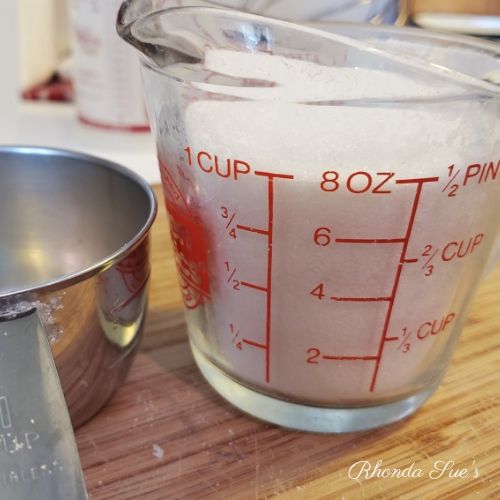
Are you ever unsure about how to measure 2 3 cup accurately when cooking or baking? Getting the right amount can make all the difference in your recipe’s success.
Whether you don’t have the exact measuring tool or just want a quick trick, this guide will help you master the measurement easily. By the end, you’ll feel confident and ready to tackle your next recipe without second-guessing your measurements.
Keep reading to find simple, practical tips that anyone can use!

Credit: rhondasues.com
Choosing The Right Tools
Measuring ingredients accurately is key for good cooking and baking. Using the right tools helps you get exact amounts.
This guide explains how to measure 2 3 cup with common kitchen tools. Learn about cups, scales, and spoons.
Types Of Measuring Cups
Measuring cups come in different materials and styles. Some are made of plastic, glass, or metal. They often have marks for cups, ounces, and milliliters.
- Dry measuring cups are best for flour, sugar, and dry ingredients.
- Liquid measuring cups have a spout and are good for water, milk, and oil.
- Some sets include fractional cups like 1/3 or 2/3 cup for exact measures.
Using Kitchen Scales
Kitchen scales give precise weight for ingredients. This method works well if you want to avoid volume differences.
| Measurement | Weight (grams) | Weight (ounces) |
| 2/3 Cup Flour | 85 grams | 3 ounces |
| 2/3 Cup Sugar | 135 grams | 4.8 ounces |
| 2/3 Cup Butter | 150 grams | 5.3 ounces |
Measuring Spoons For Precision
Measuring spoons help with small or precise amounts. They are useful for spices, baking powder, or vanilla extract.
- Use a 1 tablespoon or 1 teaspoon spoon for parts of a cup.
- Combine spoon measurements to reach 2/3 cup if no direct cup is available.
- Level off spoons with a flat edge for exact amounts.
Techniques For Measuring Dry Ingredients
Measuring dry ingredients correctly is important for good recipes. Using the right tools helps you get the best results. This guide explains simple ways to measure dry ingredients accurately.
Follow these methods to avoid mistakes and get the right amount every time. Measuring dry ingredients like flour, sugar, or spices can be easy with the right technique.
Spoon And Level Method
Use a spoon to fill the measuring cup lightly with the dry ingredient. Do not scoop directly with the cup. Then, use a flat edge to level off the excess. This method avoids packing the ingredient too tightly.
- Spoon the ingredient into the measuring cup gently.
- Do not shake or tap the cup to settle it.
- Use a knife or spatula to level the top evenly.
Packing Ingredients Correctly
Some ingredients need to be packed down to measure correctly. Brown sugar is one example. Press it firmly into the cup until no air gaps remain. This ensures you have the right weight.
| Ingredient | Measure Method | Notes |
|---|---|---|
| Brown Sugar | Pack firmly | Press down to remove air pockets |
| Flour | Spoon and level | Lightly fill, then level off |
| Cocoa Powder | Sift or spoon | Avoid packing to prevent clumps |
Avoiding Common Mistakes
Many cooks make errors when measuring dry ingredients. Avoid these mistakes to get better results in your recipes.
- Do not scoop flour directly with the cup; it packs too much.
- Use the right size measuring cup for the ingredient.
- Measure on a flat surface to keep the cup level.
- Do not shake or tap the cup to settle the ingredient.
- Check the measurement before adding to your recipe.
Measuring Liquid Ingredients
Measuring liquid ingredients correctly is important for cooking and baking. Using the right tools helps you get the best results.
This guide explains how to measure 2 3 cup of liquid ingredients easily and accurately.
Using Liquid Measuring Cups
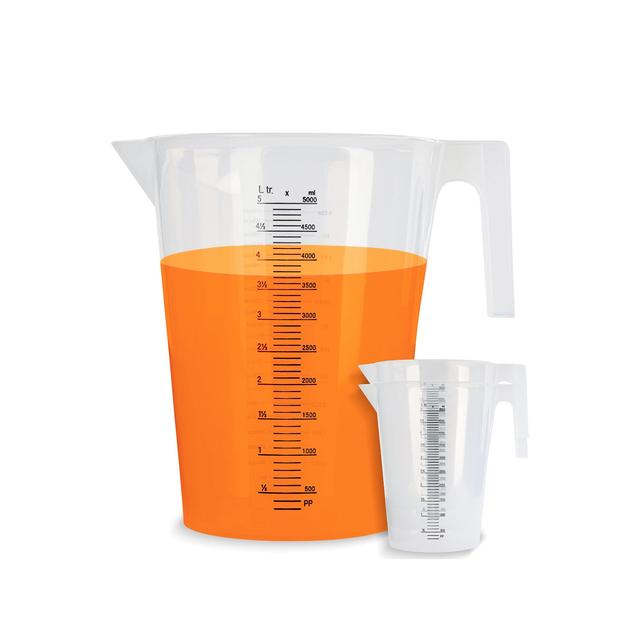
Use a liquid measuring cup made of glass or clear plastic. These cups have a spout for pouring and measurement marks on the side.
Pour the liquid slowly until it reaches the 2 3 cup mark. Avoid overfilling to keep your measurement exact.
Reading Measurements At Eye Level
Place the measuring cup on a flat surface. Bend down to look straight at the measurement marks.
Reading at eye level helps you see the liquid line correctly. This prevents errors caused by looking from above or below.
Handling Sticky Ingredients
Sticky liquids like honey or syrup can be hard to measure. Use a little oil or water on the cup before pouring sticky ingredients.
This helps the sticky liquid slide out easily. Use a spatula to scrape the cup if needed, so you get the full amount.
Converting Measurements
Measuring ingredients correctly is important in cooking and baking. Knowing how to convert between cups and grams helps you follow recipes well.
This guide explains how to convert 2 3 cup amounts and adjust measurements for different ingredients. You will also find tips using conversion charts.
From Cups To Grams
Cups measure volume, but grams measure weight. To convert 2 3 cup to grams, you need to know the ingredient’s density.
For example, 1 cup of flour is about 120 grams. So, 2 3 cup of flour equals roughly 80 grams.
Adjusting For Different Ingredients
Different ingredients have different weights in the same cup size. For example, sugar weighs more than flour.
- 2 3 cup of all-purpose flour = about 80 grams
- 2 3 cup of granulated sugar = about 135 grams
- 2 3 cup of butter = about 150 grams
- 2 3 cup of rolled oats = about 60 grams
Using Conversion Charts
Conversion charts help you quickly find the weight of 2 3 cup for many ingredients. They save time and improve accuracy.
| Ingredient | 2 3 Cup (grams) |
|---|---|
| Flour | 80 |
| Sugar | 135 |
| Butter | 150 |
| Oats | 60 |
| Rice | 130 |
Tips For Consistent Baking Results
Measuring ingredients correctly is key to good baking. Using 2 3 cup precisely helps your recipes turn out great every time.
Small mistakes in measuring can change the texture and taste. Follow these tips to keep your measurements accurate and reliable.
Calibrating Your Tools
Check your measuring cups and spoons for accuracy. Some tools can be off by a little, which affects your baking.
Use a kitchen scale to verify your measuring cups. Weigh dry ingredients and compare the results to the cup’s volume.
- Fill the cup with the ingredient.
- Weigh it on a scale.
- Compare to the standard weight for that ingredient.
- Adjust your measuring or use a scale if needed.
Storing Ingredients Properly
Keep your ingredients fresh by storing them in airtight containers. This prevents clumping and moisture buildup.
Store ingredients like flour and sugar in a cool, dry place. This helps maintain their texture and weight for accurate measuring.
- Use sealed containers for dry ingredients.
- Keep ingredients away from heat and sunlight.
- Label containers with dates to track freshness.
Maintaining Measurement Accuracy Over Time
Regularly clean your measuring tools to avoid leftover residue. Sticky or oily cups can change the amount you measure.
Replace old or damaged measuring cups. Warped or cracked tools do not hold the correct volume anymore.
- Wash measuring tools after each use.
- Check for cracks or warping regularly.
- Store tools in a dry place to avoid damage.

Credit: www.amazon.sa
Credit: www.accio.com
Frequently Asked Questions
What Is The Easiest Way To Measure 2/3 Cup?
The simplest method is using a 2/3 cup measuring tool. If unavailable, measure 1/3 cup twice. This ensures accuracy without guesswork. Always level off the top with a flat edge. Consistent measurement is key to culinary success.
Can I Use Tablespoons To Measure 2/3 Cup?
Yes, you can use tablespoons. There are 16 tablespoons in a cup. Therefore, 2/3 cup equals approximately 10. 67 tablespoons. Round to 11 tablespoons for simplicity. This method is handy when standard measuring cups aren’t available.
How Do I Measure 2/3 Cup Without Tools?
Use common household items to approximate 2/3 cup. A standard coffee mug holds about 1 cup. Fill it two-thirds full for an estimate. Alternatively, use a water bottle cap which is about 1 tablespoon. Repeat this process 11 times for precision.
Is 2/3 Cup The Same As 5.33 Ounces?
Yes, 2/3 cup is equivalent to 5. 33 fluid ounces. For dry ingredients, weigh them for accuracy. Different ingredients have different densities. Therefore, using a kitchen scale provides more precise results for baking and cooking needs.
Conclusion
Measuring 2 3 cup does not have to be hard. Use simple tools like a measuring cup or spoons. Fill slowly and check the level carefully. Practice helps to get better every time. Accurate measuring makes your cooking taste better.
Always measure ingredients before mixing. This small step improves your recipe results a lot. Keep these tips in mind for easy and correct measuring. Cooking becomes fun when you measure right. Try it yourself and see the difference today.