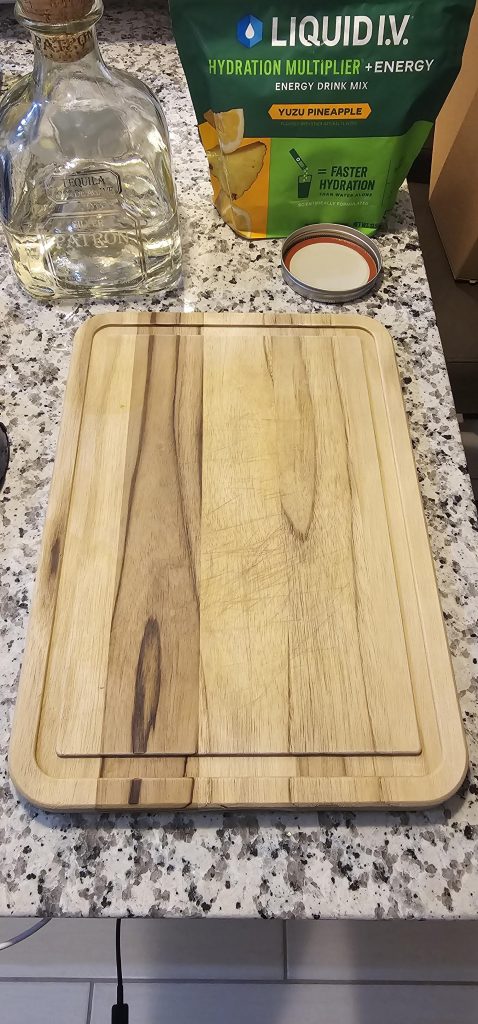
Are you wondering if your wooden cutting board is safe to toss in the dishwasher? It’s a common question because you want to keep your kitchen tools clean without ruining them.
You probably love the natural look and feel of your wooden board, but you might worry about cracks, warping, or bacteria buildup. What if the dishwasher could make cleaning easier without damaging your board? Keep reading to discover the truth about wooden cutting boards and dishwashers — and learn the best way to keep your board clean and lasting longer.

Credit: www.reddit.com
Wooden Cutting Boards And Dishwashers
Wooden cutting boards are popular in many kitchens. They are strong and look natural. Many people wonder if these boards can be cleaned in a dishwasher.
Dishwashers use hot water and strong detergents to clean dishes. This can affect wooden boards in several ways. Let’s look at the details.
Material Impact From Dishwasher Heat
Wood is sensitive to heat. The high temperature in dishwashers can cause wood to change. It may warp, crack, or lose its shape. These changes reduce the board’s life and usefulness.
Effects Of Water And Detergents
Water and detergents in dishwashers also harm wooden boards. Water can soak into the wood, making it swell or crack after drying. Detergents may strip away natural oils, causing the wood to dry out.
- Water can cause the wood to swell and crack.
- Detergents may remove oils and dry the wood.
- Strong cleaning agents can damage the wood surface.
- Repeated dishwasher cycles increase damage risk.
Common Misconceptions
Some people think wooden boards are safe in dishwashers because they look sturdy. Others believe dishwasher cleaning kills all germs better than hand washing. These ideas are not always true.
| Misconception | Truth |
|---|---|
| Dishwasher won’t damage wood | Heat and water cause warping and cracking |
| Dishwasher cleans better than hand washing | Hand washing with soap and water is safe and gentle |
| Oiling the board fixes all damage | Oiling helps but can’t repair cracks from dishwashers |

Credit: www.reddit.com
Risks Of Dishwashing Wooden Boards
Wooden cutting boards are popular in kitchens for their durability and style. Many wonder if it is safe to clean them in a dishwasher.
Dishwashing wooden boards can cause damage. This article explains the risks you might face when putting wood in a dishwasher.
Warping And Cracking Issues
Wood expands and contracts with heat and water. A dishwasher uses hot water and strong sprays that can harm wood.
Warping changes the shape of the board. Cracking breaks the surface and weakens the wood. Both make the board unsafe and less useful.
Loss Of Natural Oils
Wood contains natural oils that protect and keep it smooth. Dishwashing removes these oils fast.
- Wood dries out and becomes rough
- Surface is more likely to crack
- Board loses its shine and looks old
- More prone to stains and damage
Bacterial Growth Concerns
| Risk Factor | Explanation |
|---|---|
| Trapped Moisture | Cracks hold water, helping bacteria grow. |
| Dishwasher Heat | Heat may not kill all bacteria inside wood. |
| Surface Damage | Scratches and cracks create bacteria hiding spots. |
Safe Cleaning Alternatives
Wooden cutting boards are not dishwasher safe. The heat and water can crack and warp the wood. It is best to clean them carefully by hand.
There are safe ways to clean wooden cutting boards. These keep the board clean and last longer.
Hand Washing Techniques
Always wash wooden cutting boards right after use. Use warm water to rinse off food bits. Scrub the surface gently with a sponge or brush.
Dry the board with a clean towel. Let it air dry standing up to avoid moisture buildup.
Using Mild Soap And Warm Water
Use a mild dish soap that does not harm wood. Warm water helps remove grease and food stains. Avoid soaking the board in water.
Scrub both sides of the board with soapy water. Rinse well to remove all soap. Dry the board immediately after washing.
Sanitizing With Vinegar Or Lemon
Vinegar and lemon are natural cleaners. They kill bacteria without harsh chemicals. Use them regularly to keep your board fresh.
- Spray or wipe the board with white vinegar. Let it sit for a few minutes. Rinse and dry well.
- Rub the board with half a lemon. This removes odors and stains. Rinse with water and dry.
Maintaining Wooden Boards
Wooden cutting boards need special care to last long. Cleaning and maintaining them correctly keeps them safe to use.
Using a dishwasher can damage wooden boards. It causes cracks and warping. Proper maintenance helps your board stay strong.
Oiling And Conditioning Tips
Oiling your wooden board stops it from drying out and cracking. Use food-safe mineral oil or beeswax for best results.
Apply oil evenly and let it soak in. Wipe off any extra oil with a clean cloth. Do this once a month or when the board looks dry.
- Use food-safe mineral oil or beeswax
- Apply oil in a thin, even layer
- Let oil soak for several hours or overnight
- Wipe off extra oil with a soft cloth
- Oil the board monthly or as needed
Drying And Storage Advice
Always dry wooden boards after washing. Use a towel and air dry them standing up to prevent moisture buildup.
Store boards in a dry place with good air flow. Avoid stacking wet boards or placing them near heat sources.
- Dry board completely with a towel
- Air dry standing upright or on a rack
- Store in a dry, ventilated area
- Keep away from direct heat and sunlight
- Do not stack boards while wet
When To Replace Your Board
Check your board regularly for deep cracks or large cuts. These can harbor bacteria and make cleaning hard.
Replace the board if it warps or smells bad even after cleaning. Old boards can be unsafe for food preparation.
- Look for deep cracks or splits
- Watch for warping or bending
- Check for persistent bad odors
- Replace if cleaning does not remove stains
- Use a new board if old one feels rough or damaged
Choosing The Right Cutting Board
Choosing the right cutting board is important for your kitchen. It affects food safety and how long the board lasts.
Wooden, plastic, and bamboo boards each have different features. Knowing these helps you pick the best one.
Comparing Wood, Plastic, And Bamboo
Wood boards are gentle on knives and look natural. Plastic boards are lightweight and easy to clean. Bamboo boards are hard and eco-friendly.
- Wood: soft texture, lasts long, needs care
- Plastic: dishwasher-safe, may get knife marks
- Bamboo: hard surface, eco-friendly, less porous
Durability And Maintenance Needs
Wood boards can last many years if oiled regularly. They resist deep cuts but can crack if dry.
Plastic boards wear out faster and show scratches easily. They need regular washing to avoid stains and odors.
Bamboo boards are tough and resist water better than wood. They need occasional oiling to keep from drying out.
- Wood: oil monthly, hand wash only
- Plastic: easy clean, replace often
- Bamboo: oil sometimes, hand wash preferred
Suitability For Dishwasher Use
Wooden cutting boards should not go in the dishwasher. Heat and water can make wood crack and warp.
Plastic boards handle the dishwasher well. High heat cleans and sanitizes them easily.
Bamboo boards do not do well in dishwashers. They can lose shape and dry out quickly.
- Wood: hand wash only, avoid dishwasher
- Plastic: dishwasher safe
- Bamboo: hand wash to keep shape

Credit: www.amazon.com
Frequently Asked Questions
Can Wooden Cutting Boards Be Dishwashed?
Wooden cutting boards should not be placed in the dishwasher. The heat and water can cause warping and cracking. This leads to damage over time. Instead, hand wash them with warm, soapy water. Dry them immediately to maintain their longevity and appearance.
Why Does Dishwasher Damage Wooden Cutting Boards?
Dishwashers expose wooden boards to prolonged heat and moisture. This can cause the wood to warp and crack. The detergents used can also strip away the natural oils in the wood. This can lead to a rough and damaged surface.
How Should I Clean Wooden Cutting Boards?
To clean wooden cutting boards, use warm, soapy water and a sponge. Rinse thoroughly to remove all soap. Dry immediately with a towel to prevent moisture absorption. Regularly treat the board with mineral oil to maintain its condition and prevent drying out.
Can I Sanitize Wooden Cutting Boards?
Yes, you can sanitize wooden cutting boards. Use a solution of vinegar and water or hydrogen peroxide. Apply it to the board and let it sit for a few minutes. Rinse thoroughly with water and dry immediately.
Conclusion
Wooden cutting boards should not go in the dishwasher. The heat and water can cause wood to crack and warp. Hand wash your board with mild soap and warm water instead. Dry it quickly to keep it safe and clean.
Treat your wooden board with oil regularly to keep it strong. This care helps the board last longer and stay good for food. Keeping wooden boards dry and clean protects your kitchen tools well. Choose proper cleaning for wooden boards to avoid damage.