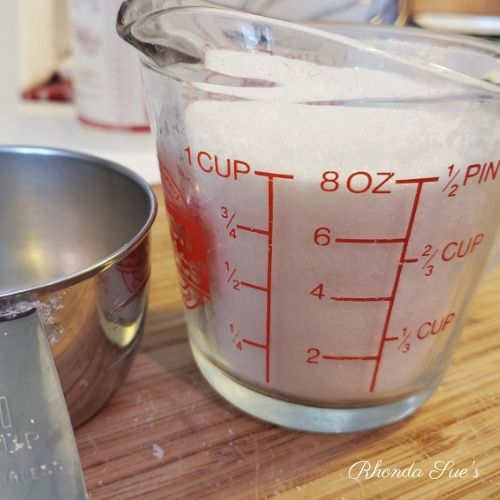
Have you ever started a recipe only to realize you don’t have a measuring cup? It can be frustrating when precision feels out of reach, but don’t worry—there are simple tricks you can use to measure your ingredients without one.
Whether you’re baking a cake or cooking dinner, knowing how to measure cups without a measuring cup can save your meal and your time. Keep reading, and you’ll discover easy, foolproof methods that anyone can use to get the perfect amount every time.
Your kitchen skills are about to get a serious upgrade!
Credit: www.walmart.com
Common Household Items As Measuring Tools
Not everyone has a measuring cup at home. You can use items in your kitchen to measure cups. These tools help with cooking and baking.
Using common items makes measuring easy and fast. Let’s look at how spoons, glasses, mugs, and containers can help.
Using Spoons For Accurate Measurement
Spoons are easy to find and can measure small amounts well. Tablespoons and teaspoons are the best choices.
- One tablespoon is about 15 milliliters.
- Three teaspoons equal one tablespoon.
- Sixteen tablespoons make one cup.
Measuring With Glasses And Mugs
Glasses and mugs vary in size but can still measure cup amounts. Use water or rice to fill and compare.
| Item | Approximate Volume |
| Standard drinking glass | 1 cup (240 ml) |
| Small coffee mug | 3/4 cup (180 ml) |
| Large coffee mug | 1 to 1.5 cups (240-360 ml) |
Utilizing Food Containers
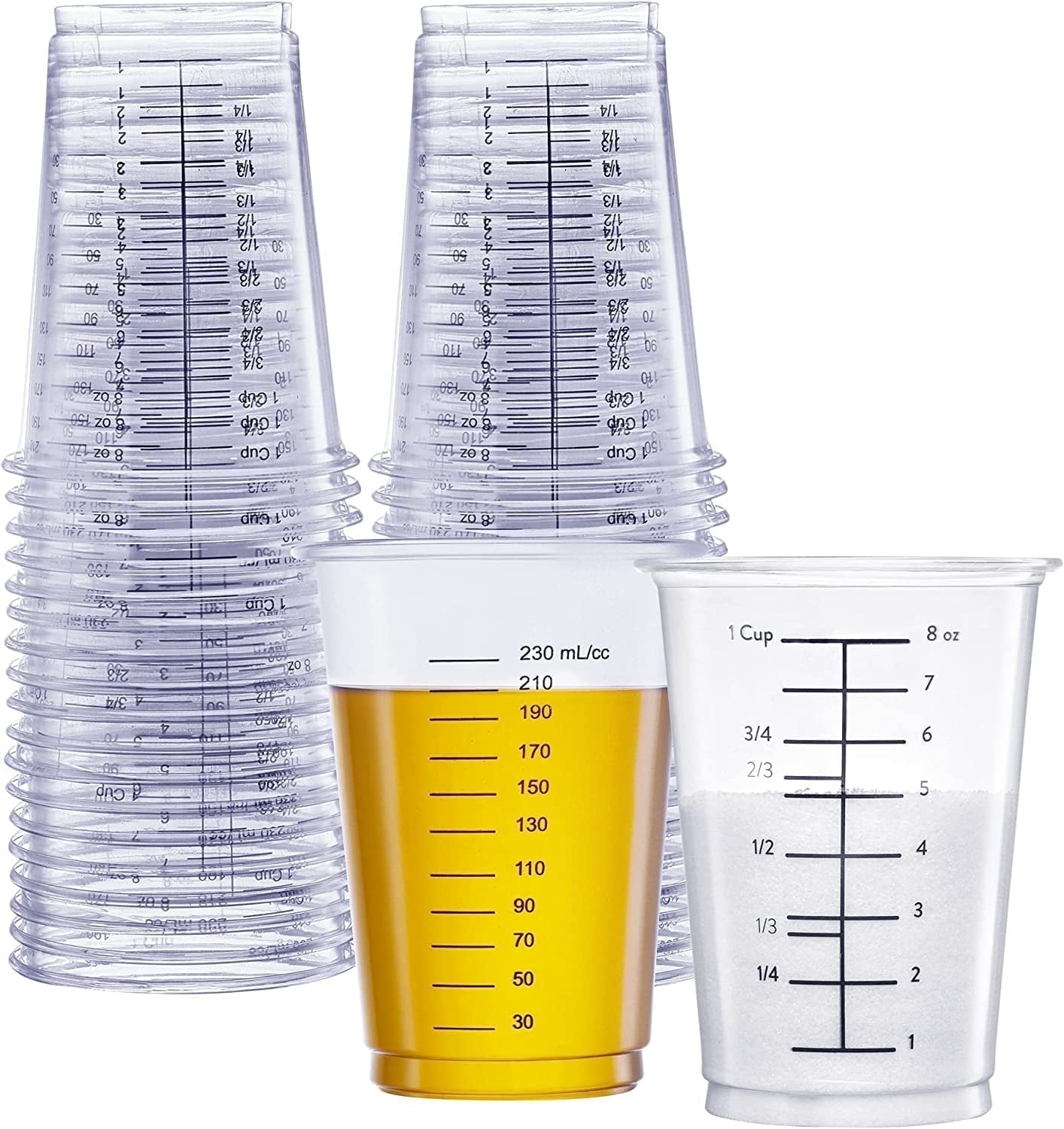
Food containers often show volume on their sides. Use these markings to measure cups easily.
Common container volumes:
- Yogurt cups: usually 1 cup (240 ml)
- Takeout boxes: may have 2 cups (480 ml) or more
- Plastic storage containers: often marked with ml or cups

Credit: rhondasues.com
Diy Measuring Techniques
Measuring cups are common in the kitchen, but you can measure without them. Simple tools and tricks help you get the right amount.
These DIY techniques work well for dry and liquid ingredients. Use what you have at home to keep cooking easy and accurate.
Filling And Leveling Method
Use a regular container like a glass or small bowl to measure. Fill it with the ingredient, then level it off with a straight edge.
For dry items, scoop and fill the container. Then, use a knife or spatula to scrape off the top so it is flat.
- Choose a container with a known volume if possible
- Fill ingredient slightly over the top
- Use a flat tool to level the ingredient
- Compare to common household items for reference
Weight-based Estimation
A kitchen scale helps measure ingredients by weight. If you don’t have one, estimate using known weights of common items.
For example, a tablespoon of flour weighs about 8 grams. You can use coins or packaged food as a reference to guess weight.
- Use items with known weights like coins or packets
- Estimate ingredient weight by comparing size and density
- Adjust your amount based on texture and consistency
Visual Portioning Tricks
Use everyday objects to estimate portions. This helps when you need to measure cups but have no tools.
For example, a fist is about one cup, and a thumb tip is about one tablespoon. These comparisons make measuring quick and simple.
- A fist equals roughly 1 cup of dry ingredients
- A thumb tip is about 1 tablespoon
- A palm size is close to 3 ounces of meat
- Use your hand shapes to guess liquid amounts in a glass
Converting Measurements For Precision
Measuring cups are common in the kitchen. Sometimes, you may not have one at hand. You can still measure ingredients accurately by converting measurements.
Understanding how to convert volume to weight helps keep your cooking precise. This guide shows how to convert using standard ingredient densities.
Volume To Weight Conversions
Volume measures the space an ingredient takes. Weight measures how heavy it is. Different ingredients have different weights for the same volume.
To convert volume to weight, multiply the volume by the ingredient’s density. This helps get the exact amount without a measuring cup.
- Find the volume in cups, tablespoons, or teaspoons
- Know the density of the ingredient (weight per volume)
- Multiply volume by density to get weight in grams or ounces
Using Standard Ingredient Densities
Each ingredient has a typical density you can use for conversions. These densities help you measure without special tools.
| Ingredient | Density (g per cup) | Density (oz per cup) |
|---|---|---|
| All-purpose flour | 120 | 4.2 |
| Sugar (granulated) | 200 | 7.1 |
| Butter | 227 | 8 |
| Milk | 240 | 8.5 |
| Honey | 340 | 12 |
Use these densities to find the weight for a volume you need. For example, 1 cup of flour weighs about 120 grams.
Tips For Consistency And Accuracy
Measuring ingredients without a cup can be tricky. Using simple tools and tricks helps keep your measurements consistent.
Accuracy matters in cooking and baking. Small mistakes can change the taste or texture of your dish.
Calibrating Your Diy Tools
Use common household items to measure ingredients when you don’t have a cup. First, calibrate these tools for better accuracy.
Fill a container with water using a known measurement, like a tablespoon or teaspoon. Mark the level to know how much it holds.
- Use a clean jar or cup for marking levels
- Measure water with spoons or a kitchen scale
- Mark the container with a permanent marker or tape
- Label the marks with the volume they represent
Avoiding Common Measurement Mistakes
Many people pack ingredients too tightly or use uneven scoops. These mistakes cause wrong amounts in recipes.
Use a flat edge to level off dry ingredients like flour and sugar. This helps keep your amounts consistent.
- Do not shake or tap the container after filling
- Use the same tool every time for each ingredient
- Measure liquids at eye level on a flat surface
- Check for spills or residue on your measuring tools
When To Invest In Measuring Tools
Measuring cups help you cook and bake accurately. Sometimes you may not have one at home. You can still measure ingredients without a measuring cup.
But knowing when to buy a measuring cup is important. It saves time and makes your recipes turn out better.
Benefits Of Proper Measuring Cups
Measuring cups give exact amounts of ingredients. This helps your food taste just right every time.
They also save you from guessing and making mistakes. Using the right tools makes cooking easier and less stressful.
- Accurate ingredient amounts for better recipes
- Consistent results in cooking and baking
- Faster preparation without guesswork
- Less waste of ingredients
- Easy to clean and store
Affordable Measuring Alternatives
You do not need to buy expensive tools right away. There are simple ways to measure without a cup.
Using common kitchen items can work well for small amounts. These alternatives help you save money and still cook well.
- Use tablespoons and teaspoons for small amounts
- Fill a regular drinking glass and divide into parts
- Use a kitchen scale for weight measurement
- Compare ingredients to a known size (like a golf ball)
- Use your hand as a rough guide for volume

Credit: thehungryequestrian.com
Frequently Asked Questions
How Can I Measure A Cup Without Tools?
You can use common items to estimate a cup. A coffee mug or a yogurt container usually holds about a cup. You can also use your hand; a closed fist is roughly equal to one cup. These methods are not precise but work in a pinch.
What Is The Easiest Way To Measure A Cup?
Using visual estimation with everyday objects is easiest. A standard coffee mug often holds around a cup. Alternatively, fill a medium-sized apple with water and transfer it to another container. This method provides a simple and effective way to approximate a cup measurement.
Can I Use A Tablespoon To Measure A Cup?
Yes, you can use a tablespoon to measure a cup. A standard cup equals 16 tablespoons. To measure a cup, fill the tablespoon 16 times with the ingredient. This method is accurate and useful when other measuring tools are unavailable.
Is Using A Scale Better For Measuring Cups?
Using a scale can provide more accuracy. One cup of water weighs about 236 grams. Weighing your ingredients ensures precision, especially for baking. This method is reliable if you prefer exact measurements over estimation. Always consider the ingredient’s weight as it varies with different substances.
Conclusion
Measuring a cup without a measuring cup is easy and practical. Use common kitchen tools like spoons or containers you know well. Trust your eyes and simple math for good estimates. Practice helps you get better every time you cook or bake.
These tips save time and keep cooking fun. Now, you can measure ingredients with confidence anywhere. No need to worry about exact tools. Just enjoy making your favorite recipes with what you have. Simple, quick, and effective.