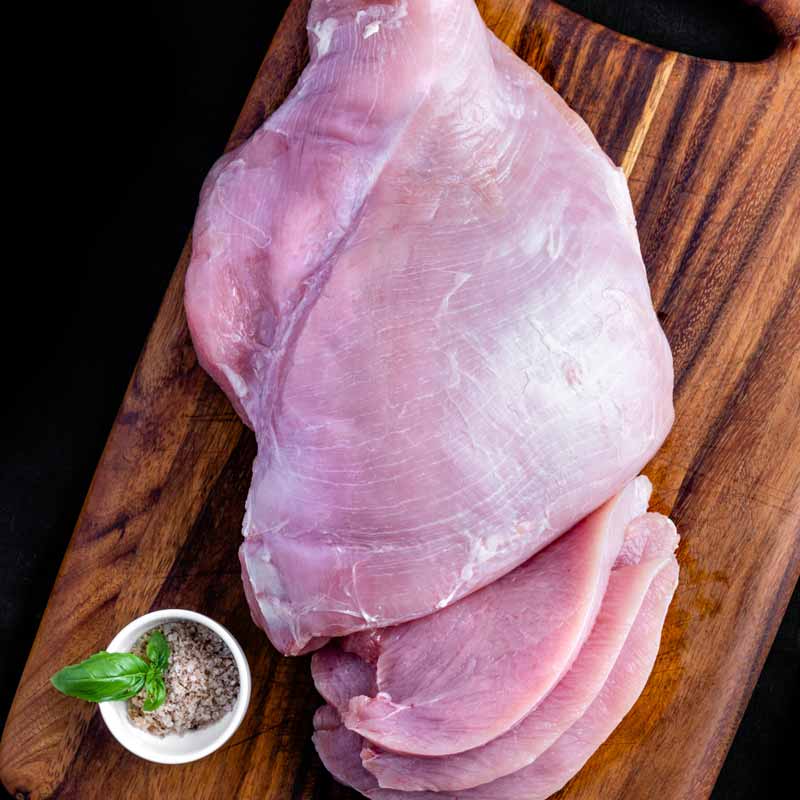
You just finished cutting raw chicken, and now you’re staring at your cutting board wondering how to clean it safely. You know it’s important to avoid germs, but are you sure you’re doing it right?
One wrong step can leave harmful bacteria behind, putting your health at risk. You’ll discover simple and effective ways to clean your cutting board after raw chicken. Follow these easy tips to keep your kitchen safe and your meals healthy.
Keep reading—you’ll be glad you did.
Credit: www.thekitchn.com
Risks Of Raw Chicken Contamination
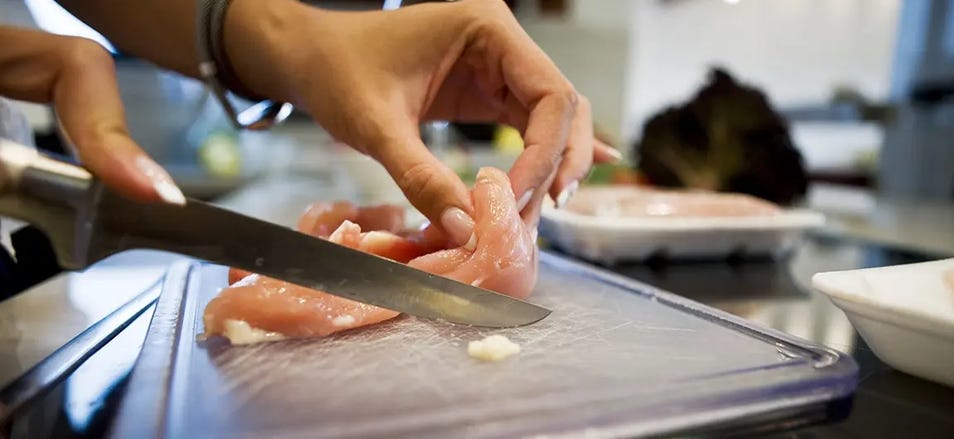
Raw chicken often carries harmful germs. These germs can spread to your cutting board. If you do not clean well, they may cause illness.
It is important to clean cutting boards properly after cutting raw chicken. This stops germs from spreading to other foods.
Common Bacteria On Raw Chicken
Raw chicken can have bacteria that cause food poisoning. These bacteria grow on the meat and can transfer to surfaces.
- Salmonella:This bacteria causes stomach cramps, diarrhea, and fever.
- Campylobacter:It leads to diarrhea, vomiting, and fever.
- Clostridium perfringens:This bacteria causes food poisoning with cramps and diarrhea.
Health Hazards From Improper Cleaning
If you do not clean cutting boards well, bacteria stay on the surface. These germs can spread to other foods and cause sickness.
Eating food contaminated by raw chicken germs can cause:
- Food poisoning
- Severe stomach pain
- Diarrhea and vomiting
- Fever and dehydration
Credit: www.thekitchn.com
Choosing The Right Cleaning Tools
Cleaning a cutting board after cutting raw chicken is very important. The right tools help remove bacteria and keep your kitchen safe.
Using the correct brushes and sponges makes cleaning easier and more effective. It also protects your cutting board from damage.
Types Of Cutting Boards
Cutting boards come in different materials. Each type needs special care and cleaning tools.
- Wooden boards:Strong but absorb liquids. Use gentle brushes to avoid scratches.
- Plastic boards:Easy to clean and dishwasher safe. Use firm brushes to scrub well.
- Bamboo boards:Hard and less porous. Clean with soft sponges to keep surface smooth.
- Composite boards:Made from resin and wood fibers. Use mild cleaning tools to protect them.
Recommended Brushes And Sponges
Choose brushes and sponges that clean well and do not harm the board’s surface. Avoid tools that can cause scratches.
- Nylon brushes:Durable and good for tough stains on plastic boards.
- Soft-bristle brushes:Best for wooden and bamboo boards to avoid damage.
- Non-abrasive sponges:Clean gently without scratching any board type.
- Scrub pads with handles:Useful for deep cleaning, especially on plastic boards.
Step-by-step Cleaning Process
Cleaning a cutting board after cutting raw chicken is very important. Proper cleaning removes harmful bacteria. Follow these steps carefully to keep your kitchen safe.
This guide shows how to clean your cutting board in three clear parts. Each part helps make sure your board is clean and safe to use again.
Initial Rinsing
Start by rinsing the cutting board with warm water. This removes chicken juices and loose bits. Do not use cold water because it does not clean well.
Washing With Soap And Hot Water
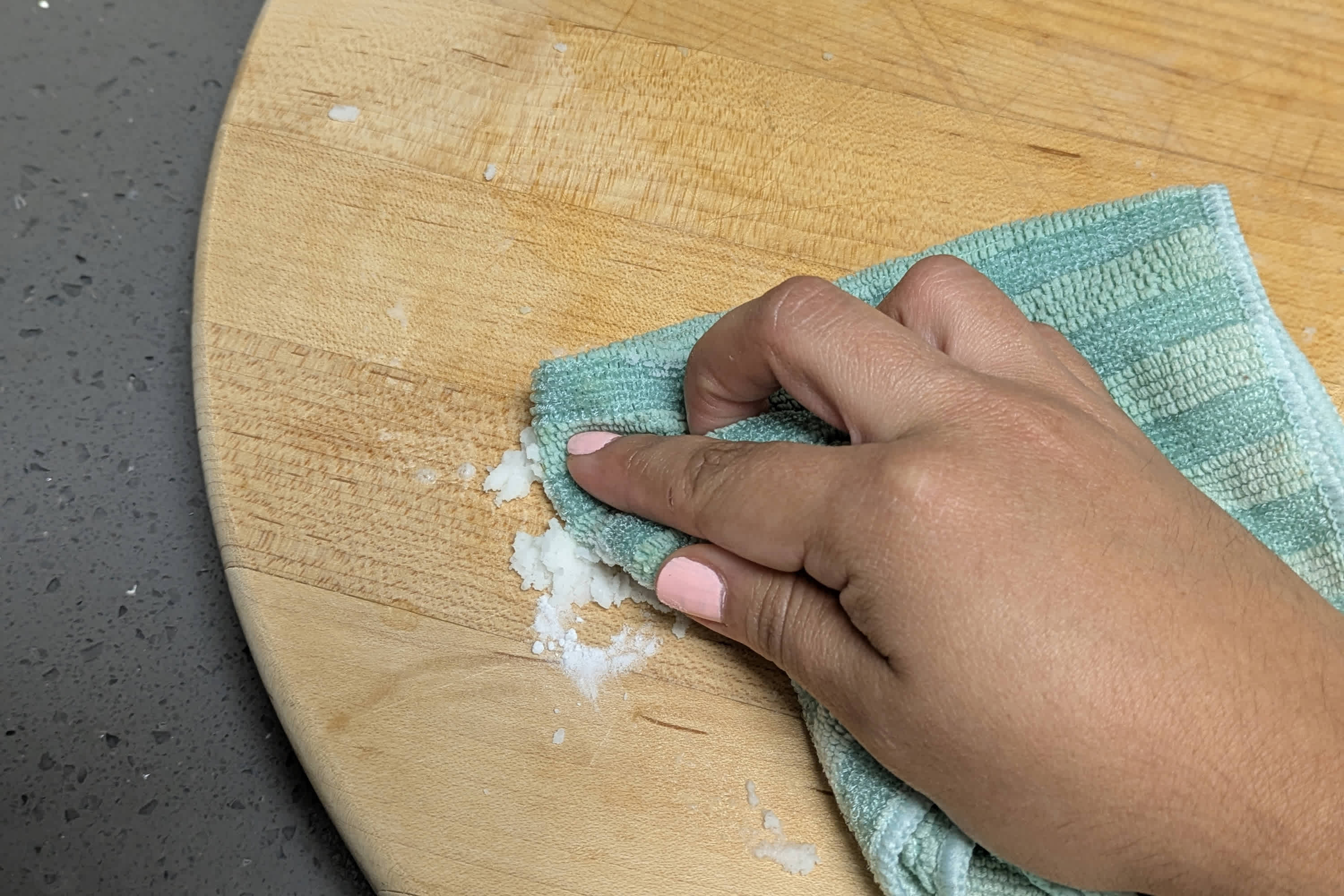
Next, wash the board with soap and hot water. Use a scrub brush or sponge for better cleaning. Clean both sides of the board.
- Apply dish soap on the board.
- Scrub all surfaces thoroughly.
- Rinse with hot water.
- Check for any remaining stains or residue.
- Repeat if necessary.
Sanitizing Techniques
Sanitizing kills germs left after washing. You can use a bleach solution or vinegar for this step. Follow safety rules for the best results.
| Sanitizer | Instructions |
| Bleach Solution | Mix 1 tablespoon bleach with 1 gallon water. Soak board for 2 minutes. Rinse well. |
| White Vinegar | Spray vinegar on board. Let sit 5 minutes. Rinse with water. |
Natural Disinfectants To Use
Cleaning a cutting board after cutting raw chicken is very important. Using natural disinfectants helps remove germs safely.
These natural options are easy to find and gentle on your cutting board. They kill bacteria without harsh chemicals.
Vinegar Solutions
White vinegar is a strong natural cleaner. It kills many types of bacteria on cutting boards.
To use, mix equal parts of water and vinegar. Spray or wipe the solution on the board, then let it sit for a few minutes.
- Vinegar is safe and non-toxic
- It removes odors from raw chicken
- Helps break down food stains
Hydrogen Peroxide
Hydrogen peroxide works as a natural disinfectant. It kills bacteria and viruses quickly.
Pour 3% hydrogen peroxide on the cutting board. Let it sit for several minutes, then rinse with water.
- Safe for kitchen use in low concentration
- Helps remove stains and germs
- Does not leave harmful residues
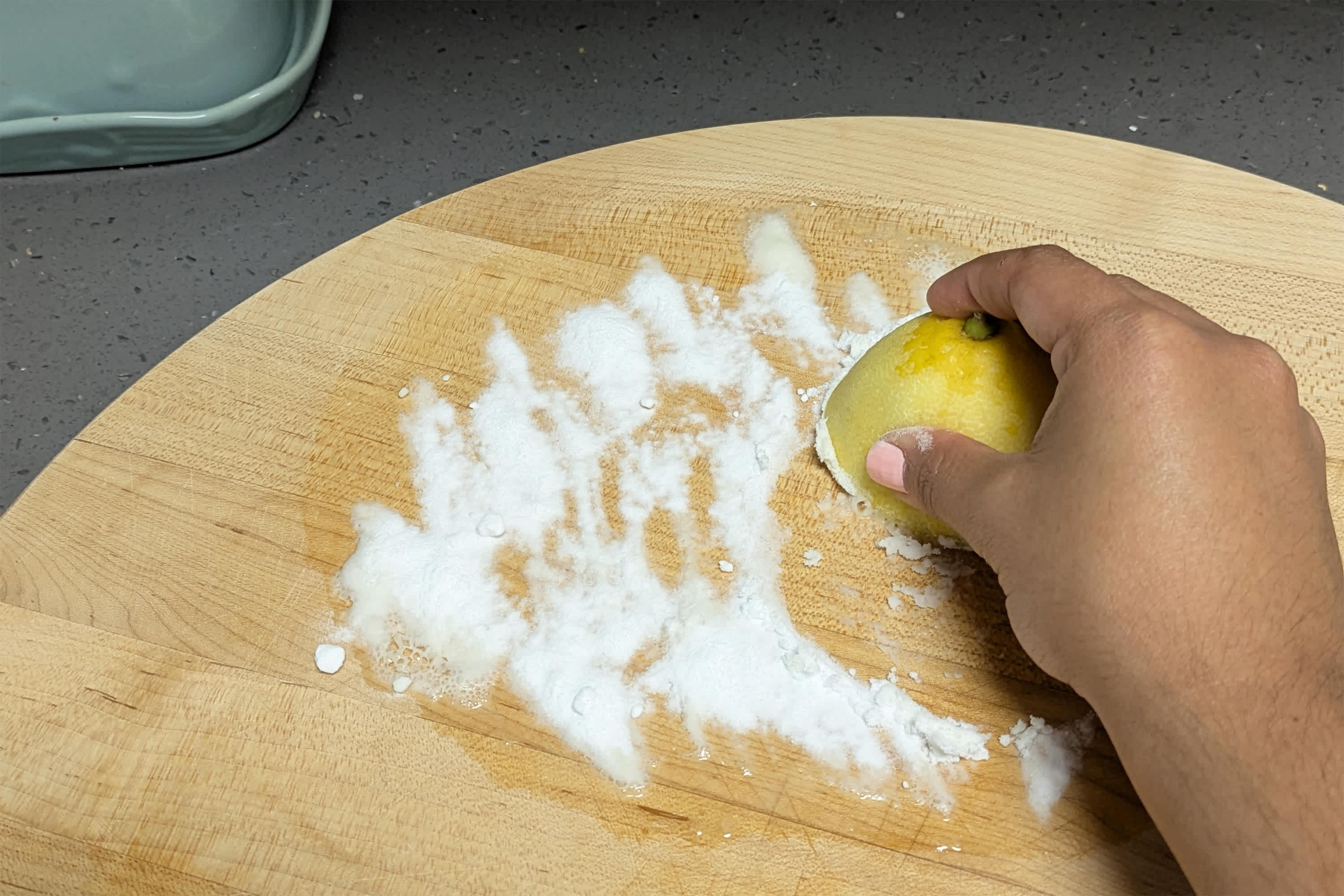
Lemon Juice Benefits
Lemon juice is a natural acid that kills bacteria. It also freshens the cutting board’s smell.
Rub fresh lemon juice on the board. Let it sit for five minutes, then rinse with warm water.
- Natural deodorizer
- Helps break down grease
- Safe and gentle on wood boards
Drying And Storing The Board
Cleaning a cutting board after cutting raw chicken is important. Drying and storing it right keeps it safe and clean.
Proper drying stops bacteria from growing. Safe storage keeps your board fresh for the next use.
Proper Drying Methods
After washing, dry your cutting board well. Use a clean towel or let it air dry in a vertical position.
Make sure both sides are dry before storing. This helps stop mold and bacteria growth on the board.
- Use a clean, dry towel to wipe the board
- Stand the board upright to air dry
- Avoid stacking boards while wet
- Let the board dry completely before putting away
Safe Storage Tips
Store your cutting board in a dry place with good air flow. Avoid damp or enclosed spaces to keep it fresh.
Keep the board away from heat sources and direct sunlight. Use a rack or hook to prevent moisture buildup.
- Place the board in a dry, ventilated area
- Use a rack or hang it to air out
- Do not store near the sink or stove
- Check the board regularly for cracks or damage
Avoiding Cross-contamination
Cleaning a cutting board after cutting raw chicken is very important. It stops bacteria from spreading to other foods.
Cross-contamination can cause food poisoning. You must clean and handle boards carefully to keep food safe.
Separate Boards For Meat And Vegetables
Use different cutting boards for raw meat and vegetables. This keeps harmful bacteria from mixing with fresh foods.
Label your boards or use different colors to avoid mistakes. Always wash boards well after use.
- Keep one board for raw chicken and meat only
- Use another board for vegetables and fruits
- Wash boards thoroughly after each use
Regular Inspection For Damage
Check your cutting boards often for cracks or deep cuts. These can hold bacteria and are hard to clean.
Replace boards that have too much damage. Using smooth boards helps keep food safe and makes cleaning easier.
- Look for cracks, grooves, or deep cuts
- Replace boards if they are damaged
- Choose boards made from easy-to-clean materials
When To Replace Your Cutting Board
Cutting boards wear out after repeated use. It is important to know when to replace them. This helps keep your kitchen safe and clean.
Raw chicken can leave bacteria in tiny cuts on the board. Over time, these cuts grow and become harder to clean.
Signs Of Wear And Tear
Look closely at your cutting board for damage. Deep grooves and cracks can trap bacteria. If the board is hard to clean, it may be time to replace it.
- Large knife marks or deep grooves
- Cracks or splits in the board
- Warping or bending of the board
- Discoloration or stains that won’t wash off
- Rough or splintered surface
Health Risks Of Old Boards
Old cutting boards can hold dangerous germs. These germs can cause food poisoning. Raw chicken is a common source of bacteria like Salmonella.
| Risk | Description |
| Bacterial Growth | Deep cuts trap bacteria that multiply quickly. |
| Cross-Contamination | Bacteria spread to other foods causing illness. |
| Food Poisoning | Consuming contaminated food can cause sickness. |
| Hard to Clean | Old boards may not sanitize well even after washing. |
Credit: www.lysol.com
Frequently Asked Questions
How Do I Disinfect A Cutting Board?
To disinfect a cutting board after cutting raw chicken, wash it with hot soapy water first. Then, use a mixture of one tablespoon of bleach to one gallon of water. Rinse thoroughly with water and let it air dry. This ensures your cutting board is free from harmful bacteria.
Can Vinegar Clean A Cutting Board?
Yes, vinegar can clean a cutting board effectively. After washing with soap and water, spray white vinegar onto the board. Let it sit for a few minutes, then rinse thoroughly. Vinegar’s acidic nature helps kill bacteria and removes lingering odors, making your cutting board safe to use again.
How Often Should I Sanitize My Cutting Board?
Sanitize your cutting board after each use, especially when cutting raw chicken. This prevents cross-contamination and ensures food safety. Regular cleaning with soap and hot water is essential. For deeper cleaning, use a bleach solution or vinegar weekly. Keeping your cutting board clean extends its lifespan and maintains hygiene.
Is It Safe To Use The Dishwasher?
Yes, using a dishwasher is safe for some cutting boards, like plastic ones. However, wooden boards might warp or crack. Always check the manufacturer’s instructions first. If dishwasher-safe, ensure your cutting board is placed securely. High temperatures and detergents effectively sanitize, making it a convenient cleaning option.
Conclusion
Cleaning your cutting board after raw chicken is very important. Use hot, soapy water right after cutting. Scrub well to remove all germs and bits. Rinse with clean water and dry fully. A clean board keeps your kitchen safe and healthy.
Simple steps make a big difference every time. Keep these tips in mind for your next meal. Safe cooking starts with a clean cutting board. Easy and quick. You’ve got this!