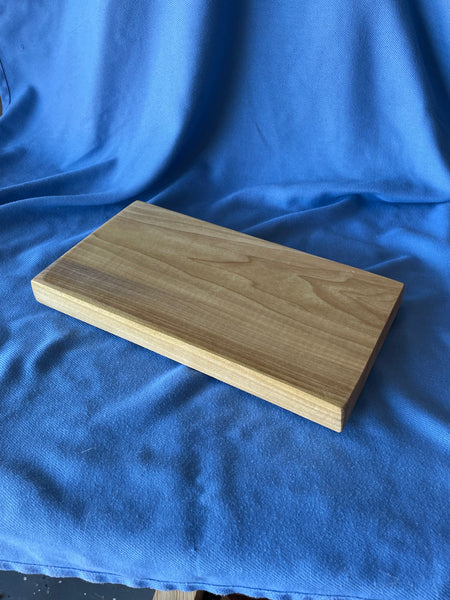
Are you thinking about making your own cutting board or choosing the right wood for your kitchen? You might have come across poplar and wondered, “Is poplar good for cutting boards?” The answer isn’t as simple as it seems.
Your cutting board needs to be durable, safe, and easy to clean. Choosing the wrong wood could mean your board wears out quickly or even harms your knives. Keep reading to discover if poplar is the smart choice for your kitchen and what you should consider before making your decision.
Poplar Wood Basics
Poplar wood is a popular choice for many woodworking projects. It is known for its light color and smooth texture. Many people wonder if poplar is good for cutting boards.
This wood is easy to work with and affordable. Understanding its characteristics helps decide if it suits your needs.
Characteristics Of Poplar
Poplar wood is soft compared to hardwoods like maple or walnut. It has a pale yellow to light green color with some streaks. The grain is straight and fine, giving a smooth finish.
- Lightweight and easy to cut
- Soft and less durable
- Absorbs stains unevenly
- Affordable and widely available
- Not very resistant to moisture
Common Uses Of Poplar
Poplar is used for many indoor projects. It is common in furniture, trim, and painted items because of its smooth surface.
| Use | Reason |
| Furniture frames | Lightweight and easy to shape |
| Painted cabinets | Accepts paint well |
| Interior trim | Smooth texture and low cost |
| Cutting boards | Less durable, not ideal for heavy use |
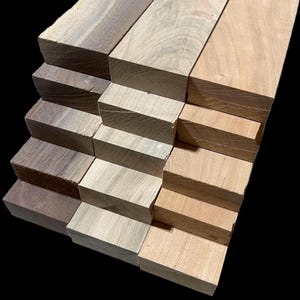
Credit: www.etsy.com
Poplar For Cutting Boards
Poplar wood is sometimes used to make cutting boards. It is a soft hardwood that looks nice and is affordable.
This wood has some good qualities but also some limits for kitchen use. Let’s see how it works as a cutting board.
Durability And Hardness
Poplar is softer than many hardwoods used for cutting boards. It can get dents and scratches easier.
It may not last as long as harder woods like maple or walnut. It is best for light use or decorative boards.
Resistance To Moisture
Poplar absorbs water more than denser woods. This can cause it to warp or swell over time.
Regular oiling can help protect the wood. It is not the best choice for very wet environments.
Impact On Knife Blades
Poplar is softer on knives than hard woods. This helps keep blades sharp longer.
Soft wood means knives will cut easily without dulling fast. But the board may show cuts quickly.
Health And Safety Factors
Choosing the right wood for cutting boards matters for health and safety. Poplar wood is a common choice. It is important to look at its properties that affect food safety.
This section discusses poplar’s non-toxic nature and its resistance to bacteria. These factors help you decide if poplar is safe for your kitchen.
Non-toxic Properties
Poplar wood does not release harmful chemicals or toxins. It is safe to use with food because it does not contain natural poisons. This makes it a good choice for cutting boards.
- Free from harmful resins and oils
- Does not cause allergic reactions for most people
- Safe for contact with fruits, vegetables, and meats
- Easy to clean and maintain without toxic cleaners
Bacterial Resistance
Poplar wood has moderate resistance to bacteria. It does not stop bacteria completely but can limit their growth if cleaned well. Proper care keeps the board safe.
| Factor | Poplar Wood | Other Woods |
| Porosity | Moderate | Low to High |
| Absorbs moisture | Yes, slightly | Varies |
| Bacterial growth | Moderate if cleaned | Varies |
| Easy to sanitize | Yes | Depends on wood type |

Credit: brokenbrainwoodworking.com
Benefits Compared To Other Woods
Poplar wood is a popular choice for cutting boards. It has some unique benefits compared to other woods. These benefits make it a practical option in many kitchens.
Poplar is softer than hardwoods like maple or walnut. This softness helps protect knives from dulling quickly. It also has a smooth texture and light color that many people like.
Cost-effectiveness
Poplar is usually cheaper than hardwoods used for cutting boards. This makes it a good choice for people on a budget. You can get a good cutting board without spending a lot.
Its lower price does not mean low quality. Poplar still offers good durability for regular kitchen use. It is a great option for cost-conscious buyers.
Sustainability And Availability
Poplar trees grow quickly and are widely available. This makes poplar wood a sustainable choice. It is easier to replace than slow-growing hardwoods.
Using poplar wood helps reduce pressure on rare and expensive woods. It is a smart choice for those who want to protect the environment.
Maintenance Tips For Poplar Boards
Poplar wood is a popular choice for cutting boards. It is soft but durable. Proper care keeps your board safe and lasting longer.
Follow simple maintenance tips to keep your poplar cutting board clean and strong. This guide helps you care for your board well.
Cleaning And Care
Clean your poplar cutting board after each use. Use mild soap and warm water. Avoid soaking the board in water.
Dry the board quickly with a towel. Leave it to air dry standing up. This stops moisture from damaging the wood.
- Wash with mild soap and warm water
- Do not soak in water or put in dishwasher
- Dry immediately with a clean towel
- Store standing to air dry fully
Longevity Enhancement
Keep your poplar board in good shape by oiling it regularly. Use food-safe mineral oil or beeswax. This prevents the wood from drying out.
Apply oil once a month or when the board looks dry. Rub oil evenly and let it soak overnight. Wipe off excess oil before use.
- Use food-safe mineral oil or beeswax
- Oil the board monthly or when dry
- Rub oil all over the surface
- Let oil soak overnight
- Wipe off extra oil before using

Credit: www.clinescraftedwoodworking.com
Frequently Asked Questions
Is Poplar Suitable For Cutting Boards?
Poplar is not the best choice for cutting boards. It’s a soft wood and can dent easily. This makes it less durable compared to harder woods like maple or walnut. However, it is affordable and lightweight, which might be suitable for decorative purposes.
Does Poplar Wood Have Antibacterial Properties?
Poplar wood does not have strong antibacterial properties. Hardwoods like maple are better for cutting boards. They have tighter grains, which help resist bacteria. Always clean and maintain your cutting board properly to ensure hygiene, regardless of the wood type.
How Does Poplar Compare To Maple For Cutting Boards?
Poplar is softer and less durable than maple. Maple is a hardwood with a tighter grain, making it ideal for cutting boards. It resists cuts and scratches better than poplar. If durability and longevity are your priorities, maple is a superior choice.
Is Poplar Wood Food-safe For Kitchen Use?
Poplar is generally food-safe but not ideal for cutting boards. Its softness leads to quicker wear and tear. This can increase the risk of harboring bacteria. For kitchen use, choose a harder wood like maple or walnut for better safety and durability.
Conclusion
Poplar makes a decent choice for cutting boards. It is soft but still holds up well. Easy to clean and gentle on knives. Not as durable as hardwood, but affordable. Perfect for light kitchen tasks or beginner cooks. Choose poplar if you want a budget-friendly option.
Just avoid heavy chopping or wet conditions. Overall, poplar cutting boards offer good value and function. A simple, practical choice for everyday use.