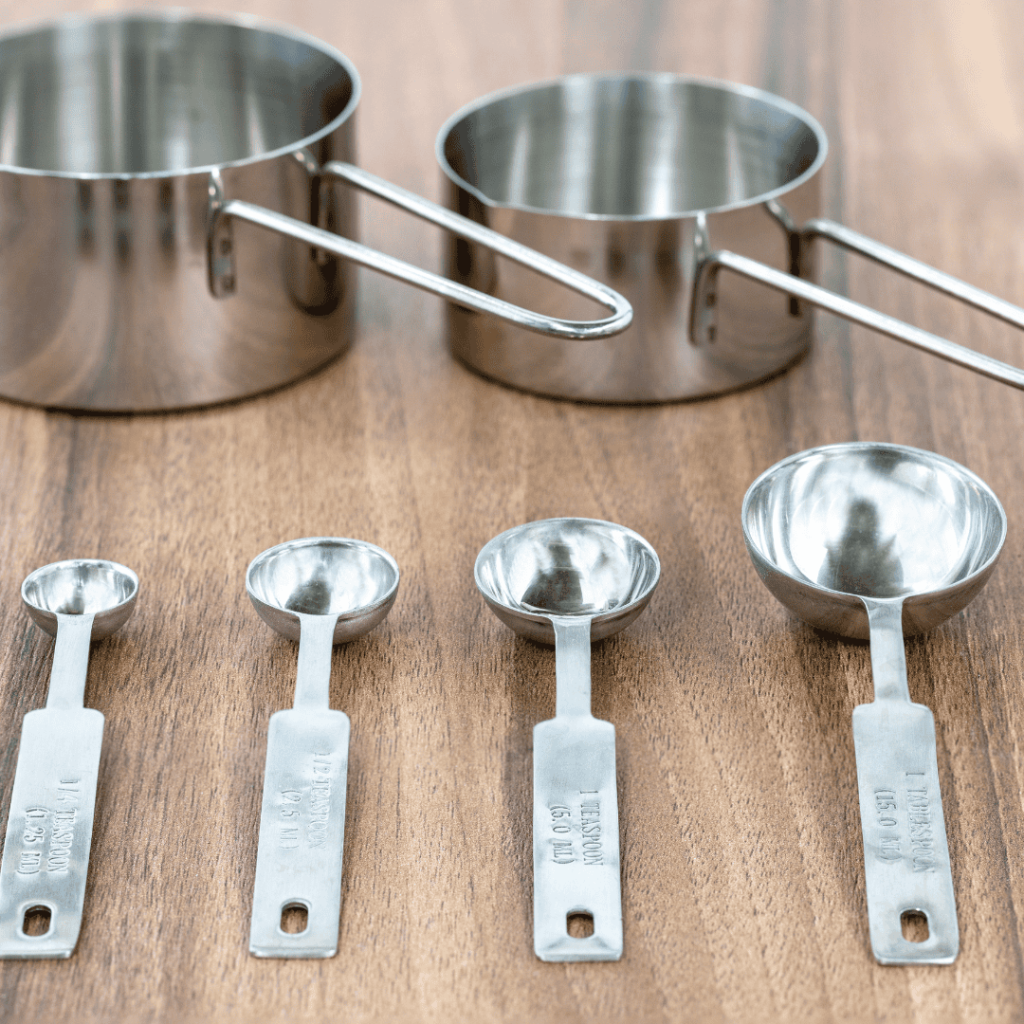
Have you ever started a recipe only to realize you’re not sure how to measure half a cup accurately? It might seem like a small detail, but getting your measurements right can make all the difference between a tasty dish and a kitchen disaster.
Whether you’re baking a cake or cooking a stew, knowing how to measure half a cup correctly saves you time, money, and frustration. You’ll discover simple, foolproof methods to measure half a cup with tools you already have at home.
Keep reading to make your cooking easier and your meals better every time.
Why Measuring Half A Cup Matters
Measuring half a cup correctly is important in cooking and baking. It helps keep recipes balanced and tasty.
Using the right amount of ingredients affects the texture and flavor of your food. It also ensures even cooking.
Accuracy In Baking
Baking is like science. Small changes in measurements can change the final product.
If you add too much or too little, your cake or bread might not rise well. Measuring half a cup right keeps the recipe on track.
Consistency In Cooking
Measuring ingredients helps you get the same good taste every time. It also stops the food from being too salty or bland.
When you measure half a cup well, you control the balance of flavors in your dish.
Saving Ingredients And Money
Using the right amount of ingredients prevents waste. It saves money by avoiding extra purchases.
Measuring half a cup carefully means you only use what you need for your recipe.
Improving Cooking Skills
Learning to measure half a cup well builds good cooking habits. It helps you understand recipes better.
Accurate measuring leads to better results and more confidence in the kitchen.
Credit: kirbiecravings.com
Tools For Accurate Measurement
Measuring ingredients correctly helps get the best results in cooking and baking.
Using the right tools makes measuring half a cup easy and precise.
Measuring Cups
Measuring cups are common tools for liquids and dry ingredients. They come in sets with different sizes. Using a half-cup measuring cup ensures accuracy without guessing.
- Use a clear, flat surface to check the level.
- Fill the cup slowly to avoid spilling.
- Level off dry ingredients with a flat edge.
Kitchen Scales
Kitchen scales give precise measurements by weight. This is useful for recipes that list grams or ounces.
| Ingredient | Half Cup Weight (grams) |
| Flour | 60 |
| Sugar | 100 |
| Butter | 113 |
Alternative Tools
If you do not have measuring cups or scales, other kitchen tools can help estimate half a cup.
- Use a 1-cup measuring cup and fill it halfway.
- Use a tablespoon; 8 tablespoons equal half a cup.
- Use a liquid measuring jug with volume markers.
Measuring Dry Ingredients
Measuring dry ingredients correctly is key to good baking and cooking. Using the right method helps you get the best results every time.
Dry ingredients like flour, sugar, and spices need careful measuring. This guide explains two simple methods to measure half a cup.
Spoon And Level Method
This method gives you an accurate half cup of dry ingredients without packing them down. It works well for flour and powdered sugar.
- Spoon the ingredient into your measuring cup until it is overfilled.
- Use a straight edge, like a knife, to level off the top.
- Do not shake or tap the cup to avoid packing.
Packing Vs. Loose Ingredients
Some dry ingredients need to be packed into the measuring cup. Others should stay loose. Knowing the difference helps with correct measurements.
| Ingredient Type | Measurement Method | Example |
|---|---|---|
| Loose Ingredients | Spoon and level | Flour, powdered sugar |
| Packed Ingredients | Press firmly into cup | Brown sugar, grated cheese |
Credit: kirbiecravings.com
Measuring Liquid Ingredients
Measuring liquids correctly is important for cooking and baking. Using the right tools helps get the best results.
Half a cup of liquid can be measured easily with the right method. This guide explains how to do it without mistakes.
Using Liquid Measuring Cups
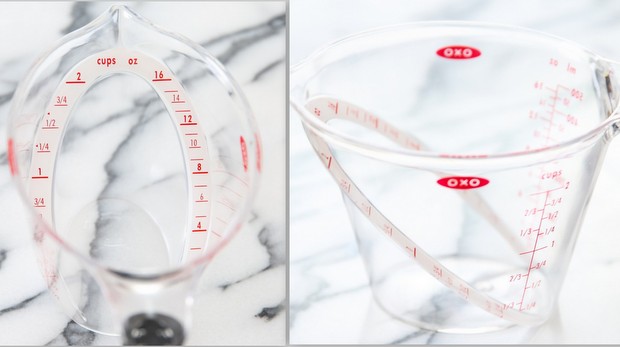
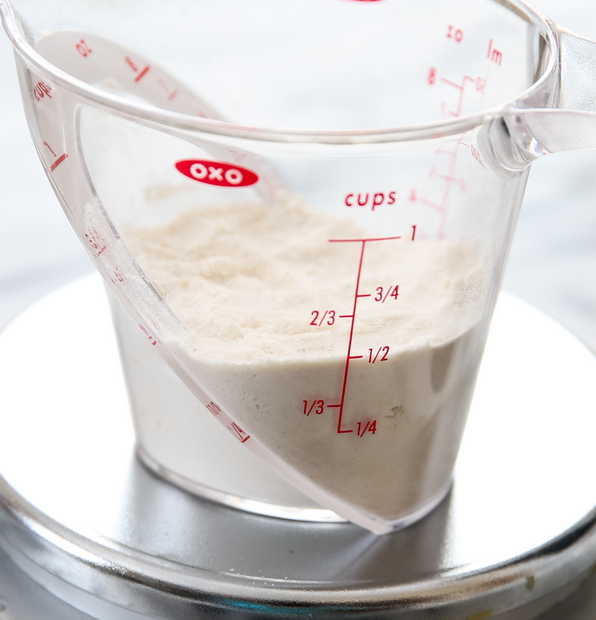
Use a clear liquid measuring cup with a spout. These cups have markings on the side to show exact amounts.
Place the cup on a flat surface. Pour the liquid slowly to avoid spilling or overfilling.
- Check the cup at eye level for accuracy.
- Pour until the liquid reaches the half cup line.
- Use a steady hand to avoid shaking.
- Use a clean cup for each ingredient to prevent mixing.
Avoiding Common Mistakes
Many people make errors when measuring liquids. These mistakes can change the outcome of recipes.
| Mistake | How to Avoid |
| Measuring above eye level | Always check the liquid line at eye level |
| Using dry measuring cups | Use cups made for liquids only |
| Pouring too fast | Pour slowly to control the amount |
| Not placing the cup on a flat surface | Set the cup on a flat, stable surface before measuring |
Tips For Measuring Without Standard Tools
Sometimes you do not have a measuring cup nearby. You can still measure half a cup using other ways. These tips help you get close to the right amount.
Measuring ingredients correctly is important for cooking and baking. Use common kitchen tools or your eyes to estimate half a cup.
Using Tablespoons And Teaspoons
Tablespoons and teaspoons are smaller than cups but can help you measure half a cup. Knowing how many of these fit in half a cup makes it easy.
Half a cup equals 8 tablespoons or 24 teaspoons. You can fill a tablespoon or teaspoon multiple times to reach half a cup.
- 8 tablespoons = ½ cup
- 24 teaspoons = ½ cup
- Use a spoon to fill and level off each scoop
Visual Estimation Techniques
Visual estimation helps when you have no measuring tools. Use common objects or container marks to guess half a cup.
For example, a half cup is about the size of a standard cupcake liner or half a tennis ball. You can also divide containers into halves.
- Half a cup is about the size of half a tennis ball
- Fill a standard cupcake liner once for half a cup
- Look for half marks on bowls or jars
- Use the palm of your hand as a rough guide
Common Measurement Errors To Avoid
Measuring half a cup may seem easy, but small mistakes can change your recipe. Accurate measuring helps you get the right taste and texture.
Watch out for common errors that can lead to too much or too little of an ingredient. This guide will show you what to avoid.
Using The Wrong Measuring Cup
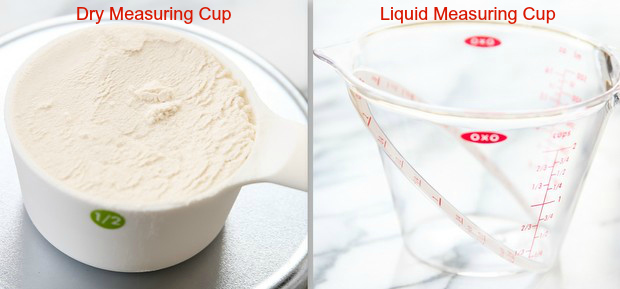
Dry and liquid measuring cups are different. Dry cups are solid and meant to be filled to the top. Liquid cups have a spout and measurement lines.
Using the wrong cup causes inaccurate amounts. Always use a dry cup for flour or sugar. Use a liquid cup for water or milk.
Not Leveling Off Dry Ingredients
Dry ingredients like flour should be leveled with a flat edge. Scooping directly can pack the ingredient and add too much.
Use the back of a knife or a straight edge to scrape off excess from the top. This gives you a true half cup.
Measuring On An Uneven Surface
Place your measuring cup on a flat, even surface. Holding it in your hand can tilt it and change the amount.
Look at the measurement line at eye level. This helps you see the exact amount in the cup.
Ignoring Ingredient Settling
Some ingredients settle after scooping. For example, brown sugar can pack down and look like a smaller amount.
Lightly fluff dry ingredients like flour before measuring. This keeps your measurement accurate.
Overfilling Liquid Measuring Cups
Pour liquids slowly into the cup. Overfilling makes it hard to read the correct line and spills can happen.
Stop pouring just before the half-cup mark. Then adjust by adding slowly until you reach the line.
Credit: kirbiecravings.com
Frequently Asked Questions
What Is The Exact Volume Of Half A Cup?
Half a cup is equivalent to 4 fluid ounces or approximately 118 milliliters. It’s a common measurement used in cooking and baking. For precise results, use a measuring cup. Always check your recipe, as some ingredients may need specific measurements.
How Can I Accurately Measure Half A Cup?
To measure half a cup accurately, use a liquid or dry measuring cup. Fill the cup to the marked half-cup line. For dry ingredients, level it off with a flat edge. For liquids, ensure the cup is on a flat surface and check at eye level.
Can I Use A Tablespoon To Measure Half A Cup?
Yes, you can use tablespoons to measure half a cup. Half a cup equals 8 tablespoons. Measure and count each tablespoon, ensuring accuracy. It’s a helpful method when measuring tools are unavailable. This technique is handy for small quantities in cooking or baking.
Is Half A Cup The Same For All Ingredients?
No, half a cup may not weigh the same for all ingredients. Liquid and dry ingredients differ in density and weight. Always use the appropriate measuring tool for accuracy. For liquids, use a liquid measuring cup; for dry ingredients, use a dry measuring cup.
Conclusion
Measuring half a cup is simple with the right tools. Use a clear measuring cup or spoon for accuracy. Level off ingredients to avoid mistakes. Practice helps you become faster and more confident. Cooking and baking get easier when you measure well.
Keep these tips in mind next time you cook. Enjoy your meals and happy cooking!