Are you wondering if birch wood is the right choice for your cutting board? Choosing the perfect wood can make a big difference in how your cutting board looks, lasts, and performs.
Birch wood is often talked about, but is it really good for your kitchen needs? Keep reading to discover the surprising benefits and potential drawbacks of birch wood cutting boards. By the end, you’ll know exactly whether this wood fits your cooking style and kitchen routine.
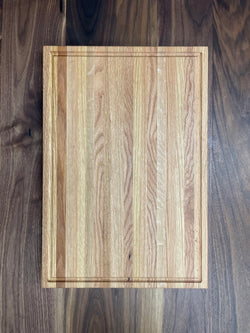
Credit: www.timberware.ca
Properties Of Birch Wood
Birch wood is a popular choice for making cutting boards. It has several qualities that make it suitable for kitchen use. Understanding these properties helps decide if it is good for cutting boards.
This article looks at the hardness and density, grain and texture, and resistance to moisture of birch wood.
Hardness And Density
Birch wood is moderately hard. It is hard enough to resist cuts and dents from knives. This means the cutting board will last longer.
The density of birch wood is medium. This makes the wood sturdy but not too heavy. The balance of hardness and weight helps keep the cutting board stable on surfaces.
- Hardness rating: around 1260 on Janka scale
- Density: about 0.64 grams per cubic centimeter
- Strong enough for cutting and chopping
Grain And Texture
Birch wood has a fine and even grain. The texture is smooth, which is good for cutting boards. It creates a nice surface for food preparation.
The straight grain pattern helps prevent deep cuts from spreading. This keeps the board looking good after many uses.
- Fine and even grain
- Smooth texture
- Straight grain pattern
Resistance To Moisture
Birch wood has moderate resistance to moisture. It can handle some water exposure but should not stay wet for long. Proper care is important to avoid warping.
Sealing the board with oil can improve moisture resistance. This helps keep the wood safe from cracking and bacteria.
- Moderate moisture resistance
- Needs oil treatment for best results
- Avoid long-term water exposure

Credit: www.amazon.com
Durability For Cutting Boards
Birch wood is a popular choice for cutting boards. It offers a good balance of strength and softness. Durability is a key factor in selecting the right wood for kitchen use.
Understanding how birch wood handles daily kitchen tasks helps in deciding if it fits your needs. We look at wear and tear, knife impact, and overall lifespan.
Wear And Tear Resistance
Birch wood has a medium hardness, making it fairly resistant to scratches and dents. It stands up well to repeated cutting without showing major damage quickly.
- Resists small cuts and gouges
- Handles moisture better than softer woods
- Needs regular oiling to maintain surface quality
- Less likely to crack with proper care
Impact On Knife Blades
Birch wood is gentle on knives. It is soft enough to protect blade edges but firm enough to provide a stable cutting surface. This balance helps knives stay sharp longer.
| Wood Type | Effect on Knife |
| Birch | Protects blade edge, minimal dulling |
| Maple | Similar protection, slightly harder |
| Bamboo | Harder surface, can dull blades faster |
Longevity In Kitchen Use
With proper care, birch cutting boards last for years. Regular cleaning and oiling prevent drying and cracking. Avoid prolonged water exposure to extend life.
Tips for maintaining birch cutting boards:
- Wash with mild soap and water after use.
- Dry immediately with a towel.
- Apply food-safe mineral oil monthly.
- Store in a dry place away from heat.
Safety Aspects Of Birch Wood
Birch wood is popular for making cutting boards. People want to know if it is safe to use in the kitchen. This wood has some qualities that affect safety.
We will look at its natural antibacterial traits, if it is non-toxic, and its allergen potential. These points help decide if birch wood is good for cutting boards.
Natural Antibacterial Qualities
Birch wood has natural oils and compounds. These can reduce bacteria growth on the surface. This makes it safer for food contact than some other woods.
The wood’s tight grain also helps by not letting water soak in easily. This lowers the chance of germs hiding inside the board.
- Natural oils fight bacteria
- Tight grain reduces water absorption
- Less chance for germs to grow
Non-toxic Characteristics
Birch wood is safe and non-toxic for kitchen use. It does not release harmful chemicals when cut or cleaned. This is important for food safety.
Many cutting boards use finishes or treatments. Pure birch wood cutting boards without chemicals are better for health. Always check if any coatings are food safe.
- Safe for food contact
- No harmful chemical release
- Check for food-safe finishes
Allergen Potential
Birch wood can cause allergies for some people. The wood dust from cutting or sanding may irritate skin or lungs. This is a concern during manufacturing.
For daily use, the allergen risk is low. Most users do not have reactions from finished cutting boards. People with wood allergies should be cautious.
- Wood dust may cause irritation
- Low allergen risk for finished boards
- Allergic users should be careful
Maintenance And Care Tips
Birch wood cutting boards are durable and attractive. Keeping them in good shape needs regular care. Simple steps help the wood last longer and stay safe for food.
Proper cleaning and conditioning protect the wood from cracks and stains. Avoiding damage keeps your board looking new and working well.
Cleaning Best Practices
Clean your birch wood cutting board after every use. Use warm water and mild soap. Avoid soaking the board or using harsh cleaners. Dry it with a towel right away to stop warping.
- Wash with warm, soapy water
- Rinse well but do not soak
- Dry immediately with a clean cloth
- Disinfect with vinegar or diluted bleach occasionally
- Do not put in the dishwasher
Oiling And Conditioning
Oiling keeps birch wood strong and prevents it from drying out. Use food-safe mineral oil or board conditioner. Apply oil once a month or when the wood looks dry. Rub oil evenly and let it soak in.
| Oiling Frequency | Condition of Board |
| Monthly | Normal use, no dryness |
| Every 2 weeks | Dry or cracked surface |
| After cleaning with bleach | Disinfected board |
Avoiding Damage
Protect your cutting board from damage by avoiding extreme conditions and rough use. Use separate boards for meat and vegetables. Do not cut with very sharp or serrated knives aggressively. Store the board in a dry place.
- Do not soak or leave wet for long
- Avoid heat or direct sunlight
- Use both sides to prevent warping
- Do not use abrasive scrubbers
- Store upright or flat in a dry spot
Comparison With Other Woods
Birch wood is a popular choice for cutting boards. It is important to compare it with other common woods. This helps to understand its benefits and drawbacks.
This section looks at how birch compares to maple, walnut, and bamboo in cutting board use. Each wood has unique features that affect durability and care.
Maple Vs Birch
Maple is a hard wood known for its tight grain. Birch is slightly softer but still durable. Both woods resist deep cuts well.
- Maple is harder and more resistant to knife marks.
- Birch has a lighter color and smooth texture.
- Both are safe for food contact and easy to clean.
- Maple tends to be more expensive than birch.
Walnut Vs Birch
Walnut is a dark, dense wood that shows knife marks less. Birch is lighter and shows wear more quickly. Walnut often looks more elegant.
| Feature | Walnut | Birch |
| Color | Dark brown | Light cream |
| Hardness | Hard and dense | Moderately hard |
| Durability | High, resists cuts well | Good, but softer than walnut |
| Price | Higher cost | More affordable |
Bamboo Vs Birch
Bamboo is technically a grass but is very strong. Birch is a wood with a fine grain. Bamboo boards are lighter and often cheaper.
Bamboo cutting boards have some differences from birch:
- Bamboo is more eco-friendly due to fast growth.
- Bamboo resists water well but can splinter.
- Birch is softer, so knives may dull slower on it.
- Birch requires regular oiling to prevent drying.
- Bamboo usually has a harder surface than birch.
User Experiences And Reviews
Birch wood is a popular choice for cutting boards. Many people share their experiences using birch boards in kitchens.
This article covers feedback from home cooks and professional chefs. It also looks at common praises and issues reported by users.
Home Cooks’ Feedback
Many home cooks like birch wood for its smooth surface and light color. They find it gentle on knives and easy to clean.
- Easy to maintain with regular oiling
- Does not dull knives quickly
- Affordable compared to some hardwoods
- Lightweight and easy to move
- Looks good on kitchen counters
Professional Chefs’ Opinions
Professional chefs often focus on durability and hygiene. Birch wood is valued but has some limits in heavy use kitchens.
| Feature | Chefs’ View |
| Durability | Good for light to medium chopping |
| Knife friendliness | Soft enough to protect edges |
| Cleaning | Easy but requires care to avoid water damage |
| Appearance | Clean and professional look |
| Cost | Reasonable for quality wood |
Common Issues And Praise
Users report both benefits and some problems with birch cutting boards. Knowing these helps buyers decide.
- Praise:Birch boards resist deep cuts and stains well.
- Praise:They dry quickly after washing to prevent warping.
- Issue:Some find birch less durable than maple or walnut under heavy use.
- Issue:Boards can crack if left wet too long.
- Issue:Requires regular oiling to keep the wood healthy.

Credit: www.timberware.ca
Frequently Asked Questions
Is Birch Wood Durable For Cutting Boards?
Yes, birch wood is durable and strong, making it suitable for cutting boards. It offers a fine grain that resists knife marks. Additionally, birch wood has a natural resistance to wear and tear, ensuring longevity. Its durability makes it a popular choice for kitchen applications.
How Does Birch Wood Compare To Other Woods?
Birch wood is moderately hard, offering a balance of durability and knife-friendliness. Compared to harder woods like maple, it is slightly softer, which can be gentler on knives. However, it is harder than softer woods like pine, making it a reliable choice for cutting boards.
Is Birch Wood Safe For Food Preparation?
Yes, birch wood is safe for food preparation. It has natural antibacterial properties that help maintain hygiene. Its tight grain structure minimizes the absorption of moisture and bacteria. Regular cleaning and oiling will ensure its safety and longevity in the kitchen.
What Are The Maintenance Needs For Birch Cutting Boards?
Birch cutting boards require regular cleaning and oiling to maintain their condition. Wash with mild soap and warm water, and dry thoroughly. Apply food-grade mineral oil periodically to prevent drying and cracking. Proper maintenance ensures the board remains safe and durable.
Conclusion
Birch wood offers a strong and smooth surface for cutting boards. It resists knife marks and absorbs less moisture, helping to keep food safe. Its light color and fine grain also make it easy to clean and maintain. Birch cutting boards last long with simple care and gentle cleaning.
Choosing birch means getting a reliable and affordable option for your kitchen. Overall, birch wood stands as a practical choice for everyday cooking needs. Durable, safe, and easy to use—birch fits well in most homes.