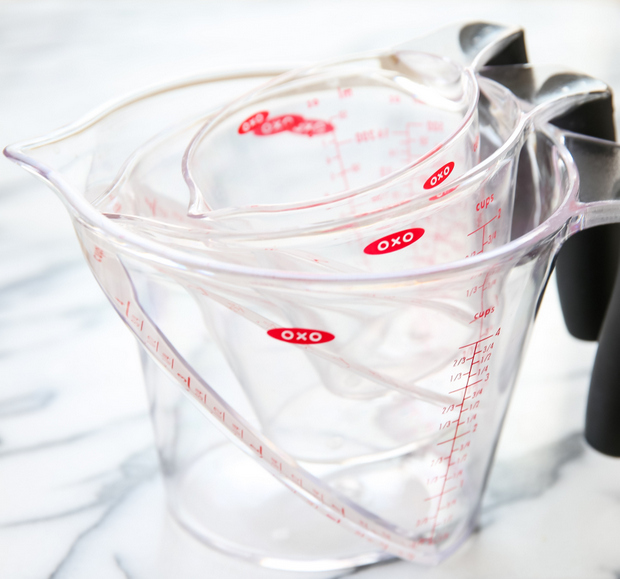
Have you ever started cooking or baking only to realize you don’t have a measuring cup? It can feel frustrating when a recipe calls for exact amounts, and you’re left guessing.
But don’t worry—you don’t need special tools to get it right. Knowing how to measure cups without a measuring cup can save you time and stress. You’ll discover simple, clever tricks to measure ingredients accurately using items you already have at home.
Keep reading, and you’ll never have to worry about missing that perfect measurement again!
Common Household Items For Measuring
Measuring cups are handy, but sometimes you don’t have one nearby. You can use common household items to measure ingredients. This helps when cooking or baking without special tools.
Using spoons, glasses, mugs, plates, and bowls can give you a good estimate of cup measurements. Let’s look at how to use these items properly.
Using Spoons As Measuring Tools
Spoons are easy to find and can measure small amounts well. Tablespoons and teaspoons are common in many kitchens. You can use them to measure parts of a cup.
- 1 tablespoon equals about 15 milliliters.
- 1 cup is about 16 tablespoons.
- Use 16 tablespoons to equal 1 cup.
- Teaspoons are smaller: 3 teaspoons equal 1 tablespoon.
Measuring With Glasses And Mugs
Glasses and mugs can work well for larger amounts. Most regular drinking glasses hold about 1 cup or more. Mugs usually hold between 1 to 1.5 cups.
| Item | Approximate Volume |
| Standard Drinking Glass | 1 cup (240 ml) |
| Regular Coffee Mug | 1 to 1.5 cups (240 to 360 ml) |
| Small Juice Glass | 0.5 cup (120 ml) |
Estimating With Plates And Bowls
Plates and bowls can help measure solids or liquids roughly. A small bowl or plate holds less than a cup, while bigger ones hold more. Use them to judge amounts visually.
Try this simple guide to estimate cup sizes with plates and bowls:
- A small bowl holds about 1 cup.
- A medium bowl holds about 2 cups.
- A large dinner plate can hold about 1 to 2 cups if filled shallowly.
- Use the bowl’s size compared to a cup to adjust your estimate.

Credit: www.ebay.ca
Visual Size Comparisons
Measuring cups are common tools in kitchens. Sometimes, you may not have one handy. Visual size comparisons help estimate cup measurements easily.
Using parts of your hand or everyday objects can give you a good idea of cup sizes. This guide shows simple ways to measure without tools.
Hand And Finger Measurements
Your hand and fingers can act as simple measuring guides. Knowing their approximate volume helps when cooking or baking.
- A fist is about 1 cup of volume.
- The cupped hand holds roughly 1/2 cup.
- A thumb tip is close to 1 tablespoon.
- The tip of your index finger equals about 1 teaspoon.
Using Everyday Objects For Reference
Common household items also help estimate cup sizes. These objects provide quick visual cues for your measurements.
| Object | Approximate Volume |
|---|---|
| Tennis ball | About 1 cup |
| Standard coffee mug | Between 1 and 1.5 cups |
| Ice cream scoop | About 1/2 cup |
| Golf ball | About 1/4 cup |
Simple Kitchen Hacks
Measuring cups can be hard to find or clean. You can still measure ingredients without them.
These easy tricks help you fill containers correctly and save time in the kitchen.
Filling Containers By Weight Estimation
You can estimate the weight of ingredients using common household items. This helps when you don’t have a scale or measuring cup.
- Use a standard spoon. A tablespoon holds about 15 grams of water.
- Fill a clean jar or container with water to a marked level. One cup is about 240 grams of water.
- Compare the weight of your ingredient to water by volume. For example, flour weighs less than water, so fill slightly more.
- Use your kitchen scale if you have one for better accuracy.
- Practice with common ingredients to get a feel for their weight.
Marking Containers For Future Use
Mark containers to know their volume for next time. This makes measuring easy without tools.
| Container Type | Approximate Volume | Marking Tip |
| Small Glass Jar | 1 cup (240 ml) | Draw a line with a permanent marker |
| Plastic Container | 2 cups (480 ml) | Use masking tape and label volume |
| Measuring Mug | 4 cups (960 ml) | Write volume on the handle |
| Empty Bottle | 1 cup (240 ml) | Mark with a rubber band |

Credit: thehungryequestrian.com
Tips For Accuracy
Measuring cups are handy, but you can measure without them. Using common kitchen items helps you get close to the right amount. These tips will improve your accuracy.
Small errors can affect your recipe. Taking care with measuring will make your dishes turn out better. Let’s look at how to measure without tools.
Leveling Ingredients Without Tools
When you don’t have a flat edge, use a clean knife or spatula. Gently scrape off the extra ingredient to make it level with the container’s rim.
For dry ingredients like flour or sugar, fluff them first. Scoop lightly, then level for a more accurate measure.
- Use the back of a butter knife to level ingredients
- Fluff flour or sugar before scooping
- Fill the container slightly over, then scrape off excess
- A spoon helps to scoop and transfer dry ingredients
Adjusting Recipes When Measuring Is Approximate
If your measurements are not exact, adjust your recipe as you cook. Taste and texture help you decide if you need more or less of an ingredient.
Start with less salt, spices, or strong flavors. You can add more later if needed. For baking, small differences may change the result, so measure carefully.
- Use your senses to check taste and texture
- Add strong flavors slowly and in small amounts
- For baking, try to measure dry ingredients carefully
- Note any changes for next time
Credit: www.accio.com
Frequently Asked Questions
How Can I Measure A Cup Using My Hand?
You can use your hand to estimate a cup. A closed fist roughly equals one cup. This method is handy in the kitchen. It’s not precise but works for cooking and baking. Adjust as necessary for more accuracy.
What Is A Simple Way To Measure A Cup?
Use common kitchen items like a mug or glass. Most standard mugs hold about a cup. You can also use a clean, empty yogurt container. These methods are quick and easy for approximations.
Can I Use A Spoon To Measure A Cup?
Yes, you can use a tablespoon to measure a cup. One cup equals 16 tablespoons. This method is time-consuming but accurate. Use it when precision is important in your recipe.
How Do I Measure Liquid Without A Cup?
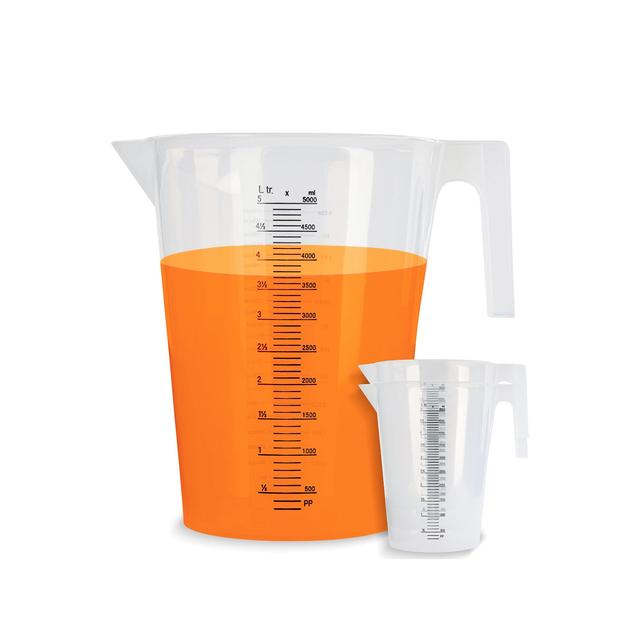
Use a clear glass jar with measurement markings. Fill to the desired level for accuracy. Alternatively, use a bottle with known volume. These methods help ensure precise liquid measurements in cooking.
Conclusion
Measuring cups are not always needed to cook or bake well. You can use common items like spoons, glasses, or containers instead. These simple tricks save time and avoid confusion in the kitchen. Practice a few methods to find what works best for you.
Cooking becomes easier and more fun without special tools. Remember, accuracy helps your recipes turn out great every time. Keep these tips in mind and enjoy making your favorite dishes.