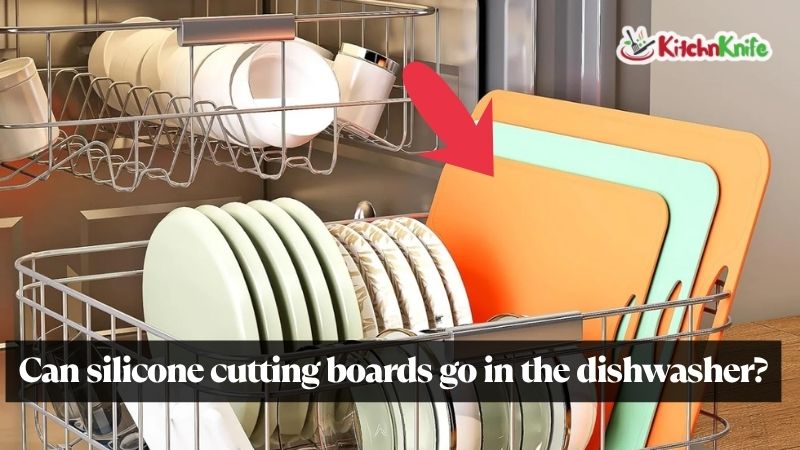
Are you wondering if you can put your cutting boards in the dishwasher without ruining them? It’s a question many home cooks ask but rarely find a clear answer to.
You want your cutting boards clean and safe, but you also don’t want to damage them or shorten their life. You’ll discover the simple truth about dishwasher use for different types of cutting boards. By the end, you’ll know exactly what to do to keep your boards fresh, hygienic, and long-lasting.
Keep reading—you might be surprised by what you learn!
Types Of Cutting Boards
Cutting boards come in different materials. Each type has unique care instructions.
Knowing the type helps decide if you can put it in the dishwasher.
Wooden Cutting Boards
Wooden cutting boards are made from hardwood like maple or oak. They are gentle on knives.
Dishwasher heat and water can make wood crack or warp. It is best to hand wash these boards.
Plastic Cutting Boards
Plastic boards are lightweight and often dishwasher safe. They resist stains and odors.
Most plastic boards can go in the dishwasher. Check the label to be sure.
Bamboo Cutting Boards
Bamboo boards are hard and eco-friendly. They are more water-resistant than wood.
Dishwasher use can cause bamboo to crack or lose finish. Hand washing is safer.
Composite Cutting Boards
Composite boards mix wood fibers and resin. They are durable and knife-friendly.
Many composite boards are dishwasher safe. Always check the manufacturer’s instructions.

Credit: www.plasticchoppingboards.co.uk
Dishwasher Safety For Cutting Boards
Cutting boards come in many materials, like wood and plastic. Cleaning them well is important to keep food safe.
Many people wonder if they can put cutting boards in the dishwasher. This depends on the type of board and dishwasher effects.
Heat And Water Effects
Dishwashers use hot water and strong heat to clean items. This can cause some cutting boards to warp or crack.
Plastic boards usually handle heat better than wooden ones. But very hot water can still damage plastic over time.
- High heat may warp wooden boards
- Plastic boards can melt if too hot
- Repeated dishwasher cycles weaken boards
- Heat can cause cracks or splits
Potential Damage Risks
Using a dishwasher can cause damage to cutting boards. Wood boards absorb water and can swell or crack.
Plastic boards can lose their shape or develop rough surfaces, which trap bacteria. This makes them unsafe.
- Wood can dry out and split
- Plastic may warp or discolor
- Surface damage makes cleaning hard
- Frequent dishwasher use shortens board life
Cleaning Wooden Cutting Boards
Wooden cutting boards need special care to last long. Cleaning them properly stops bacteria and keeps the wood safe.
Never put wooden cutting boards in the dishwasher. The heat and water can crack or warp the wood.
Hand Washing Techniques
Wash your wooden cutting board by hand right after use. Use warm water and mild soap to clean the surface.
- Rinse the board with warm water.
- Apply a small amount of mild dish soap.
- Scrub gently with a soft sponge or brush.
- Rinse off all soap with warm water.
- Dry the board immediately with a clean towel.
Do not soak the board in water. Prolonged wetness damages the wood and causes cracking.
Oiling And Maintenance Tips
Oiling your wooden cutting board keeps it from drying out. It also protects against stains and odors.
| Oiling Steps | Details |
| Choose Oil | Use food-safe mineral oil or beeswax-based conditioner. |
| Apply Oil | Put a small amount on a clean cloth. |
| Rub In | Massage the oil evenly over the entire board. |
| Let Soak | Allow the oil to absorb for several hours or overnight. |
| Wipe Excess | Remove any oil left on the surface with a dry cloth. |
| Repeat | Oil the board once a month or when it looks dry. |
Credit: www.homedepot.com
Cleaning Plastic And Bamboo Boards
Cutting boards need to be clean to keep food safe. Plastic and bamboo boards have different care needs.
Knowing how to clean them properly helps them last longer and stay in good shape.
Dishwasher Compatibility
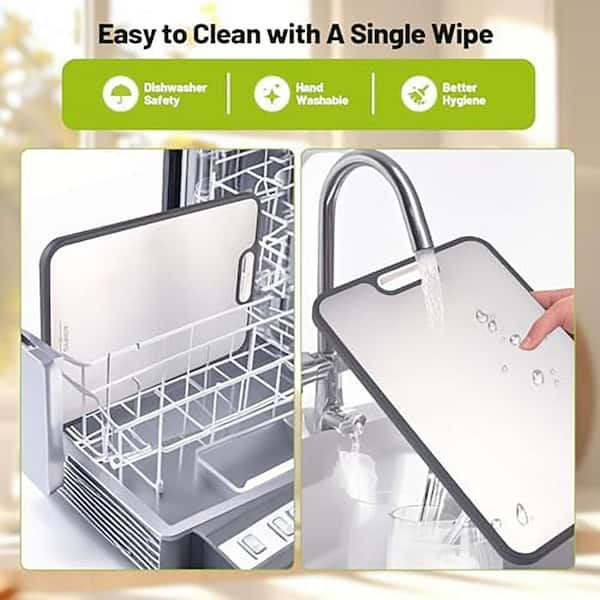
Plastic cutting boards are usually safe for dishwashers. The hot water and detergent clean them well.
Bamboo boards should not go in the dishwasher. The heat and water can make them crack or warp.
- Plastic boards: dishwasher safe on top rack
- Bamboo boards: avoid dishwasher, hand wash only
- Check the board’s label for specific instructions
Alternative Cleaning Methods
Hand washing is best for bamboo boards. Use warm water, mild soap, and a soft sponge.
For plastic boards, scrub with soap and hot water if you don’t want to use the dishwasher.
- Use baking soda to remove smells from plastic boards
- Rub bamboo boards with lemon and salt to clean and deodorize
- Dry boards completely to stop mold and warping
Health And Hygiene Considerations
Cutting boards are essential kitchen tools. Keeping them clean is vital for health. Using a dishwasher seems easy but has pros and cons.
This guide explains how to avoid germs and keep boards safe for food preparation.
Avoiding Cross-contamination
Cross-contamination happens when bacteria spread from one food item to another. Cutting boards can carry germs if not cleaned well.
- Use separate boards for meat, vegetables, and cooked food.
- Clean boards immediately after use with hot, soapy water.
- Inspect boards for deep cuts where bacteria hide.
- Replace boards that are heavily worn or cracked.
Sanitizing Tips
Dishwashers can sanitize some cutting boards, but not all. Wooden boards may crack or warp in a dishwasher.
| Material | Dishwasher Safe | Sanitizing Method |
| Plastic | Yes | Dishwasher or bleach solution |
| Wood | No | Hand wash and apply vinegar or lemon juice |
| Bamboo | No | Hand wash and air dry thoroughly |
Extending Cutting Board Lifespan
Cutting boards are essential kitchen tools. Taking care of them helps them last longer.
Proper cleaning and maintenance keep your cutting board safe and durable for years.
Proper Storage
Store cutting boards in a dry, well-ventilated area. Avoid stacking wet boards together.
Keep boards upright to allow air flow. This prevents moisture buildup and warping.
- Dry boards completely before storing
- Use a rack or holder for upright storage
- Avoid direct sunlight or heat sources
Repairing Minor Damages
Small cuts and scratches can be fixed to keep the board smooth. Sanding helps remove rough spots.
Apply food-safe mineral oil after sanding. This protects wood and restores moisture.
- Use fine-grit sandpaper for minor scratches
- Sand evenly to keep a flat surface
- Apply mineral oil to seal and protect

Credit: www.amazon.com
Frequently Asked Questions
Are Cutting Boards Dishwasher Safe?
Not all cutting boards are dishwasher safe. Plastic boards usually can handle the dishwasher, while wooden and bamboo boards might warp or crack. Always check the manufacturer’s guidelines before washing them in a dishwasher.
Can I Wash Bamboo Cutting Boards In Dishwasher?
It’s not recommended to wash bamboo cutting boards in the dishwasher. The heat and water can cause them to warp or crack. Hand wash with mild soap and water instead.
Why Do Wooden Cutting Boards Warp?
Wooden cutting boards can warp due to excessive moisture and heat exposure. The dishwasher’s high temperatures and water can cause the wood fibers to expand unevenly, leading to warping.
How To Clean Plastic Cutting Boards?
Plastic cutting boards can usually be placed in the dishwasher. For extra cleaning, use a solution of vinegar and baking soda. This helps to remove any lingering odors and stains.
Conclusion
Cutting boards need proper care to last longer. Not all boards are safe for dishwashers. Wood boards can crack or warp with heat and water. Plastic boards usually handle dishwashers well. Hand washing often keeps boards cleaner and safer. Always check the board’s material before washing.
Clean boards help prevent germs and keep food safe. Choosing the right cleaning method protects your kitchen tools. Remember, simple care extends the life of your cutting boards. Keep your kitchen safe and your boards in good shape.