When choosing a cutting board, you want something that lasts, feels good in your hands, and keeps your kitchen safe. Have you ever wondered if oak is the right wood for your cutting board?
Oak is popular, but is it truly the best choice for your daily chopping and slicing? You’ll discover the real benefits and possible downsides of using oak. By the end, you’ll know if oak fits your kitchen needs perfectly—or if you should look elsewhere.
Keep reading to find out what makes oak stand out or fall short as a cutting board material.
Durability Of Oak Boards
Oak is a popular choice for cutting boards because it is strong and long-lasting. Its durability makes it suitable for everyday kitchen use. Understanding the qualities that make oak tough helps explain why many people prefer it for cutting surfaces.
This article looks at oak’s hardness and density, how well it resists wear, and how long it lasts compared to other woods.
Hardness And Density
Oak wood is known for its high hardness and dense structure. These traits make it strong against cuts and dents from knives. The hardness of wood is measured by the Janka scale, which shows how much force is needed to embed a steel ball into the wood.
| Wood Type | Janka Hardness (lbs) | Density (lbs/ft³) |
| Red Oak | 1290 | 47 |
| Maple | 1450 | 44 |
| Walnut | 1010 | 38 |
Resistance To Wear And Tear
Oak cutting boards handle daily use without quick damage. The wood resists scratches and dents well. Its tight grain structure helps prevent deep knife marks that can trap bacteria.
- Stands up to heavy chopping
- Less prone to deep gouges
- Easy to clean and maintain
Longevity Compared To Other Woods
Oak boards last many years if cared for properly. They often outlive softer woods like pine and poplar, which wear down faster. Regular oiling and cleaning keep oak boards in good shape.
| Wood Type | Expected Lifespan |
|---|---|
| Oak | 10+ years |
| Maple | 8-10 years |
| Cherry | 5-7 years |
| Pine | 3-5 years |
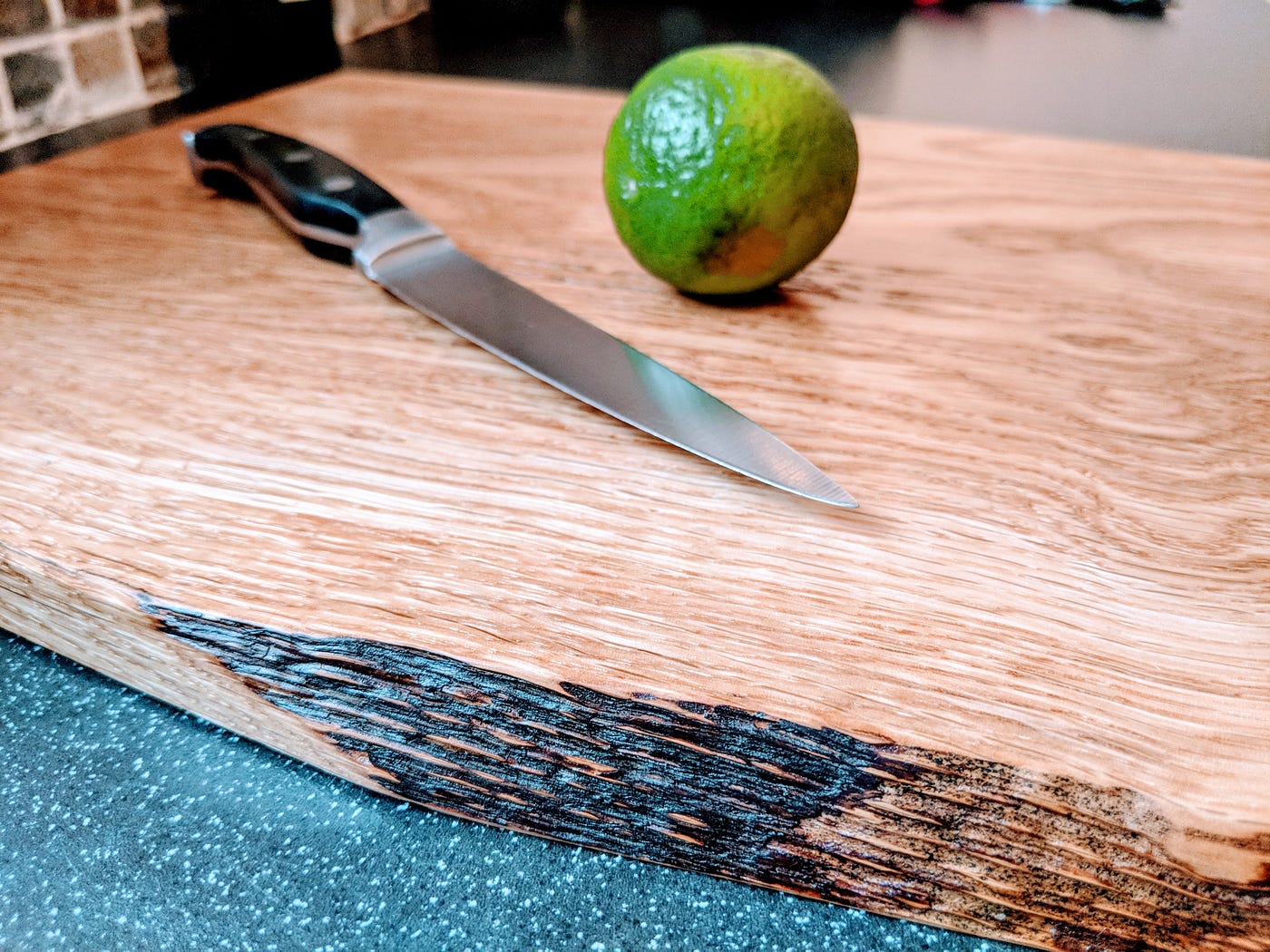
Credit: medium.com
Safety Aspects Of Oak
Oak is a popular wood used for cutting boards. Many wonder if oak is safe for food use. This guide explains key safety points about oak cutting boards.
We focus on natural antibacterial properties, non-toxic finishes, and how oak affects your knives. These factors help you choose the right board.
Natural Antibacterial Properties
Oak wood has natural compounds that fight bacteria. These compounds reduce germs on the board’s surface. This helps keep food safer during preparation.
- Oak contains tannins that act against bacteria.
- Its dense grain slows down moisture absorption.
- Less moisture means fewer bacteria growth chances.
- Cleaning oak boards is easier because of these properties.
Non-toxic Finishes
Using safe finishes on oak cutting boards is important. Non-toxic oils and waxes protect the wood without harming food. These finishes keep oak safe for daily use.
| Finish Type | Safety | Benefits |
|---|---|---|
| Mineral Oil | Non-toxic | Moisturizes wood, easy to apply |
| Beeswax | Non-toxic | Creates water-resistant layer |
| Vegetable Oil | Can go rancid | Not recommended for cutting boards |
| Polyurethane | Toxic if not food-grade | Not suitable for cutting boards |
Effect On Knife Edges
Oak is a hardwood but can be tough on knives. It may dull blades faster than softer woods. Knowing this helps you care for your knives better.
- Oak’s hardness provides a stable cutting surface.
- Knives need regular sharpening after use on oak.
- Use proper cutting techniques to reduce blade wear.
- Cleaning oak boards prevents small wood fibers from dulling blades.
Aesthetic Appeal Of Oak
Oak is a popular wood choice for cutting boards. It offers a natural beauty that fits many kitchen designs. Its look adds warmth and character to your cooking space.
Many people choose oak for its unique patterns and colors. The wood changes slightly with age, giving each board a special touch. Oak cutting boards blend style with function well.
Grain Patterns And Colors
Oak wood has strong and visible grain patterns. These grains create a textured, natural look. The color varies from light tan to deeper brown shades.
- Straight grains add a clean and classic appearance
- Curved grains give a more rustic feel
- Light colors brighten up kitchen spaces
- Darker tones add richness and depth
Customization Options
Oak cutting boards can be shaped and finished in many ways. You can smooth the surface or keep some texture for grip. Different finishes change how the wood looks and feels.
| Customization | Effect |
| Hand-sanded surface | Smooth and soft to touch |
| Natural oil finish | Enhances color and protects wood |
| Engraved designs | Adds a personal or artistic touch |
| Rounded edges | Creates a gentle, elegant look |
Matching Kitchen Styles
Oak cutting boards suit many kitchen styles. Their natural look fits both modern and traditional designs. Oak works well with wood cabinets and stone countertops.
Oak cutting boards pair nicely with:
- Farmhouse kitchens for a cozy feel
- Industrial kitchens with metal accents
- Minimalist kitchens to add warmth
- Rustic kitchens for a natural theme
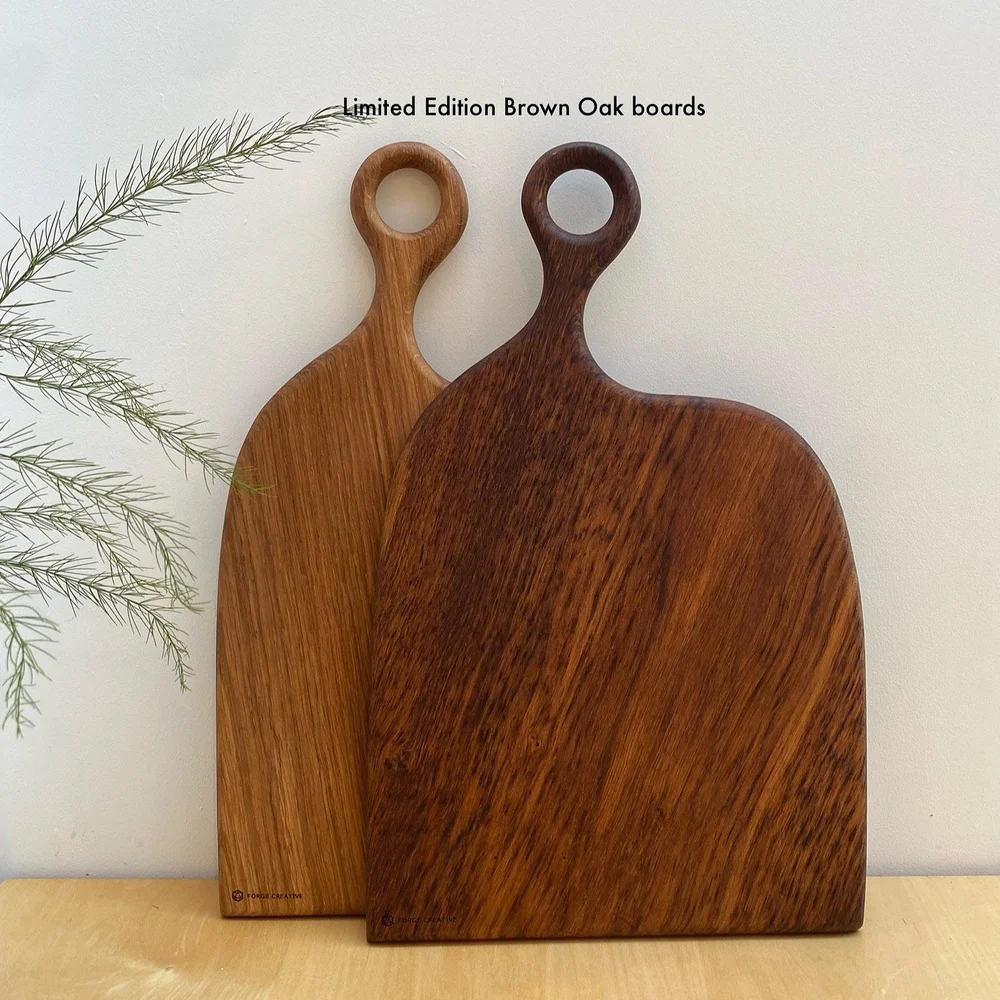
Credit: forgecreative.co
Maintenance Tips For Oak Boards
Oak is a strong and durable wood for cutting boards. Caring for it properly helps it last longer. Simple maintenance keeps oak boards clean and safe for food use.
Learn easy ways to clean, oil, and protect your oak cutting board. These tips prevent damage and keep the wood smooth and healthy.
Cleaning Methods
Clean your oak board after each use. Avoid soaking it in water or using harsh chemicals. These can damage the wood and cause it to crack.
- Wipe the board with a damp cloth or sponge.
- Use mild soap and warm water for tougher stains.
- Rinse quickly and dry with a towel immediately.
- Let the board air dry standing up to prevent moisture build-up.
Oiling And Conditioning
Oiling your oak board keeps it from drying out and cracking. Use food-safe oils like mineral oil or beeswax conditioner. Apply oil regularly to maintain the wood’s natural shine and strength.
| Oiling Frequency | Condition |
| Once a month | Normal use |
| Every two weeks | Heavy use |
| Every 3 months | Light use |
Preventing Cracks And Warping
Oak wood can crack or warp if it gets too dry or too wet. Keep your board in a dry place away from direct heat and sunlight. Avoid leaving it in water for long periods.
- Store the board in a cool, dry area.
- Do not put oak boards in the dishwasher.
- Use both sides to avoid uneven wear.
- Keep away from ovens or heaters.
Comparing Oak With Other Woods
Oak is a popular wood choice for cutting boards. It has a strong grain and is quite durable. Comparing oak with other woods helps you decide the best option for your kitchen.
Different woods have unique features. These affect how they hold up to cutting, cleaning, and daily use. Let’s explore how oak stacks up against maple, walnut, bamboo, and other alternatives.
Maple Vs Oak
Maple is a common choice for cutting boards. It has a tight grain that resists bacteria. Oak has a more open grain, which can trap moisture and germs more easily. Maple is usually harder and less porous than oak.
Both woods are strong but maple is easier to clean. Oak can last long if well maintained. Maple tends to resist knife marks better than oak.
Walnut Vs Oak
| Feature | Walnut | Oak |
| Hardness | Medium | Hard |
| Grain | Closed and smooth | Open and coarse |
| Durability | Good | Very good |
| Maintenance | Easy | Needs more care |
| Color | Dark brown | Light to medium brown |
Walnut has a smoother feel and is less porous. Oak’s open grain means it can hold more bacteria if not cleaned well. Walnut is often chosen for its appearance and easier upkeep.
Bamboo And Other Alternatives
- Bamboo is a fast-growing grass, not a wood.
- It is hard and resists cuts well.
- Bamboo boards are lighter than oak.
- They are eco-friendly and easy to clean.
- Other woods like cherry or teak offer different looks and hardness.
Bamboo is less porous than oak and does not absorb water as much. Oak boards can be heavier and need oiling to stay in good shape. Choosing between bamboo and oak depends on your style and cleaning habits.

Credit: www.amazon.com
Buying Guide For Oak Cutting Boards
Oak cutting boards are popular for their strength and look. They work well for kitchen tasks.
This guide helps you choose the right oak board for your needs. Learn what to check before buying.
Selecting Quality Oak
Good oak wood is dense and has tight grain. It resists scratches and lasts a long time.
Avoid oak with cracks or knots. These can weaken the board and cause damage.
- Look for straight grain patterns
- Choose white oak for better water resistance
- Check for smooth, sanded surfaces
Board Thickness And Size
Thickness affects durability and stability. Thicker boards last longer and resist warping.
Choose a size that fits your kitchen space and cutting needs. Bigger boards offer more working area.
- 1 to 1.5 inches thick for home use
- At least 12 by 18 inches for average tasks
- Thicker and larger boards for heavy chopping
Price And Value Considerations
Oak cutting boards vary in price. Higher prices often mean better wood and craftsmanship.
Balance cost with quality. A good board saves money by lasting many years.
- Compare prices from different sellers
- Check for solid wood, not veneers
- Consider care and maintenance needs
Frequently Asked Questions
Is Oak Wood Safe For Cutting Boards?
Yes, oak wood is safe for cutting boards. It is durable and withstands regular use. Oak’s dense grain structure helps resist bacteria absorption. Always choose untreated, food-safe oak to ensure safety. Regular cleaning and maintenance can further enhance its safety for food preparation.
Does Oak Cutting Board Damage Knives?
Oak cutting boards can be hard on knives due to their dense structure. However, proper knife care can minimize damage. Regular honing and sharpening keep your knives in good condition. Softening the board’s surface with mineral oil can also help.
Choose end-grain oak boards for gentler knife impact.
How Do You Maintain An Oak Cutting Board?
Maintain an oak cutting board by regular cleaning and oiling. Wash with mild soap and water, then dry immediately. Apply food-grade mineral oil monthly to prevent drying and cracking. Avoid submerging in water and exposure to extreme heat. Proper care ensures the board’s longevity and functionality.
Why Choose Oak Over Other Woods For Cutting Boards?
Oak is chosen for its durability and aesthetic appeal. Its dense grain structure resists deep cuts and bacteria. Oak offers a classic look that suits various kitchen styles. Compared to softer woods, oak provides a longer-lasting cutting surface. Its strength makes it a reliable choice for frequent use.
Conclusion
Oak makes a strong and durable cutting board choice. Its tight grain helps resist deep cuts and bacteria. Oak boards need regular oiling to stay in good shape. They may be heavier than other wood types. Oak’s natural beauty adds charm to any kitchen.
A well-cared oak board lasts for years. Easy to clean and maintain, it suits daily use. Overall, oak offers good value for a cutting board. Consider your needs and care habits before choosing oak. It fits well with many cooking styles and kitchens.