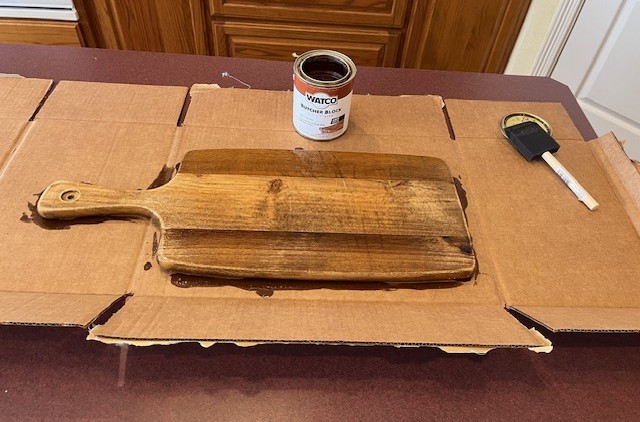
Your wooden cutting board is more than just a kitchen tool—it’s where you prepare your meals and create your favorite dishes. But do you know the best way to clean it?
Washing a wooden cutting board the wrong way can damage it or even make it unsafe to use. You’ll discover simple, effective steps to keep your board clean, fresh, and long-lasting. Stick with me, and you’ll never worry about germs or cracks again.
Let’s get started!

Credit: food52.com
Choosing The Right Cleaning Tools
Washing a wooden cutting board needs care. Choosing the right cleaning tools helps keep it safe.
Using the wrong tools can damage the wood. Select tools that clean well without scratching or soaking the board.
Soft Sponges And Brushes
Soft sponges and brushes clean gently. They remove food bits without harming the board’s surface.
Hard or rough scrubbers can leave scratches. These scratches can trap bacteria and damage the wood over time.
- Use sponges with a soft side for cleaning
- Choose brushes with soft bristles
- Avoid steel wool or rough scrub pads
Safe Cleaning Agents
Pick cleaning agents that are safe for wood. Harsh chemicals can dry out or stain the cutting board.
Mild soap and natural cleaners keep the wood healthy. Avoid bleach or strong detergents that break down the wood fibers.
- Use mild dish soap mixed with warm water
- Lemon juice and salt work as natural cleaners
- Vinegar diluted with water is safe for disinfecting
- Avoid bleach and ammonia-based cleaners
Credit: www.thekitchn.com
Daily Cleaning Routine
Keeping your wooden cutting board clean every day stops germs from growing. It also helps your board last longer.
Follow simple steps to rinse, scrub, and dry your board properly after use.
Rinsing And Scrubbing
Rinse your wooden board with warm water right after use. This removes food bits and stops stains.
- Use a soft sponge or brush with mild dish soap.
- Scrub both sides of the board gently.
- Rinse thoroughly to remove all soap.
- Avoid soaking the board in water.
Drying Properly
Dry the cutting board well to prevent cracks and mold growth. Good airflow helps the wood stay strong.
| Drying Tips |
|---|
| Stand the board on its side to air dry. |
| Use a clean towel to wipe excess water. |
| Keep the board away from direct heat or sunlight. |
| Allow at least a few hours to dry fully. |
Removing Stains And Odors
Wooden cutting boards can absorb stains and smells from food. Cleaning them well keeps them fresh and safe.
Using natural ingredients helps remove odors and stains without damaging the wood.
Using Lemon And Salt
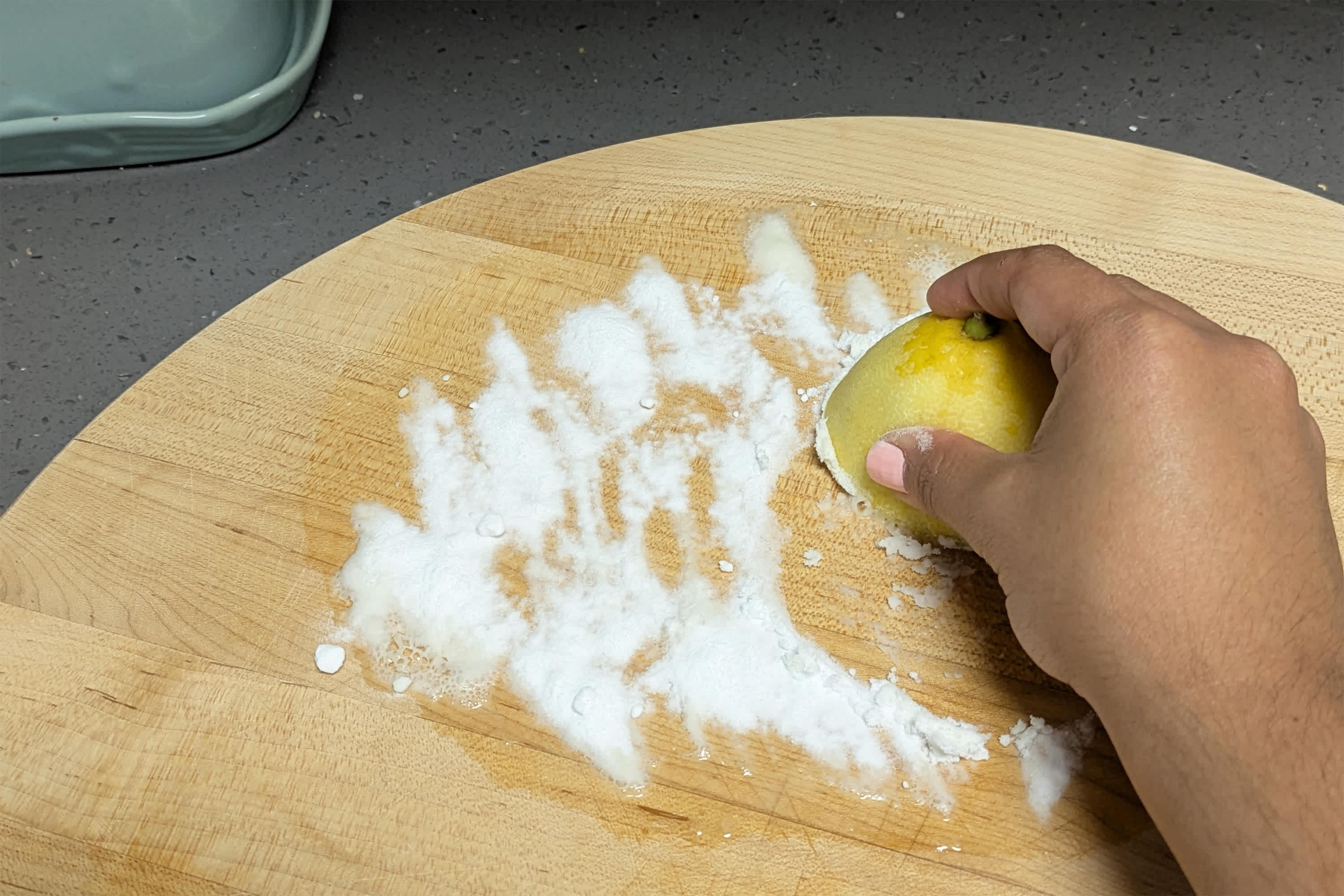
Lemon and salt work well to clean and freshen wooden boards. The lemon’s acid breaks down stains. Salt scrubs away dirt and smells.
Cut a lemon in half and sprinkle salt on the board. Rub the lemon over the salty spots. Let it sit for five minutes, then rinse with warm water.
- Cut lemon in half
- Sprinkle salt on board
- Rub lemon over salt
- Wait five minutes
- Rinse with warm water
Baking Soda Treatments
Baking soda removes strong smells and light stains. It acts as a gentle cleaner and deodorizer for wood.
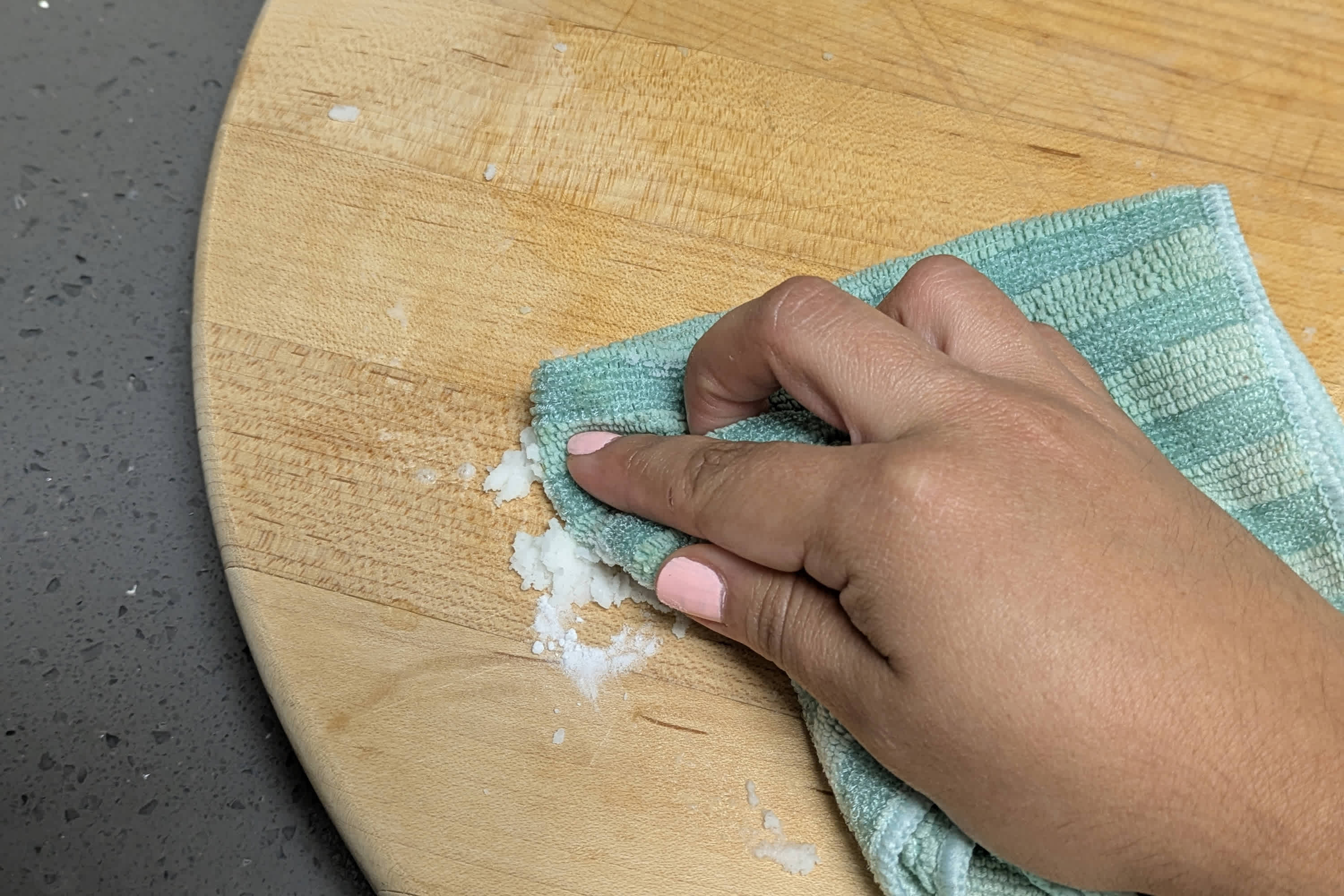
Make a paste with baking soda and water. Spread it on the board and scrub with a soft brush. Let it sit for a few minutes. Rinse well and dry.
- Mix baking soda with water to make paste
- Apply paste on cutting board
- Scrub gently with soft brush
- Let sit 5–10 minutes
- Rinse and dry thoroughly
Deep Cleaning Techniques
Wooden cutting boards need deep cleaning to stay safe and fresh. Dirt and bacteria can hide in the wood.
Using natural cleaners helps remove germs without hurting the board. Two good options are vinegar and hydrogen peroxide.
Vinegar Solutions
White vinegar is a natural cleaner and sanitizer. It kills many bacteria on wooden boards.
To clean, spray or wipe the board with vinegar. Let it sit for a few minutes before rinsing with water.
- Use plain white vinegar, not flavored types
- Apply vinegar evenly on the board’s surface
- Let it soak for 5 to 10 minutes
- Rinse with warm water and dry well
Hydrogen Peroxide Applications
Hydrogen peroxide is a strong cleaner that kills germs fast. It works well on wooden cutting boards.
Pour 3% hydrogen peroxide on the board and spread it. Wait for a few minutes, then rinse and dry thoroughly.
- Use 3% hydrogen peroxide from the store
- Cover the whole board with it
- Let it sit for 5 minutes to kill bacteria
- Rinse with water and dry completely
Maintaining Wood Integrity
Wooden cutting boards need special care to keep their strength. Washing and treating them the right way stops damage.
Good care helps the board last longer and stay safe for food use. It also keeps the wood looking nice.
Oiling Frequency And Methods
Oiling your wooden board stops it from drying out and cracking. You should oil it regularly to keep it healthy.
Use food-safe mineral oil or beeswax oil. Apply a thin layer and let it soak in overnight for best results.
- Oil your board once every 1-2 weeks if you use it a lot.
- Apply oil after each deep clean or when wood looks dry.
- Use a clean cloth to spread oil evenly over the surface.
- Wipe off extra oil to avoid sticky spots.
Avoiding Warping And Cracks
To avoid warping, never soak your board in water. Water makes wood swell and bend out of shape.
Dry your board quickly after washing. Keep it in a dry place with good air flow.
- Wash with warm water and mild soap. Do not use a dishwasher.
- Do not leave the board wet or stacked under heavy items.
- Store the board standing up or flat on a dry surface.
- Use a cutting board conditioner to protect against cracks.
What To Avoid When Cleaning
Cleaning a wooden cutting board needs care to keep it safe and lasting. Some cleaning habits can damage the wood or make it unsafe.
Knowing what to avoid helps you keep your cutting board in good shape and free from germs.
Harsh Chemicals
Strong cleaners can harm wooden boards. They might remove the wood’s natural oils and cause cracks or stains. Avoid bleach and other harsh chemicals.
- Do not use bleach or ammonia on wood
- Avoid antibacterial sprays with strong acids
- Skip harsh detergents that dry out the wood
- Use mild soap and warm water instead
Soaking And Dishwasher Use
Wood does not like too much water. Soaking or putting boards in the dishwasher can cause warping and cracking. Heat from the dishwasher also damages wood fibers.
| Avoid | Effect on Wood |
| Soaking for long periods | Wood swells and cracks |
| Dishwasher cleaning | Heat dries and warps wood |
| Using very hot water | Can cause splits and rough surface |
Signs It’s Time To Replace Your Board
Wooden cutting boards last a long time with good care. Still, some signs show you need a new one.
Check your board often to know when it is worn out or unsafe to use.
Deep Grooves And Cracks
Cutting boards get scratches from knives. Small scratches are normal. But deep grooves and cracks can trap bacteria.
- Grooves that are hard to clean
- Cracks that split the wood
- Pieces of wood coming loose
If you see these signs, your board may be unsafe. It is best to replace it to keep food safe.
Persistent Odors
Sometimes, wooden boards keep strong smells even after washing. This means bacteria or mold may be inside.
| Odor Type | Possible Cause | What to Do |
| Musty smell | Moisture trapped in wood | Air dry board completely |
| Food smell | Bacteria in deep scratches | Use baking soda paste to scrub |
| Strong persistent odor | Board is too old or damaged | Replace the cutting board |
Credit: www.thekitchn.com
Frequently Asked Questions
How Often Should I Wash My Wooden Cutting Board?
Wash your wooden cutting board after each use to maintain hygiene. Use warm water and mild dish soap to clean it thoroughly. Dry it immediately to prevent moisture absorption. Regular cleaning prevents bacteria buildup and extends the board’s lifespan.
Can I Use Vinegar To Clean My Board?
Yes, vinegar is effective for cleaning wooden cutting boards. Mix equal parts of water and white vinegar. Wipe the board with the solution using a cloth. This natural disinfectant removes odors and kills bacteria without damaging the wood.
Is It Safe To Put A Wooden Board In The Dishwasher?
No, dishwashers can warp and damage wooden cutting boards. The heat and moisture can cause the wood to split or crack. Always hand wash your wooden cutting board with mild soap and warm water for the best results.
How Do I Remove Stains From My Board?
To remove stains, sprinkle salt or baking soda on the board. Gently scrub with a lemon half, squeezing juice as you scrub. Let it sit for a few minutes, then rinse and dry. This method effectively lifts stains and deodorizes your board.
Conclusion
Washing a wooden cutting board is simple and important. Use warm water and mild soap to clean it. Avoid soaking or putting it in the dishwasher. Dry the board right after washing to stop cracks. Oil it regularly to keep wood healthy and strong.
Clean boards help keep food safe and tasty. Take care, and your cutting board will last long. Easy steps make a big difference in kitchen hygiene. Keep your wooden board clean and ready for use.