Have you ever wondered how many tons your air conditioner has? Knowing this can make a big difference in how comfortable your home stays and how much energy you use.
But what exactly does “tons” mean when it comes to air conditioners? And why should you care about it? You’ll discover the simple way to find out your AC’s size and why it matters for your comfort and savings. Keep reading—understanding this could change the way you cool your home forever.
What A Ton Means In Ac
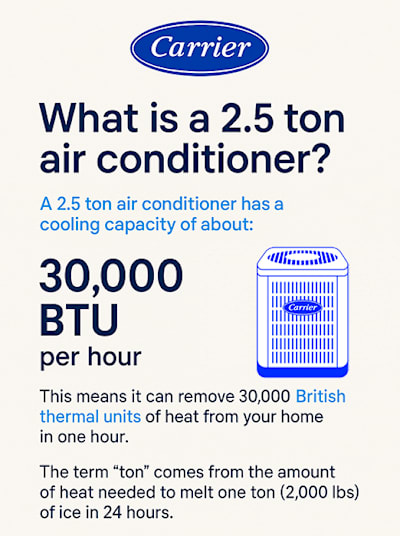
A ton in air conditioningmeans the cooling power of the unit. It is not about weight. One ton equals the ability to melt 2,000 pounds of ice in 24 hours.
This equals 12,000 BTUs per hour. BTU stands for British Thermal Unit. It measures heat energy.
| Ton | Cooling Capacity (BTU/hr) | Ice Melted per 24 Hours |
|---|---|---|
| 1 Ton | 12,000 BTU | 2,000 pounds |
| 2 Tons | 24,000 BTU | 4,000 pounds |
| 3 Tons | 36,000 BTU | 6,000 pounds |
Knowing the ton size helps choose the right air conditioner. Bigger spaces need more tons to cool well. Too big or too small units waste energy.

Credit: www.reddit.com
Why Size Matters
Choosing the right air conditioner sizeis very important. A unit that is too small will struggle to cool your space. It will run all the time and use more energy. This can lead to higher bills and less comfort.
A unit that is too big cools the room quickly but does not remove moisture well. This can make the air feel damp or sticky. It also wastes energy by turning on and off too often.
Air conditioners are measured in tons. One ton equals the ability to cool 12,000 BTUs per hour. The size you need depends on your room size, insulation, and climate.
- Small rooms usually need 0.5 to 1 ton units.
- Medium rooms fit 1 to 2 tons.
- Large spaces may need 3 tons or more.
Calculating Your Cooling Needs
To find the right air conditioner size, start by measuring the room size. Multiply the length by the width to get the square footage. The shape and layout affect how air moves in the room. Larger rooms or open layouts need more cooling power.
The climateplays a big role. Hotter places need stronger AC units to keep the room cool. Cooler climates may need less power. Think about how long your AC will run daily.
Good insulationand windowshelp keep cool air inside. Poor insulation or many windows mean more heat enters the room. This makes the AC work harder and may require a bigger unit.
Common Ton Sizes Explained
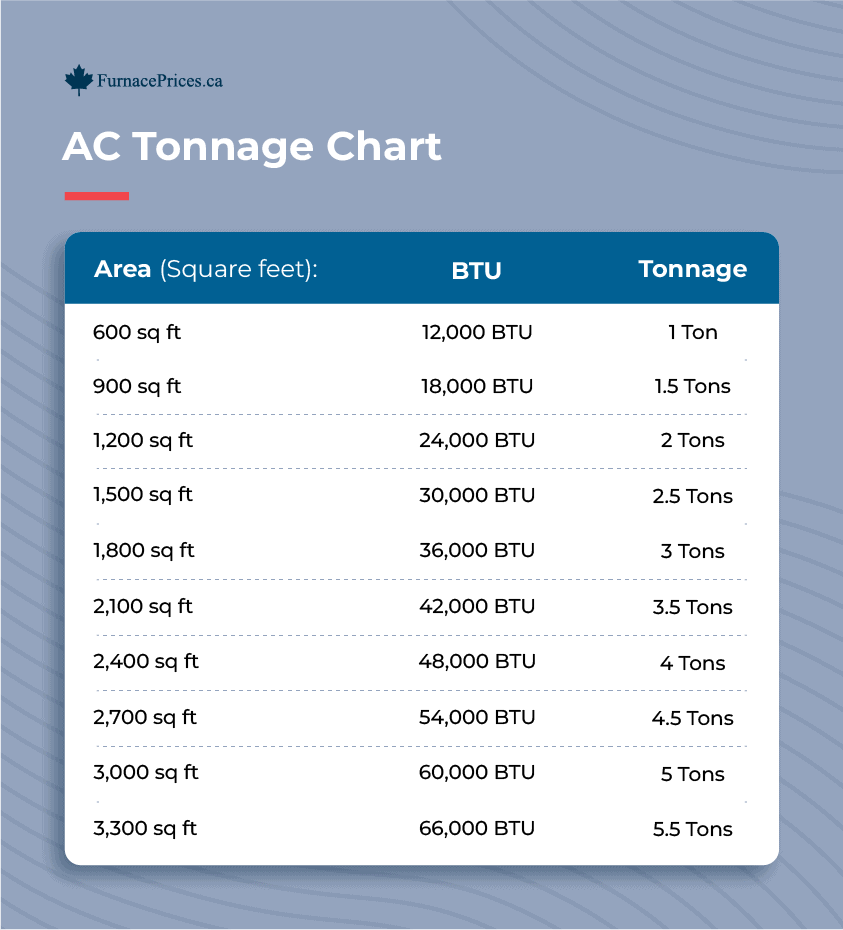
Air conditioner tonnage shows how much heat the unit can remove in an hour. One ton equals 12,000 BTUs, which cools about 400 to 600 square feet. Understanding ton sizes helps pick the right AC for your space.
Half Ton To One Ton
Half tonair conditioners cool small rooms up to 250 square feet. They use less energy and cost less to run. One tonunits are good for rooms about 400 to 600 square feet. These units balance power and energy use. Both sizes work well in homes and small offices.
Two Tons And Larger Units
Two tonair conditioners cool areas from 800 to 1,200 square feet. They are common in larger homes and small commercial spaces. Units larger than two tons serve big spaces like large houses or offices. These units use more power and need strong electrical support.
Signs Of An Incorrectly Sized Ac
Too Small:The AC runs all the time but never cools well. It may feel hot insideeven when the unit is on. High electric billshappen due to constant running. Moisture stays in the air, causing humidity problems. The unit wears out faster because it works too hard.
Too Large:The AC cools the room quickly but turns on and off often. This causes uneven temperature swings. It does not remove enough humidity, leaving the air damp. The frequent starts and stops use more energy. The system parts may break sooner due to this cycle.
Energy Efficiency And Cost Impact
Energy efficiencyaffects both comfort and monthly bills. Bigger air conditioners use more electricity. Smaller units save energy but may not cool well. The ton ratingshows cooling power. One ton equals 12,000 BTUs per hour.
Choosing the right size helps keep costs low. An oversized unitcools quickly but wastes energy. An undersized unitruns long and struggles to cool.
| AC Size (Tons) | BTUs per Hour | Energy Use | Cost Impact |
|---|---|---|---|
| 1 | 12,000 | Low | Lower bill |
| 2 | 24,000 | Medium | Moderate bill |
| 3 | 36,000 | High | Higher bill |
- Energy Star units cost less to run.
- Regular maintenance improves efficiency.
- Thermostat settings impact electricity use.
Professional Sizing Vs. Diy Methods
Professional sizinguses detailed calculations to find the best air conditioner size. Experts consider room size, insulation, windows,and local climate.This method ensures the AC cools efficiently and saves energy.
DIY methodsoften rely on simple rules like “20 BTU per square foot.” While easy, this can lead to too big or too smallunits. An oversized AC wastes power and cycles too often.
Professional sizing takes more time but gives better results.DIY is quick but less accurate. Choosing the right method depends on your needs and budget.
Credit: www.furnaceprices.ca
Upgrading Or Replacing Your Ac
Upgrading your air conditioner can save energy and money. Signs to upgrade include frequent repairs and high energy bills. Older units may not cool well or use newer refrigerants.
Choosing the right size for your AC is very important. A unit too small will not cool properly. A unit too large wastes energy and causes humidity problems.
| Room Size (sq ft) | Recommended AC Size (Tons) |
|---|---|
| 100-300 | 0.75 – 1 |
| 300-600 | 1.5 – 2 |
| 600-1000 | 2 – 2.5 |
| 1000-1500 | 3 – 4 |
- Measure your space before buying.
- Consider insulation and windows.
- Ask a professional for help if unsure.

Credit: www.reddit.com
Frequently Asked Questions
What Is An Air Conditioner Ton?
A ton in air conditioning refers to the unit’s cooling capacity. It equals the amount of heat required to melt one ton of ice in a day. Typically, one ton equals 12,000 BTUs (British Thermal Units) per hour. This measurement helps determine the size of an air conditioner needed for a specific space.
How Do I Calculate Ac Tonnage?
To calculate AC tonnage, first measure the square footage of your space. Generally, you need 20 BTUs per square foot. Divide the total BTUs by 12,000 to determine the tonnage. For example, a 2,400 sq. Ft. space needs a 4-ton AC unit.
Always consult a professional for precise calculations.
Why Is Ac Tonnage Important?
AC tonnage is crucial as it determines your unit’s cooling efficiency. An undersized unit will struggle to cool, increasing energy costs. An oversized unit will cycle on and off too quickly, leading to inefficiency. Proper tonnage ensures optimal comfort, energy efficiency, and system longevity.
How Does Ac Tonnage Affect Energy Consumption?
AC tonnage directly impacts energy consumption. A properly sized unit cools efficiently, reducing energy costs. An undersized unit runs continuously, consuming more energy. Conversely, an oversized unit short cycles, wasting energy. Correct tonnage ensures balanced energy use, minimizing bills while maintaining comfort.
Conclusion
Knowing the size of your air conditioner helps with better cooling. A ton shows how much heat your AC can remove. Choosing the right tonnage saves energy and money. Too small or too big can cause problems. Check the label or manual to find your AC’s ton size.
This simple step makes your home comfortable all year. Keep your space cool without wasting power. Understanding your AC size makes a big difference.