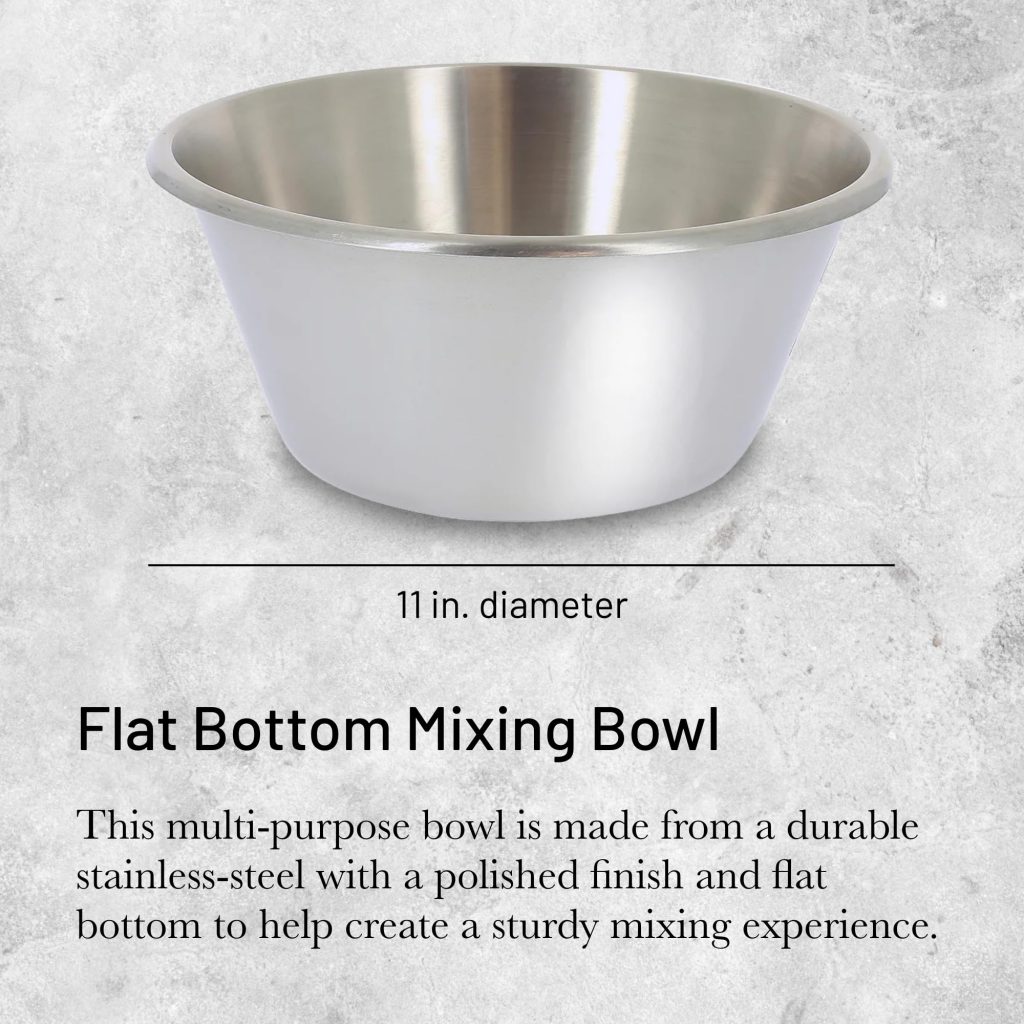
Are you wondering if your metal mixing bowls can go straight into the dishwasher without damage? You’re not alone.
Many people ask this question because using the dishwasher seems like the easiest way to clean up after cooking or baking. But is it really safe for your metal bowls? Keep reading, and you’ll discover the truth about dishwasher use for metal bowls, plus tips to keep them looking new and lasting longer.
This simple knowledge can save you time, money, and frustration in the kitchen.

Credit: www.amazon.ca
Metal Bowl Types
Metal mixing bowls come in different types. Each type has its own traits and care needs.
Knowing the metal type helps you decide if the bowl is dishwasher safe or not.
Stainless Steel Bowls
Stainless steel bowls are very popular in kitchens. They resist rust and stains well.
Most stainless steel bowls are safe to use in dishwashers. They handle heat and water without damage.
- Non-reactive with foods
- Durable and long-lasting
- Easy to clean by hand or dishwasher
Aluminum Bowls
Aluminum bowls are lightweight and conduct heat well. They are common in many kitchens.
Not all aluminum bowls are dishwasher safe. Dishwashers can cause discoloration or dullness.
- Can react with acidic foods
- May lose shine in dishwasher
- Hand washing is often best
Other Metal Variants
Other metal bowls include copper and tin. These metals need extra care to stay nice.
Most copper and tin bowls are not dishwasher safe. Harsh dishwasher detergents can damage them.
- Copper bowls may tarnish quickly
- Tin bowls can dent or scratch easily
- Hand wash with mild soap and dry well
Dishwasher Safety Factors
Metal mixing bowls are common in kitchens. Knowing if they are dishwasher safe helps keep them in good shape. Several factors affect their durability in the dishwasher.
This guide looks at key points: material durability, coating and finish, and heat and water exposure. These points help decide if metal bowls can go in the dishwasher safely.
Material Durability
Metal bowls come in different materials like stainless steel, aluminum, and copper. Each type reacts differently to dishwasher cycles.
- Stainless steel is strong and resists rust. It usually handles dishwashers well.
- Aluminum can discolor or dull from dishwasher detergents.
- Copper bowls may tarnish or lose shine after washing.
Coating And Finish
The coating on metal bowls affects dishwasher safety. Some have non-stick or painted finishes. Others have polished or brushed surfaces.
| Coating Type | Dishwasher Safe | Notes |
| Non-stick | No | Heat and detergent damage coating |
| Painted | No | Paint may peel or fade |
| Polished Stainless Steel | Yes | Durable and resists marks |
| Brushed Metal | Usually | Might dull over time |
Heat And Water Exposure
Dishwashers use hot water and strong jets. These can affect metal bowls differently depending on their build.
- High heat can warp thinner metals or damage coatings.
- Water pressure may cause dents if bowls are thin.
- Repeated exposure to water and heat can cause rust spots on non-stainless metals.
- Drying cycles in dishwashers can leave water spots on metal surfaces.
Potential Risks In Dishwashers
Metal mixing bowls are popular in many kitchens. They are strong and easy to clean. But putting them in dishwashers can cause some problems.
This article covers the main risks metal bowls face in dishwashers. Knowing these risks helps you take better care of your bowls.
Rust And Corrosion
Dishwashers use water and detergent that can cause metal bowls to rust or corrode. Some metals are more vulnerable than others. Rust weakens the bowl and can leave spots on your food.
- Water trapped in seams can lead to rust
- Harsh detergents wear down protective layers
- Long dishwasher cycles increase corrosion risk
- Bowls made from low-quality metal rust faster
Discoloration And Stains
High heat and strong dishwasher detergents can cause stains or dull spots on metal bowls. This changes the bowl’s look and may be hard to clean off.
| Cause | Effect on Bowl |
| High heat | Fading or dull finish |
| Harsh detergents | Stains or discoloration |
| Mineral deposits | White spots or film |
Warping And Damage
Metal bowls can warp or get damaged in dishwashers. The heat and water pressure may change their shape or cause dents.
Signs of warping or damage include:
- Uneven edges or bent rims
- Loose or rattling bowls during washing
- Cracks or dents on the surface
Safe Cleaning Alternatives
Metal mixing bowls are common in kitchens. Knowing how to clean them safely keeps them shiny and lasts longer.
This guide shares safe ways to wash, clean, dry, and store metal bowls without damage.
Hand Washing Techniques
Washing metal bowls by hand helps avoid scratches and rust. Use warm water and gentle scrubbing tools like sponges or soft cloths.
- Fill bowl with warm water and mild soap.
- Use a soft sponge to clean inside and outside.
- Rinse thoroughly with clean water.
- Dry immediately to prevent water spots.
Recommended Cleaning Agents
Choose cleaning agents that do not harm the metal. Avoid harsh chemicals or abrasive powders that can scratch or discolor the bowl.
| Cleaning Agent | Use | Avoid |
| Mild Dish Soap | Safe for daily cleaning | None |
| Baking Soda | Remove stains gently | Do not scrub hard |
| White Vinegar | Remove mineral deposits | Do not soak long |
| Abrasive Cleaners | Not recommended | Can scratch metal |
Drying And Storage Tips
Proper drying and storage keep metal bowls clean and rust-free. Always dry bowls right after washing.
- Use a clean towel to dry the bowl immediately.
- Store in a dry place away from moisture.
- Stack bowls carefully to avoid scratches.
- Leave lids off until bowls are fully dry.
Maintaining Metal Bowl Longevity
Metal mixing bowls are strong and useful in every kitchen. To keep them working well for many years, you must care for them properly.
Simple steps can protect your metal bowls from damage. These steps help keep the metal shiny and free from rust or scratches.
Avoiding Harsh Chemicals
Harsh chemicals can harm the metal surface of your bowls. Avoid using strong cleaners that contain bleach or ammonia.
- Use mild dish soap and warm water for cleaning.
- Do not use abrasive scrubbers or steel wool.
- Rinse bowls well to remove all soap.
- Dry bowls immediately after washing to prevent water spots.
Regular Inspection
Check your metal bowls often for signs of damage or wear. This helps find small problems before they get worse.
| What to Check | Why It Matters |
| Scratches | Can lead to rust spots |
| Dents | May affect bowl stability |
| Discoloration | Shows possible chemical damage |
| Loose Handles | Can cause accidents |
Proper Usage Practices
Use your metal bowls in ways that protect their surface and shape. Follow these tips for best results.
- Do not use metal bowls in the microwave.
- Avoid dropping or banging bowls on hard surfaces.
- Do not cut or chop food directly inside the bowl.
- Store bowls stacked carefully to avoid scratches.

Credit: www.amazon.ca

Credit: www.amazon.ca
Frequently Asked Questions
Are Metal Mixing Bowls Safe For Dishwashers?
Yes, most metal mixing bowls are dishwasher safe. Stainless steel bowls are especially durable and resist rust. However, check manufacturer guidelines to ensure safety. Avoid prolonged exposure to high heat settings in dishwashers. This helps maintain the bowl’s quality and longevity.
Do Metal Bowls Rust In Dishwashers?
High-quality stainless steel bowls resist rusting, even in dishwashers. Cheaper metal bowls may rust over time. Always dry bowls thoroughly after washing to prevent rust. Regularly check for any signs of corrosion to ensure longevity.
Can Dishwasher Damage Metal Mixing Bowls?
Dishwashers generally don’t damage quality metal mixing bowls. However, avoid harsh detergents and high heat settings. These can cause discoloration or warping. Always follow manufacturer instructions for best results. Proper care prolongs the life of your bowls.
How To Clean Metal Mixing Bowls Safely?
To clean metal mixing bowls, use mild detergent and warm water. Avoid abrasive scrubbers that may scratch the surface. For dishwasher use, place bowls securely to prevent knocking. Dry thoroughly after washing to prevent any rust formation.
Conclusion
Metal mixing bowls usually handle dishwasher cleaning well. Check the label to be sure about your bowl. Avoid harsh detergents that can dull the metal finish. Place bowls securely to prevent dents or scratches. Hand washing is gentle but takes more time.
Choose the cleaning method that fits your needs best. Keep your bowls shiny and ready for the next use. Simple care extends the life of your kitchen tools. Clean bowls make cooking more enjoyable and safe.