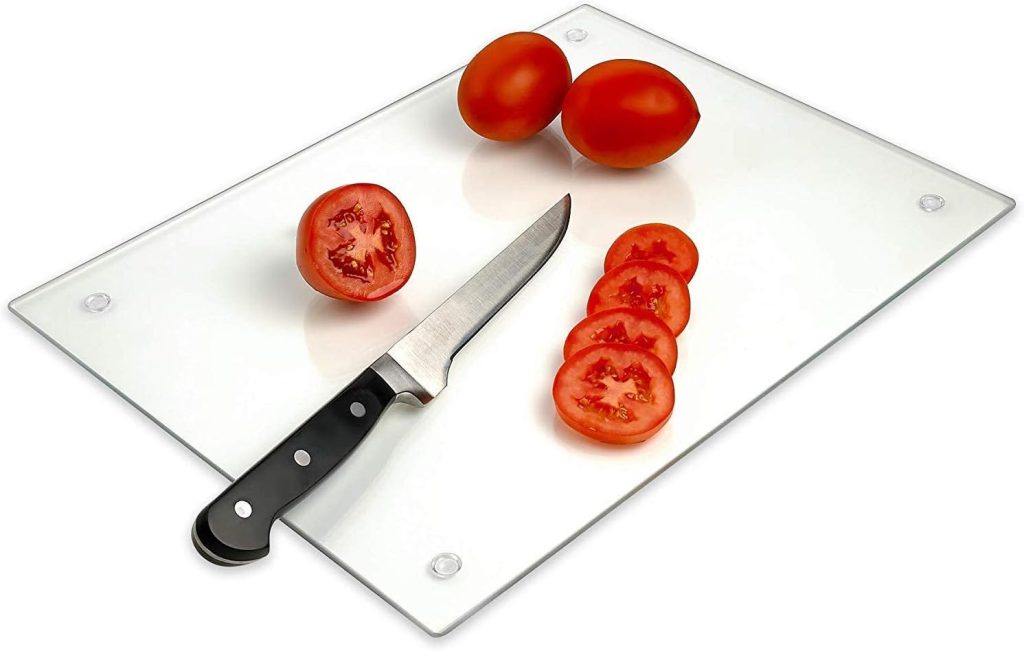
Are you thinking about switching to a glass cutting board but aren’t sure if it’s the right choice for your kitchen? You might wonder if glass boards are safe for your knives or if they can handle everyday chopping without breaking.
Choosing the right cutting board affects not only your cooking experience but also the life of your knives and the cleanliness of your kitchen. Keep reading, and you’ll discover the surprising pros and cons of glass cutting boards—so you can decide if they truly fit your cooking style and needs.
Benefits Of Glass Cutting Boards
Glass cutting boards are popular in many kitchens. They offer unique advantages over other types.
These boards are easy to care for and look clean and modern. They suit many cooking styles.
Durability And Longevity
Glass cutting boards are strong and do not wear out quickly. They can last for many years.
They resist scratches and cracks better than some wood or plastic boards. This keeps them safe to use.
Ease Of Cleaning
Cleaning glass cutting boards is simple. You can wash them with soap and water easily.
They are safe for dishwashers too. This helps remove all food residues and germs well.
Non-porous Surface
Glass cutting boards have a non-porous surface. This means they do not absorb liquids or bacteria.
This helps keep food safe and prevents smells or stains from building up on the board.
Aesthetic Appeal
Glass cutting boards have a sleek and modern look. They add style to any kitchen counter.
Many come in clear or colored glass. This lets you choose a board that fits your kitchen design.

Credit: www.amazon.com
Drawbacks Of Glass Cutting Boards
Glass cutting boards look sleek and are easy to clean. Many people like their clear design and hard surface.
Still, glass cutting boards have some downsides that might affect your kitchen work. Knowing these can help you decide.
Knife Damage Risks
Glass boards are very hard and do not absorb knife impact. This can dull your knives faster than other boards.
Cutting on glass can make your knife edges chip or become blunt quickly. You might spend more on sharpening or replacing knives.
Slippery Surface Concerns
Glass cutting boards have smooth surfaces that can be slippery. This makes it harder to keep food steady while cutting.
If the board moves or slips, it increases the chance of accidents in the kitchen. You may need to use a non-slip mat underneath.
Potential For Breakage
Glass boards can break or crack if dropped. Broken glass is dangerous and can cause cuts or injuries.
Even a small chip can ruin the board and make it unsafe to use. You must handle glass boards carefully to avoid damage.
Noise Issues
Cutting on glass boards creates loud noise. The sound of knife hitting glass can be sharp and unpleasant.
This noise can be annoying, especially in quiet kitchens or when cooking for a long time. It can also scare pets or children.
Comparing Glass To Other Materials
Glass cutting boards are popular in many kitchens. They offer a different experience compared to other materials. Understanding their pros and cons helps you pick the right board.
This article looks at how glass compares to wood, plastic, and bamboo cutting boards. Each material has unique features for cooking and cleaning.
Wood Vs. Glass
Wood cutting boards feel warm and natural. They are gentle on knives and have a classic look. Glass boards are smooth and cold, and they do not absorb liquids or smells.
- Wood boards can dull knives less than glass.
- Glass boards resist stains and odors better than wood.
- Wood needs regular oiling to avoid cracking.
- Glass boards are easy to clean but can chip or crack if dropped.
Plastic Vs. Glass
Plastic cutting boards are lightweight and affordable. They often come in bright colors. Glass boards look sleek but are heavier and harder.
| Feature | Plastic | Glass |
| Weight | Light | Heavy |
| Knife Friendly | Yes | No |
| Cleaning | Dishwasher safe | Easy to clean |
| Durability | Can scratch | Can chip or crack |
Bamboo Vs. Glass
Bamboo boards are hard and eco-friendly. They resist water better than wood. Glass boards do not absorb water at all.
Here are key points to consider:
- Bamboo is less likely to dull knives than glass.
- Bamboo needs oiling but less often than wood.
- Glass boards do not hold bacteria if cleaned well.
- Bamboo is renewable, while glass is recyclable.

Credit: www.amazon.com
Best Practices For Using Glass Boards
Glass cutting boards look clean and modern in any kitchen. They are easy to clean and do not absorb odors or stains. Using them properly helps keep your knives sharp and your board safe.
Follow simple tips to protect your knives and keep your glass board in good shape. These steps also help you clean the board safely and choose the best glass board for your needs.
Preventing Knife Damage
Glass boards are very hard and can dull your knives quickly. Use gentle cutting techniques to avoid damage. Avoid chopping hard foods like bones on glass boards.
Try to use a rocking motion instead of heavy chopping. This puts less stress on your knife edges and helps them last longer.
- Do not use glass boards for heavy chopping.
- Use a light grip and gentle cutting motions.
- Consider using a wooden or plastic board for delicate knives.
Safe Cleaning Tips
Cleaning glass boards is easy but requires care. Avoid harsh cleaners that can scratch the surface. Use warm water and mild soap instead.
Do not use abrasive scrubbers. A soft sponge or cloth works best. Dry the board completely to stop water spots and keep it clear.
- Use warm water and mild soap for cleaning.
- Avoid steel wool or rough scrubbers.
- Dry the board after washing to prevent spots.
- Dishwasher safe boards can be cleaned in the dishwasher.
Choosing The Right Glass Board
Glass boards come in many sizes and thicknesses. Pick one that fits your kitchen space and cutting needs. Thicker boards tend to be more durable and stable.
Look for tempered glass for safety. Tempered glass is stronger and less likely to break into sharp pieces. Choose a board with rubber feet to stop slipping.
- Choose tempered glass for added safety.
- Select a size that fits your countertop space.
- Thicker boards offer better stability.
- Rubber feet help prevent slipping during use.
Who Should Choose Glass Cutting Boards
Glass cutting boards offer a unique option in the kitchen. They are smooth, easy to clean, and look modern.
Choosing the right cutting board depends on your needs and cooking habits.
Ideal Users
Glass cutting boards suit people who want a hygienic and stylish kitchen tool.
- Those who prefer easy-to-clean surfaces.
- People who rarely use knives that need sharp edges.
- Users who want a non-porous cutting surface.
- Individuals who value a modern look in their kitchen.
Situations To Avoid
Glass cutting boards are not ideal for all types of cooking or users.
- Avoid if you use very sharp knives often.
- Not suitable if you need a soft surface to protect knife edges.
- Not recommended for heavy chopping or pounding tasks.
- Better to skip if you want a lightweight board for easy handling.
Balancing Pros And Cons
| Pros | Cons |
| Easy to clean and sanitize | Can dull knives quickly |
| Non-porous, resists stains and odors | May cause knives to slip |
| Durable and heat resistant | Can break if dropped |
| Modern and sleek appearance | Hard surface can be noisy |

Credit: www.amazon.com
Frequently Asked Questions
Are Glass Cutting Boards Safe For Knives?
Glass cutting boards can dull knife edges quickly. Their hard surface provides less give compared to wood or plastic. Frequent use may require more regular knife sharpening. However, they are easy to clean and maintain. It’s essential to weigh the pros and cons based on your kitchen habits.
Do Glass Cutting Boards Harbor Bacteria?
Glass cutting boards are non-porous, making them resistant to bacteria. Unlike wood or plastic, they don’t absorb juices or odors. This makes them more hygienic and easy to sanitize. Regular cleaning with soap and water ensures they remain a safe option for food preparation.
Are Glass Cutting Boards Dishwasher Safe?
Yes, glass cutting boards are usually dishwasher safe. Their durability and non-porous nature make them ideal for machine washing. This feature ensures thorough cleaning and sanitization. Always check the manufacturer’s instructions to confirm dishwasher compatibility and maintain the board’s longevity.
How Durable Are Glass Cutting Boards?
Glass cutting boards are highly durable and resistant to scratches. Their tough surface can withstand regular use without significant wear. However, they can shatter if dropped. Proper handling and storage are crucial to maintaining their condition and preventing accidents in the kitchen.
Conclusion
Glass cutting boards offer a clean and sturdy surface for food prep. They resist stains and odors better than many other boards. Their smooth surface makes cleaning quick and simple. Yet, they can dull knives faster and may slip on counters.
Consider your cooking style before choosing one. They suit some kitchens but not all. Think about what matters most: durability, knife care, or hygiene. Glass boards can work well with the right care and use. Choose wisely for a kitchen tool that fits your needs.