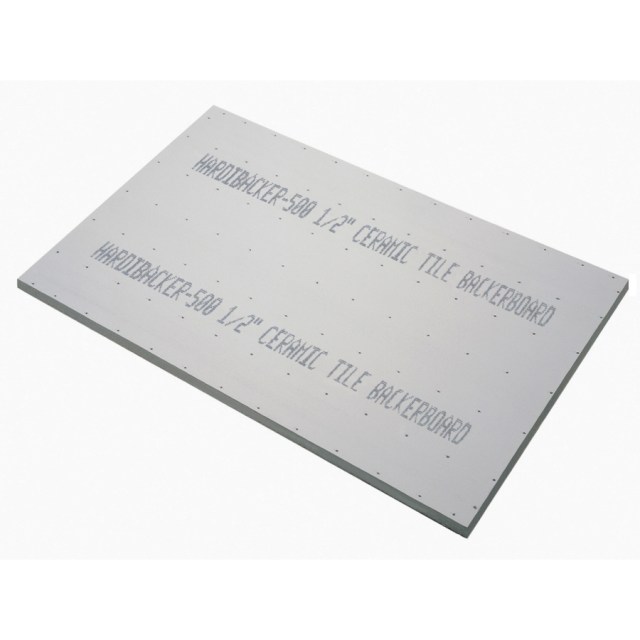
Are you ready to tackle your next home project but feeling unsure about cutting Hardiebacker cement board? You’re not alone.
This sturdy material can be tricky to handle if you don’t know the right techniques. But don’t worry—once you learn how to cut it properly, you’ll save time, avoid mistakes, and get a clean, professional finish every time. Keep reading, and you’ll discover simple steps and expert tips that make cutting Hardiebacker easier than you ever thought possible.
Your project is about to get a whole lot smoother.
Tools Needed
Cutting Hardiebacker cement board requires the right tools to make clean and precise cuts. Using proper equipment will save time and reduce mistakes.
Below are the essential cutting tools and safety gear you need before starting your project.
Essential Cutting Tools
You need tools designed to handle the hardness of cement board. A sharp and sturdy blade helps you cut through easily.
- Carbide-tipped scoring knife for manual scoring and snapping
- Utility knife with fresh blades for clean cuts
- Hand saw with carbide teeth for controlled cutting
- Jigsaw with a diamond or carbide blade for curved cuts
- Angle grinder with a diamond blade for fast, rough cuts
- Measuring tape to mark accurate cut lines
- Straightedge or T-square for guiding cuts
Safety Gear
Cutting cement board creates dust that can harm your lungs and eyes. Wear proper safety gear to protect yourself.
| Safety Item | Purpose |
| Dust mask or respirator | Prevents inhaling harmful dust particles |
| Safety goggles | Protects eyes from dust and debris |
| Work gloves | Protects hands from sharp edges and rough surfaces |
| Long-sleeve shirt and pants | Reduces skin contact with dust |
| Hearing protection | Reduces noise from power cutting tools |
Preparing The Work Area
Cutting Hardiebacker cement board needs a clean and safe space. Getting the area ready helps you work well and stay safe.
Organize your tools and materials before starting. This saves time and keeps the process smooth.
Clear And Stable Surface
Find a flat, sturdy table or workbench to place the cement board. A solid surface stops the board from moving while you cut.
Clear the area of dust, debris, or anything that may cause slips. This keeps your work safe and steady.
- Use a workbench or strong table
- Remove clutter and dust
- Ensure good lighting for visibility
- Keep safety gear nearby
Marking The Cut Lines
Use a pencil or chalk to draw clear, straight lines on the board. These lines guide your cuts and make them accurate.
Measure twice before marking to avoid mistakes. Use a ruler or straight edge for clean lines.
- Measure the cut length carefully
- Use a ruler or straight edge
- Draw visible lines on the board
- Double-check measurements before cutting
Scoring The Cement Board
Cutting Hardiebacker cement board needs care and the right tools. Scoring is a simple way to cut it cleanly.
Scoring means making a shallow cut on the board surface before snapping it. This helps you get a straight and smooth edge.
Choosing The Right Knife
Use a utility knife with a sharp, strong blade. The blade should be new or very sharp to cut easily.
A dull blade can tear the board surface and make rough edges. A sharp blade gives a clean score line.
- Pick a utility knife with replaceable blades
- Use a new blade for best results
- Wear gloves to protect your hands
Proper Scoring Technique
Place the cement board on a flat surface. Use a straightedge or ruler to guide your knife.
Press the knife firmly and score the board surface once or twice. Do not cut too deep at first.
- Score along the marked line with steady pressure
- Make the cut about halfway through the board thickness
- Snap the board along the scored line after cutting

Credit: insulationgo.co.uk
Snapping The Board
Cutting Hardiebacker cement board involves scoring and snapping the board. Snapping is a clean way to break the board along the scored line.
This method works best when you apply the right pressure and handle the board carefully. It helps keep the edges smooth and reduces dust.
Applying Pressure Correctly
After scoring the board, place it on a flat surface with the scored line facing up. Use your hands to apply firm, even pressure on both sides of the line.
Press down slowly until the board snaps cleanly along the score. Avoid pressing too hard in one spot to prevent uneven breaks or cracks.
- Score the board deeply before snapping
- Place the board on a stable surface
- Use both hands for even pressure
- Press slowly and evenly
- Keep the scored line facing up
Handling The Snap Safely
Wear gloves to protect your hands from sharp edges after snapping the board. Handle the broken pieces carefully to avoid cuts.
Support the board from underneath while snapping to control the break. Clean up dust and debris to keep your workspace safe.
- Wear protective gloves
- Support the board on both sides
- Break the board slowly
- Watch out for sharp edges
- Clean dust after cutting
Smoothing The Edges
Cutting Hardiebacker cement board can leave rough edges. Smoothing these edges is important for a clean finish. It also helps the board fit better in place.
Using the right tools to smooth edges makes your work safer and easier. Two common tools are a rasp and sandpaper.
Using A Rasp Or Sandpaper
A rasp is a tool with rough teeth that quickly smooths sharp edges. It works well for shaping and evening out cuts on cement board.
Sandpaper is good for finer smoothing. Use medium-grit sandpaper to remove small burrs. Then, use fine-grit sandpaper for a smooth finish.
- Hold the rasp firmly and move it back and forth along the edge.
- Use medium-grit sandpaper to smooth rough spots.
- Finish with fine-grit sandpaper for a clean edge.
- Wear a mask to avoid breathing dust particles.
Ensuring Clean Edges
Clean edges make the installation look professional. They also help tiles or other materials stick better on top.
After smoothing, wipe the edges with a damp cloth to remove dust. Check for any rough spots and smooth again if needed.
- Inspect edges under good light to find rough areas.
- Use a damp cloth to clean dust from edges.
- Repeat smoothing on any rough spots found.
- Handle the board carefully to avoid chipping edges.

Credit: www.tilemountain.co.uk
Cutting Curves And Irregular Shapes
Cutting curves and odd shapes in Hardiebacker cement board needs care and the right tools. Straight cuts are easy, but curves require more control.
Using the correct method helps you get smooth edges without breaking the board. This guide covers how to cut curves safely and neatly.
Using A Jigsaw Or Angle Grinder
A jigsaw with a carbide-grit blade can cut curves in Hardiebacker board smoothly. It moves easily along your marked lines.
An angle grinder with a diamond blade also works well. It cuts faster but needs steady hands and safety gear.
- Secure the board to avoid movement
- Draw your curve clearly with a pencil
- Use slow, steady cuts for better control
- Wear safety glasses and a mask to protect from dust
- Keep the blade cool by pausing often
Tips For Precision
Measure twice before cutting to avoid mistakes. Use a flexible ruler or a string to draw curves accurately.
Cut outside the line and smooth edges later with sanding tools. This prevents cutting too much material.
- Mark curves clearly with pencil or chalk
- Clamp the board firmly to your work surface
- Cut slowly to follow lines exactly
- Sand edges lightly to remove rough spots
- Use dust collection or work outdoors
Common Mistakes To Avoid
Cutting Hardiebacker cement board needs care and the right tools. Mistakes can cause damage to the board or waste materials.
This guide covers common errors to avoid. Learning these helps you get clean cuts and safe results.
Incorrect Tool Usage
Using the wrong tools can chip or break the cement board. Some tools create too much dust or rough edges.
- Do not use dull blades or scissors not meant for cement board.
- Avoid using a standard handsaw; it can cause uneven cuts.
- Use a carbide-tipped scoring knife or a circular saw with a diamond blade.
- Wear a mask and goggles to protect from dust when cutting.
Poor Measurement Practices
Wrong measurements lead to wasted board and poor fitting. Take time to measure twice and mark clearly.
| Common Measurement Errors | How to Avoid Them |
| Rushing to mark cuts | Use a pencil and straight edge carefully |
| Ignoring board thickness | Include thickness in your measurements |
| Not checking corners and angles | Use a square tool for perfect right angles |
| Measuring only once | Always measure twice before cutting |
Maintenance And Cleanup
Cleaning up after cutting Hardiebacker cement board keeps your workspace safe. Proper maintenance helps your tools last longer.
Handling waste and cleaning tools carefully reduces dust and hazards. Follow simple steps to finish your project cleanly.
Disposing Of Waste Safely
Hardiebacker cement board scraps produce dust and sharp edges. Dispose of waste carefully to avoid injury and pollution.
- Wear gloves and a dust mask when handling scraps
- Collect all small pieces and dust in a heavy-duty bag
- Seal the bag tightly before disposal
- Check local regulations for cement board waste disposal
- Avoid throwing waste in regular trash if banned
Cleaning Tools After Use
Clean your cutting tools right after use to keep them sharp and rust-free. Remove dust and debris carefully.
| Tool | Cleaning Method |
| Utility Knife | Wipe blade with a damp cloth, dry well |
| Carbide Blade Saw | Brush off dust, oil lightly to prevent rust |
| Measuring Tape | Wipe clean, remove any cement dust |
| Safety Gear | Wash gloves and goggles with mild soap |
Credit: www.homedepot.com
Frequently Asked Questions
What Tools Are Needed To Cut Hardiebacker?
To cut Hardiebacker cement board, you’ll need a carbide-tipped scoring knife or a circular saw. A jigsaw with a carbide blade is useful for curves. Always wear safety goggles and a dust mask to protect yourself from dust. These tools ensure clean and precise cuts on the board.
Can I Use A Utility Knife For Hardiebacker?
Yes, you can use a carbide-tipped utility knife to score and snap Hardiebacker. Ensure the knife is sharp for effective scoring. This method is best for straight cuts. For more complex cuts, consider using a power tool. Always prioritize safety by wearing protective gear during the process.
How To Cut Hardiebacker With Minimal Dust?
To minimize dust, score the Hardiebacker board rather than using a saw. Use a wet saw for fewer dust particles. Alternatively, dampen the board slightly before cutting. Always work in a well-ventilated area and wear a dust mask. These precautions help reduce dust exposure significantly.
Is It Necessary To Wear Safety Gear?
Yes, wearing safety gear is crucial when cutting Hardiebacker cement board. Use safety goggles to protect your eyes from dust and debris. A dust mask or respirator helps prevent inhalation of harmful particles. Gloves offer protection from sharp edges. Prioritize safety to avoid potential injuries during the cutting process.
Conclusion
Cutting Hardiebacker cement board is simple with the right tools. Score and snap for straight cuts. Use a carbide-tipped blade for curves or detailed cuts. Wear safety gear to protect your eyes and lungs. Take your time to avoid mistakes and damage.
Practice on scrap pieces to build confidence. Following these steps helps you finish your project cleanly and safely. Now, you can handle Hardiebacker cutting tasks with ease.