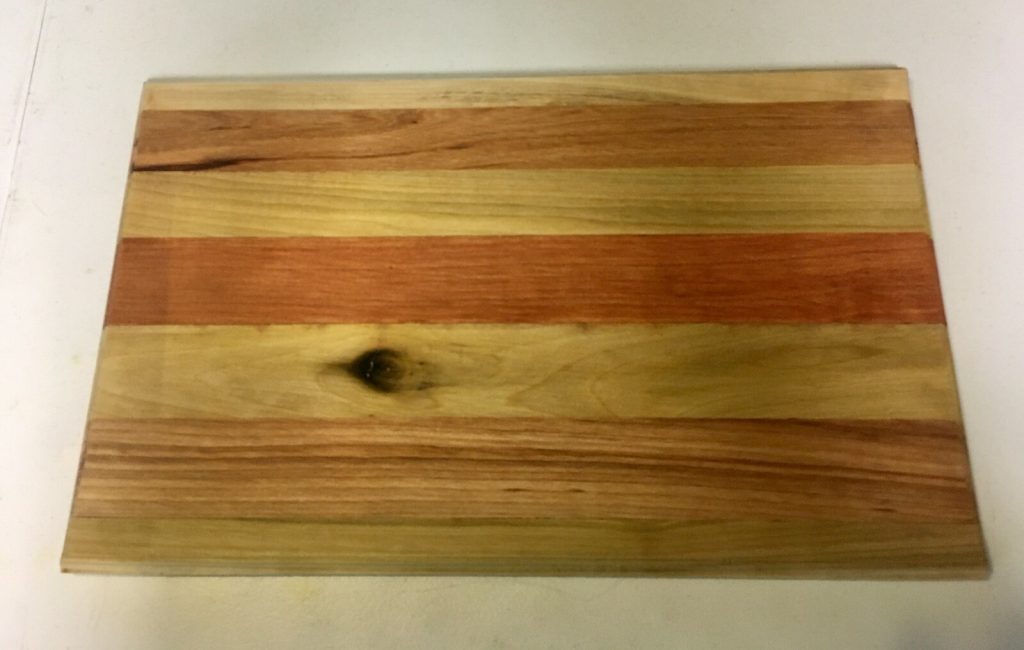
Are you thinking about making your own cutting board or choosing the right wood for one? Poplar might be on your list, but is it really a good choice?
You want a cutting board that’s durable, safe, and easy to care for. You’ll discover the truth about poplar wood—its strengths, weaknesses, and whether it fits your kitchen needs. Keep reading to find out if poplar is the perfect match for your cutting board project.

Credit: www.clinescraftedwoodworking.com
Poplar Wood Characteristics
Poplar wood is a popular choice for many woodworking projects. It is often used for furniture and small items like cutting boards. Understanding poplar’s features helps decide if it suits your needs.
This wood is known for being affordable and easy to work with. Let’s look at its grain, durability, and how it handles moisture.
Grain And Texture
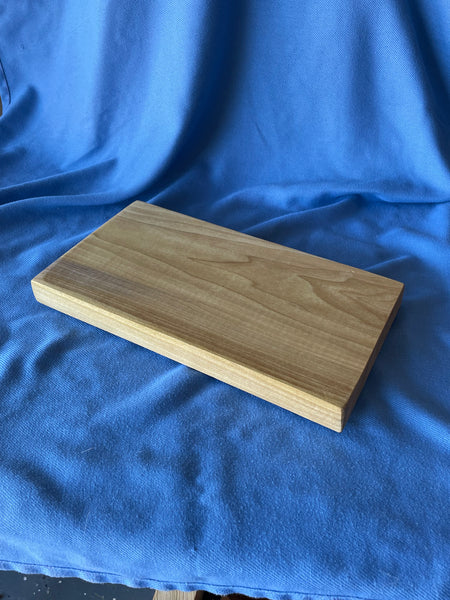
Poplar has a straight and uniform grain. Its texture is smooth and fine. This makes it easy to sand and finish well.
The wood’s light color ranges from creamy white to light green or brown. It can have small knots but is mostly clear.
Durability And Hardness
Poplar is a soft hardwood. It is not as hard as maple or oak. This means it can get dents and scratches more easily.
For cutting boards, poplar may wear down faster with heavy use. It is better for light or decorative cutting boards.
- Janka hardness rating: about 540
- Less durable than harder woods
- Good for gentle use and display
Moisture Resistance
Poplar is not very moisture resistant. It absorbs water easily, which can cause warping or swelling.
Proper sealing and regular oiling can help protect poplar cutting boards from moisture damage.
Credit: oldsoulaz.com
Poplar Vs Traditional Cutting Board Woods
Choosing the right wood for a cutting board is important for durability and safety. Poplar is often compared to traditional woods like maple, walnut, and bamboo. This guide looks at how poplar stands against these woods.
We will explore key differences in hardness, maintenance, and appearance. This helps you decide if poplar fits your kitchen needs.
Comparison With Maple
Maple is a popular wood for cutting boards due to its hardness and tight grain. Poplar is softer and less dense. This affects how each wood handles cutting and wear over time.
- Maple is harder, so it resists knife marks better than poplar.
- Poplar is easier to dent and scratch.
- Both woods have a fine grain that helps resist bacteria.
- Maple requires regular oiling to stay protected.
- Poplar needs more frequent care to avoid damage.
Comparison With Walnut
Walnut is known for its dark color and strength. Poplar is lighter and less sturdy. Walnut is often chosen for its beauty and durability.
| Feature | Walnut | Poplar |
| Hardness | High | Low |
| Color | Dark brown | Light greenish or pale |
| Durability | Long-lasting | Less durable |
| Maintenance | Moderate oiling | Frequent oiling needed |
| Price | Higher | Lower |
Comparison With Bamboo
Bamboo is a grass, not wood. It is very hard and eco-friendly. Poplar is a soft hardwood with different care needs.
- Bamboo is harder and resists cuts better.
- Poplar is softer and easier to scratch.
- Bamboo boards are lighter and often cheaper.
- Poplar boards may absorb moisture more easily.
- Bamboo is renewable and grows quickly.
Safety And Food Contact Considerations
Poplar wood is a popular choice for cutting boards. People want to know if it is safe for food use. This section covers key safety points.
Using the right wood helps keep food safe and clean. Let’s look at poplar’s safety for cutting boards.
Toxicity And Allergies
Poplar is a non-toxic wood. It does not release harmful chemicals into food. This makes it safe for food contact.
Some people may have allergies to certain woods. Poplar allergies are very rare. Most users do not experience allergic reactions.
- Poplar wood is safe and non-toxic
- Very few allergy cases reported
- Good choice for most users
Porosity And Bacterial Growth
Poplar wood has medium porosity. This means it can absorb some moisture but not too much. Proper care is needed.
Bacteria can grow in wood pores if the board is not cleaned well. Keeping poplar cutting boards dry and clean stops bacteria growth.
- Medium porosity means some moisture absorption
- Clean and dry board after use
- Regular oiling helps protect wood
Maintenance And Longevity
Poplar wood is a soft hardwood often used for cutting boards. Its maintenance affects how long it lasts.
Proper care helps keep your poplar cutting board safe and durable for daily use.
Cleaning Tips
Clean your poplar cutting board after every use. Use warm water and mild soap to remove food particles.
- Wipe the board with a damp cloth instead of soaking it.
- Use a soft sponge to avoid scratching the surface.
- Dry the board immediately with a clean towel.
- Never put it in the dishwasher to avoid warping.
Oiling And Conditioning
Apply food-safe mineral oil to keep the poplar wood hydrated. This stops cracks and warping.
- Pour a small amount of oil on the board.
- Spread it evenly using a soft cloth.
- Let the oil soak in for several hours or overnight.
- Wipe off any extra oil before use.
Repair And Resurfacing
Over time, your poplar cutting board may develop scratches or dents. Sanding can help restore it.
| Step | Action |
| 1 | Sand the surface gently with fine-grit sandpaper. |
| 2 | Remove dust with a damp cloth. |
| 3 | Apply mineral oil to condition the wood. |
| 4 | Allow the board to dry completely before use. |
Expert Opinions On Poplar Cutting Boards
Poplar wood is a common choice for cutting boards. It is soft and light in color. Many people wonder if it is a good option for the kitchen.
This article explores expert views. We look at opinions from woodworkers, chefs, and everyday users.
Woodworkers’ Perspectives
Woodworkers see poplar as easy to work with. It cuts and sands smoothly. The wood is gentle on knives but not very hard. This means it may wear faster than hardwoods.
- Poplar is affordable and widely available.
- Its softness can cause dents and scratches.
- It has a fine, even grain that looks neat.
- Finishing poplar requires care because it absorbs stains unevenly.
Chefs’ Experiences
Chefs share mixed experiences with poplar boards. They like the light weight but note durability issues. Some find poplar boards good for light tasks.
| Pro | Con |
| Easy to clean | Scratches easily |
| Knife-friendly surface | Can absorb odors |
| Lightweight and portable | Not very durable |
Consumer Reviews
Consumers report that poplar boards are budget-friendly. Many like the look but wish the boards lasted longer. Some users recommend using poplar for serving, not heavy chopping.
Common tips from users:
- Use cutting boards on both sides to extend life.
- Apply mineral oil regularly to protect the wood.
- Avoid soaking the board in water to prevent warping.
Cost And Availability
Poplar wood is a common choice for cutting boards because of its cost and availability. Many people want to know if poplar is easy to find and affordable before buying.
This section explains the price range of poplar wood and where you can source it. Knowing this helps you decide if poplar is right for your cutting board project.
Price Range
Poplar wood is one of the cheaper hardwoods used for cutting boards. It costs less than many other woods but still offers good durability.
| Wood Type | Price per Board Foot |
| Poplar | $1.50 – $2.50 |
| Maple | $3.00 – $5.00 |
| Walnut | $4.00 – $7.00 |
| Cherry | $3.50 – $6.00 |
Sourcing Poplar Wood
Poplar wood is easy to find in many places. It grows well in the United States and is sold in most lumber stores and online.
- Available at local lumber yards
- Sold by online wood suppliers
- Common in hardwood assortments
- Often used in furniture and crafts
Best Practices For Using Poplar Cutting Boards
Poplar is a soft hardwood often used for cutting boards. It is affordable and has a smooth surface. Understanding how to use it well helps your board last longer.
This guide covers the best ways to use poplar cutting boards. It explains where they work best and how to avoid common problems.
Ideal Uses
Poplar cutting boards suit light to medium kitchen tasks. They work well for foods that do not dull knives quickly. Avoid heavy chopping on them.
- Cutting fruits and vegetables
- Slicing bread and soft cheeses
- Preparing cooked meats
- Light meal prep and serving
Avoiding Common Issues
Poplar is softer than many hardwoods. It can get scratched or dented easily. Moisture also may cause warping or stains if not cared for.
| Issue | Cause | Prevention |
| Scratches and dents | Hard knives or heavy chopping | Use gentle cutting and soft knives |
| Warping | Excess water or uneven drying | Dry board flat after washing |
| Stains and odors | Prolonged contact with strong foods | Clean promptly and oil regularly |
| Cracking | Drying out or extreme temperatures | Keep board oiled and avoid heat |

Credit: brokenbrainwoodworking.com
Frequently Asked Questions
Is Poplar Wood Safe For Cutting Boards?
Yes, poplar wood is generally safe for cutting boards. It is non-toxic and has a soft texture. However, it is less durable than other hardwoods. Regular maintenance and oiling can prolong its lifespan and enhance its performance as a cutting board.
How Durable Is Poplar For Cutting Boards?
Poplar is moderately durable for cutting boards. It is softer than other hardwoods like maple or walnut. This means it may show knife marks and wear over time. To extend its life, ensure regular maintenance such as oiling and gentle cleaning.
Does Poplar Wood Resist Bacteria Well?
Poplar wood has a moderate resistance to bacteria. It is not as naturally antibacterial as some hardwoods. Proper cleaning and maintenance, including regular oiling, can help minimize bacterial growth. Using separate boards for different food types can also reduce cross-contamination.
How Does Poplar Compare To Other Woods?
Poplar is softer and less durable than maple or walnut. It’s more affordable and lightweight, making it easy to handle. While it may wear faster, regular maintenance helps maintain its utility. It’s a suitable choice for those seeking an economical option.
Conclusion
Poplar makes a good cutting board choice for many people. It is light, easy to handle, and gentle on knives. The wood is soft but still holds up well with care. Poplar cutting boards need regular cleaning and oiling to last longer.
They work well for light kitchen tasks and casual use. Choosing poplar means getting a budget-friendly option without much hassle. It fits well in kitchens where heavy chopping is rare. Overall, poplar offers a practical, simple option for cutting boards.