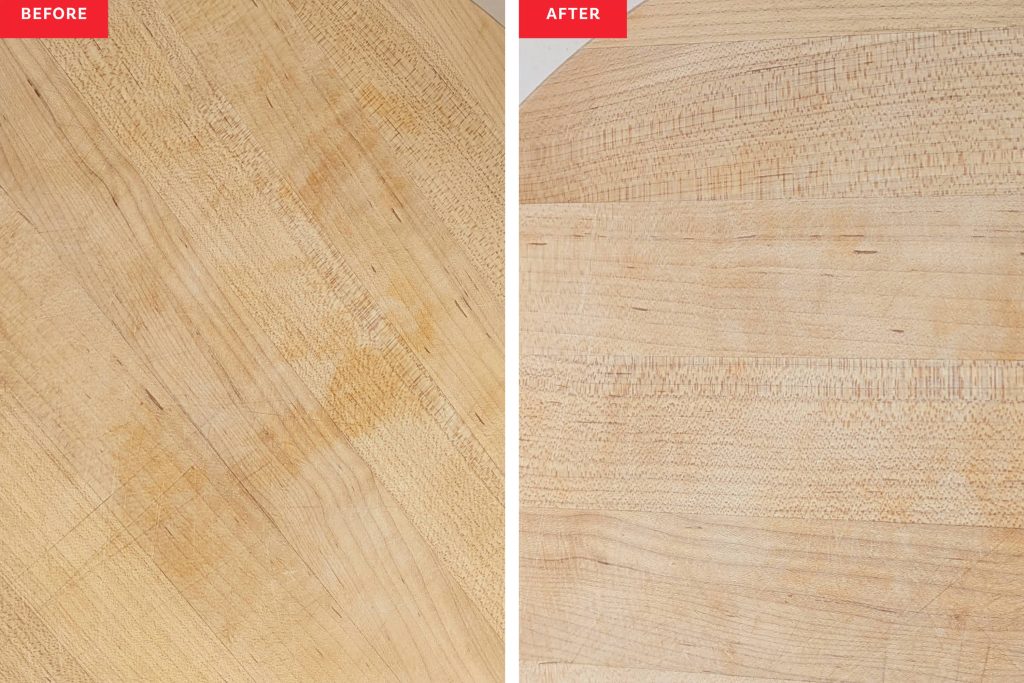
Have you ever noticed stubborn stains on your cutting board that just won’t go away? These marks can make your kitchen tools look old and unhygienic.
But don’t worry—removing those stains is easier than you think. You’ll discover simple, effective ways to clean your cutting board and keep it looking fresh and safe for your next meal. Keep reading, and you’ll learn how to restore your cutting board to its best condition in no time!
Types Of Cutting Board Stains
Cutting boards get stains from many sources. Knowing the types helps in cleaning them properly.
Stains can come from food, oils, or even mold. Each type needs a different cleaning method.
Food-based Stains
Food stains come from fruits, vegetables, and spices. They leave colors like red from beets or yellow from turmeric.
These stains can soak into the wood or plastic surface. Cleaning quickly helps stop permanent marks.
Oil And Grease Stains
Oils from meat or salad dressings cause greasy stains. They make the board slippery and darken the surface.
Oil stains need special cleaners or scrubbing to remove the residue fully. Regular soap may not work well.
Mold And Mildew Spots
Mold grows on wet cutting boards left in damp places. It shows as black or green spots on the surface.
These spots can be harmful and must be cleaned quickly. Sunlight and vinegar help remove mold and mildew.
Credit: www.thekitchn.com
Materials And Tools Needed
Removing stains from a cutting board is easy with the right tools. You do not need fancy equipment.
Many common household items work well for cleaning. Some special cleaners help with tough stains.
Common Household Items
These items are often found in most kitchens. They help remove stains and keep your board fresh.
- Baking soda – a gentle abrasive to scrub stains
- Lemon – natural acid to break down marks
- White vinegar – disinfects and whitens the board
- Salt – coarse grain for scrubbing
- Dish soap – basic cleaner for grease and dirt
- Warm water – to rinse and soak the board
- Soft scrub brush or sponge – to apply cleaners
- Clean cloth or paper towels – for drying
Specialized Cleaning Products
These products are made for cutting boards. They remove deep stains and kill germs.
| Product | Purpose |
| Cutting board cleaner spray | Disinfects and removes tough stains |
| Mineral oil | Protects wood and prevents cracking |
| Chlorine bleach solution | Kills bacteria, use with care |
| Hydrogen peroxide | Whitening and disinfecting agent |
Cleaning Wooden Cutting Boards
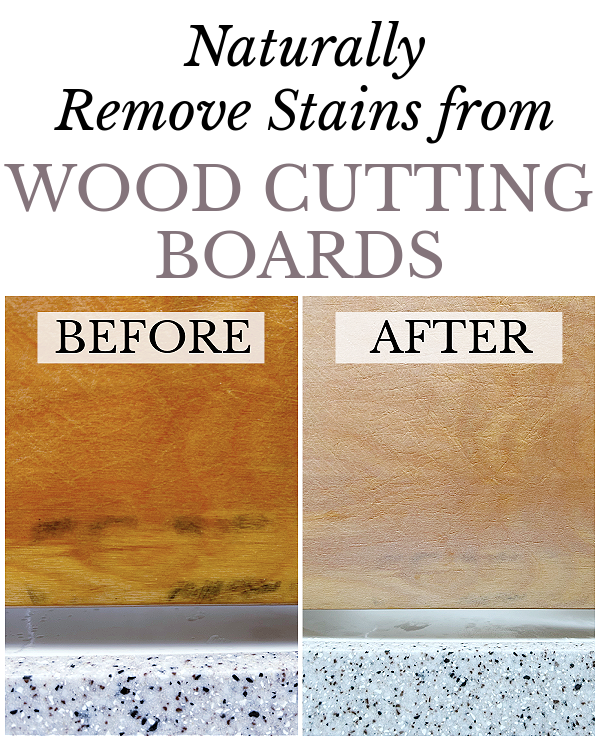
Wooden cutting boards need special care to stay clean and last long. Removing stains properly keeps them safe for food use. This guide shows easy ways to clean stains using common kitchen items.
Natural ingredients like lemon, salt, and baking soda work well. After cleaning, treating the wood with oil helps protect it. Follow these simple methods to keep your cutting board fresh.
Using Lemon And Salt
Lemon and salt help remove stains and odors from wooden boards. The lemon’s acid breaks down stains, while salt scrubs the surface gently.
- Cut a lemon in half and sprinkle coarse salt on the board.
- Rub the lemon over the salt in circular motions.
- Let it sit for 5 minutes to work on the stains.
- Rinse with warm water and dry the board well.
Applying Baking Soda Paste
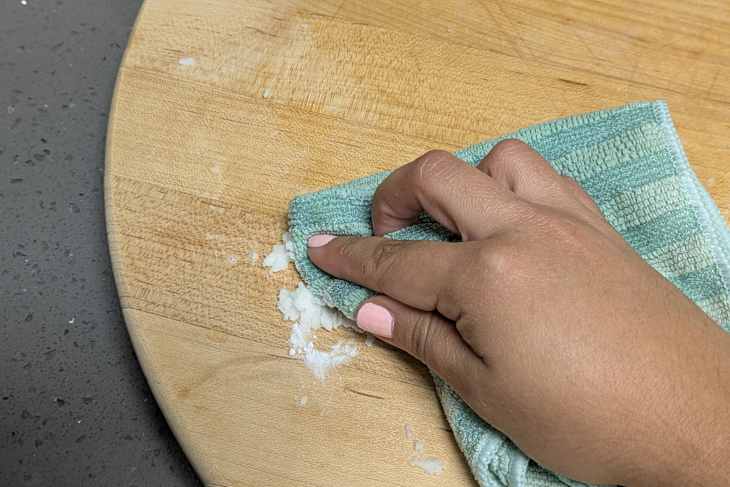
Baking soda is a gentle cleaner that lifts stains without damaging wood. Make a paste by mixing baking soda with water, then apply it to the stained areas.
| Ingredient | Amount |
|---|---|
| Baking soda | 2 tablespoons |
| Water | 1 tablespoon |
Spread the paste on the stains and let it sit for 10 minutes. Use a soft brush or cloth to scrub gently. Rinse the board with warm water and dry it completely.
Oil Treatment After Cleaning
Oiling your wooden cutting board keeps it from drying out and cracking. Use food-safe mineral oil or cutting board oil after cleaning and drying.
- Pour a small amount of oil on the board’s surface.
- Use a clean cloth to rub the oil evenly into the wood.
- Let the oil soak in for a few hours or overnight.
- Wipe off any excess oil before using the board.
Credit: www.lemonslavenderandlaundry.com
Cleaning Plastic Cutting Boards
Plastic cutting boards can get stained from fruits, vegetables, and meats. Cleaning them properly keeps your kitchen safe and fresh. Stains can be removed using simple household items.
Here are effective methods to clean and remove stains from plastic cutting boards. These methods are easy to follow and use common supplies.
Bleach Solution Method
Bleach kills bacteria and removes tough stains on plastic cutting boards. Use it carefully to avoid damage or strong odors.
- Mix 1 tablespoon of bleach with 1 gallon of water.
- Soak the cutting board in the solution for 5 minutes.
- Rinse the board well with clean water.
- Dry it completely before storing.
Using Vinegar And Baking Soda
Vinegar and baking soda make a natural cleaner that removes stains and odors. This method is safe and gentle on plastic boards.
- Sprinkle baking soda over the stained areas.
- Pour white vinegar on top to create fizzing action.
- Let it sit for 10 minutes to break down stains.
- Scrub the board with a sponge or brush.
- Rinse with warm water and dry.
Dishwasher Cleaning Tips
Many plastic cutting boards are dishwasher safe. Using a dishwasher can remove stains and sanitize the board quickly.
| Tip | Details |
|---|---|
| Placement | Place the board upright to allow water to drain. |
| Detergent | Use a strong dishwasher detergent for best results. |
| Cycle | Choose a hot water cycle to kill germs and remove stains. |
| Drying | Let the board air dry fully after the cycle finishes. |
Preventing Future Stains
Keeping your cutting board free from stains is easier with good habits. Small daily actions help protect its surface and keep it clean.
Preventing stains not only keeps the board looking nice but also keeps food safe to prepare.
Regular Cleaning Routines
Clean your cutting board right after use to stop stains from setting. Use warm water and mild soap to wash it well.
Scrub the board gently with a soft brush or sponge to remove tiny food bits that cause stains.
- Wash board after every use
- Use warm water and soap
- Scrub gently with a brush or sponge
- Rinse thoroughly to remove soap
Proper Drying And Storage
Dry your cutting board completely before storing it. Moisture lets stains grow and can cause mold.
Store the board in a dry, well-ventilated place to keep it fresh and clean.
- Pat dry with a clean towel
- Air dry standing upright if possible
- Keep board away from damp spots
- Store in a dry, ventilated area
Avoiding Cross-contamination
Use separate cutting boards for different foods like meat and vegetables. This stops stains and bacteria from spreading.
Label or color-code boards to remember which one to use for each type of food.
- Use different boards for meat, veggies, and bread
- Clean boards well between uses
- Label or color-code cutting boards
- Replace old, heavily stained boards
When To Replace Your Cutting Board
Cutting boards are useful kitchen tools that need care. Over time, they can get damaged or dirty. Knowing when to replace your cutting board keeps your food safe.
Replace your cutting board if you see signs of wear that can hide germs. This helps prevent illness and keeps your kitchen clean.
Signs Of Deep Stains
Deep stains on a cutting board often mean it is time to replace it. These stains can come from foods like beetroot, berries, or spices. They may look bad and can hold bacteria.
- Stains that do not wash off easily
- Dark marks that go deep into the board
- Discoloration that covers large areas
- Foul smell coming from stained areas
Cracks And Grooves Harboring Bacteria
Cracks and grooves on your cutting board can trap food bits and bacteria. These areas are hard to clean well and can cause health risks. If your board has many cracks, it is safer to get a new one.
| Damage Type | Risk Level | Suggested Action |
|---|---|---|
| Small surface scratches | Low | Clean thoroughly after each use |
| Deep cracks and grooves | High | Replace cutting board |
| Loose or splintering wood | High | Replace cutting board immediately |

Credit: homewithgraceandjoy.com
Frequently Asked Questions
What Are Common Stains On Cutting Boards?
Common stains include those from fruits, vegetables, spices, and meats. These stains can be stubborn and often require specific cleaning methods. Regular cleaning and maintenance can help prevent these stains from setting in permanently, ensuring your cutting board stays in good condition.
How Do You Clean Wine Stains?
To clean wine stains, sprinkle salt on the stain immediately. Let it sit for a few minutes, then scrub with a mixture of baking soda and water. Rinse thoroughly with warm water to remove any residue.
Can Vinegar Remove Cutting Board Stains?
Yes, vinegar can effectively remove stains. Mix equal parts of vinegar and water. Apply the solution to the stained area and let it sit for a few minutes. Scrub gently and rinse with warm water for best results.
How Often Should You Clean Cutting Boards?
Clean cutting boards after every use to prevent stains and bacteria buildup. Regular cleaning ensures your board remains hygienic and extends its lifespan. Always use appropriate cleaning methods based on the type of stain and material of the cutting board.
Conclusion
Stains on cutting boards do not have to be permanent. Using simple, natural methods can bring your board back to life. Regular cleaning keeps your board safe and fresh. Choose the right technique for your board’s material. Small efforts make a big difference in kitchen hygiene.
Keep your cutting board clean and ready for use. A clean board helps make tasty meals every day. Try these stain removal tips and see the change. Your kitchen will look neat and smell fresh again.