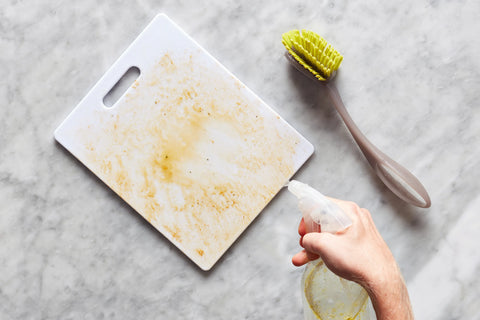
When it comes to choosing the right cutting board, you might be wondering: is wood or plastic better for your kitchen? This decision can affect not just how you cook, but also the safety and cleanliness of your food.
You want a board that lasts, stays clean, and feels good to use every time. You’ll discover the key differences between wood and plastic cutting boards, so you can make the best choice for your cooking style and your health.
Keep reading to find out which board truly deserves a spot on your countertop.

Credit: www.foodandwine.com
Material Comparison
Choosing the right cutting board can affect your kitchen work. Wood and plastic are common materials. Each has its strengths and weaknesses.
This guide compares wood and plastic cutting boards by durability, knife friendliness, and resistance to bacteria.
Durability And Longevity
Wood cutting boards are strong and can last many years if cared for. They may need oiling to avoid drying out.
Plastic boards can wear out faster. Deep knife marks can appear, which may lead to replacing the board sooner.
| Material | Durability | Maintenance |
|---|---|---|
| Wood | High, lasts for years | Needs regular oiling |
| Plastic | Moderate, wears with use | Easy to clean, but may crack |
Knife Friendliness
Wood boards are gentle on knives. They help keep blades sharp longer. The natural surface absorbs some impact.
Plastic boards can be harder on knives. The harder surface may dull blades faster. This can mean more frequent sharpening.
- Wood absorbs knife impact well
- Plastic is tougher but harsher on blades
- Wood reduces blade dulling
- Plastic may cause faster knife wear
Resistance To Bacteria
Wood has natural antibacterial properties. It can trap bacteria in its pores and kill them over time.
Plastic boards can develop deep cuts. These cuts may hold bacteria if not cleaned well. Regular sanitizing is needed.
- Wood kills bacteria naturally
- Plastic needs careful cleaning
- Deep cuts in plastic can trap germs
- Both need regular washing

Credit: www.zsalads.com
Maintenance Needs
Wood and plastic cutting boards need different care to last long. Proper maintenance keeps them clean and safe.
Understanding how to clean, remove stains, and fix boards helps you choose the right one.
Cleaning Techniques
Plastic boards are easy to clean with soap and water. They can go in the dishwasher for a deep clean.
Wood boards need gentle hand washing. Avoid soaking them in water to prevent warping and cracking.
- Use warm, soapy water for wood boards
- Rinse and dry wood boards quickly
- Plastic boards can be washed in dishwasher
- Sanitize plastic boards with diluted bleach or vinegar
Stain And Odor Control
Wood boards absorb stains and smells more than plastic. This can affect food taste.
Baking soda or lemon juice helps remove stains and odors on both types of boards.
- Sprinkle baking soda on the board
- Rub with a lemon half or sponge
- Let it sit for a few minutes
- Rinse and dry well
Repair And Resurfacing
Plastic boards often get deep cuts that cannot be fixed. They need replacing after heavy use.
Wood boards can be sanded to remove cuts and scratches. This restores a smooth surface.
- Use fine sandpaper for wood boards
- Sand evenly until smooth
- Apply food-safe oil after sanding
- Replace plastic boards if deeply scored
Environmental Impact
Choosing between wood and plastic cutting boards affects the environment. Both materials have good and bad points. Understanding their impact helps make smarter choices.
This section looks at the sustainability of wood, recyclability of plastic, and carbon footprint.
Sustainability Of Wood
Wood cutting boards come from trees, a natural resource. If trees are cut responsibly, wood can be sustainable. It grows back over time and supports forests.
Wood is biodegradable. This means it breaks down naturally and does not stay in landfills for long.
- Renewable if forests are managed well
- Biodegradable and compostable
- Supports forest ecosystems
Recyclability Of Plastic
Plastic cutting boards are made from nonrenewable resources like oil. Some plastics can be recycled, but not all types are accepted in recycling programs.
Plastic takes a long time to break down. If not recycled, it adds to pollution and landfill waste.
- Made from nonrenewable materials
- Recyclability depends on plastic type
- Long decomposition time in nature
Carbon Footprint
Wood cutting boards usually have a smaller carbon footprint. Trees absorb carbon as they grow, which helps lower emissions.
Plastic boards require more energy to make. The production and transport of plastic create more greenhouse gases.
- Wood absorbs carbon during growth
- Plastic production uses fossil fuels
- Plastic transport adds to emissions
Cost And Availability
Choosing between wood and plastic cutting boards depends on cost and availability. Both types offer different benefits and prices. Understanding these factors helps you pick the best option for your kitchen.
This section covers the initial purchase price, how often you might replace each board, and the variety of styles you can find.
Initial Purchase Price
Plastic cutting boards usually cost less at first. You can find basic plastic boards at low prices in most stores. Wood boards tend to be pricier because of the materials and craftsmanship involved.
- Plastic boards can start as low as $5.
- Wood boards often start around $15 to $30.
- High-end wood boards with special wood types cost more.
- Plastic boards come in many budget-friendly options.
Replacement Frequency
Plastic boards usually need replacing more often. They get deep cuts and scratches faster. Wood boards last longer if you take care of them well. They resist cuts and stay in good shape for years.
| Cutting Board Type | Typical Replacement Time | Reason |
| Plastic | 1 to 2 years | Scratches and cuts breed bacteria |
| Wood | 3 to 5 years or more | Durable and self-healing surface |
Variety And Styles
Both wood and plastic boards come in many styles. Wood boards offer classic looks and natural wood grains. Plastic boards come in bright colors and different shapes for easy sorting.
Wood boards:
- Maple, bamboo, walnut options
- End grain and edge grain styles
- Natural wood finish
Plastic boards:
- Various colors for cross-contamination control
- Lightweight and flexible designs
- Easy to clean and dishwasher safe
Safety And Hygiene
Choosing between wood and plastic cutting boards affects kitchen safety. Both materials need proper care to keep food safe.
This section explains safety and hygiene factors for wood and plastic cutting boards.
Bacterial Growth Risks
Wood has natural pores that can trap moisture and bacteria. But wood can also dry faster and kill some bacteria.
Plastic boards have deep cuts where bacteria hide. These cuts are hard to clean and can hold germs.
- Wood can resist bacteria if cleaned well
- Plastic is easier to sanitize but can get scratched
- Replace plastic boards when cuts become deep
Food Cross-contamination
Cross-contamination happens when germs spread from one food to another. Cutting boards can spread bacteria if not cleaned.
Using separate boards for raw meat and vegetables reduces risks. Both wood and plastic boards need this rule.
- Use different boards for meat, fish, and veggies
- Clean boards after each use with hot water and soap
- Sanitize boards regularly with vinegar or bleach solutions
Health Regulations
Health rules guide safe food handling in kitchens. Both wood and plastic boards must meet these rules.
Some rules ban boards with deep cracks or hard-to-clean surfaces. Regular inspection and replacement keep kitchens safe.
- Inspect boards for cracks and deep cuts
- Replace damaged boards to prevent bacteria
- Follow local health department cleaning guidelines
User Preferences
Choosing between wood and plastic cutting boards depends on what users prefer most. Each type has traits that suit different needs in the kitchen.
This guide looks at three important factors: aesthetic appeal, weight and handling, and suitability for different foods.
Aesthetic Appeal
Wood cutting boards often have a warm, natural look. They can add style to a kitchen with their grain patterns and colors. Plastic boards come in many colors, which can help organize different tasks.
- Wood boards have a classic and rustic feel.
- Plastic boards offer bright, varied colors.
- Wood ages with character over time.
- Plastic stays the same and looks newer longer.
Weight And Handling
Weight matters for how easy a cutting board is to move and store. Wood boards tend to be heavier but stable on the counter. Plastic boards are lighter and often easier to carry or hang.
| Material | Weight | Handling |
| Wood | Heavy | Stable but less portable |
| Plastic | Light | Easy to move and store |
Suitability For Different Foods
Users choose cutting boards based on what foods they cut. Wood can be gentle on knives and good for bread or vegetables. Plastic boards are often used for raw meat to avoid cross-contamination.
Here are common uses for each type:
- Wood:Fruits, vegetables, bread, cheese
- Plastic:Raw meat, fish, poultry
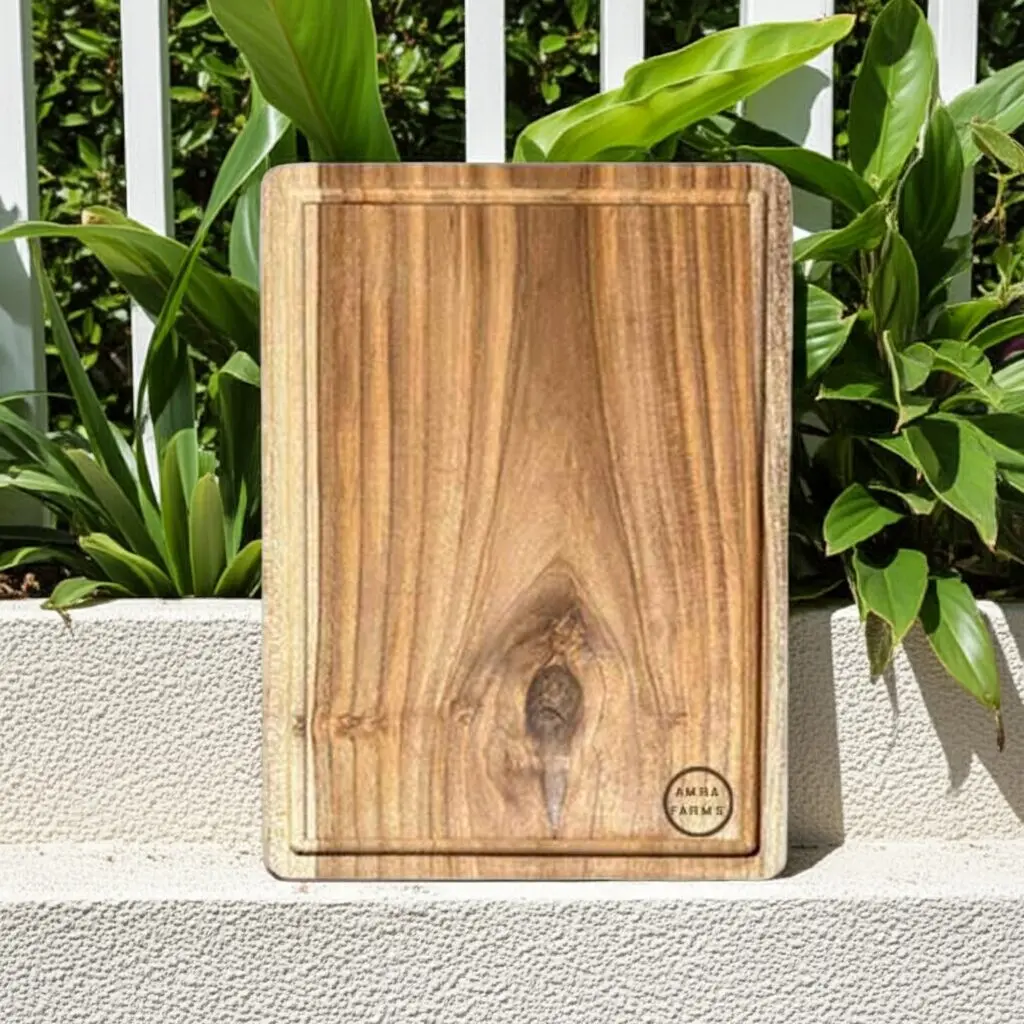
Credit: choppingboards.in
Frequently Asked Questions
Which Is More Hygienic, Wood Or Plastic Cutting Board?
Wood cutting boards are generally more hygienic. They have natural antibacterial properties. Wood absorbs bacteria and traps it. Plastic boards may develop grooves that can harbor bacteria. Regular cleaning and maintenance of both types ensure safety.
Do Plastic Cutting Boards Dull Knives Faster?
Yes, plastic cutting boards can dull knives faster. The hard surface of plastic can cause knife edges to wear quickly. Regular sharpening of knives is necessary when using plastic boards.
Are Wood Cutting Boards More Durable Than Plastic?
Wood cutting boards are generally more durable than plastic ones. They can withstand regular chopping without significant damage. Plastic boards might develop grooves and scratches over time. Proper care extends the lifespan of both types.
Is It Easier To Clean Plastic Cutting Boards?
Yes, plastic cutting boards are easier to clean. They are dishwasher safe, which ensures thorough cleaning. However, they can retain odors and stains. Regular sanitizing is essential for maintaining hygiene.
Conclusion
Choosing between wood and plastic cutting boards depends on your needs. Wood boards are gentle on knives and look natural. Plastic boards are easier to clean and dishwasher safe. Both have pros and cons to consider. Think about how often you cook and what you cut.
Keep your board clean to avoid germs. Either choice can work well with proper care. The best board fits your kitchen habits and preferences.