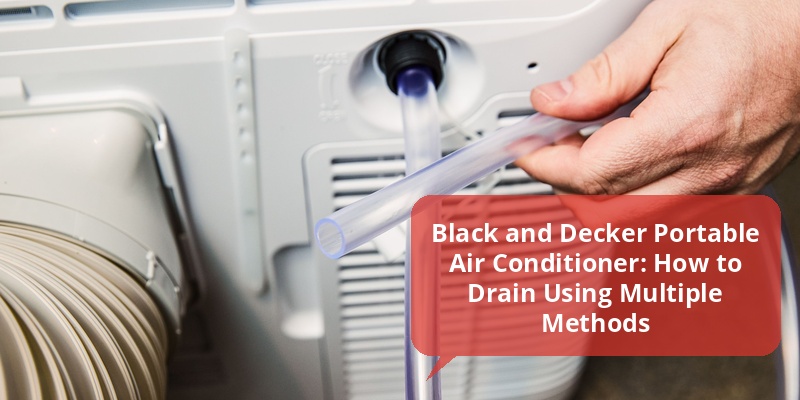
If you own a portable air conditioner, you know how important it is to keep it running smoothly. But do you know how to drain your unit properly?
Draining your portable air conditioner is key to preventing leaks, bad smells, and damage. In this guide, you’ll learn simple steps to get the job done quickly and safely. By the end, you’ll feel confident maintaining your AC and keeping your space cool all summer long.
Ready to make your portable air conditioner work like new? Let’s dive in!

Credit: www.youtube.com
Why Drain A Portable Ac
Draining a portable air conditioner helps prevent water damage. Water can build up inside the unit during use. This water may leak out and harm floors or walls. Emptying the water keeps your home safe.
It also helps maintain cooling efficiency. Too much water inside blocks the machine’s work. Draining the water lets the air conditioner cool better and use less energy.
Avoid mold growthby draining the water regularly. Mold grows in damp places. Removing water stops mold from forming inside or around your AC. This keeps the air fresh and healthy.

Credit: www.youtube.com
When To Drain Your Portable Ac
Water pooling insidethe unit or around it means drainage is needed. The portable AC may stop cooling well when water builds up. A musty smellsignals trapped moisture. Leaks or dripsfrom the AC’s bottom show full water tanks. Check the water collection bucketoften to avoid overflow. Some units have a full water lightas a warning.
| Drainage Frequency | Description |
|---|---|
| Daily | In hot, humid areas or with heavy use |
| Every few days | Moderate climate and regular use |
| Weekly | Cooler climates or light use |
Tools Needed For Draining
A drain hosehelps guide water away from the unit safely. It fits into the drain port and directs water to a safe spot.
A bucket or containeris needed to catch the water if you don’t have a drain nearby. It prevents spills and keeps your space dry.
Towels or clothsare useful to wipe up any water spills. They keep the area clean and prevent slips.
Step-by-step Draining Process
Turn off and unplugthe portable air conditioner to ensure safety. This stops the unit from running during draining.
Locate the drain plug or hoseat the back or bottom of the unit. It is usually a small rubber or plastic piece.
Position the drain hoseover a bucket or a floor drain. Make sure the hose points downward for proper flow.
Release the waterby removing the drain plug or opening the hose valve. Water will flow out easily.
Check for residual moistureinside the unit. Use a cloth to wipe any remaining water to prevent mold growth.
Tips For Easy Draining
Choose a flat and stable surfacefor draining your portable air conditioner. Place a bucket or trayunder the drain plug to catch water. Make sure the drain spot is near a floor drainor outside to avoid spills.
Clean the drain plug and hose regularly. This stops clogsand helps water flow smoothly. Check the water tank often and empty it before it fills up completely. This keeps the unit working well.
- Keep the drain hose secure to prevent leaks.
- Empty water carefully to avoid spilling.
- Handle the unit gently to stop damage.

Credit: www.youtube.com
Common Issues And Fixes
Clogged drain hosesstop water from flowing out. Dirt and dust build up inside the hose. Clear the hose with a long, flexible brush or run warm water through it. This helps restore proper drainage.
Water not draining properlyoften means the unit is not level. Make sure the air conditioner sits on a flat surface. Tilt the unit slightly toward the drain port to help water flow out easily.
Leaks around the unitmay happen if the drain plug is loose or missing. Check the plug and tighten it if needed. Also, inspect the hose connection for cracks or damage and replace if broken.
| Issue | Fix |
|---|---|
| Clogged Drain Hose | Clean hose with brush or warm water |
| Water Not Draining Properly | Level the unit; tilt toward drain port |
| Leaks Around the Unit | Tighten or replace drain plug and hose |
Frequently Asked Questions
How Do You Drain A Portable Ac Unit?
To drain a portable air conditioner, locate its drain plug. Place a shallow pan or bucket under it. Carefully remove the drain plug and allow the water to empty. For continuous drainage, connect a hose to the drain outlet. Always ensure the unit is unplugged for safety.
How Often Should I Drain My Portable Ac?
You should drain your portable air conditioner every 8 hours or daily, depending on usage. High humidity levels may require more frequent drainage. Regular drainage prevents water overflow and ensures efficient operation. Always check the manufacturer’s recommendations for specific guidelines.
Can I Use A Hose For Continuous Drainage?
Yes, you can use a hose for continuous drainage. Connect the hose to the drain outlet on the portable air conditioner. Ensure it leads to a proper drainage area. This method is convenient for continuous use, eliminating the need to manually empty the unit frequently.
What Happens If I Don’t Drain It?
Not draining the portable air conditioner can cause water overflow. This may lead to water damage, mold, and mildew growth. It can also reduce the unit’s efficiency and cooling performance. Regularly draining the unit prevents these issues and ensures optimal operation.
Conclusion
Draining a portable air conditioner keeps it running well. Regularly empty the water tank to avoid leaks. Clean the drain hose to prevent blockages. Use the right tools for easy draining. This simple task helps your unit cool better. Stay comfortable and save money on repairs.
Keep your air conditioner ready for hot days. Follow these steps to drain it quickly and safely. Maintenance made easy.