
Have you ever noticed your air conditioner suddenly freezing up? It’s not just annoying—it can stop your AC from cooling your home properly and even cause damage.
Understanding what causes your air conditioner to freeze is key to fixing the problem quickly and avoiding costly repairs. You’ll learn the common reasons behind this issue and how you can spot the signs early. Keep reading to protect your comfort and your wallet.
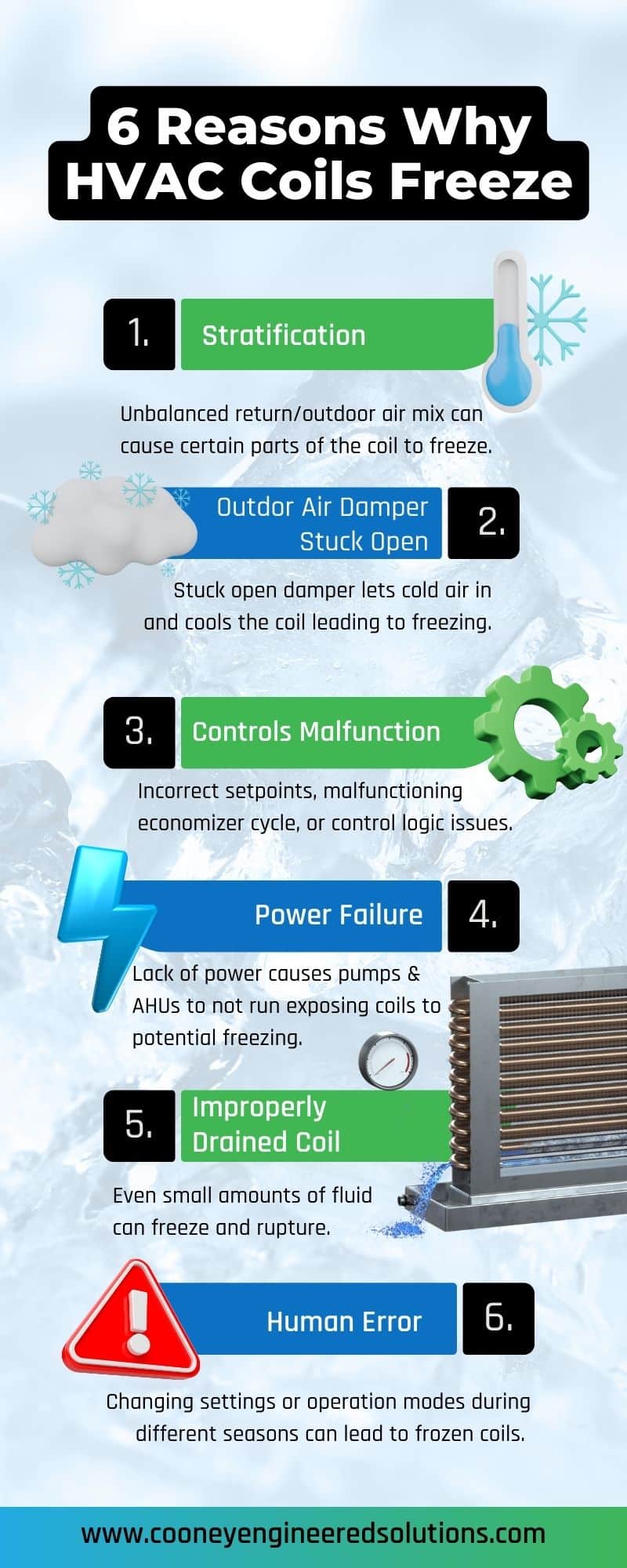
Credit: cooneyengineeredsolutions.com
Common Signs Of A Frozen Ac
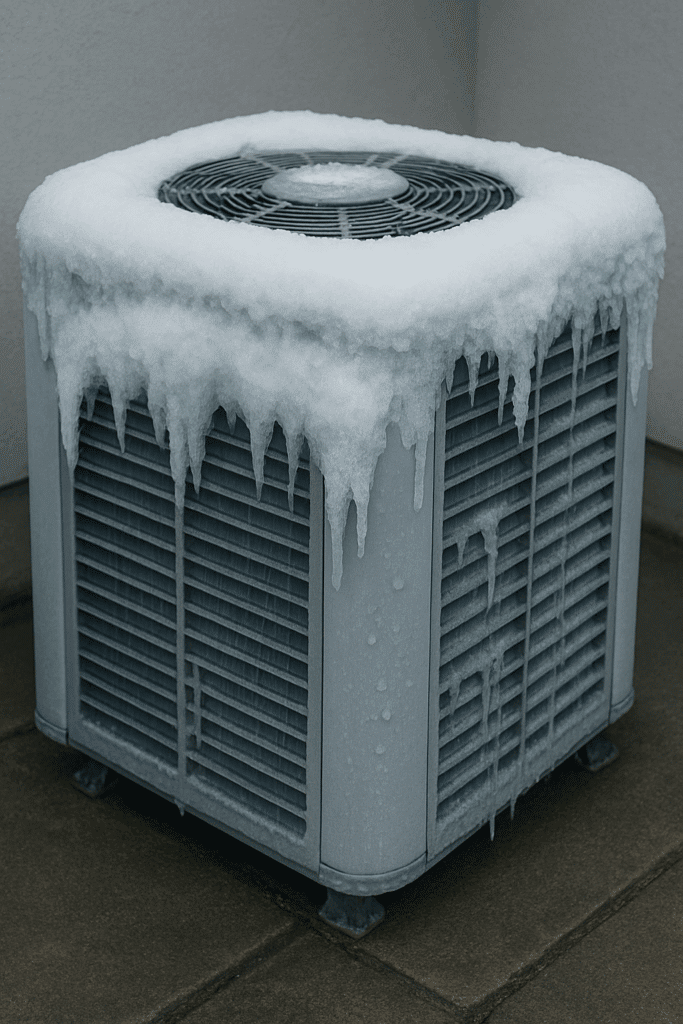
Ice formation on the coilsis a clear sign of a frozen AC. The coils get covered with thick ice, stopping proper cooling. This ice blocks airflow and lowers efficiency.
Reduced airflowfrom vents can also signal a frozen AC. The fan struggles to push air through icy coils. Rooms may feel warmer even though the AC runs.
Unusual noiseslike rattling or hissing may come from the unit. These sounds happen because ice affects the fan and compressor. Strange noises mean the AC needs checking.
Credit: bellplumbing.com
Low Refrigerant Levels
Refrigerantis a key element in cooling systems. It moves heat from inside to outside. Low refrigerant means less heat removed. This causes the air conditioner to work harder.
When refrigerant is low, the pressure drops. This makes the coils too cold. Moisture on the coils freezes, causing the unit to freeze up.
Leaks lead to low refrigerant levels. They let refrigerant escape from the system. Small leaks can cause big problems over time.
- Leaks reduce cooling efficiency.
- They increase energy use.
- They can damage the compressor.
Regular checks help spot leaks early. Fixing leaks keeps the refrigerant level steady. This avoids freezing and keeps the air conditioner working well.
Restricted Airflow Issues
Dirty air filtersblock airflow, causing the air conditioner to freeze. Dust and debris stop cold air from flowing properly. This makes the system work too hard and ice forms on the coils.
Blocked vents and registersstop air from moving freely through the house. When air cannot circulate, the AC cannot cool well. This can also cause ice buildup on the unit.
Fan problemsreduce airflow inside the system. If the fan does not run fast enough or stops, air does not move over the coils. This causes the temperature to drop and ice to form.
Thermostat And Temperature Settings
Setting the thermostat too low can cause the air conditioner to freeze. The unit works hard to cool the air below the set temperature. This makes the coils get very cold and ice forms on them. The frozen coils stop the air from flowing properly. This lowers cooling performance and can damage the AC.
Malfunctioning thermostats also cause freezing. If the thermostat does not read the temperature right, it may run the AC too long. This leads to the same freezing problem. Sometimes, the thermostat wiring or sensors are faulty. This makes the AC think it needs to cool more, even when it does not.
- Thermostat set too low:Causes overcooling and ice buildup.
- Faulty thermostat sensor:Gives wrong temperature readings.
- Broken wiring:Sends wrong signals to the AC unit.
- Long cooling cycles:Leads to coil freezing.
Mechanical Failures
Faulty blower motorsstruggle to push enough air through the system. This causes the evaporator coil to get too cold and freeze. When air does not flow well, the cold air stays in one place. Ice forms quickly on the coil.
Damaged expansion valvesaffect how refrigerant flows inside the air conditioner. If the valve is stuck or broken, it can let too much refrigerant pass or not enough. This imbalance lowers the coil temperature. The coil then freezes as moisture in the air turns to ice.
Environmental Factors
High humidity levelscause moisture to build inside the air conditioner. This moisture freezes on the coils and blocks airflow. The blocked airflow makes the system work harder and freeze more. Moist air outside adds water vapor, which the AC struggles to remove.
Outdoor temperature also affects freezing. When it is too cold outside, the AC coils get very cold too. This causes frost or ice to form on the coils. The cold air outside can lower the pressure inside the system, leading to freezing. AC units are designed for warm weather, so cold days can cause problems.
Preventive Maintenance Tips
Keeping your air conditioner in good shape helps avoid freezing issues. Regular filter cleaningstops dust and dirt from blocking airflow. This lets air move freely and keeps the coils from getting too cold. Clean filters also help the unit work better and save energy.
Scheduled professional inspectionscatch small problems early. Experts check the refrigerant levels, clean coils, and make sure all parts work well. This prevents ice from forming and keeps your AC running smoothly.
Proper thermostat useis important too. Setting the temperature too low or using the AC for long periods can cause freezing. Use a comfortable setting and give the system breaks to avoid stress on the unit.

Credit: www.delcohvac.com
Frequently Asked Questions
Why Does An Ac Freeze Up?
An air conditioner can freeze due to restricted airflow or low refrigerant levels. Dirty filters or blocked vents reduce airflow. This leads to ice formation on the coils. Low refrigerant also causes the coils to become too cold, resulting in freezing.
Can A Dirty Filter Cause Freezing?
Yes, a dirty filter can cause your AC to freeze. It restricts airflow, leading to reduced heat exchange. This causes the evaporator coil to drop below freezing. Regularly changing your AC filter can prevent freezing issues and ensure efficient operation.
How Does Low Refrigerant Affect Ac Freezing?
Low refrigerant levels can cause your air conditioner to freeze. It results in lower pressure and temperature in the evaporator coil. This causes moisture in the air to freeze on the coil. Regular maintenance can help detect and fix refrigerant leaks.
Is Thermostat Setting Related To Ac Freezing?
Setting your thermostat too low can cause the AC to freeze. Extremely low temperatures can reduce airflow across the evaporator coil. This leads to ice formation. Ensure your thermostat is set to a moderate temperature to prevent freezing issues.
Conclusion
An air conditioner freezes because of low airflow or refrigerant issues. Dirt and clogged filters block air from flowing well. Low refrigerant stops the system from working right. Ice builds up on the coils, causing the freezing. Fixing these problems keeps your AC running smooth.
Regular cleaning and check-ups help avoid freezing. Don’t let a frozen AC ruin your comfort. Stay aware of the signs and act fast. Your cool home depends on it.