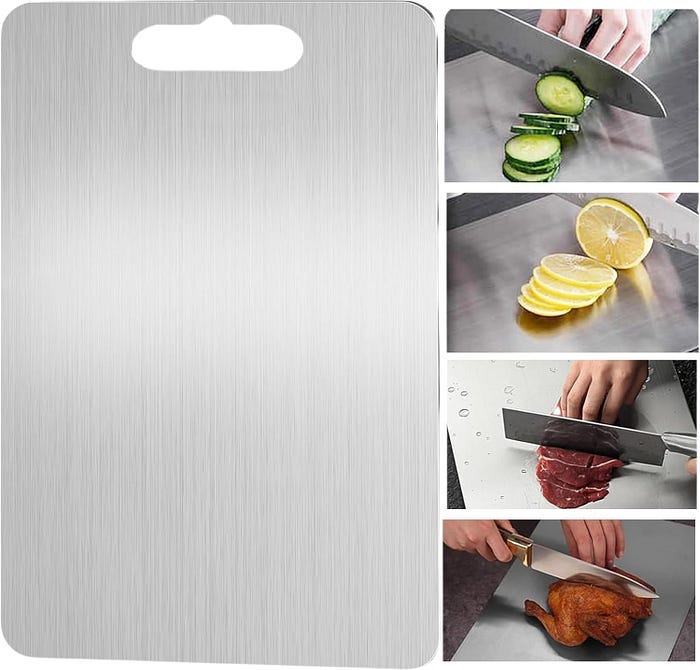
Are you worried that using a stainless steel cutting board might ruin your knives? You’re not alone.
Many home cooks and chefs wonder if these sleek, easy-to-clean boards could be dulling their blades faster than usual. The truth might surprise you. Understanding how stainless steel cutting boards interact with your knives can save you money and keep your kitchen tools sharp for longer.
Keep reading to discover the facts and make the best choice for your cooking needs.
Credit: vocal.media
Knife Sharpness Basics
Sharp knives make cooking easier and safer. A dull knife needs more force and can slip.
Understanding why knives get dull helps you keep them sharp longer. Cutting boards play a role in this.
What Causes Knife Dulling
Knives lose their sharp edge from use and contact with hard surfaces. Cutting on tough materials wears down edges.
Using the wrong cutting board can speed up dulling. Hard surfaces like glass or steel can chip or bend the blade.
- Cutting on hard surfaces causes small nicks
- Friction from cutting dulls the blade edge
- Improper cleaning or storage can damage blades
Materials Impacting Edge Retention
Cutting board materials affect how fast knives get dull. Softer materials protect knife edges better than hard ones.
Wood and plastic boards are gentle on knives. Stainless steel boards are very hard and can dull knives faster.
- Wood absorbs impact and keeps edges sharp
- Plastic is soft and easy to replace
- Stainless steel is hard and can cause quick dulling
- Glass and stone are the hardest and damage knives
Properties Of Stainless Steel Boards
Stainless steel cutting boards have unique properties. They are different from wood or plastic boards.
These properties affect how knives perform on them. Understanding these can help you care for your knives.
Surface Hardness And Texture
Stainless steel boards have a very hard surface. This hardness can wear down knife edges faster than softer boards.
The texture of stainless steel is smooth and non-porous. It does not absorb liquids or food particles.
- Hard surface causes more blade contact
- Smooth texture prevents bacteria buildup
- May cause knives to dull quicker than wood or plastic
Durability And Maintenance
Stainless steel boards last a long time. They resist stains, odors, and damage better than other boards.
Cleaning is easy with soap and water. They do not need special care or treatments.
- Highly durable and resistant to damage
- Easy to clean and sanitize
- Does not absorb smells or stains
- Requires no special maintenance
Comparing Cutting Board Materials
Choosing the right cutting board matters for your knives and kitchen work. Different materials affect knife sharpness in various ways.
This guide compares wood, plastic, and stainless steel cutting boards. Learn how each type impacts your knives over time.
Wood Vs Stainless Steel
Wood cutting boards are softer than stainless steel. They protect knife edges better and reduce dulling. Wood also heals small cuts naturally.
Stainless steel boards are very hard and do not absorb liquids. They can dull knives faster because the blade hits a hard surface every time.
- Wood is gentle on knives and helps keep them sharp longer.
- Stainless steel is durable but tough on blades.
- Wood boards need more care to avoid cracking and warping.
- Stainless steel boards are easy to clean and very hygienic.
Plastic Vs Stainless Steel
Plastic boards are softer than stainless steel but harder than wood. They offer a middle ground for knife safety and cleaning ease.
| Material | Knife Friendly | Cleaning Ease | Durability |
| Plastic | Moderate | Easy | Good |
| Stainless Steel | Low | Very Easy | Very High |
Plastic boards may get cut marks that can trap bacteria. Stainless steel does not cut but can wear knives faster.

Credit: medium.com
Impact On Knife Edges
Stainless steel cutting boards are popular for their durability and easy cleaning. Some people wonder if they can dull knives faster than other boards.
This article looks at how stainless steel affects knife edges and what signs show knives are getting dull.
How Stainless Steel Affects Blades
Stainless steel is very hard and smooth. When a knife hits the board, the hard surface can wear down the blade’s edge faster than softer boards.
The metal on metal contact can cause tiny chips or bends on the knife edge. This weakens the sharpness over time.
Signs Of Knife Dulling To Watch For
You can tell if your knife is dull by how it cuts. Dull knives need more force and don’t slice cleanly.
- Knife slips or drags on food instead of cutting smoothly
- Food gets crushed or torn rather than sliced
- More pressure is needed to cut through items
- Blade edges look rounded or chipped under close inspection
User Experiences And Studies
Many people wonder if stainless steel cutting boards dull knives faster. This topic has caught attention among home cooks and professionals alike. We look at their experiences and some studies to understand the truth.
Cutting boards must protect knives and keep them sharp. Different materials can affect knife edges in various ways. Stainless steel is strong but may impact knives differently than wood or plastic.
Home Cooks’ Perspectives
Many home cooks find stainless steel cutting boards very durable. Some say their knives become dull faster after regular use. Others report no significant difference compared to plastic or wooden boards.
- Some users notice scratches on knife edges after cutting on steel.
- Others believe steel boards keep surfaces cleaner and more hygienic.
- Many home cooks prefer boards that are gentle to knives but easy to clean.
- Frequent sharpening is needed regardless of board type for most users.
Professional Insights
Chefs and kitchen experts often avoid stainless steel boards for cutting tasks. They say steel is too hard and can dull knives quickly. Most professionals use wood or plastic boards for better edge care.
| Material | Effect on Knife Sharpness | Ease of Cleaning |
| Stainless Steel | High dulling risk | Very easy |
| Wood | Gentle on edges | Requires more care |
| Plastic | Moderate dulling | Easy but can scar |
Credit: medium.com
Tips To Protect Knives
Stainless steel cutting boards are popular, but some worry they dull knives. Knowing how to protect your knives helps keep them sharp.
This guide covers smart choices and care to keep your knives in good shape.
Choosing The Right Cutting Board
Not all cutting boards are equal for knife care. Hard surfaces can dull blades faster.
Stainless steel boards are very hard. They can wear down edges quickly if used often.
- Wood and bamboo boards are softer and gentle on knives
- Plastic boards offer a balance between hardness and softness
- Avoid glass or ceramic boards as they damage knives fast
- Use stainless steel boards mainly for heavy-duty tasks
Proper Knife Care Practices
Taking care of your knives extends their sharpness. Clean and store them properly after use.
Sharpen knives regularly. Use the right tools to keep edges sharp and safe.
- Hand wash knives with mild soap and dry immediately
- Store knives in a block or on a magnetic strip to protect edges
- Use a sharpening stone or honing rod to maintain sharpness
- Avoid cutting on hard surfaces like stainless steel or glass
Frequently Asked Questions
Do Stainless Steel Boards Harm Knife Edges?
Yes, stainless steel boards can dull knives over time. The hard surface of the steel can cause more wear on knife edges compared to softer materials. Regular honing and proper knife maintenance can help mitigate this issue and prolong the sharpness of your knives.
Are Stainless Steel Boards Better Than Wood?
Stainless steel boards are more durable and hygienic than wood. They are resistant to bacteria and stains. However, they can dull knives faster. Wood boards are gentler on knife edges but require more maintenance to prevent bacterial growth and warping.
How To Maintain Knives On Steel Boards?
To maintain knives, use a honing rod regularly. Avoid excessive force while cutting. Sharpen your knives with a whetstone when necessary. Clean and dry knives immediately after use to prevent rust. These practices can help keep your knives sharp even when using a stainless steel cutting board.
Why Choose Stainless Steel Cutting Boards?
Stainless steel cutting boards are durable, hygienic, and easy to clean. They don’t absorb odors or stains, making them ideal for raw meats and fish. While they may dull knives faster, their longevity and low maintenance make them a popular choice in professional kitchens.
Conclusion
Stainless steel cutting boards can dull knives faster than wood or plastic. The hard surface wears down the blade’s edge with use. For longer knife life, softer boards work better. Still, stainless steel boards offer easy cleaning and durability. Choose what fits your kitchen needs and habits best.
Knife care also matters—sharpen regularly and use proper cutting techniques. This balance keeps knives sharp and cutting boards useful.