Your cutting board is more than just a kitchen tool—it’s where you prepare meals, craft recipes, and create memories. But are you using the right oil to keep it in top shape?
Choosing the correct oil can protect your board from cracks, warping, and bacteria, making it last longer and stay safer for your family. If you’ve ever wondered what oil you should use for your cutting boards, you’re in the right place.
Keep reading to discover simple tips that will help you care for your board like a pro.
Choosing The Right Oil
Choosing the right oil for your cutting board is important. The right oil protects the wood and keeps it healthy. Not all oils are safe or effective for this use.
Some oils are better at soaking into the wood. Others create a protective layer. Learning about these oils helps you keep your cutting board in good shape.
Food-safe Oils
Only use oils safe for food contact. These oils will not harm you if they touch food. Common food-safe oils include mineral oil, coconut oil, and walnut oil.
- Mineral oil: odorless, tasteless, and widely used
- Coconut oil: natural and has antibacterial properties
- Walnut oil: dries well and adds a nice finish
- Beeswax blends: often mixed with oil for extra protection
Penetration And Absorption
Good oils soak into the wood to protect it from inside. The wood absorbs oil better when it is fresh and clean. Oils that sit on the surface do not protect well.
| Oil Type | Penetration Level | Effect on Wood |
| Mineral Oil | High | Deeply protects and hydrates wood |
| Coconut Oil | Medium | Moisturizes and adds mild protection |
| Walnut Oil | High | Penetrates well and hardens wood surface |
| Olive Oil | Low | Can leave sticky residue, not recommended |
Drying Vs Non-drying Oils
Oils fall into two groups: drying and non-drying. Drying oils harden when exposed to air. Non-drying oils stay soft and oily.
- Drying oils form a hard, protective layer
- Non-drying oils soak in but stay soft
- Drying oils last longer on cutting boards
- Non-drying oils may need more frequent application

Credit: kingsfleet.ca
Popular Oils For Cutting Boards
Using the right oil keeps your cutting board safe and long-lasting. It helps prevent cracks and warping. Many oils work well, but some are better than others.
Here are some popular oils people use to care for cutting boards. Each has its own benefits and uses.
Mineral Oil
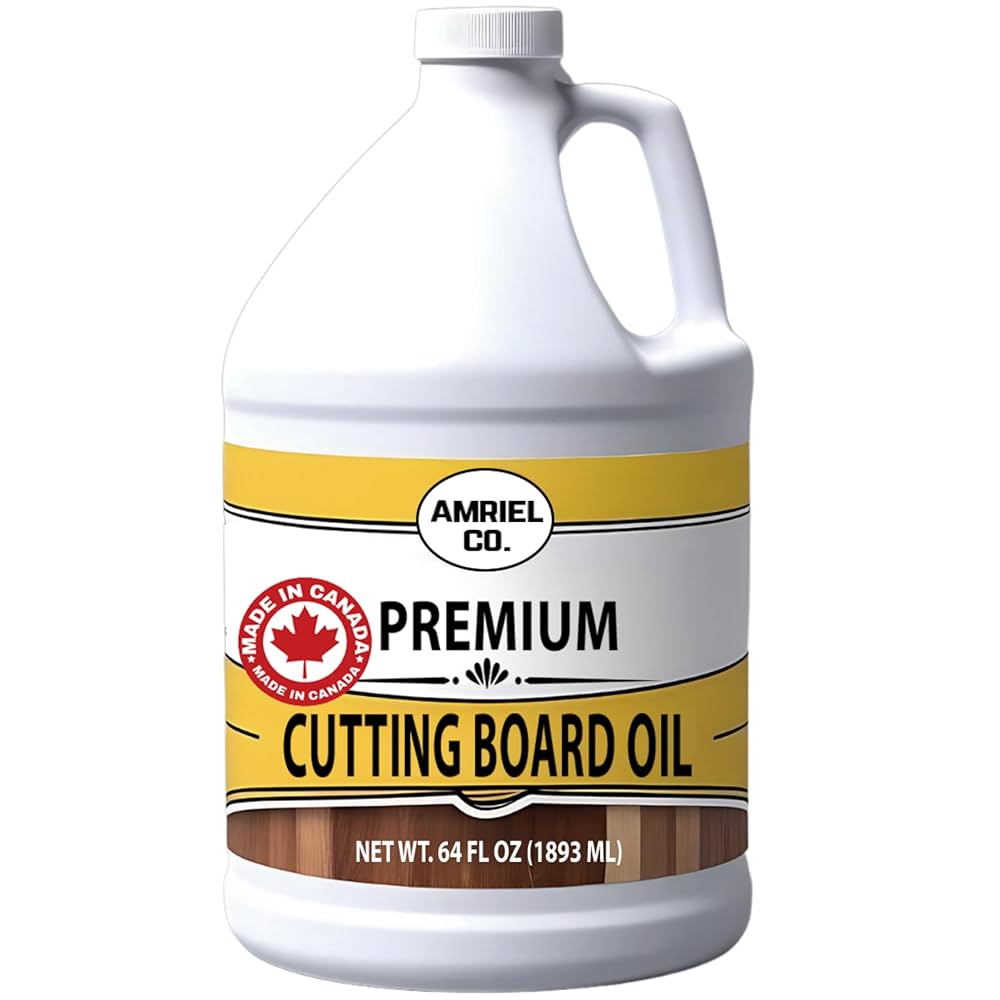
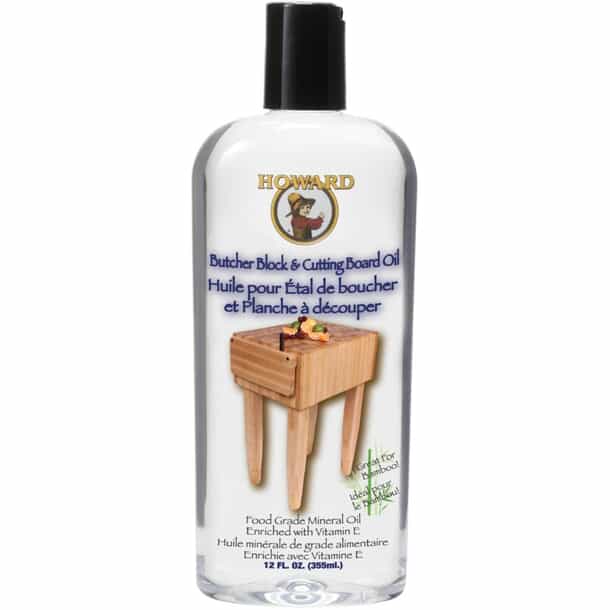
Mineral oil is a common choice for cutting boards. It is food-safe and odorless. It soaks into the wood and protects it from moisture. You should apply it regularly to keep the board in good shape.
Coconut Oil
Coconut oil is natural and has antibacterial properties. It can help keep your board clean. Make sure to use refined coconut oil to avoid a strong smell. It also prevents the wood from drying out.
Walnut Oil
Walnut oil is a drying oil that hardens over time. It adds a nice finish to the board. This oil is good for boards used in dry environments. People with nut allergies should avoid it.
- Dries slowly and forms a protective layer
- Enhances the wood’s natural color
- Not safe for people with nut allergies
Beeswax Blends
| Ingredient | Benefit |
| Beeswax | Creates a water-resistant surface |
| Mineral Oil | Penetrates wood and adds moisture |
| Other Natural Oils | Add scent and extra protection |
Beeswax blends mix beeswax with oils. They offer strong protection and a smooth finish. The beeswax seals the board, while oils keep the wood nourished.
Oils To Avoid
Choosing the right oil for cutting boards is important to keep them safe and long-lasting.
Some oils can damage the wood or cause health risks. Avoid these oils for cutting boards.
Vegetable And Cooking Oils
Many common cooking oils dry out or spoil, making them bad for cutting boards.
- Olive oil can go rancid and leave a sticky surface.
- Canola oil tends to dry hard and crack the wood.
- Soybean oil may cause unpleasant odors over time.
- Sunflower oil has a short shelf life and can turn rancid.
Essential Oils
Essential oils are not suitable for cutting boards because they evaporate quickly and do not protect the wood.
They may also cause allergic reactions or leave strong smells on food.
Toxic Or Rancid Oils
| Oil Type | Reason to Avoid | Effect on Cutting Board |
|---|---|---|
| Mineral oil (non-food grade) | Toxic if ingested | Unsafe for food contact |
| Linseed oil (raw) | May contain harmful chemicals | Can cause wood damage |
| Rancid oils | Smell bad and spoil | Leaves sticky residue and attracts bacteria |
| Motor oils or industrial oils | Highly toxic | Do not use on food surfaces |
How To Apply Oil
Oiling cutting boards keeps them healthy and lasting longer. It stops the wood from drying out and cracking.
Using the right method helps the oil soak in evenly. This guide shows how to prepare, apply, and maintain your board.
Preparation And Cleaning
Clean the board well before oiling. Remove all food particles and dry it completely. A dry surface helps the oil absorb better.
- Wash with warm, soapy water
- Rinse and dry with a towel
- Let the board air dry fully
- Sand lightly if the surface is rough
Application Techniques
Apply the oil using a clean cloth or brush. Spread it evenly over the entire surface, including edges.
- Pour a small amount of oil on the board
- Use circular motions to rub the oil in
- Coat every part of the board evenly
- Let the oil soak for at least 20 minutes
- Wipe off any extra oil with a dry cloth
Frequency Of Oiling
The board needs regular oiling to stay in good shape. The frequency depends on how often you use it.
| Use Level | Oiling Frequency |
| Daily use | Once a week |
| Weekly use | Once a month |
| Occasional use | Every 3 months |
Benefits Of Oiling Cutting Boards
Oiling cutting boards keeps them safe and strong. It helps the wood last longer and look better.
Using the right oil protects your board from damage. It also makes cleaning easier and keeps germs away.
Preventing Cracks And Warping
Oiling stops wood from drying out. Dry wood can crack or bend over time.
The oil keeps moisture in the wood. This helps the board stay flat and strong.
- Prevents cracks caused by dryness
- Keeps the board from warping
- Extends the life of the cutting board
Enhancing Wood Grain
Oiling makes the wood grain stand out. It brings out the natural colors and patterns.
This improves the board’s look and feel. The wood looks rich and smooth after oiling.
- Brightens natural wood colors
- Shows off unique wood patterns
- Gives a smooth, polished surface
Maintaining Hygiene
Oiled boards resist water and stains better. This stops bacteria from growing deep inside the wood.
Cleaning is easier on an oiled surface. The oil seals tiny holes where germs can hide.
- Reduces absorption of liquids
- Prevents bacteria buildup
- Keeps the board cleaner and safer
Credit: www.homehardware.ca
Diy Oil Mixtures
Oiling cutting boards keeps them safe and strong. You can make your own oil mix at home. This saves money and lets you choose natural ingredients.
Using the right oil mix helps stop wood from drying and cracking. It also keeps the board smooth and easy to clean.
Homemade Beeswax And Oil Blend
Beeswax and oil make a great mix for cutting boards. Beeswax adds a protective layer that keeps water out. The oil soaks into the wood and nourishes it.
This blend is simple to make and safe for food contact. It leaves a nice shine without feeling sticky.
- Use 1 part beeswax to 4 parts oil
- Melt beeswax gently in a double boiler
- Mix in oil like mineral or walnut oil
- Stir until fully combined
- Let cool before use
Customizing Oil Ratios
You can change the amount of oil or beeswax to fit your needs. More oil makes the mix softer and easier to apply. More beeswax makes it harder and more protective.
Try different oils like coconut, jojoba, or almond. Each oil has a unique feel and scent. Pick one that you like and that works well on wood.
- Soft mix: 1 part beeswax, 5 parts oil
- Hard mix: 2 parts beeswax, 3 parts oil
- Use food-safe oils only
- Test on a small board area first

Credit: www.amazon.ca
Frequently Asked Questions
What Is The Best Oil For Cutting Boards?
Mineral oil is the best choice for cutting boards. It’s food-safe, odorless, and prevents wood from drying. It penetrates deeply, offering long-lasting protection. Apply it regularly to maintain the board’s condition. Other oils like walnut or coconut oil can also be used but ensure they are food-grade.
Can You Use Olive Oil On Cutting Boards?
Avoid using olive oil on cutting boards. It can become rancid over time, creating unpleasant odors. Instead, opt for food-grade mineral oil or walnut oil. These oils provide better protection and maintain the board’s integrity. Olive oil is more suitable for cooking and should not be used for wood preservation.
How Often Should I Oil My Cutting Board?
Oil your cutting board once a month or when it looks dry. Regular oiling maintains its condition and prevents cracks. Apply a generous amount of mineral oil and let it soak in. Wipe off the excess with a clean cloth.
This routine ensures longevity and keeps the board safe for food preparation.
Is Coconut Oil Good For Cutting Boards?
Coconut oil can be used but ensure it’s fractionated and food-grade. It prevents rancidity and offers protection. Mineral oil remains a more popular choice, but coconut oil is a viable alternative. Apply it regularly to prevent the wood from drying and cracking, ensuring your cutting board stays in great condition.
Conclusion
Choosing the right oil keeps cutting boards safe and strong. Mineral oil works best because it soaks in well. Avoid cooking oils; they can turn sticky or rancid. Regular oiling prevents cracks and stains on wood boards. Clean the board before applying oil for best results.
A well-oiled board lasts longer and stays fresh. Small effort, big difference for your kitchen tools. Keep your cutting board healthy with simple care steps.