Are you thinking about upgrading your kitchen tools? Choosing the right cutting board is more important than you might realize.
If you’ve come across acacia wood boards, you might be wondering: Is acacia wood good for cutting boards? The answer could change the way you prepare your meals every day. You’ll discover the surprising benefits and possible drawbacks of acacia wood, helping you make a smart choice for your kitchen.
Keep reading—your cooking experience might never be the same.

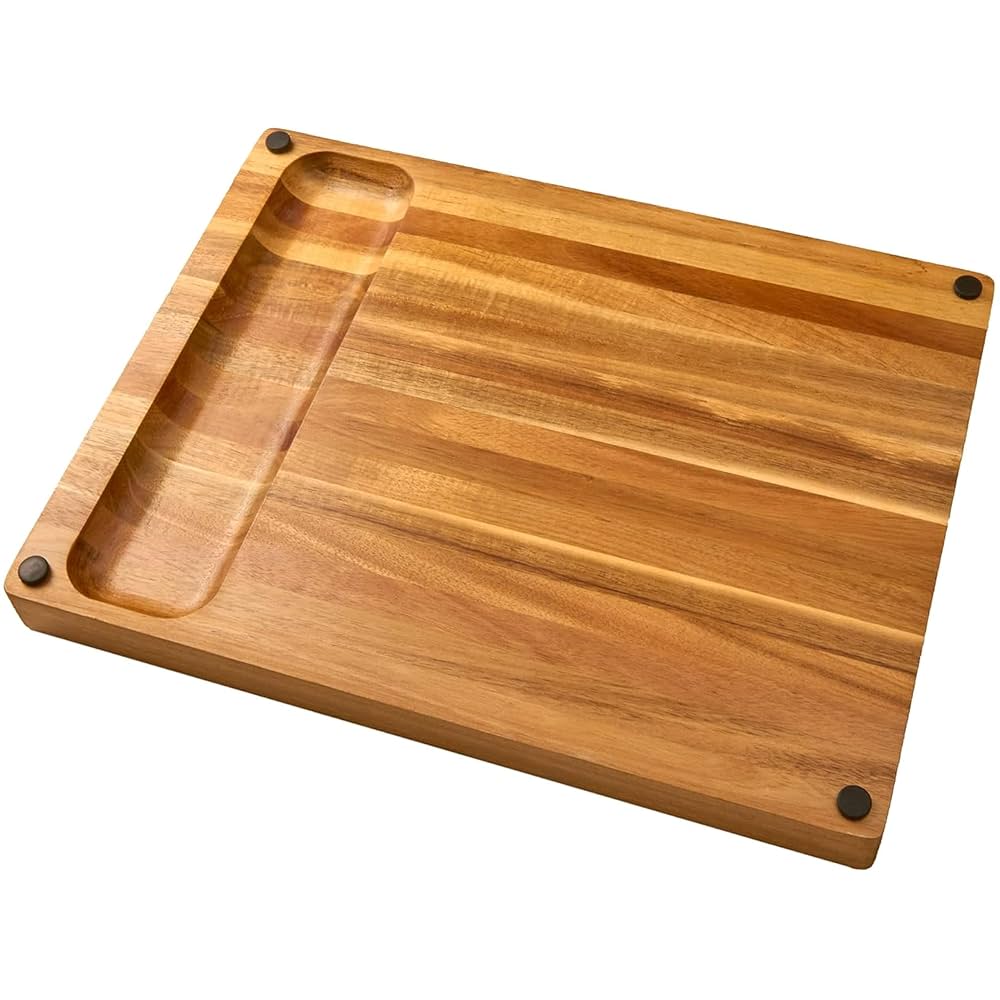
Credit: www.amazon.ca
Durability Of Acacia Wood
Acacia wood is popular for cutting boards because it lasts a long time. It can handle daily use without breaking down.
Its durability makes it a reliable choice for kitchen tools. This wood stands up well to regular cutting and chopping.
Hardness And Strength
Acacia wood is very hard, which helps it resist deep cuts. This hardness protects the surface of the cutting board.
The strength of acacia wood means it does not crack easily. It stays solid even after heavy use.
Resistance To Wear And Tear
Acacia wood holds up well against scratches and dents. It keeps its smooth surface for a long time.
It also resists stains, so the board looks good after many uses. This makes cleaning easier.
Moisture And Warping Resistance
Acacia wood does not absorb water quickly. This helps prevent warping and keeps the board flat.
Its natural oils protect the wood from moisture damage. This makes acacia wood a good choice for kitchen use.
Aesthetic Appeal
Acacia wood is popular for cutting boards because of its attractive look. It adds style to any kitchen with its natural beauty.
This wood’s appearance makes cutting boards stand out as both useful and decorative items.
Unique Grain Patterns
Acacia wood shows unique and interesting grain patterns. Each board has a different design, making it special.
The grains often swirl or flow in natural shapes. This gives the cutting board a warm and organic feel.
Color Variations
Acacia wood has a wide range of color tones. These colors add depth and charm to the cutting board.
- Light amber shades
- Rich honey browns
- Deep reddish hues
- Dark chocolate streaks
Natural Finish Options
Acacia wood cutting boards can be left natural or finished with oils. This keeps the wood looking fresh and healthy.
| Finish Type | Effect |
| Natural (no finish) | Soft matte look, shows wood texture |
| Mineral Oil | Enhances color, adds slight shine |
| Beeswax Blend | Protects surface, smooth feel |
Safety And Maintenance
Acacia wood is popular for cutting boards because it is strong and looks nice. It is important to keep it safe and clean for food use.
Proper care helps your acacia cutting board last longer and stay safe for food preparation.
Food Safety Aspects
Acacia wood has natural oils that resist bacteria and moisture. This makes it safer than some other woods for cutting boards.
Still, avoid deep cuts and cracks where germs can hide. Use separate boards for raw meat and vegetables to prevent cross-contamination.
Cleaning Tips
Wash your acacia cutting board with warm, soapy water after each use. Rinse it well and dry with a clean towel.
Do not soak the board in water or put it in the dishwasher. This can cause the wood to crack or warp.
- Use mild dish soap and warm water
- Dry immediately with a towel
- Do not soak or dishwasher clean
- Sanitize with vinegar if needed
Oiling And Conditioning
Regular oiling keeps acacia wood strong and prevents drying out. Use food-safe mineral oil or a special cutting board oil.
Apply oil evenly, let it soak in, then wipe off extra. Do this once a month or when the board looks dry.
- Use food-grade mineral oil
- Apply oil with a clean cloth
- Let oil soak for several hours
- Wipe off excess oil
- Oil monthly or when dry
Comparison With Other Woods
Choosing the right wood for cutting boards is important. Different woods have unique qualities. Acacia is popular, but how does it compare?
This guide compares Acacia with Maple, Bamboo, and Walnut. You will see how each wood performs for cutting boards.
Maple Vs Acacia
Maple is a classic choice for cutting boards. It is hard, dense, and resists scratches well. Acacia is also hard but has more natural oils. These oils help resist water and stains.
Maple has a lighter color and smooth texture. Acacia features a darker, richer look with natural grains. Maple is often easier to clean and maintain. Acacia’s oils can protect the board but may require special care.
Bamboo Vs Acacia
Bamboo is a fast-growing grass, not a wood. It is eco-friendly and very hard. Bamboo is lighter and less porous than Acacia. This means bamboo does not absorb much water.
- Acacia has natural oils that protect against moisture.
- Bamboo is harder but can be more brittle.
- Acacia offers a warmer color and unique grain patterns.
- Bamboo boards are often lighter and easier to move.
Walnut Vs Acacia
| Feature | Walnut | Acacia |
| Color | Dark brown | Varies, often dark with golden tones |
| Hardness | Medium-hard | Hard |
| Water Resistance | Moderate | Good due to natural oils |
| Grain Pattern | Fine and straight | Bold and varied |
| Maintenance | Needs regular oiling | Oiling helps but less often |
Environmental Impact
Acacia wood is popular for cutting boards because of its durability and beauty. The environmental impact of using acacia wood depends on how it is sourced and processed.
Understanding the sustainability of acacia, harvesting methods, and certifications helps buyers choose eco-friendly products.
Sustainability Of Acacia
Acacia trees grow quickly and can thrive in dry areas with little water. This makes them a sustainable wood option compared to slow-growing hardwoods. They also help prevent soil erosion and improve soil quality.
Harvesting Practices
Responsible harvesting of acacia wood reduces environmental damage. Many producers use selective cutting, which means only mature trees are cut while young trees remain. This allows forests to regrow naturally.
- Selective tree cutting
- Replanting new trees after harvest
- Minimizing waste in the wood processing
- Protecting nearby wildlife habitats
Eco-friendly Certifications
Some acacia wood products come with certifications to show they meet environmental standards. These certifications help buyers trust that the wood is sourced responsibly.
| Certification | Meaning | Benefit |
| FSC (Forest Stewardship Council) | Wood comes from responsibly managed forests | Supports forest conservation |
| PEFC (Programme for the Endorsement of Forest Certification) | Ensures sustainable forest management | Promotes legal wood trade |
| Rainforest Alliance | Protects biodiversity and ecosystems | Improves forest worker conditions |
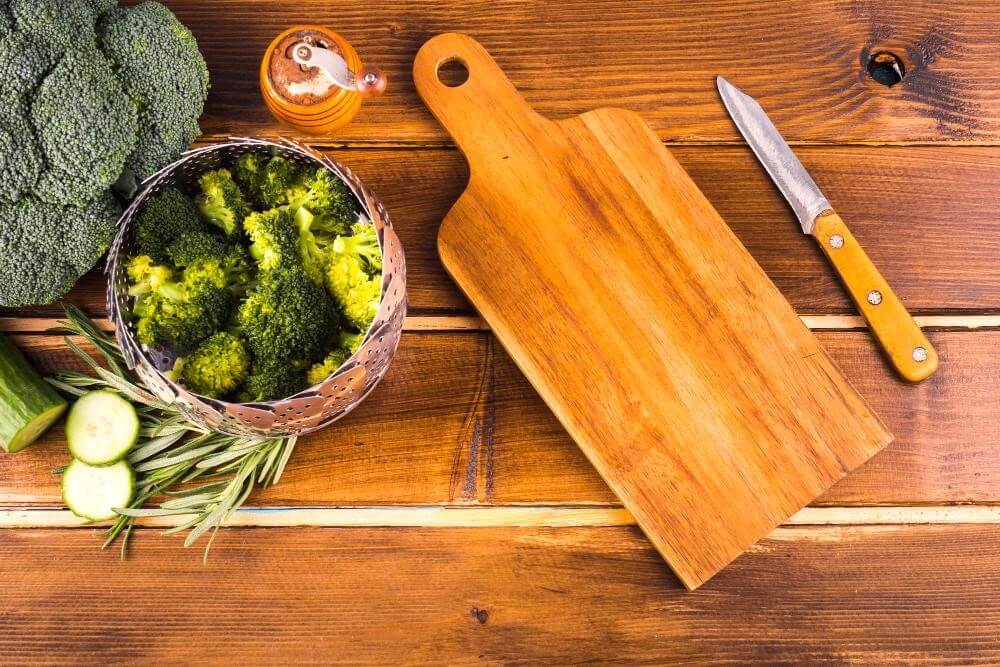
Credit: leeknives.com
Cost And Availability
Acacia wood is a popular choice for cutting boards. It offers a natural look and good durability. Understanding its cost and availability helps you decide if it fits your needs.
This section covers the price range, where to buy acacia cutting boards, and their value for money.
Price Range
Acacia cutting boards usually cost more than plastic ones but less than some hardwoods like maple or walnut. Prices vary by size and craftsmanship.
| Size | Price Range (USD) |
| Small (8″ x 10″) | $15 – $30 |
| Medium (10″ x 14″) | $25 – $50 |
| Large (14″ x 20″) | $45 – $80 |
Where To Buy
You can find acacia cutting boards in many places. Both physical stores and online shops offer various options.
- Kitchen supply stores
- Home goods retailers
- Online marketplaces like Amazon and Etsy
- Specialty woodworking shops
Value For Money
Acacia boards provide good value. They last long and resist water well. This reduces the need to replace them often.
Compared to other woods, acacia balances cost with durability and style. This makes it a smart choice for many kitchens.
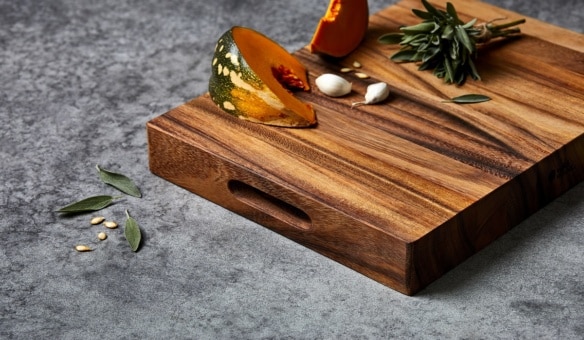
Credit: www.wildwood.com.au
Frequently Asked Questions
Is Acacia Wood Safe For Cutting Boards?
Yes, acacia wood is safe for cutting boards. It’s naturally antibacterial, which helps prevent bacteria growth. Additionally, it’s durable and resistant to water damage. These qualities make acacia a popular choice for kitchen use. Its beautiful grain also adds an aesthetic appeal to your kitchen.
Does Acacia Wood Require Special Care?
Acacia wood requires minimal maintenance. Hand wash it with mild soap and water. Avoid soaking it to prevent warping. Regularly oiling with food-grade oil keeps the wood moisturized. This prevents cracking and maintains its natural sheen. Proper care extends the lifespan of your acacia cutting board.
How Durable Is Acacia Wood For Cutting Boards?
Acacia wood is highly durable, making it ideal for cutting boards. It resists scratches and dents, even with heavy use. Its hardness prevents knife marks, maintaining a smooth surface. This durability ensures longevity, providing years of use in your kitchen.
Acacia’s resilience makes it a preferred choice among chefs.
Is Acacia Wood Eco-friendly?
Yes, acacia wood is eco-friendly. It grows quickly, making it a sustainable resource. Harvesting acacia has minimal environmental impact. Additionally, it’s often sourced from responsibly managed forests. Choosing acacia supports sustainable practices and reduces deforestation. Its eco-friendliness makes it a responsible choice for environmentally conscious consumers.
Conclusion
Acacia wood stands out as a solid choice for cutting boards. It offers great durability and resists water well. The wood’s natural oils help protect it from bacteria. Its beautiful grain adds a nice touch to any kitchen. Easy to clean and maintain, it stays in good shape longer.
Choose acacia for a cutting board that lasts and looks good. A smart, simple option for everyday cooking tasks.