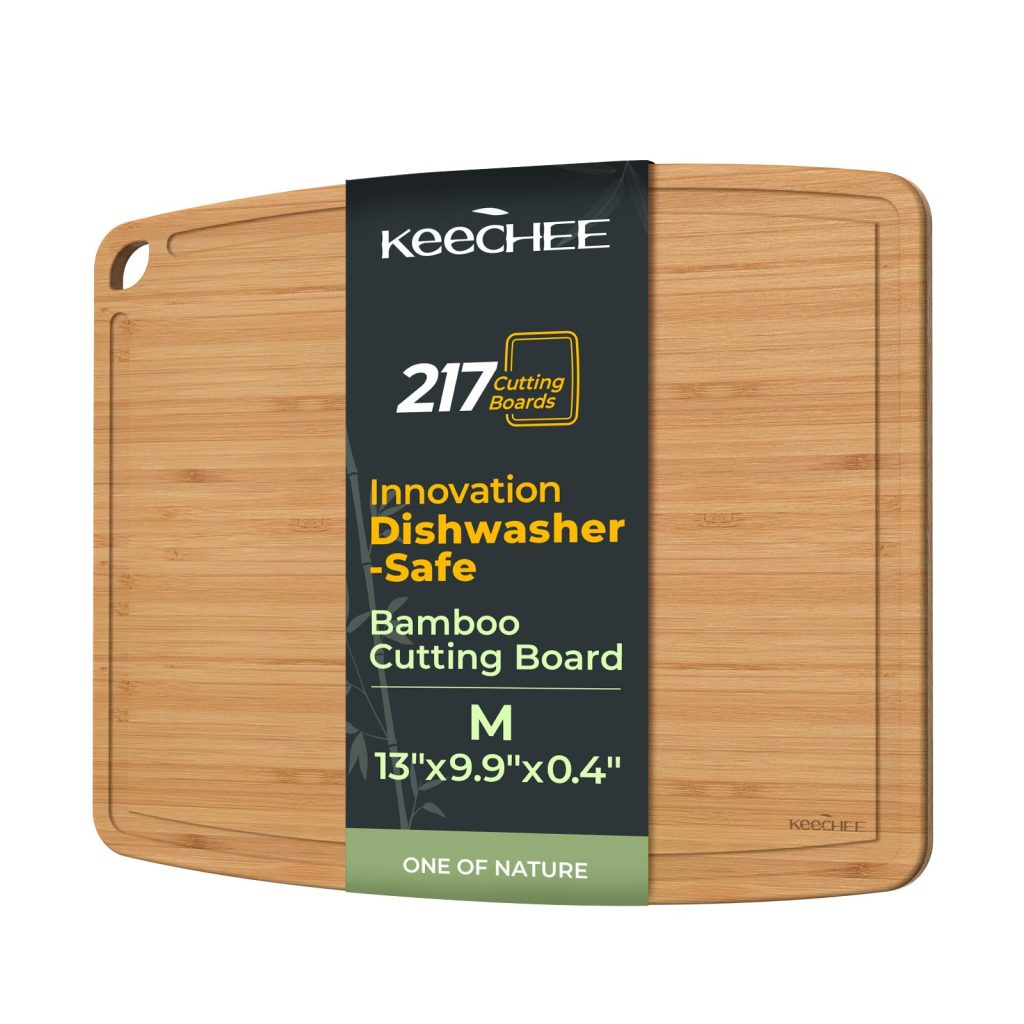
Are you wondering if your cutting board can go straight into the dishwasher? You might think it’s an easy way to save time and ensure cleanliness.
But is it really safe for your cutting board? Using the dishwasher without knowing the facts can damage your board or even affect your food’s safety. Keep reading to discover which cutting boards are dishwasher safe, which ones aren’t, and how to care for them properly.
This simple knowledge can protect your kitchen tools and make your cooking safer and easier.
Types Of Cutting Boards
Cutting boards come in many materials. Each type has different care needs.
Knowing if your cutting board is dishwasher safe helps keep it clean.
Wooden Cutting Boards
Wooden boards are popular for their durability and natural look. They are made from hardwoods like maple or walnut.
Wood is not dishwasher safe. Water and heat can cause wood to crack or warp.
- Clean with warm soapy water
- Dry immediately after washing
- Oil regularly to maintain surface
Plastic Cutting Boards
Plastic boards are lightweight and easy to clean. Many are made from polyethylene or polypropylene.
Most plastic cutting boards are dishwasher safe. They can handle heat and water well.
- Use dishwasher for deep cleaning
- Replace when heavily scored
- Good for raw meat and veggies
Bamboo Cutting Boards
Bamboo boards are eco-friendly and hard. They are made from fast-growing bamboo plants.
Bamboo is not recommended for dishwashers. Heat and water can cause splitting and warping.
- Wash by hand with mild soap
- Dry thoroughly after washing
- Apply food-safe oil to keep bamboo strong
Composite And Other Materials
Composite boards mix wood fibers and resin. Other types include glass and silicone boards.
Many composite boards are dishwasher safe but check the label. Glass boards are dishwasher safe but can dull knives.
- Composite: often dishwasher safe, durable
- Glass: dishwasher safe, can dull knives
- Silicone: dishwasher safe, flexible
Credit: www.walmart.com
Dishwasher Safety By Material
Cutting boards come in many materials. Each type reacts differently to dishwashers.
Knowing which boards are safe helps keep them clean and lasts longer.
Wooden Boards And Dishwasher Risks
Wooden cutting boards are popular but not dishwasher safe. The heat and water can crack wood.
Repeated dishwasher cycles dry out wood, causing warping and splitting. It also removes natural oils.
- Wood can absorb water and swell.
- Heat causes cracking and warping.
- Harsh detergents strip oils and finish.
- Hand washing with mild soap is best.
Plastic Boards In The Dishwasher
Plastic cutting boards are usually dishwasher safe. They handle heat and water well.
Dishwashers can clean plastic thoroughly and kill germs. Look for dishwasher-safe labels.
- Plastic boards resist warping and cracking.
- High dishwasher temperatures sanitize well.
- Some thin plastics may melt or deform.
- Check manufacturer instructions before use.
Bamboo Boards And Heat Sensitivity
Bamboo boards are eco-friendly but sensitive to heat. Dishwashers can damage them.
Heat and water cause bamboo to dry out and crack. Avoid dishwasher cleaning for bamboo boards.
- Bamboo is harder than wood but still absorbs water.
- High heat can cause splitting and warping.
- Hand wash with warm soapy water instead.
- Dry boards quickly to prevent damage.
Composite Boards Durability
Composite cutting boards mix wood fibers and resin. They are more dishwasher safe than wood.
Many composites resist warping and cracking in dishwashers. Still, check product care instructions.
- Composite boards handle heat better than wood.
- They are less prone to water damage.
- Some may still degrade with frequent dishwasher use.
- Hand washing can extend board life.
Proper Cleaning Techniques
Cutting boards need careful cleaning to stay safe for food use. Some boards do not work well in dishwashers. Knowing how to clean them properly helps prevent germs.
This guide shares easy ways to clean cutting boards by hand and remove stains and smells.
Hand Washing Essentials
Use warm water and soap to wash your cutting board right after use. Scrub the surface to remove food bits and dirt.
- Rinse board with hot water before washing
- Use a scrub brush or sponge with soap
- Wash both sides of the board
- Rinse thoroughly with clean water
- Dry the board with a clean towel or air dry upright
Sanitizing Without A Dishwasher
You can sanitize your cutting board without a dishwasher using household items. This kills bacteria and keeps your board safe.
| Method | How to Use | Notes |
| Vinegar | Spray or wipe white vinegar on the board. Let sit 5 minutes. Rinse well. | Natural disinfectant, safe for most boards. |
| Hydrogen Peroxide | Pour 3% hydrogen peroxide on the surface. Let bubble for 10 minutes. Rinse off. | Use in a well-ventilated area. |
| Bleach Solution | Mix 1 tablespoon bleach with 1 gallon water. Apply for 2 minutes. Rinse thoroughly. | Use sparingly. Avoid on wooden boards. |
Dealing With Stains And Odors
Cutting boards can hold stains and smells from foods. You can clean these away with simple home remedies.
- Rub board with coarse salt and lemon juice. Let sit 5 minutes, then rinse.
- Use baking soda paste (baking soda and water) to scrub tough stains.
- Dry the board completely to prevent odors from returning.
- Store boards in a dry place to avoid mold growth.

Credit: www.amazon.com
Maintaining Cutting Boards
Keeping your cutting boards in good condition helps them last longer. Proper care stops damage and keeps food safe.
This guide covers how to care for wooden and bamboo boards. Learn simple tips to avoid cracks and know when to replace old boards.
Oiling Wooden And Bamboo Boards
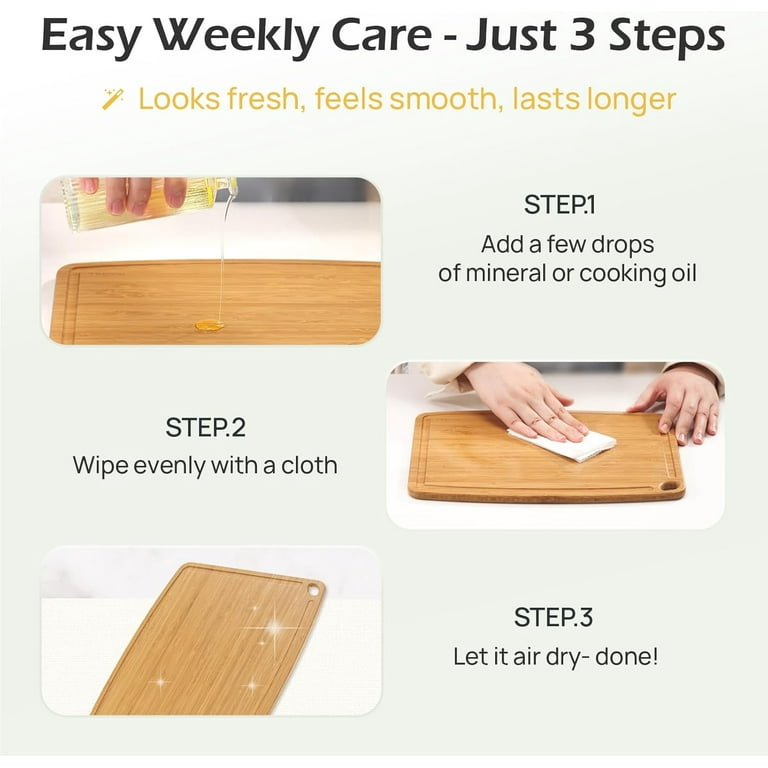
Oiling wooden and bamboo cutting boards protects the surface. It prevents the wood from drying out and cracking.
- Use food-grade mineral oil or beeswax.
- Apply oil evenly with a clean cloth.
- Let the board absorb oil overnight.
- Wipe off any extra oil before use.
- Oil your board every 1 to 2 months.
Avoiding Warping And Cracks
Warps and cracks damage cutting boards and make them unsafe. Follow these tips to keep your board flat and smooth.
- Do not soak boards in water.
- Dry boards immediately after washing.
- Keep boards away from heat sources.
- Store boards standing up or flat in a dry place.
- Use both sides to avoid uneven wear.
Replacing Old Cutting Boards
Old cutting boards can hide bacteria in deep cuts. Replace your board if it becomes too worn or damaged.
| Condition | Action |
| Deep cracks or splits | Replace immediately |
| Hard to clean stains | Consider replacement |
| Warped or uneven surface | Replace or sand smooth |
| Surface very worn down | Replace for safety |
Health And Safety Tips
Cutting boards are important kitchen tools. Keeping them clean helps prevent illness. Knowing how to care for them is key to safe food preparation.
This guide shares tips on using cutting boards safely. Follow these steps to protect your health and avoid food contamination.
Preventing Cross-contamination
Cross-contamination happens when bacteria spread from one food to another. Cutting boards can carry germs if not cleaned well. Always wash boards with hot, soapy water after each use.
- Clean boards right after cutting raw meat or fish.
- Use hot water and soap for washing.
- Dry boards completely before storing.
- Sanitize boards regularly with a mild bleach solution.
Using Separate Boards For Different Foods
Use different boards for meat, vegetables, and bread. This stops germs from raw foods reaching ready-to-eat items. Color-coded boards help keep foods separate.
| Board Type | Food Use |
| Red | Raw meat |
| Green | Vegetables and fruits |
| Yellow | Raw poultry |
| Brown | Cooked meat |
| White | Bread and dairy |
Regular Inspection For Damage
Check cutting boards for cracks or deep cuts. Bacteria hide in these spots and can cause illness. Replace boards that are damaged or very worn out.
- Look for cracks and deep grooves.
- Replace boards with rough or uneven surfaces.
- Wooden boards need more care than plastic ones.
- Keep boards smooth by sanding if needed.
Credit: www.walmart.com
Frequently Asked Questions
Are Plastic Cutting Boards Dishwasher Safe?
Yes, plastic cutting boards are generally dishwasher safe. They can withstand high temperatures and heavy washing. However, ensure they are placed securely to avoid warping. Always check the manufacturer’s guidelines for specific care instructions to maintain the board’s longevity and hygiene.
Can Wooden Cutting Boards Go In The Dishwasher?
No, wooden cutting boards should not be placed in the dishwasher. The high heat and water can cause warping, cracking, and swelling. Hand wash them with mild soap and water. Dry thoroughly to maintain their quality and prevent bacterial growth, ensuring they remain safe for food preparation.
Are Bamboo Cutting Boards Dishwasher Friendly?
Bamboo cutting boards are not dishwasher safe. The intense heat and moisture can damage them, causing cracks. Hand wash with mild soap and water. Dry them immediately to maintain their durability. Proper care ensures they remain a sustainable and long-lasting kitchen tool.
Is It Safe To Machine Wash Glass Cutting Boards?
Yes, glass cutting boards are typically dishwasher safe. They can endure high temperatures without damage. However, ensure they are placed securely to prevent breakage. Their non-porous surface makes them easy to clean. Always check the manufacturer’s care instructions for best results.
Conclusion
Choosing the right cleaning method keeps your cutting board safe. Plastic boards often handle dishwashers well. Wood boards usually need hand washing to last longer. Heat and water can damage wood easily. Regular care helps prevent cracks and bacteria. Clean your board after every use.
Proper washing keeps food safe and fresh. Remember, not all boards fit in dishwashers. Check your board’s care instructions first. Simple steps protect your kitchen tools daily. Your cutting board deserves the right cleaning. Keep it clean and use it with care.