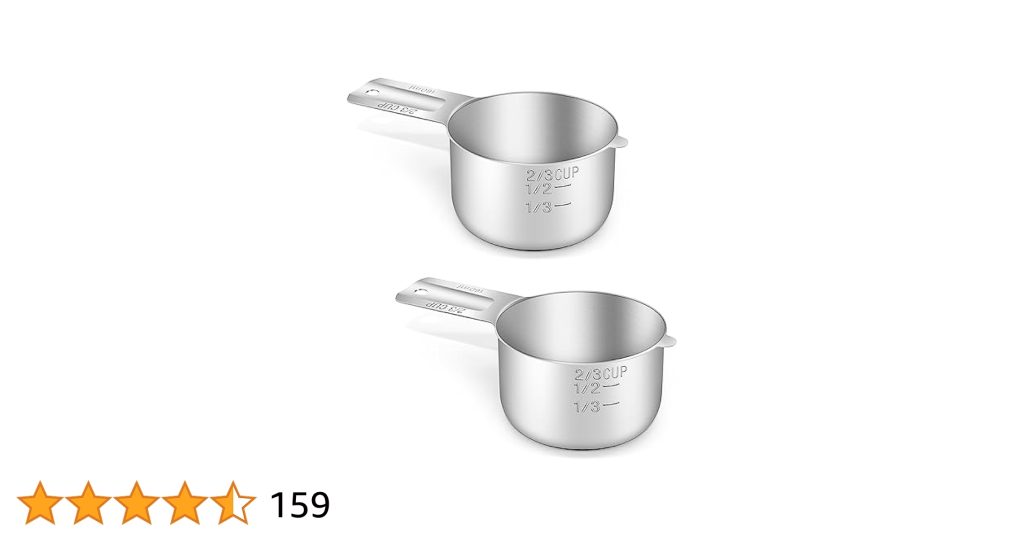
Have you ever found yourself stuck in the kitchen, unsure how to measure 2 3 cup accurately? Maybe your measuring cups don’t match up, or you’re missing the exact tool you need.
Don’t worry—there are simple and clever ways you can measure this amount without stress. Keep reading, and you’ll discover easy tricks that save you time and keep your recipes perfect every time. Your cooking just got a whole lot easier.

Credit: www.youtube.com
Common Kitchen Tools For Measuring
Measuring ingredients accurately is important in cooking and baking. You can use many kitchen tools to measure 2 3 cup. Each tool works best for different types of ingredients.
Below are common ways to measure using spoons, liquid cups, and scales. These methods help you get the right amount every time.
Using Tablespoons And Teaspoons
If you do not have a 2/3 cup measuring cup, you can use tablespoons and teaspoons. This method works well for dry ingredients like flour or sugar.
- 1 cup = 16 tablespoons
- 2/3 cup = 10 tablespoons and 2 teaspoons
- Use a level tablespoon for accuracy
- Fill the spoon and level it with a knife
Measuring With A Liquid Measuring Cup
Liquid measuring cups are clear and have measurement lines. They are best for liquids like milk or oil. You can use them to measure 2/3 cup easily.
| Measurement | Amount |
| 1/3 cup | 80 ml |
| 2/3 cup | 160 ml |
| 1 cup | 240 ml |
Pour the liquid slowly to the 2/3 cup line. Check the level at eye height for the best result.
Using A Kitchen Scale
A kitchen scale gives the most precise measurement. It is useful for both dry and liquid ingredients. Weighing ingredients can improve your cooking results.
- Turn on the scale and set it to grams or ounces.
- Place your empty container on the scale and zero it out.
- Add the ingredient until the scale shows the weight for 2/3 cup.
- For example, 2/3 cup of flour weighs about 85 grams.
Creative Alternatives For Measuring Cups
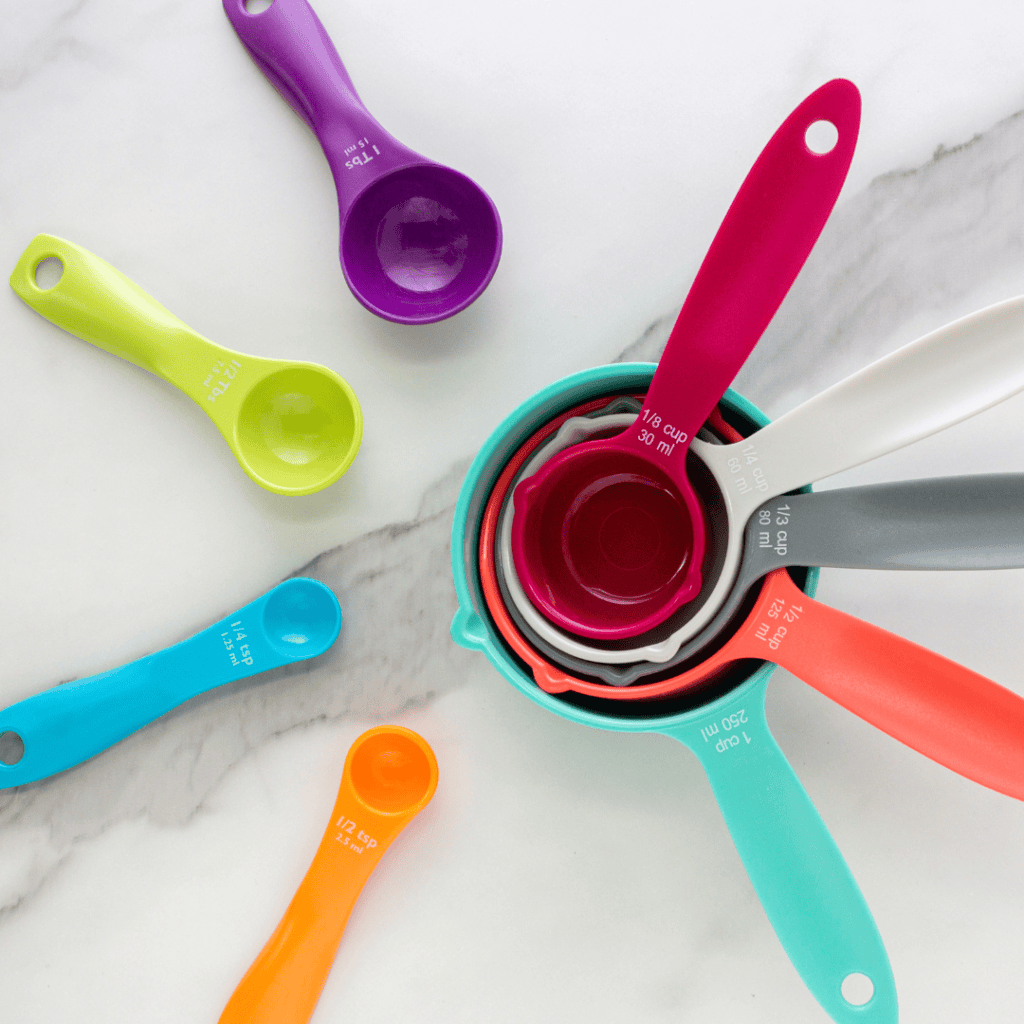
Measuring 2/3 cup can be tricky without the right tools. You can use common household items to get close measurements. These alternatives help when you don’t have a measuring cup.
Using everyday objects makes cooking and baking easier. Let’s explore some creative options for measuring 2/3 cup.
Using A Coffee Mug
A standard coffee mug usually holds about 1 cup of liquid. You can fill it a little more than half to get roughly 2/3 cup. This method works well for liquids and dry ingredients.
To be more exact, fill the mug to about two-thirds of its height. This gives you a good estimate without extra tools.
Repurposing Jars And Bottles
Look for jars or bottles with volume markings on them. Many condiment bottles or baby food jars show measurements in milliliters or ounces. Use these marks to measure 2/3 cup.
If the jar shows milliliters, remember 2/3 cup equals about 158 milliliters. Pour until you reach that mark for an accurate measure.
| Volume | Equivalent |
| 2/3 cup | 158 milliliters (ml) |
| 1 cup | 237 milliliters (ml) |
Utilizing Small Bowls
Small bowls can be useful for measuring ingredients too. Use a regular measuring cup to fill the bowl once. Then estimate two-thirds of that amount for 2/3 cup.
You can also use a small bowl that you know holds 1 cup. Fill it about two-thirds full to get close to 2/3 cup.
Visual Tricks To Estimate Measurements
Measuring small amounts like 2/3 cup can be tricky without a proper tool. You can use visual tricks to guess the amount quickly.
These tricks help you estimate measurements by using everyday items or simple comparisons.
Filling Containers To Marked Levels
Look for containers with measurement marks on the side. These marks help you fill the right amount.
A standard measuring cup often shows lines for 1/3 cup and 2/3 cup. Fill to the 2/3 mark to get the correct amount.
- Use clear containers for easy reading
- Fill slowly to avoid overfilling
- Check the mark at eye level for accuracy
Using Hand Comparisons
Your hand can be a quick tool to estimate volume. For example, a cupped hand can hold about 1/3 to 1/2 cup.
To estimate 2/3 cup, imagine filling your cupped hand a little more than once. This helps in a pinch without tools.
- A cupped hand usually holds about 1/3 cup
- Fill it twice for close to 2/3 cup
- Use fingers or palm width to judge depth
Estimating With Common Objects
Common objects can help you guess 2/3 cup. For example, a standard tennis ball is close to 2/3 cup in volume.
Other items like small juice boxes or egg sizes also give a visual reference to estimate measurements.
- Tennis ball equals about 2/3 cup
- Large eggs roughly match 1/4 cup each
- Small juice box is near 2/3 cup volume
Credit: www.recipesandplaces.com
Adjusting Recipes Without Exact Measures
Sometimes recipes call for unusual measurements like 2 3 cup. You may not have a cup marked exactly like that. You can still cook by adjusting ingredients in other ways.
Knowing how to change amounts helps when you don’t have exact tools. You can use simple math or substitute ingredients to get good results.
Scaling Ingredients Proportionally
Scaling means changing all ingredient amounts by the same factor. If your recipe needs 2 3 cup, you can multiply or divide to find an easier measure.
For example, double the recipe by using 1 1/3 cups instead of 2 3 cup. This keeps the taste balanced without exact cups.
- Find the decimal for 2 3 cup (about 0.67 cups)
- Multiply or divide to get a common measure
- Adjust all other ingredients by the same number
Using Volume Ratios
Volume ratios compare amounts of different ingredients. You can use these ratios to estimate 2 3 cup in smaller parts.
If you know 1 cup equals 16 tablespoons, then 2 3 cup equals about 10 tablespoons plus 2 teaspoons. This helps if you only have spoons.
- 1 cup = 16 tablespoons
- 2 3 cup ≈ 10 tablespoons + 2 teaspoons
- Use spoons to measure if cups are not exact
Substituting Ingredients With Similar Textures
You can replace an ingredient with one that has a similar texture and volume. This helps when you cannot measure exactly 2 3 cup.
For example, use yogurt instead of sour cream if they have the same thickness. Measure the substitute in the nearest cup or spoon size.
- Choose a substitute with the same thickness
- Measure the substitute in common units
- Adjust cooking time if needed
Tips For Accurate Measurement Without A Cup
Sometimes you may not have a measuring cup when cooking or baking. You can still measure ingredients accurately with simple tools. This guide helps you measure 2/3 cup without a cup.
Using the right techniques can improve your results. Small changes in measurement affect the taste and texture of your food.
Leveling Ingredients Properly
Leveling ingredients ensures you use the correct amount. Too much or too little can change your recipe’s outcome.
For dry ingredients, scoop them into a spoon first. Then, transfer to your container and use a straight edge to level off the top.
- Use the back of a knife to level off flour or sugar
- Do not pack ingredients unless the recipe says so
- Fill the spoon gently to avoid adding air pockets
Avoiding Common Measurement Mistakes
Many people make errors when measuring without a cup. These mistakes can cause your food to turn out wrong.
Make sure to use the right tools and measure on a flat surface. Avoid guessing amounts or eyeballing measurements.
- Do not shake the container to settle ingredients
- Use a kitchen scale if possible for better accuracy
- Remember that liquids and dry ingredients need different measuring techniques
Storing And Labeling Homemade Measures
You can create your own measuring tools with jars or containers at home. Store them carefully to reuse later.
Label each container clearly to avoid confusion when cooking. This saves time and keeps your measurements consistent.
- Use small jars for dry ingredients like flour or sugar
- Mark the 2/3 cup level with a permanent marker or tape
- Keep labels visible and clean for quick identification

Credit: www.amazon.co.uk
Frequently Asked Questions
What Are Alternative Ways To Measure 2/3 Cup?
You can measure 2/3 cup using tablespoons, teaspoons, or a kitchen scale. Use 10 tablespoons plus 2 teaspoons to equal 2/3 cup. Alternatively, weigh 5. 33 ounces or 150 grams on a kitchen scale. These methods ensure accurate measurements if you lack a 2/3 cup measuring cup.
How Many Tablespoons Equal 2/3 Cup?
There are 10 tablespoons and 2 teaspoons in 2/3 cup. This conversion is useful when you don’t have a 2/3 cup measuring tool. It offers a simple way to achieve precise measurements using common kitchen utensils.
Can I Use A Kitchen Scale For 2/3 Cup?
Yes, using a kitchen scale is a precise method. Weigh 5. 33 ounces or 150 grams to measure 2/3 cup. This approach is particularly useful for ingredients like flour, sugar, or liquids, ensuring accuracy in your recipes.
How Do I Measure 2/3 Cup Without A Cup?
Use tablespoons and teaspoons to measure 2/3 cup without a cup. Combine 10 tablespoons with 2 teaspoons for accuracy. This method works well if you don’t have specific measuring cups available, ensuring your recipes remain consistent.
Conclusion
Measuring 2 3 cup can be easy and quick. You can use spoons, a kitchen scale, or even common household items. These options help when you don’t have the exact cup size. Trying different methods can save time and reduce mistakes.
Keep practicing, and you will find what works best for you. Cooking and baking become more enjoyable with simple measuring tricks. Don’t worry about being perfect; small steps make a big difference.