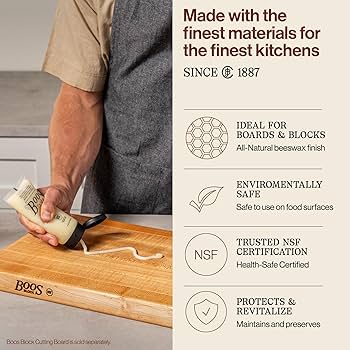
Your wood cutting board is more than just a kitchen tool—it’s an investment that deserves the right care. But have you ever wondered what oil to put on your wood cutting board to keep it looking fresh and lasting longer?
Using the wrong oil can damage your board or even make it unsafe for food. You’ll discover the best oils that protect your cutting board, enhance its natural beauty, and keep it in top shape for years. Keep reading to find out exactly what your board needs and how simple it is to care for it properly.
Credit: www.theelliotthomestead.com
Choosing The Right Oil
Wood cutting boards need regular oiling to stay in good shape. The right oil protects the wood from drying and cracking.
Not all oils are safe or effective for wood boards. Learn which oils work best and why some should be avoided.
Mineral Oil Benefits
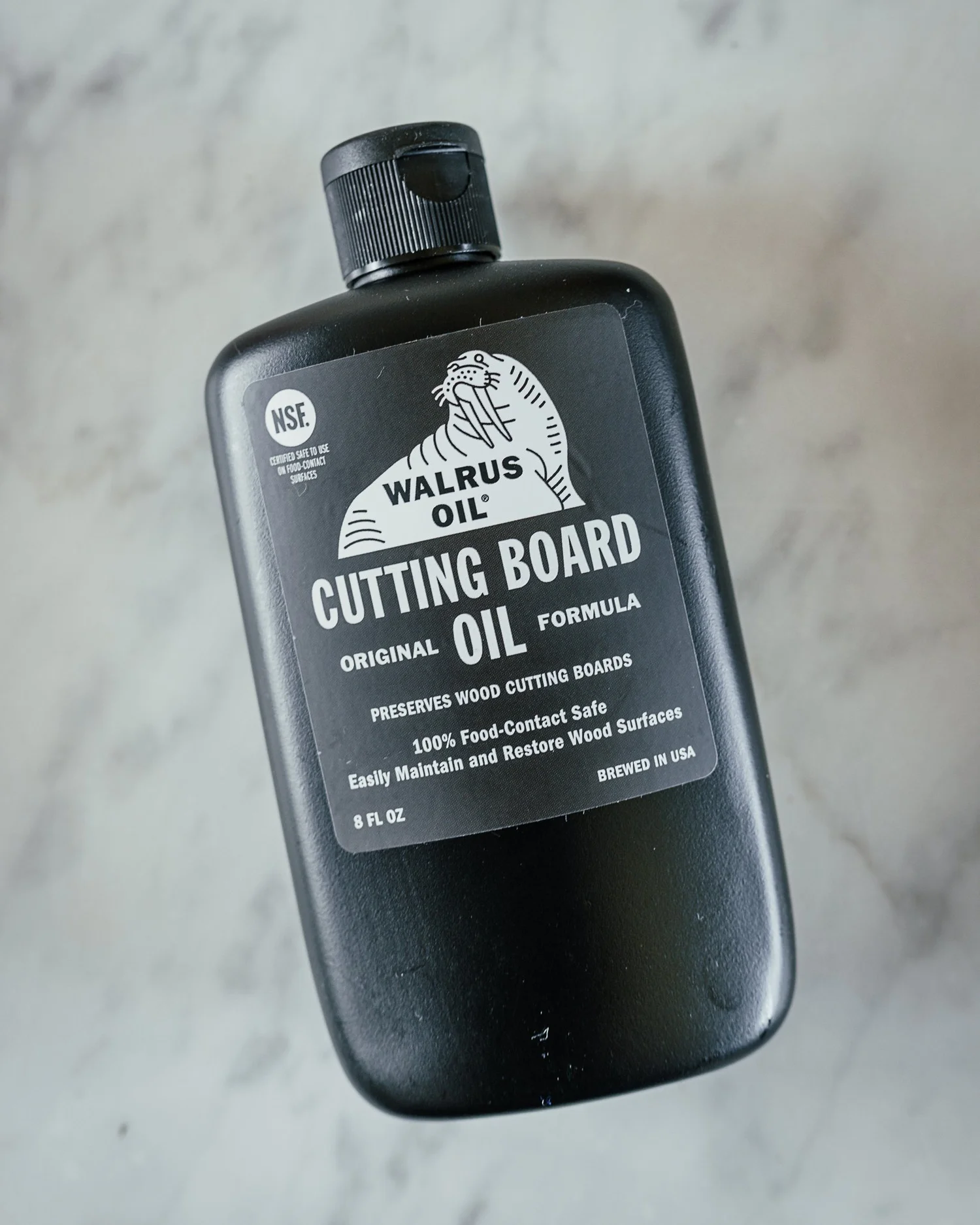
Mineral oil is a popular choice for cutting boards. It is odorless, colorless, and safe for food contact. This oil soaks into the wood and creates a barrier against moisture.
Using mineral oil keeps the board smooth and prevents it from absorbing water and bacteria.
Why Avoid Vegetable Oils
Vegetable oils like olive, canola, or sunflower oil can spoil over time. They may turn rancid and cause bad smells or sticky spots on your board.
- They attract bacteria and mold
- Can leave sticky or gummy residue
- Shorten the lifespan of your cutting board
Food-safe Oils To Consider
| Oil Type | Advantages | Notes |
| Mineral Oil | Non-toxic, odorless, long-lasting | Needs reapplication every few weeks |
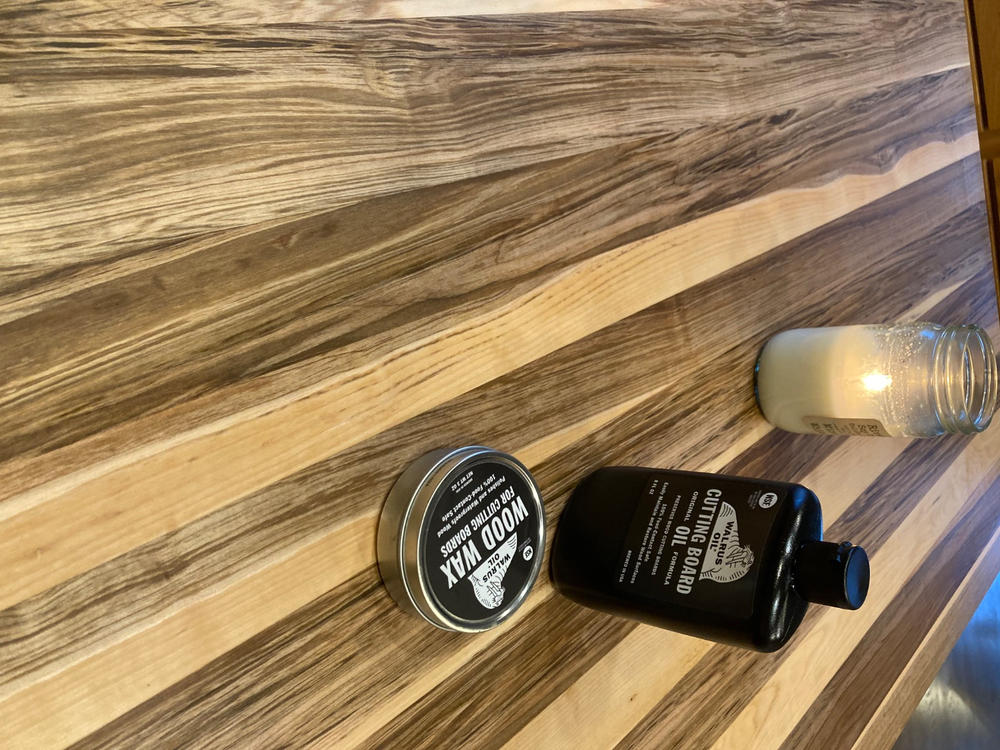
| Beeswax Blend | Adds extra protection, smooth finish | Often mixed with mineral oil |
| Coconut Oil (Refined) | Resistant to spoilage, natural | Use refined to avoid smell |
| Tung Oil | Hardens wood surface, water-resistant | Food-safe when fully cured |
Credit: walrusoil.com
How Often To Oil Your Board
Oiling your wood cutting board keeps it strong and safe for food. It stops the wood from drying out and cracking. Knowing how often to oil your board helps it last longer.
Many factors affect how often you should oil your board. These include how often you use it and the climate around you. Regular oiling keeps the board smooth and clean.
Signs Your Board Needs Oil
Watch your board for signs that it needs oil. These signs show the wood is drying out and needs care. Check your board often to keep it in good shape.
- The surface looks dull or dry.
- Small cracks or rough spots appear.
- Water no longer beads on the surface.
- The board feels lighter than usual.
- It starts to absorb stains or odors easily.
Seasonal Oiling Tips
Season changes can affect your wood board. Cold, dry air in winter can dry the wood faster. Warm, humid summer air can also impact it differently. Adjust your oiling routine by season.
| Season | Oiling Frequency | Notes |
| Winter | Every 2 weeks | Dry air dries wood faster |
| Spring | Once a month | Moderate humidity |
| Summer | Every 3 weeks | Check for moisture build-up |
| Fall | Once a month | Prepare for cold weather |
Step-by-step Oiling Process
Oiling a wood cutting board keeps it safe and lasts longer. It stops the wood from drying out and cracking.
Use the right oil and follow these steps to care for your board well.
Cleaning Before Oiling
Clean your cutting board before applying oil. Remove dirt and food particles first.
Use warm water and mild soap. Scrub gently with a soft brush or sponge.
- Rinse the board well to remove soap.
- Dry the board completely with a clean towel.
- Let it air dry for a few hours if possible.
Applying The Oil
Choose a food-safe oil like mineral oil, beeswax blend, or walnut oil. Avoid vegetable oils that can go bad.
Pour a small amount of oil directly on the wood surface. Use a clean cloth or paper towel to spread it evenly.
- Cover all sides of the board, including edges.
- Apply enough oil to soak into the wood, but not so much that it pools.
Letting It Soak
Allow the oil to soak into the wood deeply. This usually takes a few hours or overnight.
Keep the board in a dry place during this time. Avoid using or washing it until the oil absorbs well.
- Check the board after a few hours.
- If the wood looks dry, apply a second coat.
Wiping Off Excess
After the oil has soaked in, wipe off any leftover oil on the surface. Use a clean, dry cloth.
Removing excess oil helps prevent sticky or greasy spots on the board.
- Wipe gently to remove all excess oil.
- Let the board dry completely before next use.

Credit: www.reddit.com
Alternative Treatments
Wood cutting boards need care to stay strong and clean. Using the right oil helps protect the wood.
Some people use alternatives to plain mineral oil. These options can improve the board’s life and look.
Beeswax And Oil Mixtures
Mixing beeswax with oil creates a soft, water-resistant layer on wood. This blend seals the surface well.
- Beeswax protects against water and stains
- Oil keeps the wood from drying out
- Use warm beeswax and oil for easier mixing
- Apply mixture with a soft cloth in small amounts
- Let it dry before using the board again
Conditioning Vs Oiling
| Treatment | Purpose | How Often |
| Oiling | Keeps wood hydrated and flexible | Monthly or after washing |
| Conditioning | Seals wood with wax and oil | Every 3-6 months |
Oiling keeps the wood soft and stops cracking. Conditioning adds a layer to block moisture.
Use oil more often than conditioning. Both help keep your board safe and last longer.
Common Mistakes To Avoid
Choosing the right oil for your wood cutting board is important. Using the wrong oil can damage the wood. Proper care helps keep your board safe and long-lasting.
This guide points out common mistakes to avoid when oiling your cutting board. Learn how to protect your wood and keep it clean.
Using The Wrong Oil Types
Not all oils are safe for wood cutting boards. Some oils can turn rancid or harm the wood fibers.
- Avoid vegetable oils like olive or canola; they spoil quickly.
- Do not use mineral oils that are not food grade.
- Stay away from cooking oils that leave sticky residues.
- Choose pure, food-safe mineral oil or beeswax blends.
Over-oiling Issues
Oiling too often or too much can cause problems. The wood may become sticky or soft.
| Problem | Cause | Effect |
| Sticky surface | Excess oil not absorbed | Attracts dirt and dust |
| Soft wood | Too much oil saturates wood | Board loses strength |
| Long drying time | Over-application of oil | Delays use of board |
Ignoring Regular Maintenance
Skipping regular cleaning and oiling can dry out the board. Dry wood cracks and absorbs bacteria.
- Clean the board after every use with mild soap and water.
- Dry it thoroughly before applying oil.
- Oil the board every few weeks or when it looks dry.
- Store it in a dry place to avoid warping.
Maintaining Your Board’s Longevity
Wood cutting boards need care to last a long time. Using the right oil helps protect the wood. It keeps the board strong and safe for food.
Besides oiling, cleaning, storing, and fixing small damage also matter. These steps keep your board in good shape for years.
Proper Cleaning Practices
Clean your wood cutting board after each use. Use warm water and mild soap. Avoid soaking the board or putting it in a dishwasher.
- Rinse the board right after use.
- Use a soft sponge to wash it gently.
- Dry the board with a clean towel immediately.
- Air dry the board standing up or on a rack.
Storage Tips
Store your wood board in a dry place. Keep it away from heat and moisture to stop warping and cracking.
| Do | Don’t |
|---|---|
| Store standing up or on edge | Lay flat on damp surfaces |
| Keep in a cool, dry cabinet | Place near stove or sink |
| Oil the board regularly | Leave it dry for long periods |
Repairing Minor Damage
Small scratches or cuts can be fixed to keep the board smooth. Light sanding and oiling restore the surface.
To repair your board:
- Sand the damaged area with fine-grit sandpaper.
- Wipe away dust with a damp cloth.
- Apply food-grade mineral oil evenly.
- Let the oil soak in for several hours or overnight.
- Wipe off excess oil before use.
Frequently Asked Questions
What Oil Is Best For Wood Cutting Boards?
Mineral oil is the most recommended for wood cutting boards. It’s food-safe, non-toxic, and penetrates deeply into the wood. Regular application prevents drying, cracking, and enhances the board’s longevity. Ensure you use a food-grade mineral oil for the best results.
Avoid using vegetable or olive oils as they can go rancid.
How Often Should I Oil My Cutting Board?
Oiling your cutting board once a month is ideal. However, if you use it frequently, consider oiling it every two weeks. Regular oiling maintains the board’s durability and appearance. Always clean the board thoroughly before applying oil for the best absorption and protection.
Can I Use Olive Oil On A Cutting Board?
Avoid using olive oil on cutting boards. Olive oil can become rancid over time, affecting the board’s smell and taste. Instead, opt for food-grade mineral oil. It’s stable, non-toxic, and maintains the board’s integrity. Regular maintenance with the right oil ensures a long-lasting, functional cutting board.
Is Coconut Oil Safe For Wood Cutting Boards?
Coconut oil can be used but isn’t the best choice. It can become rancid over time, especially in warm conditions. Instead, use food-grade mineral oil for better preservation. It penetrates the wood, preventing cracks and maintaining appearance. Always choose the safest option for your board’s longevity.
Conclusion
Choosing the right oil keeps your wood cutting board strong. Mineral oil is safe, easy to find, and works well. Avoid cooking oils that can go bad and smell. Regular oiling stops cracks and warping. Your board will look better and last longer.
A little care goes a long way. Treat your board right, and it will serve you well. Simple steps make a big difference. Keep your kitchen tools ready for every meal.