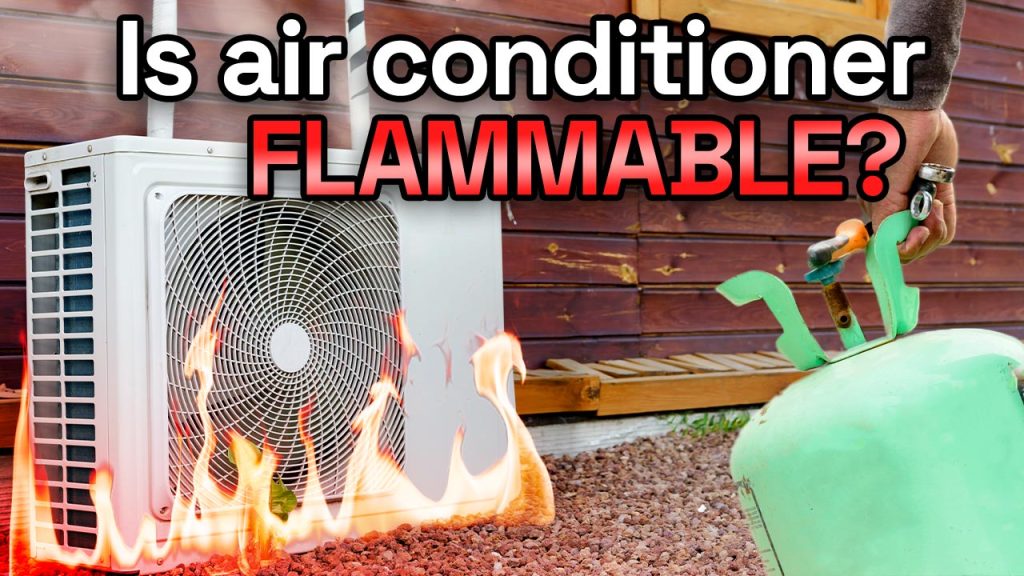
Have you ever wondered if your air conditioner uses gas? It’s a common question that many people have, especially when trying to understand how their cooling system works or when thinking about energy costs.
Knowing the answer can help you make smarter choices for your home and your wallet. You’ll discover exactly what powers your air conditioner, how it works, and what that means for you. Stick around—you might be surprised by what you learn!

Credit: yourenergyanswers.com
How Air Conditioners Work
An air conditioner cools air by moving heat from inside to outside. It uses a closed loop with a special fluid called a refrigerant. The refrigerant changes from gas to liquid and back. This change helps it absorb and release heat.
First, the refrigerant absorbs heat inside the house. It becomes a warm gas. Then, it moves outside and releases heat. The refrigerant cools down and turns back to liquid. This cycle repeats to keep the air cool.
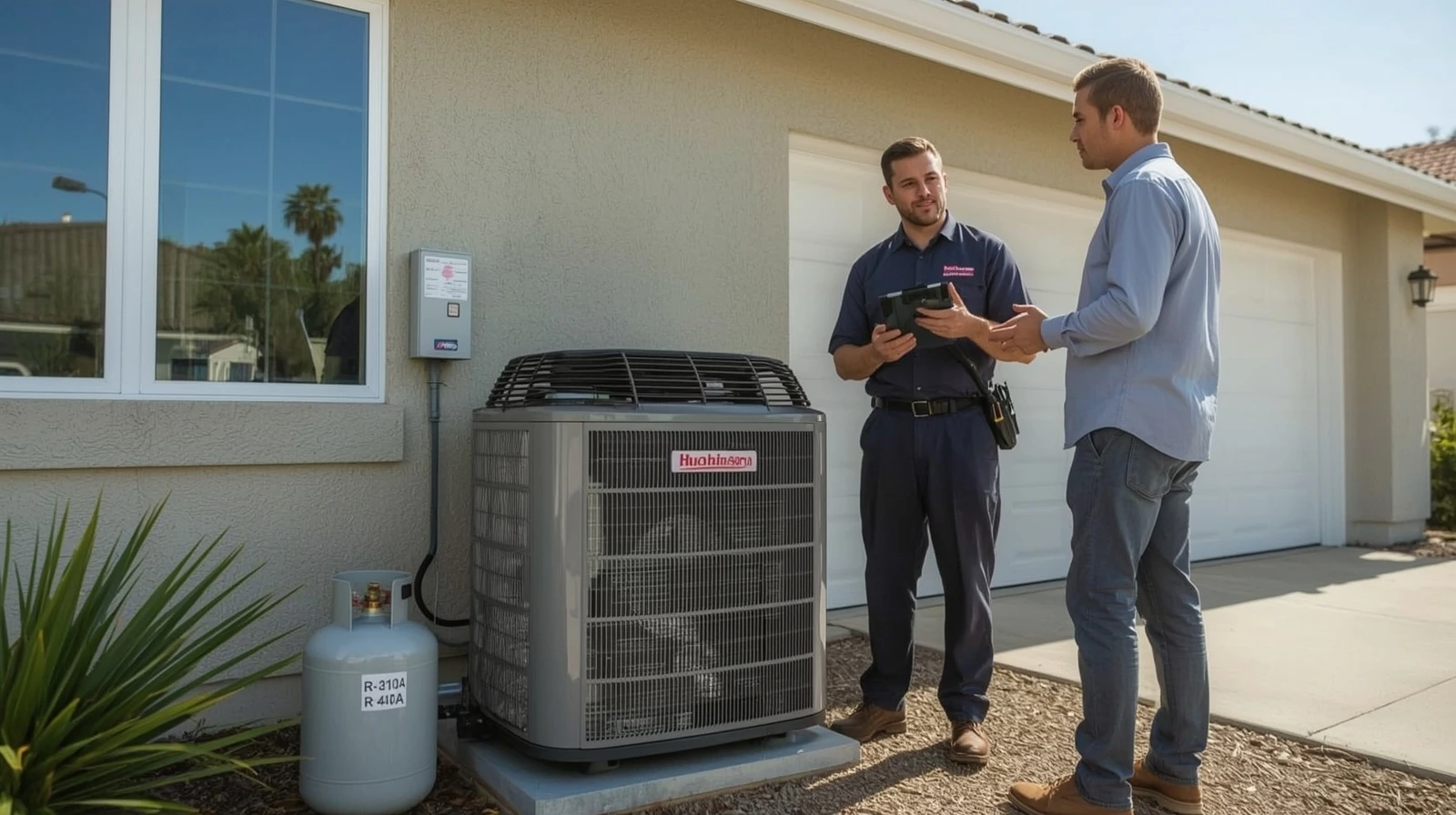
The refrigerantis key. It is a type of gas that can change states easily. Common refrigerants include R-410A and R-32. These gases help carry heat away from your home. Without refrigerants, air conditioners can’t cool effectively.
Credit: hvac-temecula-murrieta.com
Types Of Gases Used In Air Conditioners
Air conditioners use special gases called refrigerantsto cool the air. These gases absorb heat from inside the room and release it outside.
Common refrigerants include:
- R-22: Used in older systems but is being phased out due to environmental harm.
- R-410A: A newer, safer refrigerant with better cooling power.
- R-32: More efficient and has less impact on the environment.
Refrigerants can harm the environment. Some gases damage the ozone layer, causing more sunlight to reach Earth.
Others add to global warmingby trapping heat in the atmosphere. New gases aim to reduce these effects.
Gas Vs Electric Air Conditioners
Gas and electric air conditioners work differently. Gas ACs use natural gas or propane to cool air. Electric ACs use electricity to power a compressor and fan. Gas models heat air by burning fuel, while electric models use electric motors.
Electric air conditioners are common in homes. Gas units are often used where electricity is expensive or not reliable. Gas ACs can also provide heating and cooling, making them useful in some climates.
| Type | Energy Source | Operation | Energy Efficiency |
|---|---|---|---|
| Gas Air Conditioner | Natural Gas or Propane | Burns fuel to cool or heat air | Often less efficient than electric |
| Electric Air Conditioner | Electricity | Uses compressor and fan to cool air | Usually more energy-efficient |

Credit: coastalhomeservicesinc.com
Safety Concerns With Ac Gases
Air conditioners use special gases called refrigerants to cool the air. Some of these gases can be harmful if they leak, causing health and safety risks. Proper handling and regular maintenance help prevent gas leaks and keep users safe.
Leak Risks
AC gases, like refrigerants, can be harmful if they leak. These leaks may cause breathing problemsor skin irritation. Some gases can even harm the environment. Detecting leaks early is very important. Signs include poor coolingand strange smells. Using a leak detectorhelps find hidden leaks fast.
Handling And Maintenance
Only trained techniciansshould handle AC gases. They wear protective gearto avoid contact. Regular maintenance keeps the system safe and working well. Cleaning filters and checking pipes stops leaks. Proper disposal of old gases is essential for safety and environment.
Future Of Ac Refrigerants
Air conditioners use refrigerants, which are special gases that cool the air. The future of AC refrigerants focuses on eco-friendly alternativesto protect the environment. These new refrigerants have lower global warming potentialand less impact on the ozone layer.
Many countries have set strict regulationsto reduce harmful gases from ACs. Manufacturers are creating innovative solutionswith safer refrigerants like R-32 and R-290. These options help lower pollution and save energy.
| Type of Refrigerant | Environmental Impact | Use in AC |
|---|---|---|
| R-22 (Old) | High ozone depletion | Being phased out |
| R-410A | No ozone depletion, high warming | Common in new ACs |
| R-32 | Low warming potential | Eco-friendly option |
| R-290 (Propane) | Very low warming | Used in small ACs |
Frequently Asked Questions
Does An Air Conditioner Use Gas Or Electricity?
Air conditioners primarily use electricity to operate. However, some systems, like gas-powered central units, may use gas for heating. Most residential units rely solely on electricity for cooling. It’s essential to understand your system to manage energy consumption effectively.
How Does An Air Conditioner Use Gas?
Gas is generally not used in air conditioning for cooling purposes. Some HVAC systems use gas for heating. These systems are often dual-purpose, using electricity for cooling and gas for heating. Always check the specifications of your system for accurate information.
What Type Of Gas Is Used In Air Conditioners?
Air conditioners use refrigerants, not traditional gas. Common refrigerants include R-22 and R-410A. These refrigerants help cool the air by absorbing heat. It’s crucial to handle them safely due to environmental concerns.
Is Gas Air Conditioning Cost-effective?
Gas-powered air conditioning systems can be cost-effective in regions with lower gas prices. They are less common than electric units. Always compare operational costs and efficiency before deciding on a system for your home.
Conclusion
Air conditioners use special gases called refrigerants to cool the air. These gases help move heat from inside to outside your home. They do not burn gas like a stove or heater. Knowing this helps you understand how your AC works.
Proper maintenance keeps the system efficient and safe. Now you can explain to others how air conditioners use gas. Simple and clear!