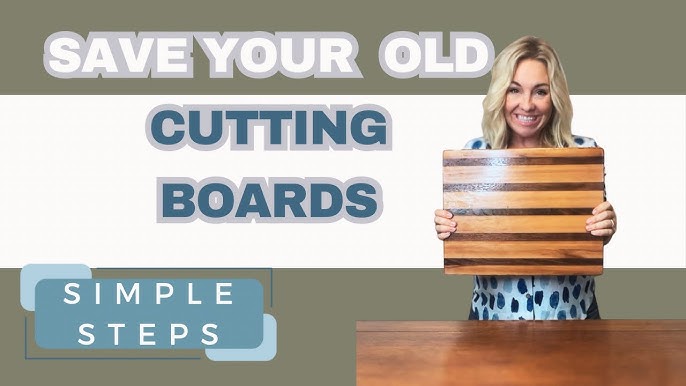
Is your cutting board looking worn out, scratched, or stained? You don’t need to toss it away and buy a new one.
With just a little effort, you can bring back its smooth surface and fresh appearance. Refinishing your cutting board not only makes it look great but also keeps it safe and hygienic for your food prep. In this guide, you’ll discover simple, step-by-step tips to restore your cutting board quickly and effectively.
Keep reading, and you’ll be amazed at how easy it is to give your kitchen essential a whole new life.

Credit: www.slightlycrookedworkshop.com
Tools And Materials Needed
Refinishing a cutting board brings it back to life. You need the right tools and materials to do it safely.
This guide covers the basic items to prepare before you start the refinishing process.
Choosing The Right Sandpaper
Sanding smooths out scratches and removes old finish. The right sandpaper makes this easier and safer for your board.
Start with coarse grit to remove deep marks, then use finer grit for a smooth surface.
- Start with 80 to 120 grit sandpaper for rough sanding
- Use 220 to 320 grit sandpaper for fine sanding
- Choose sandpaper made for wood to avoid damage
- Consider sanding blocks or pads for even pressure
Selecting Food-safe Oils
Oiling protects the wood and keeps it from drying out. Use oils safe for food contact to avoid health risks.
Pick oils that soak in well and do not go rancid quickly.
- Mineral oil is popular and easy to find
- Coconut oil is natural but choose refined to avoid smell
- Walnut oil works well but watch for allergies
- Beeswax can be mixed with oil for extra protection
Additional Supplies
Besides sandpaper and oil, a few other items make refinishing easier and cleaner.
- Soft cloths or rags for wiping and applying oil
- Rubber gloves to protect your hands
- Mask or respirator to avoid dust inhalation
- Brush or sponge for even oil application
- Drop cloth or newspaper to protect your work area
Preparing The Cutting Board
Refinishing a cutting board starts with good preparation. This step helps make sure the board is clean and ready for sanding and oiling.
Cleaning and checking the board carefully will improve the final look and safety. Let’s look at how to do this well.
Cleaning And Drying
First, wash the cutting board with warm water and mild soap. Use a soft sponge or cloth to remove food and stains.
Do not soak the board in water. Too much water can cause warping or cracking.
- Rinse the board well after washing.
- Dry it with a clean towel immediately.
- Let it air dry standing upright for a few hours.
Inspecting For Damage
Look closely at the board for cracks, deep cuts, or splinters. These can affect how well the board works after refinishing.
Mark any problem spots. You may need to sand these areas more carefully or fill them before finishing.
- Check both sides of the board.
- Feel for rough or uneven spots.
- Note any big cuts that need repair.
Sanding The Surface
Sanding is key to refinishing a cutting board. It smooths the wood and removes old stains.
Proper sanding prepares the surface for oiling or finishing. This helps keep your board safe and clean.
Starting With Coarse Grit
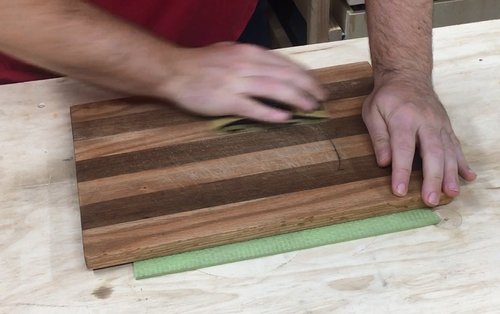
Begin sanding with coarse grit sandpaper, around 80 to 100 grit. This removes deep scratches and old finish.
Move the sandpaper in the direction of the wood grain. Avoid sanding in circles to prevent marks.
Progressing To Fine Grit
After coarse grit, use medium grit (150 to 180) to smooth the surface further. Then finish with fine grit (220 or higher).
- Use 150 grit sandpaper to remove coarse scratches.
- Check the board for smoothness by touch.
- Use 220 grit sandpaper for a fine, smooth finish.
- Wipe the dust away with a damp cloth after sanding.
Sanding Edges And Corners
Edges and corners need gentle sanding to avoid rounding them too much. Use a sanding sponge or folded sandpaper.
- Use light pressure to keep sharp edges.
- Sand in small, controlled strokes.
- Check edges often to avoid over-sanding.
- Finish with fine grit for a smooth feel.
Credit: www.slightlycrookedworkshop.com
Removing Dust And Debris
Before refinishing a cutting board, it is important to remove all dust and debris. Dust can affect the smoothness of the finish.
Cleaning the surface well helps the wood absorb oils and stains evenly. This step makes your cutting board look better.
Wiping With A Damp Cloth
Use a soft cloth slightly dampened with water to wipe the cutting board. This removes surface dust and light dirt.
Make sure the cloth is not too wet. Excess water can damage the wood. Wipe gently in the direction of the grain.
Using Compressed Air
Compressed air can blow away dust from cracks and grooves on the cutting board. It is useful for hard-to-reach spots.
Hold the air nozzle a few inches away from the surface. Use short bursts to avoid damage and keep the board dry.
Applying Oil Finish
Refinishing a cutting board with oil keeps it safe and looking good. Oil seals the wood and stops it from drying out.
Using the right oil and applying it well helps your cutting board last longer.
Choosing The Best Oil
Pick an oil that is safe for food contact. Some oils soak in better and protect wood more.
- Mineral oil is popular and safe to use.
- Walnut oil is natural but may cause allergies.
- Beeswax mixed oils add extra protection.
- Avoid vegetable oils that can go rancid.
Proper Application Techniques
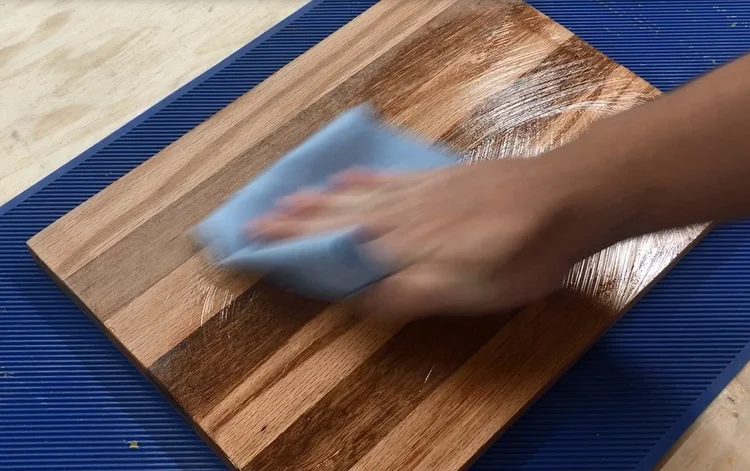
Apply oil with a clean cloth or brush. Use gentle, circular motions to cover the surface evenly.
Don’t use too much oil at once. Apply thin coats to avoid sticky spots.
- Wipe off extra oil after 10 minutes.
- Repeat oiling for better protection.
- Use a lint-free cloth for best results.
Allowing Time To Absorb
Let the oil soak into the wood for several hours or overnight. This helps wood stay strong and moist.
After absorption, wipe the board with a clean cloth. This removes any oil on the surface and prevents stickiness.
Credit: www.slightlycrookedworkshop.com
Maintaining Your Cutting Board
Keeping your cutting board in good shape helps it last longer. Simple care can prevent damage and keep it clean.
Learn some easy ways to clean, oil, and avoid common mistakes. This will keep your board safe for daily use.
Regular Cleaning Tips
Wash your cutting board after every use. Use warm water and mild soap. Avoid soaking the board in water.
- Wipe the board clean with a sponge or cloth.
- Rinse with warm water to remove soap.
- Dry the board immediately with a towel.
- Let it air dry standing up to avoid moisture buildup.
Reapplying Oil Periodically
Oiling your cutting board keeps wood from cracking. Use food-safe mineral oil or beeswax oil.
| Oil Type | Application Frequency |
| Mineral Oil | Once a month |
| Beeswax Oil | Every 6 weeks |
| Coconut Oil | Not recommended |
Avoiding Common Mistakes
Some actions can harm your cutting board. Avoid these to keep it in good condition.
- Do not put wooden boards in the dishwasher.
- Never soak the board in water for hours.
- Avoid using harsh chemicals or bleach for cleaning.
- Do not cut on the board with very sharp or serrated knives roughly.
- Keep the board away from direct heat or sunlight.
Frequently Asked Questions
How Often Should I Refinish My Cutting Board?
The frequency depends on usage and type of board. For wooden boards, refinish every 2-3 months. Regular refinishing maintains hygiene and extends the board’s life. If your board feels rough or looks dry, it’s time to refinish.
What Materials Do I Need To Refinish A Cutting Board?
You’ll need sandpaper, food-grade mineral oil, and a clean cloth. Sandpaper smooths the surface, while mineral oil conditions the wood. A clean cloth helps in applying the oil evenly. These materials ensure your board looks and functions like new.
Can I Use Olive Oil For Refinishing?
No, avoid using olive oil for refinishing. Olive oil can go rancid and leave an unpleasant smell. Instead, use food-grade mineral oil. It’s safe and effective for maintaining your cutting board. Mineral oil preserves the wood without going bad.
Is Sanding Necessary Before Refinishing?
Yes, sanding is crucial before refinishing. It removes scratches and smooths the board’s surface. Sanding prepares the board for oil absorption. Use fine-grit sandpaper for best results. This step ensures a smooth, polished finish.
Conclusion
Refinishing a cutting board brings it back to life. Sanding removes scratches and old stains. Applying oil protects wood and keeps it smooth. Regular care helps the board last longer. You save money by fixing it yourself. Your kitchen looks cleaner with a fresh board.
Enjoy cooking on a safe, well-maintained surface. Give your cutting board the attention it needs. Simple steps can make a big difference. Try refinishing your board and see the change.