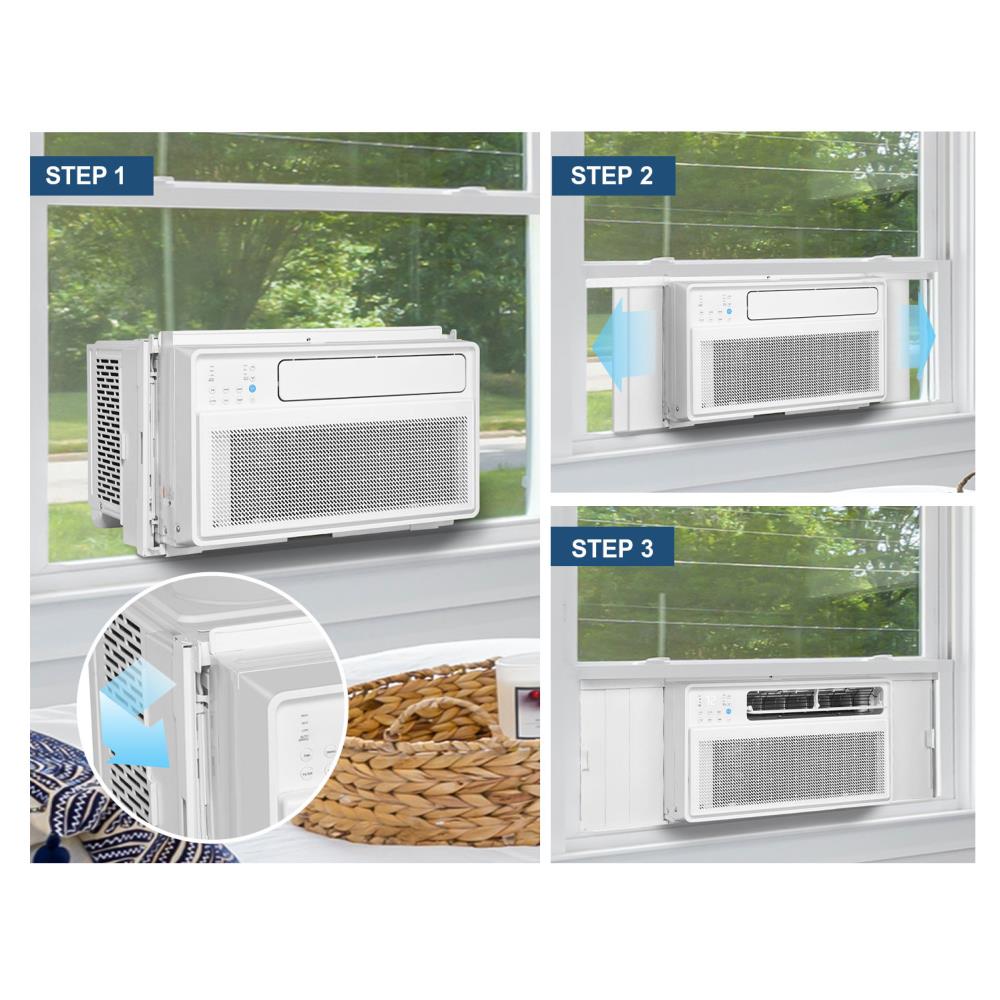
Is your air conditioner making more noise than you’d like? That constant hum or loud buzzing can disrupt your peace and make it hard to relax or focus.
But what if you could make your AC run quietly without spending a fortune? You’ll discover simple and effective ways to reduce your air conditioner’s noise. Keep reading, and you’ll learn easy tips that bring back the calm and comfort you deserve in your home.

Credit: www.ecoflow.com
Causes Of Air Conditioner Noise
Air conditionerscan make noise due to many reasons. Common noise sources include loose parts, vibrating panels, and dirty fans. These parts create sounds when the unit runs.
Wear and tearalso causes noise. Over time, motorsand bearingswear out. This makes the AC louder. Old belts might also squeak or snap. Regular use makes these problems worse.
- Loose screws or bolts can rattle.
- Dirty fan blades cause imbalance and noise.
- Worn motor parts create humming or grinding sounds.
- Old belts may squeal or break.
Simple Maintenance Steps
Cleaning or replacing filters helps your air conditioner work quietly. Dirty filters block air flow and make the unit work harder. This causes more noise and uses more energy. Check filters every month during heavy use. Replace them if they look clogged or torn.
Loose parts inside the air conditioner can cause rattling or buzzing sounds. Tighten screws and bolts to keep parts in place. Gently shake the unit to find loose pieces. Fixing these can reduce noise and protect the machine from damage.
Soundproofing Techniques
Acoustic panelsabsorb sound waves and reduce noise levels. They can be placed on walls near the air conditioner. These panels come in different materials like foam and fabric. Foam panels are easy to install and very effective. Fabric-covered panels look nice and also block sound. Use enough panels to cover large areas for best results.
Noise barriersblock sound from reaching your ears. They can be built using wood, metal, or plastic sheets. Place barriers between the air conditioner and your living space. Make sure the barrier is tall and wide enough to cover the noise source. Barriers help reflect and absorb sound, making the area quieter.

Credit: www.dreo.com
Upgrading Components
Replacing the fan motorcan help reduce noise significantly. A newer, quieter motor runs smoother and makes less sound. Look for motors labeled as low-noiseor energy-efficient. These motors spin at a steady pace and cause less vibration. Vibration is a common cause of loud AC noises.
Installing a variable speed compressoralso lowers sound levels. This type of compressor adjusts speed based on cooling needs. It runs slower when less cooling is needed, which means less noise. Faster compressors are louder because they work at full speed all the time. A variable speed compressor keeps your home cooler and quieter.
Placement And Installation Tips
Choosing a quiet locationfor your air conditioner helps reduce noise. Place it away from bedrooms or living rooms. Avoid areas near windows or walls that reflect sound. A spot with soft ground like grass can absorb noise better than hard surfaces.
Ensuring proper mountingkeeps the unit stable and cuts down vibrations. Use anti-vibration padsor mounts to absorb shaking. Make sure the air conditioner is level to prevent extra noise. Tighten all screws and bolts securely to avoid rattling sounds.
Professional Help And When To Call
Persistent loud noises from an air conditioner may signal deeper issues. Calling a professional ensures safe and effective repairs. Early help prevents bigger problems and keeps your unit running quietly.
Signs You Need Expert Service
Strange noiseslike rattling or buzzing can mean trouble. A sudden increase in noise is a clear sign. The unit may also stop cooling well. Vibration or shaking during operation is another alert. If you hear grinding or squealing sounds, call a pro. Frequent cycling on and off can cause noise too.
Benefits Of Professional Noise Reduction
- Experts find hidden problemsthat cause noise.
- They clean and lubricate parts to reduce sound.
- Proper repair can extend the AC’s life.
- Professionals ensure safer operationof your unit.
- They can adjust settings for quieter performance.

Credit: www.youtube.com
Frequently Asked Questions
How Can I Reduce Air Conditioner Noise?
To reduce air conditioner noise, ensure it’s on a stable surface. Tighten loose parts and clean filters regularly. You can also install a sound blanket or barrier. Consider placing the unit away from windows or using vibration pads to minimize noise.
Why Is My Air Conditioner So Loud?
An air conditioner can be loud due to loose parts, worn-out components, or debris inside. Regular maintenance can help identify and fix these issues. Ensuring proper installation and using soundproofing materials can also reduce noise levels effectively.
Can I Soundproof My Air Conditioner?
Yes, you can soundproof your air conditioner. Use sound blankets or barriers around the unit to absorb noise. Vibration pads can help reduce noise from vibrations. Additionally, placing the unit away from windows and ensuring regular maintenance can further decrease noise.
What Are Vibration Pads For Air Conditioners?
Vibration pads are designed to absorb vibrations from the air conditioner. They are placed under the unit to reduce noise and prevent vibrations from transferring to the floor or walls. They are an effective solution for minimizing noise and improving comfort.
Conclusion
A quieter air conditioner makes your home more peaceful. Simple fixes like cleaning or tightening parts can help. Regular care keeps noise low and your unit working well. Small changes often bring big comfort. Enjoy cool air without the loud sounds.
Start with easy steps today for a calm space. Your quiet home awaits.