Are you wondering exactly when to turn your air conditioner on to stay comfortable without wasting energy? Knowing the right time can save you money and keep your home just the way you like it.
Too early, and you might be paying for cool air you don’t need. Too late, and you’ll be stuck sweating. You’ll discover simple tips to help you decide the perfect moment to switch on your AC. Keep reading to learn how to beat the heat smartly and make your home a cool, relaxing place all summer long.

Credit: www.angi.com
Ideal Temperatures To Start Cooling
The ideal indoor temperaturefor comfort usually falls between 72°F and 78°F (22°C to 26°C). This range keeps the air cool without making the room too cold or too warm. Setting the air conditioner below 72°F can waste energy and cause discomfort.
Energy efficiency is key to saving money and helping the environment. Setting your AC to 78°F when you are homeis a good balance of comfort and savings. When away, raising the temperature a few degrees can cut energy use.
| Situation | Recommended Temperature | Energy Tip |
|---|---|---|
| At home, active | 72°F – 78°F (22°C – 26°C) | Keep AC steady for comfort |
| At home, sleeping | 75°F – 78°F (24°C – 26°C) | Use a fan to help cool |
| Away from home | 78°F – 85°F (26°C – 29°C) | Raise temp to save energy |
Credit: chachadestates.com
Factors Affecting Cooling Needs
Humidityaffects how cool a room feels. High humidity makes air feel warmer and sticky. Air conditioners work harder to remove moisture and cool the air.
Air qualitymatters too. Dust and pollution can clog filters, reducing cooling efficiency. Clean air helps your air conditioner work better and last longer.
Rooms facing direct sunlightget hotter. South or west-facing rooms need cooling sooner than shaded rooms. Thick curtains or blinds can reduce heat.
Room orientationchanges how much sun enters. East-facing rooms warm up in the morning, west-facing in the afternoon. This affects the timing for turning on the AC.
Number of peoplein a room raises temperature. More bodies mean more heat. Active movement also warms the air faster than sitting still.
Busy rooms need cooling more quickly than empty or quiet rooms.
Seasonal Timing For Air Conditioner Use
Spring and early summer bring mild temperatures. Use the air conditioner only when it gets too warm inside. Setting the thermostat to a comfortable level saves energy and money. Open windows during cool mornings and evenings to let fresh air in. This reduces the need for air conditioning.
Late summer often means hotter days. The air conditioner may run more often to keep rooms cool. Try using fans alongside the AC to help spread cool air. As fall arrives, temperatures drop again. Lower the AC usage and rely more on natural ventilation. This keeps your home comfortable without high energy bills.
Signs It’s Time To Turn On The Ac
Feeling hot and sweaty inside means it might be time to turn on the air conditioner. When clothes stick to your skin or you can’t stop wiping sweat, the room temperature is too high. Also, if you find it hard to sleep because of warmth, the AC can help cool the room for better rest.
Health signs like headaches, dizziness,or feeling weakcan occur in hot rooms. These signs show your body needs cooler air. People with asthma, allergies,or heart problemsshould be careful in heat and use AC to stay safe.
Maximizing Ac Efficiency
Setting a smart thermostathelps save energy and money. Adjust temperatures based on when you are home. Use a higher temperature when away to reduce AC use. Lower it before you return for comfort. Many models learn your schedule and adjust automatically.
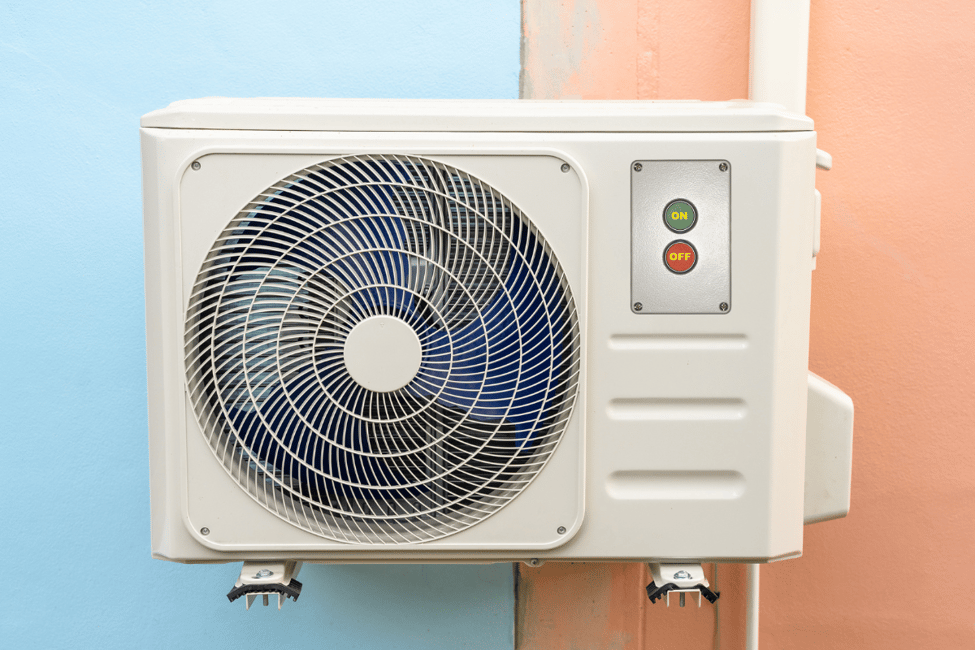
Regular maintenancekeeps the AC running well. Clean or replace filters every 1-2 months. Check and clear debris around the outdoor unit. Inspect the system for leaks or unusual noises. Well-maintained AC units use less power and cool better.

Credit: www.bhg.com
Alternatives To Early Ac Use
Natural ventilation helps cool your home without the air conditioner. Opening windows and doors allows fresh air to flow through. This creates a breeze that lowers indoor temperature. Use cross-ventilation by opening windows on opposite sides of the room. It pushes hot air out and pulls cool air in.
Fans can boost natural ventilation. Ceiling fans or portable fans move air around. This airflow makes you feel cooler even if the temperature stays the same. Fans use less energy than air conditioners.
Dehumidifiers remove moisture from the air. Dry air feels cooler and more comfortable. This helps especially in humid places. Using a dehumidifier can reduce the need for early AC use.
| Natural Ventilation | Fans | Dehumidifiers |
|---|---|---|
| Open windows and doors | Move air to create breeze | Remove moisture from air |
| Use cross-ventilation | Use ceiling or portable fans | Make air feel cooler |
| Push hot air outside | Uses less energy than AC | Reduce early AC need |
Frequently Asked Questions
What Temperature Should I Set My Ac At?
For optimal comfort and efficiency, set your air conditioner to around 24-26°C (75-78°F). This range ensures a balance between cooling and energy consumption. Adjust according to personal comfort and external temperature conditions.
How Do I Know It’s Time To Turn On The Ac?
Turn on your air conditioner when indoor temperatures become uncomfortable or exceed 26°C (78°F). Signs include increased humidity, discomfort, and difficulty sleeping. Consider external weather conditions and personal comfort levels.
Can Using Ac Too Early Increase Energy Bills?
Yes, using the air conditioner too early can increase energy bills. It consumes more electricity when running longer. Use energy-saving modes and set a higher temperature to reduce costs.
Is It Better To Leave The Ac On All Day?
It’s not ideal to leave the AC on all day. It consumes more energy and increases costs. Instead, use a programmable thermostat to adjust temperatures when you’re away, ensuring efficiency.
Conclusion
Choosing the right time to turn on your air conditioner saves energy and money. Pay attention to the temperature and how you feel indoors. Turn it on when the heat becomes uncomfortable or humidity rises. Using a timer or thermostat helps keep your home cool without wasting power.
Remember, small steps make a big difference in comfort and savings. Stay cool smartly, and enjoy your space all summer long.