Measuring liquids might seem simple, but getting it right can make a big difference in your cooking, science projects, or even home DIY tasks. If you’ve ever poured too much or too little and wondered how to fix it, this guide is for you.
You’ll learn easy tips and tricks to measure liquids accurately every time, saving you from messy mistakes and wasted ingredients. Keep reading, and soon you’ll handle any liquid measurement with confidence and precision.

Credit: www.teacherspayteachers.com
Choosing The Right Tools
Measuring liquids accurately is important in cooking and science. Using the correct tool helps get the right amount every time.
Different tools work best for different liquids and amounts. Knowing which one to use makes measuring easier and more precise.
Measuring Cups Vs. Measuring Spoons
Measuring cups hold larger amounts of liquid. Measuring spoons are for small amounts like teaspoons or tablespoons.
Use cups for liquids over 1/4 cup. Use spoons for amounts under 1/4 cup. This keeps measurements exact.
- Measuring cups: 1 cup, 1/2 cup, 1/3 cup, 1/4 cup sizes
- Measuring spoons: 1 tablespoon, 1 teaspoon, 1/2 teaspoon, 1/4 teaspoon sizes
Using Liquid Measuring Cups
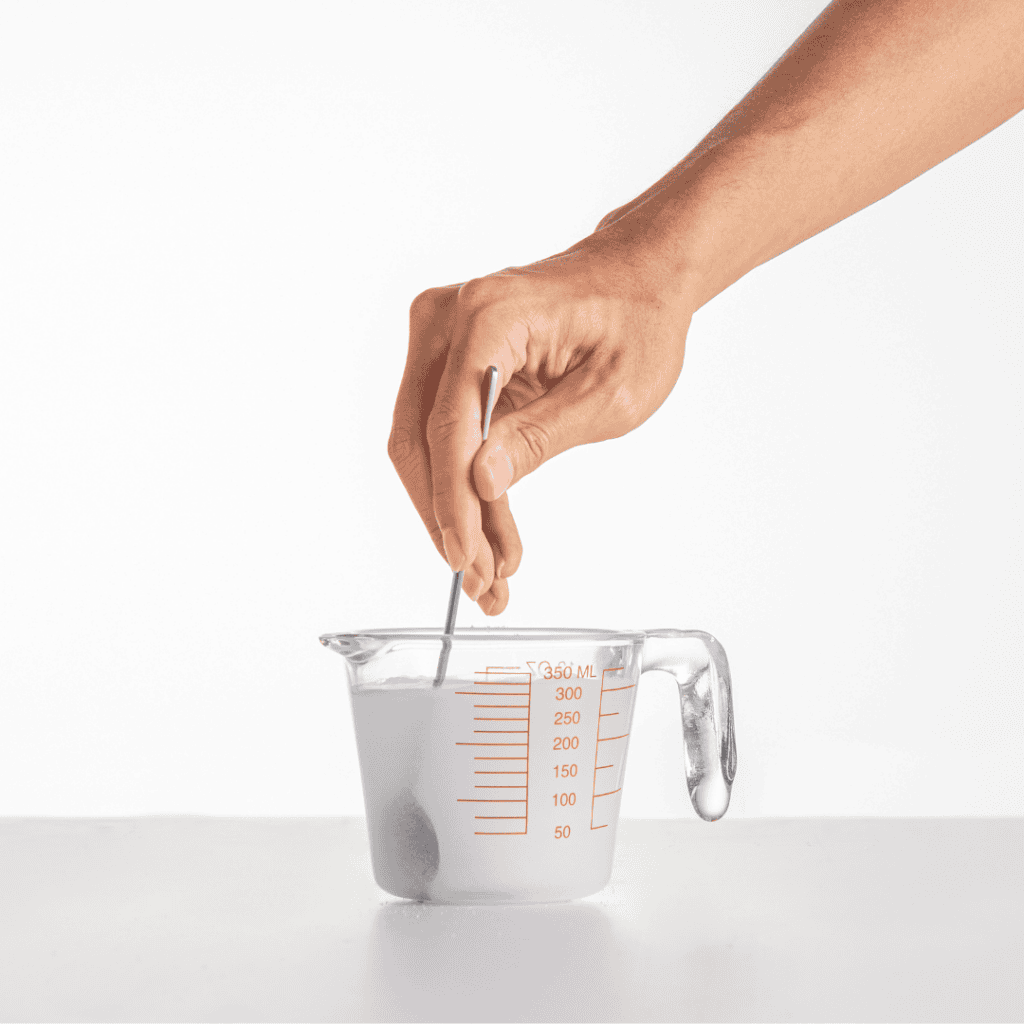
Liquid measuring cups have a spout for easy pouring. They are clear with measurement lines on the side.
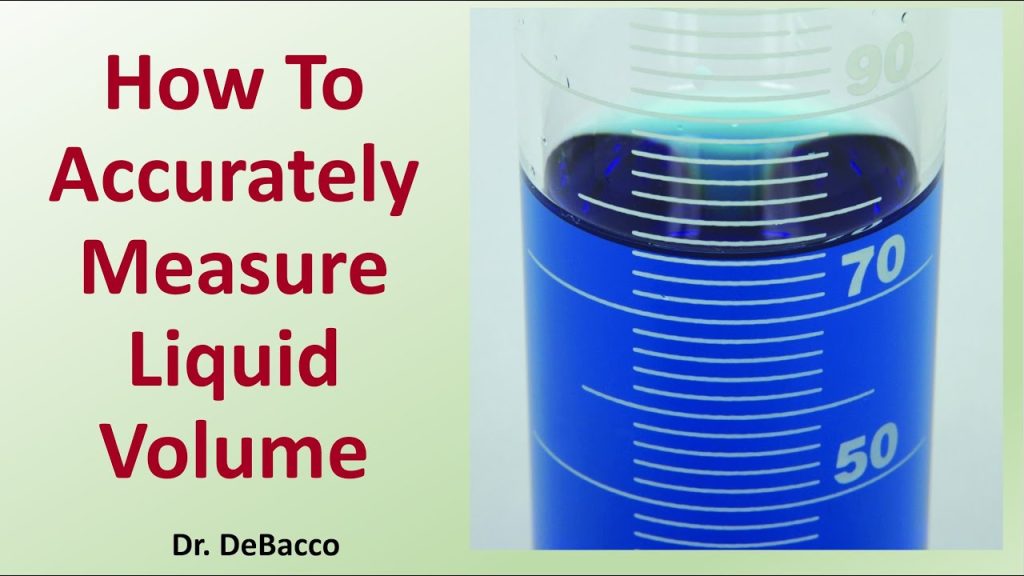
Place the cup on a flat surface. Pour the liquid and check the measurement at eye level. This ensures accuracy.
- Use glass or plastic cups with clear markings
- Check the meniscus, the curve of the liquid, at eye level
- Pour slowly to avoid spilling or overfilling
Specialized Measuring Devices
Some liquids need special tools for precise measuring. Syringes and pipettes work well for very small amounts.
Kitchen scales with liquid measurement settings can also help. They measure by weight, not volume, which is useful for thick liquids.
- Syringes: measure milliliters in small amounts
- Pipettes: pick up and release small liquid drops
- Kitchen scales: measure liquid weight for accuracy

Credit: shop.kingarthurbaking.com
Reading Measurements Correctly
Measuring liquids accurately is important for cooking, science, and other tasks. Reading the measurement right helps you get the correct amount.
Small mistakes in reading can change results. Learning how to read liquid levels correctly saves time and avoids errors.
Eye Level Viewing
Always read the measurement at eye level. Looking from above or below can cause wrong readings.
Place the container on a flat surface. Bend or move your head until your eyes are even with the liquid line.
- Prevents parallax error
- Gives the most accurate reading
- Works for all clear measuring tools
Meniscus And Its Importance
The meniscus is the curve seen at the liquid’s surface. Liquids like water form a dip, while mercury forms a dome.
Read the measurement at the bottom of the meniscus for most liquids. This gives the true volume.
- Look for the lowest point in the curve
- Use the bottom line for water and similar liquids
- Use the top line for mercury and some oils
Common Measurement Units
Liquids are measured in different units depending on the country and tool. Knowing these helps avoid confusion.
| Unit | Abbreviation | Use |
|---|---|---|
| Milliliters | mL | Small volumes, metric system |
| Liters | L | Larger volumes, metric system |
| Fluid Ounces | fl oz | Small volumes, US customary |
| Cups | c | Cooking, US customary |
| Pints | pt | Cooking and liquid volume |
| Quarts | qt | Larger liquid volumes |
| Gallons | gal | Very large volumes |
Techniques For Accurate Pouring
Measuring liquids accurately is important in cooking and science. Using the right pouring techniques helps avoid mistakes and waste.
This guide explains simple ways to pour liquids carefully and get precise amounts every time.
Pouring Slowly And Steadily
Pour liquid at a slow and steady pace. Fast pouring can cause splashes or spills. Hold the container close to the measuring cup to keep control.
- Grip the container firmly but comfortably.
- Start pouring gently to avoid sudden flow.
- Watch the liquid level rise in the measuring cup.
- Stop pouring just before it reaches the mark.
- Adjust slowly if more liquid is needed.
Using A Funnel
A funnel helps guide liquids into narrow openings. It reduces spills and makes pouring easier.
| Type of Funnel | Best Use | Material |
|---|---|---|
| Plastic Funnel | Everyday kitchen liquids | Durable and easy to clean |
| Metal Funnel | Hot liquids or oils | Heat resistant |
| Collapsible Funnel | Small storage space | Flexible silicone |
Place the funnel into the container’s opening. Pour the liquid slowly to avoid overflow.
Avoiding Spills And Overflows
Spills waste liquid and create messes. Careful pouring and good tools help prevent this.
- Use measuring cups with clear markings.
- Hold the cup on a flat surface for better reading.
- Leave a small gap below the measurement line to avoid overfilling.
- Pour liquids over a sink or tray to catch drips.
- Wipe the container’s edge after pouring.
Tips For Measuring Different Liquids
Measuring liquids correctly is important for cooking and science experiments. Different liquids need different ways to measure them well.
Using the right tools and techniques helps you get the right amount every time. This guide shares simple tips for common liquids.
Measuring Thick Liquids
Thick liquids like honey or syrup can be hard to measure. They stick to the sides of cups and spoons.
Use a rubber spatula to help pour thick liquids. Grease the measuring cup with a little oil first to make pouring easier.
- Use a liquid measuring cup with a spout
- Grease the cup lightly before measuring
- Use a spatula to scrape out all the liquid
- Pour slowly to avoid spills
Handling Hot Liquids Safely
Hot liquids like boiling water or soup need careful handling. Use heat-safe measuring tools to avoid burns.
Let hot liquids cool slightly before measuring if possible. Hold the cup steady on a flat surface to get an accurate reading.
- Use heat-resistant glass or metal cups
- Wear oven mitts or use a cloth
- Place the cup on a flat surface to measure
- Pour slowly to avoid splashes
Measuring Sticky Substances
Sticky substances like molasses or peanut butter can be tricky to measure. They stick to tools and waste product.
Use warm water to rinse sticky measuring cups. Use a spatula to get all the sticky liquid out of the cup.
- Warm the sticky liquid slightly for easier pouring
- Use a spatula to scrape the sides clean
- Rinse measuring tools with warm water after use
- Measure slowly to avoid spills
Maintaining Your Measuring Tools
Measuring liquids accurately needs clean and well-kept tools. Taking care of your measuring cups and spoons helps keep your results exact.
Regular maintenance stops damage and extends the life of your tools. Follow simple steps to keep them in good shape.
Cleaning And Storage
Wash your measuring tools after each use. Use warm water and mild soap. Avoid harsh cleaners that can wear out the markings.
- Rinse tools well to remove all soap
- Dry completely before storing
- Store in a dry place to prevent rust or mold
- Keep tools separated to avoid scratches
Checking For Accuracy
Check your tools often to make sure they measure correctly. Use water or a known volume to test your cups and spoons.
| Tool | Test Method | What to Check |
| Measuring Cup | Fill with water to a mark | Water matches marked volume |
| Measuring Spoon | Fill with dry ingredient | Level with spoon edge |
| Liquid Measuring Cup | Use water and check meniscus | Eye level with measurement line |
Replacing Worn Tools
Replace tools if markings fade or if the tool cracks. Worn tools cause wrong measurements and affect results.
- Check for faded or missing measurement marks
- Look for cracks or chips
- Replace tools that do not hold shape
- Use new tools for best accuracy
Credit: www.recipesandplaces.com
Frequently Asked Questions
What Tools Are Best For Measuring Liquids?
Using a graduated cylinder, measuring cup, or pipette is ideal for measuring liquids. These tools provide accuracy and precision. Always check the measurement markings carefully. For kitchen use, measuring cups and spoons are most common. For laboratory tasks, graduated cylinders and pipettes are preferred.
How Do You Measure Small Amounts Of Liquid?
Use a pipette or syringe for small liquid quantities. These tools offer precision and accuracy. Ensure the tool is clean to avoid contamination. For kitchen use, small measuring spoons are effective. Always double-check the measurements to maintain consistency.
Why Is Accuracy Important In Liquid Measurement?
Accuracy ensures consistency and reliability in recipes or experiments. It helps achieve desired results and maintains safety. Inaccurate measurements can lead to errors or spoilage. For scientific tasks, accuracy is crucial for valid results. Always use appropriate tools for precise measurements.
Can You Measure Liquids Without Tools?
Yes, but it’s challenging to be precise. Estimation methods, like using fingers or visual cues, can help. These methods lack accuracy and can lead to errors. It’s always better to use proper measuring tools for reliable results. For best practices, invest in basic measuring equipment.
Conclusion
Measuring liquids is easy with the right tools and steps. Always use clear containers with marked lines for accuracy. Pour slowly and check the level at eye line. Small mistakes can change your results a lot. Practice a few times to gain confidence.
These tips help in cooking, science, and daily tasks. Keep your measurements precise to get good outcomes. Simple steps lead to better results every time.