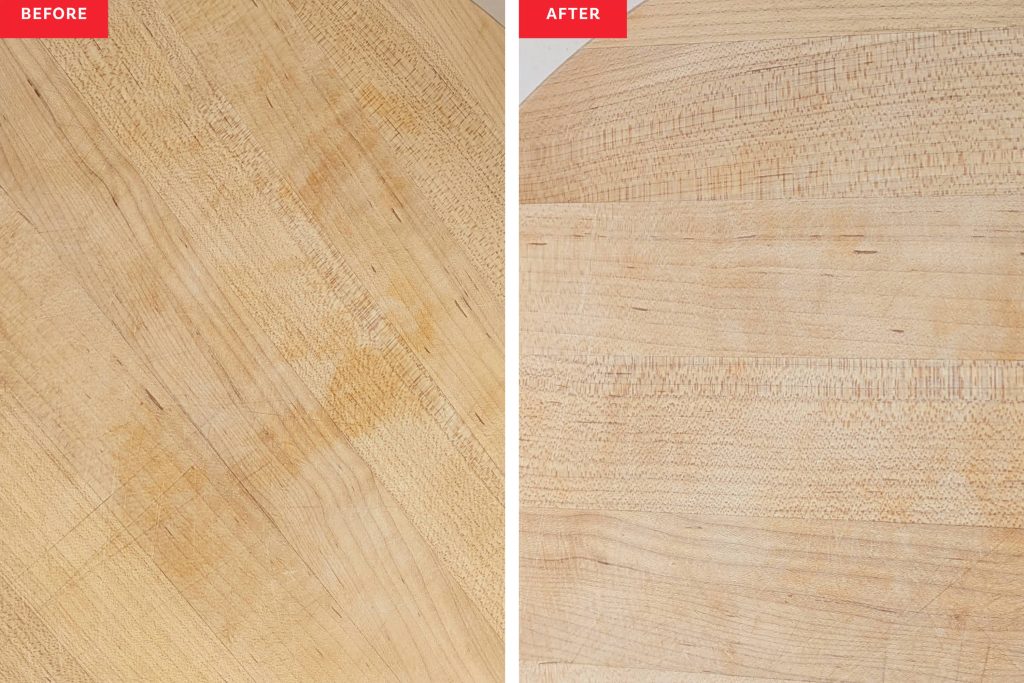
You love your wood cutting board—it’s the heart of your kitchen, helping you prepare meals every day. But stains can make it look old and worn out, even if you take good care of it.
If you’ve ever wondered how to get stains out of your wood cutting board quickly and effectively, you’re in the right place. You’ll discover simple, proven methods that work, so your board looks fresh and clean again. Keep reading to learn the secrets that will save your cutting board and keep it looking great for years to come.
Credit: www.thekitchn.com
Common Causes Of Stains
Wood cutting boards can get stained from many things in the kitchen. Stains make the board look old and worn out.
Knowing what causes stains helps you clean and keep your cutting board looking good.
Food And Beverage Stains
Some foods and drinks leave strong color marks on wood. Beets, berries, and red wine are common culprits.
These stains soak into the wood and become hard to remove if left too long.
- Beets and berries have dark pigments
- Red wine can leave a purple stain
- Tomato sauce often causes reddish marks
Oil And Grease Marks
Oils from cooking or raw meat soak into wood pores. Grease can leave a shiny or dark patch.
These marks attract dirt and make the board smell bad if not cleaned well.
- Cooking oils from vegetables or nuts
- Grease from raw or cooked meat
- Butter and salad dressings
Water Damage
Water left on a wood board can cause stains and dark spots. It can also make the wood swell or crack.
Repeated wetting without drying leads to permanent marks and damage.
- Soaking the board in water
- Not drying after washing
- Leaving the board near wet sinks
Credit: www.lemonslavenderandlaundry.com
Daily Cleaning Tips
Wood cutting boards need daily cleaning to stay safe and look good. Cleaning stops stains and keeps bacteria away.
Use simple steps every day. This helps your cutting board last longer and stay fresh.
Basic Washing Techniques
Wash your wood cutting board with warm water and mild soap right after use. Avoid soaking it in water to stop warping.
Use a soft sponge or cloth to clean the surface gently. Rinse well to remove all soap.
- Use warm water, not hot
- Apply mild dish soap
- Clean with a soft sponge
- Rinse thoroughly
- Do not soak or submerge
Drying And Maintenance
Dry your cutting board right away with a clean towel. Stand it up to air dry fully before storing.
Keep your board in a dry place. Oil it regularly with food-safe mineral oil to stop cracks and stains.
- Dry immediately after washing
- Air dry standing up
- Store in a dry spot
- Oil once a month or as needed
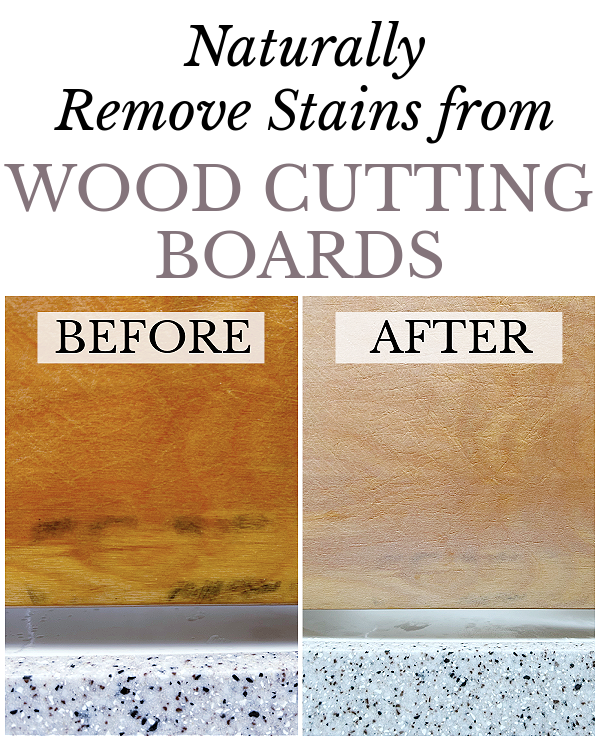
Natural Stain Removal Methods
Wood cutting boards can get stains from food and liquids. Using natural methods helps clean the board without chemicals.
These simple ways use common kitchen items to remove stains and keep your board fresh.
Using Lemon And Salt
Lemon and salt work well to lift stains and remove odors. The lemon’s acid breaks down stains, and salt scrubs the surface.
- Cut a lemon in half.
- Sprinkle coarse salt on the stained area.
- Rub the lemon over the salt and stain for a few minutes.
- Let it sit for 5 minutes to soak in.
- Rinse the board with warm water and dry it.
Baking Soda Paste
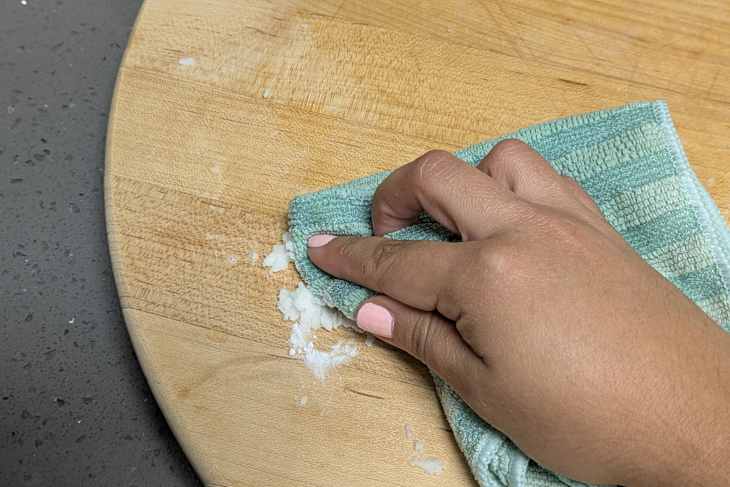
Baking soda is a gentle abrasive that cleans stains without harming wood. Mixing it with water creates a paste for scrubbing.
| Ingredient | Amount |
|---|---|
| Baking soda | 2 tablespoons |
| Water | 1 tablespoon |
Apply the paste on the stain. Use a soft cloth or sponge to rub gently. Rinse and dry after cleaning.
White Vinegar Solutions
White vinegar is a natural disinfectant and stain remover. It helps break down tough stains and kills bacteria.
- Mix equal parts white vinegar and water in a spray bottle.
- Spray the solution on the stained area.
- Let it sit for 10 minutes.
- Wipe the board with a clean cloth.
- Rinse with water and dry thoroughly.
Deep Cleaning Approaches
Wood cutting boards can get stains from food and liquids. Deep cleaning removes these stains and keeps the board safe.
There are several ways to clean stains deeply. Each method helps restore the wood’s natural look and feel.
Sanding The Surface
Sanding removes the top layer of wood where stains sit. Use fine sandpaper to avoid damaging the board.
Sand gently in the direction of the wood grain. This smooths the surface and lifts out deep stains.
- Start with medium-grit sandpaper (120-150 grit)
- Finish with fine-grit sandpaper (220 grit)
- Wipe dust off with a damp cloth
- Let the board dry before use
Applying Mineral Oil
Mineral oil protects the wood and helps hide stains. It also stops the wood from drying out.
Apply a thin layer of mineral oil using a clean cloth. Let it soak in for several hours or overnight.
- Use food-grade mineral oil only
- Apply oil evenly on the board’s surface
- Wipe off extra oil after soaking
- Repeat every few weeks for best results
Using Specialized Wood Cleaners
Specialized wood cleaners are made to remove tough stains safely. They clean without harming the wood.
Follow the product instructions carefully. Usually, you apply the cleaner, scrub lightly, and rinse well.
- Choose cleaners designed for wood cutting boards
- Test cleaner on a small area first
- Use a soft brush or cloth to scrub stains
- Rinse and dry the board thoroughly
Preventing Future Stains
Wood cutting boards can get stained from foods and liquids. Taking care of your board helps keep it clean and looking good.
Preventing stains is easier than removing them. Use simple habits to protect your board every day.
Regular Oiling
Oiling your wood board keeps it from drying out and soaking up stains. Use food-safe mineral oil for best results.
Apply oil once a month or after washing. Let the oil soak in, then wipe off the extra to protect the wood.
- Use mineral oil or beeswax-based conditioner
- Apply oil evenly over the whole surface
- Let it sit for a few hours or overnight
- Wipe off any extra oil with a clean cloth
Proper Storage
Store your cutting board in a dry place. Avoid leaving it near water or heat sources.
Stand the board on its side to let air flow around it. This stops moisture buildup and mold growth.
- Keep the board away from sinks and stoves
- Store it vertically or on a rack
- Ensure good air circulation around the board
- Dry the board fully before storing
Avoiding Harsh Chemicals
Harsh cleaners can damage wood and make it absorb stains more. Use gentle soap and water instead.
Do not soak the board or use bleach. These can cause cracks and rough surfaces that trap stains.
- Clean with mild dish soap and warm water
- Wipe immediately after use, do not soak
- Skip bleach or strong chemical cleaners
- Use a soft sponge or cloth to clean
Credit: www.thekitchn.com
When To Replace Your Cutting Board
Wood cutting boards can last a long time with care. But stains and damage can make them unsafe to use.
Knowing when to replace your cutting board helps keep your kitchen clean and safe.
Signs Of Damage
Look closely at your cutting board for cracks or deep cuts. These can trap food and bacteria.
If the board is warped, cracked, or has many grooves, it is time to replace it.
- Deep scratches or cuts
- Cracks or splits in the wood
- Warped or bent shape
- Loose or broken pieces
Health Considerations
Old or damaged boards can hold harmful bacteria. This can cause foodborne illness.
If your board smells bad or does not clean well, it may be unsafe to use anymore.
- Bacteria growth in cracks and cuts
- Hard to clean or sanitize properly
- Unpleasant odors that don’t go away
- Visible mold or discoloration
Frequently Asked Questions
How Do You Remove Stains From A Wood Cutting Board?
To remove stains, start by sprinkling baking soda on the board. Use a damp cloth to scrub gently. Rinse with warm water and pat dry. For stubborn stains, apply a paste of baking soda and water. Let it sit for a few minutes before scrubbing and rinsing.
Can Vinegar Clean Wood Cutting Boards Effectively?
Yes, vinegar is effective for cleaning wood cutting boards. Mix equal parts of white vinegar and water. Wipe the board with the solution using a cloth. Rinse thoroughly with water and dry. Vinegar helps in disinfecting and deodorizing, making your board fresh and clean.
Does Lemon Help Remove Cutting Board Stains?
Lemon is excellent for removing stains from cutting boards. Rub half a lemon over the stained areas. Its natural acidity helps in breaking down stains and odors. Let it sit for a few minutes, then rinse with water and dry.
It also leaves a fresh scent.
Are Commercial Cleaners Safe For Wood Boards?
Commercial cleaners can be safe if they are non-toxic and food-safe. Always check the label before use. Opt for cleaners specifically designed for wood surfaces. Test on a small area first. Avoid harsh chemicals as they can damage the wood and affect food safety.
Conclusion
Keeping your wood cutting board clean is simple with the right steps. Use gentle scrubbing and natural cleaners to remove stains. Regular care helps your board last longer and stay safe. Avoid harsh chemicals that can damage the wood. Dry the board well to prevent cracks or warping.
Small efforts make a big difference in maintaining your kitchen tools. Clean boards look better and work better. Try these easy tips to keep your cutting board fresh every day. Your kitchen will thank you for it.