Are you ready to tackle your next tiling project but unsure how to cut Hardiebacker board without making a mess? Cutting this cement-based board might seem tricky at first, but with the right tools and techniques, you can achieve clean, precise cuts that fit perfectly.
In this guide, you’ll discover simple steps to cut Hardiebacker board safely and efficiently, saving you time and frustration. Keep reading, and you’ll gain the confidence to handle your project like a pro.

Credit: www.youtube.com
Choosing The Right Tools
Cutting Hardiebacker board requires the right tools. Using proper tools makes the job easier and safer.
Choosing between hand tools and power tools affects your cutting speed and accuracy. Safety gear is also important.
Hand Tools Vs Power Tools
Hand tools give you more control and less dust. They work well for small cuts or detailed work.
Power tools speed up cutting. They are good for large projects but create more dust and noise.
- Hand tools: utility knife, scoring knife, handsaw
- Power tools: circular saw, jigsaw, angle grinder
- Use hand tools for small or precise cuts
- Use power tools for fast and straight cuts
Best Blades For Hardiebacker
Hardiebacker is a cement board. It needs blades that can cut through tough material without breaking.
Carbide-tipped or diamond blades work best. They last longer and make cleaner cuts.
- Use carbide-tipped blades for circular saws and jigsaws
- Diamond blades work well for angle grinders
- Avoid regular wood blades; they wear out fast
- Keep blades sharp for smooth cutting
Safety Gear Essentials
Cutting Hardiebacker creates dust that can harm your lungs and eyes. Protect yourself with safety gear.
Wear a dust mask, safety goggles, and gloves. These protect you from dust and sharp edges.
- Use a N95 dust mask or respirator
- Wear safety goggles to protect your eyes
- Wear gloves to avoid cuts and irritation
- Work in a well-ventilated area
Preparing The Work Area
Cutting Hardiebacker board requires a clean and safe workspace. Prepare your area well to make the job easier and safer.
Organizing your tools and materials before starting helps you focus on cutting accurately.
Clearing And Organizing
Remove all clutter from your workbench or floor space. Clear enough room to handle the board safely.
- Move tools you won’t use out of the way.
- Keep your cutting tools and measuring tape within reach.
- Wear safety gear like gloves and goggles before starting.
- Ensure good lighting in the work area.
Marking The Cut Lines
Use a pencil or chalk to mark where you will cut the Hardiebacker board. Measure twice to avoid mistakes.
| Tool | Purpose |
|---|---|
| Measuring tape | Measure board dimensions accurately |
| Pencil or chalk | Mark cut lines clearly |
| Straight edge or ruler | Draw straight, even lines |
Securing The Board
Hold the Hardiebacker board firmly to prevent slipping during cutting. Use clamps if possible.
Here are tips to secure the board safely:
- Place the board on a stable surface.
- Use clamps to hold the board edges tightly.
- Double-check the board does not move before cutting.
Cutting Techniques
Cutting Hardiebacker board requires careful technique to get clean edges. The board is dense and cement-based, so the right tools help avoid damage.
This guide covers three common methods. Each method fits different cutting needs and shapes.
Scoring And Snapping Method
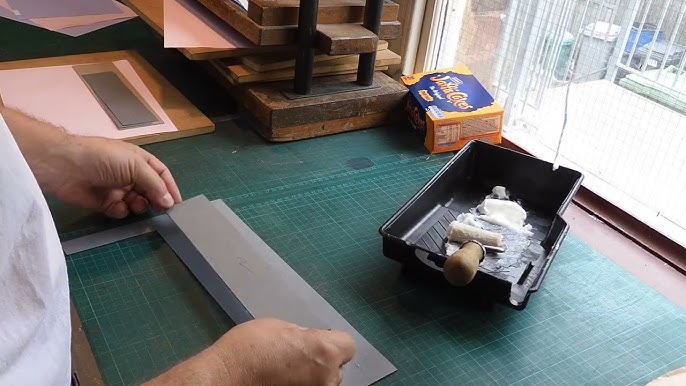
This is a simple way to cut straight lines. Use a utility knife to score the surface deeply. Then snap the board along the score line.
- Mark the cut line clearly with a pencil.
- Use a straightedge to guide the utility knife.
- Score the board several times for a deep groove.
- Lift and snap the board down gently along the score.
- Sand any rough edges before installation.
Using A Circular Saw
A circular saw works well for long, straight cuts. Use a carbide blade designed for cement board to reduce dust and wear.
| Tip | Details |
| Blade Type | Carbide-tipped blade |
| Cut Depth | Set to board thickness |
| Dust Control | Use a vacuum or wet cutting if possible |
| Safety Gear | Wear goggles and dust mask |
Jigsaw For Curved Cuts
A jigsaw is best for cutting curves or irregular shapes. Use a fine-toothed blade for cement board to avoid chipping.
- Mark your curved line clearly.
- Secure the board on a stable surface.
- Use slow and steady motion to follow the curve.
- Keep the jigsaw blade perpendicular to avoid binding.
- Wear protective gear to guard against dust and debris.
Credit: haus2home.com
Dealing With Dust And Debris
Cutting Hardiebacker board creates a lot of dust and debris. This dust can be harmful to breathe and messy to clean up.
Taking steps to control dust and clean well makes your work safer and your space cleaner.
Dust Control Tips
Use tools that reduce dust when cutting Hardiebacker board. Wet cutting helps keep dust down by trapping it in water.
Wear a mask and goggles to protect your lungs and eyes from dust particles.
- Cut outside or in a well-ventilated area
- Use a wet saw or spray water on the board
- Wear a N95 mask and safety goggles
- Use a vacuum attachment on your saw if possible
Cleanup Best Practices
After cutting, clean up dust and debris carefully. Avoid dry sweeping because it spreads dust into the air.
Use a vacuum with a HEPA filter or damp cloths to pick up dust from surfaces.
- Vacuum floors and work surfaces with HEPA filter vacuum
- Wipe surfaces with damp rags to trap dust
- Dispose of dust and debris in sealed bags
- Wash your hands and clothes after cleanup
Common Mistakes To Avoid
Cutting Hardiebacker board needs care and the right tools. Many people make errors that cause damage or waste material. Avoiding these mistakes saves time and effort.
Below are common errors to watch out for. Learn what to avoid to get clean, safe cuts every time.
Incorrect Tool Use
Using the wrong tools can crack or chip the Hardiebacker board. Avoid using tools not made for cement board.
- Do not use a standard handsaw or utility knife alone.
- A carbide-tipped scoring knife or a power saw with a diamond blade works best.
- Using a dull blade can cause rough edges or break the board.
- Always ensure your tool is clean and sharp for smooth cuts.
Poor Measurements
Incorrect measurements lead to wasted material and poor fit. Measure twice before cutting.
| Common Measurement Mistakes | How to Avoid |
| Rushing and guessing sizes | Take your time and use a tape measure carefully |
| Not marking the cut line clearly | Use a pencil or chalk to draw straight, visible lines |
| Ignoring board thickness in measurements | Account for thickness in your layout plans |
| Failing to re-check measurements before cutting | Always double-check before making cuts |
Ignoring Safety Precautions
Hardiebacker board dust can irritate skin and lungs. Protect yourself when cutting.
- Wear safety goggles to protect your eyes from dust and debris.
- Use a dust mask or respirator to avoid inhaling dust.
- Cut in a well-ventilated area or outside.
- Wear gloves to protect your hands from sharp edges.
- Clean up dust and scraps carefully after cutting.
Finishing Touches
Cutting Hardiebacker board is only part of the job. The finishing touches help make your project neat and strong.
These last steps ensure the board fits well and looks clean. Proper finishing also improves durability.
Smoothing Cut Edges
Cut edges of Hardiebacker board can be rough or sharp. Smoothing them prevents damage and helps with installation.
Use sandpaper or a sanding block with medium grit. Lightly sand the edges to remove splinters and sharp spots.
- Wear a dust mask to avoid inhaling dust
- Smooth edges help the board fit flush against walls
- Clean the edges after sanding for better adhesion
Fitting And Installation Tips
Measure carefully before cutting to reduce waste. Double-check your marks to ensure accuracy.
Use screws made for cement boards. Place screws every 8 inches to hold the board firmly.
- Leave a small gap between boards for expansion
- Do not over-tighten screws to avoid damage
- Check that all edges are supported by framing
- Seal joints with recommended tape and thinset

Credit: www.youtube.com
Frequently Asked Questions
What Tools Are Needed To Cut Hardiebacker Board?
To cut Hardiebacker board, you’ll need a scoring knife, circular saw with a carbide-tipped blade, or utility knife. Ensure you have safety gear like gloves and goggles. For precise cuts, a straightedge or T-square is helpful. These tools make the cutting process efficient and safe.
Can You Use A Jigsaw On Hardiebacker Board?
Yes, you can use a jigsaw to cut Hardiebacker board. Ensure you have a carbide-tipped blade for best results. Jigsaws are ideal for curved cuts or intricate designs. However, for straight cuts, a circular saw or scoring knife might be more efficient and produce cleaner edges.
How Do You Cut Hardiebacker Board Safely?
To cut Hardiebacker board safely, wear protective gloves, goggles, and a dust mask. Ensure your work area is well-ventilated. Use a straightedge for guidance and cut slowly to maintain control. Always handle tools with care and follow the manufacturer’s safety guidelines for optimal protection.
What’s The Best Method For Straight Cuts?
For straight cuts, use a circular saw with a carbide-tipped blade. Mark your line with a pencil and guide the saw steadily along a straightedge. This method ensures precise and clean cuts, minimizing dust and reducing the risk of chipping.
It’s effective for both large and small projects.
Conclusion
Cutting Hardiebacker board is easier with the right tools and steps. Score the board clearly, then snap it carefully. Use a carbide-tipped blade for clean cuts. Always wear safety gear to protect yourself. Take your time to measure and cut accurately.
This helps your project look neat and strong. Practice a little before the real cut to gain confidence. Following these tips makes your work smooth and safe. Now, you can handle Hardiebacker board cuts with ease.