Are you thinking about getting a new central air conditioner but wondering how much it will cost? Knowing the price upfront can help you plan your budget and avoid surprises.
Whether you want to stay cool all summer or replace an old unit, understanding the costs involved is key. You’ll discover the real expenses behind installing a new central AC, what factors affect the price, and tips to get the best value.
Keep reading to make a smart choice that fits your needs and wallet.
Factors Influencing Ac Cost
The size and capacityof the unit affect the price. Bigger homes need bigger units, which cost more. The unit’s ability to cool space well is key.
Energy efficiency ratingsalso impact cost. Higher ratings save money on bills but may have a higher upfront price. Look for the SEER number to compare.
Brand and model variationscause price differences too. Well-known brands usually charge more. Some models offer better technology and durability.
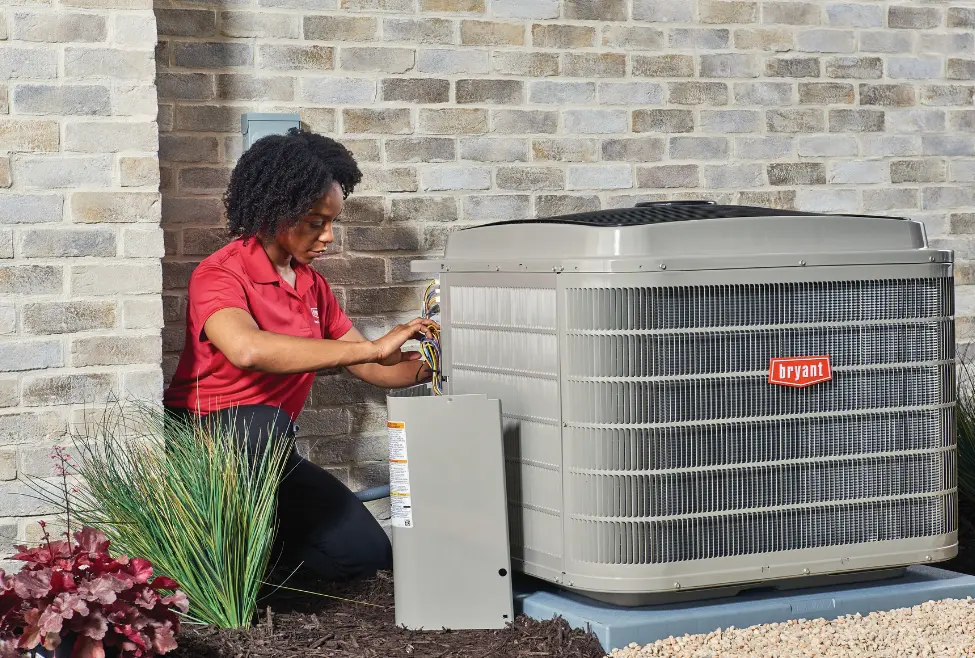
Installation complexitychanges the total cost. Simple setups cost less. Difficult installations, like adding ducts or upgrading electrical parts, add to the price.
Additional featuresraise the price. Features like smart thermostats, variable speed fans, or air purifiers add convenience and comfort but increase cost.
Credit: www.lochardplumbingheatingandcooling.com
Typical Price Ranges
Budget-Friendly Optionsusually cost between $2,500 and $4,000. These units cool smaller homes or apartments well. They may have fewer features and lower energy efficiency.
Mid-Range Modelsrange from $4,000 to $6,000. These systems offer better energy savings and more quiet operation. Ideal for most average-sized homes, they balance cost and performance.
Premium Systemscost $6,000 to $10,000 or more. They include advanced features like smart thermostats and superior air filtration. These models work best for large homes or people wanting top comfort and efficiency.
Installation Expenses
Labor costsvary depending on the installer’s experience and location. Most jobs take 8 to 12 hours. The price usually ranges from $500 to $1,500. Skilled workers ensure the job is safe and correct.
Ductwork and modificationsmight be needed if the home has old or no ducts. Repairing or adding ducts can cost between $1,000 and $3,000. Good ductwork helps the air conditioner work well and saves energy.
Permits and inspections ensure the installation meets local rules. Permit fees usually cost $50 to $300. Inspections check if the system is safe and legal. These costs vary by city and state.
Credit: www.furnaceprices.ca
Operating And Maintenance Costs
Energy consumptionis a major part of central air conditioner costs. The unit uses electricity to cool your home. Energy use depends on the size, model, and how often you run it. Efficient models lower monthly bills. Using a thermostat wisely also saves power.
Routine maintenancehelps keep the system working well. Cleaning or replacing filters every 1-3 months is important. Checking refrigerant levels and cleaning coils improve efficiency. Regular tune-ups cost less than big repairs and keep energy use down.
Repair expensescan vary. Small fixes like replacing a capacitor or fan motor cost less. Major repairs, such as compressor replacement, are expensive. Older units may need more repairs, so maintenance is key to avoid high costs.
Ways To Save On Ac Costs
Seasonal discountscan lower the cost of a new central air conditioner. Many stores offer deals in spring or fall when demand is lower. Shopping during these times can save hundreds of dollars.
Energy rebates and incentivesfrom government or utility companies help reduce upfront costs. These programs reward energy-efficient models. Checking eligibility can bring significant savings on your purchase.
Choosing the right sizeunit is important. Too large or too small units waste energy and money. A properly sized air conditioner cools efficiently and costs less to operate.
Regular maintenancekeeps your system running well. Cleaning filters and checking parts prevent costly repairs. Well-maintained units use less energy and last longer, saving money in the long run.
Comparing Central Ac With Alternatives
Window unitsare small and fit in windows. They cool one room well but do not cool whole houses. They cost less upfront but are less efficient. Noise levels can be higher than central AC.
Ductless mini-splitshave no ducts and cool individual rooms. They are more expensive than window units but save energy. Installation is easier than central AC because no ducts are needed. They work well in homes without ductwork.
Evaporative coolersuse water to cool air. They work best in dry climates. They cost less to buy and run. Not good for humid places. They add moisture to the air while cooling.

Credit: finance.yahoo.com
Frequently Asked Questions
What Factors Affect Central Air Conditioner Cost?
The cost of a central air conditioner is influenced by several factors. These include the unit’s size, efficiency rating, brand, and installation complexity. Geographic location and local climate can also impact costs. Additionally, any necessary ductwork modifications or upgrades will add to the overall expense.
How Much Does Installation Cost?
Installation costs for a central air conditioner typically range from $1,200 to $2,500. This depends on the complexity of the installation and any additional work required. It’s advisable to get multiple quotes from qualified HVAC professionals to ensure a fair price.
Are Energy-efficient Units More Expensive?
Yes, energy-efficient units generally have a higher upfront cost. However, they often lead to savings on energy bills over time. These units can reduce energy consumption, making them a wise long-term investment. Tax credits or rebates might also be available, helping offset the initial expense.
Can I Finance A New Air Conditioner?
Many HVAC companies offer financing options for new central air conditioners. This can make the purchase more manageable by spreading the cost over time. It’s essential to review the terms carefully, including interest rates and repayment schedules, to make an informed decision.
Conclusion
Choosing a new central air conditioner depends on budget and needs. Prices vary based on size, brand, and installation costs. Remember to consider energy efficiency for long-term savings. A well-chosen unit keeps your home cool and comfortable. Take your time to compare options before buying.
This helps avoid surprises and ensures the best value. Investing in a quality system pays off over time. Stay cool without overspending.