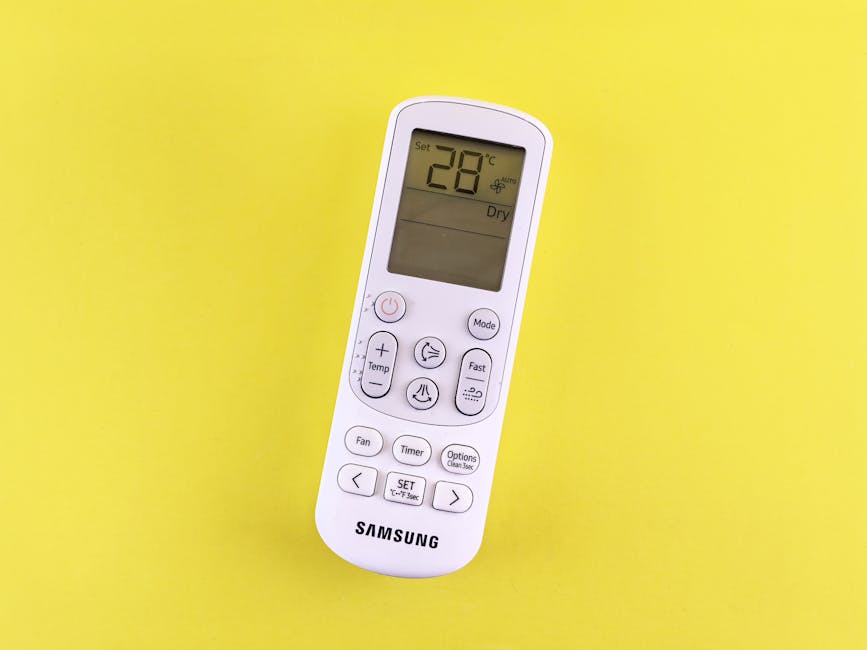
Have you ever noticed the word “Dry” on your air conditioner and wondered what it really means? Understanding this setting can make a big difference in how comfortable your home feels, especially on hot or humid days.
If you’re looking to save energy, reduce moisture, and enjoy cleaner air, knowing what “Dry” does is key. Keep reading, and you’ll discover how this simple mode can improve your indoor comfort in ways you might not expect.

Credit: www.reddit.com
Dry Mode Basics
Dry modeon an air conditioner helps to remove excess moisturefrom the air. It is useful in places with high humiditybut not very hot temperatures. This mode keeps the room comfortableby reducing dampness without cooling the air too much.
Dry mode works by running the air conditioner’s fan at a slower speed. The unit cools the air slightly to condense moistureon the coil. This moisture collects and drains away, lowering the room’s humidity.
- Fan runs slowly to allow moisture to condense
- Compressor cycles on and off to control temperature
- Air feels less sticky and more comfortable
- Uses less energy than cooling mode

Credit: www.reddit.com
Dry Mode Vs Other Modes
Dry modeon an air conditioner removes moisture from the air. It lowers humidity without cooling the room much. This helps make the space feel more comfortable during humid days.
Cooling modelowers the room temperature by blowing cold air. It runs the compressor and fan together to cool the space efficiently. This mode is best for hot days.
| Mode | Main Function | Effect on Temperature | Fan Operation |
|---|---|---|---|
| Dry | Removes humidity | Little to no cooling | Runs at low speed |
| Cooling | Cools air | Significant cooling | Runs at high speed |
| Fan | Circulates air only | No cooling or dehumidifying | Fan speed adjustable |
- Fan modeonly moves air inside the room.
- It does not cool or dry the air.
- Good for mild days or quick air circulation.
- Fan speed can be set to low, medium, or high.
Benefits Of Dry Mode
Dry modehelps to reduce humidityinside a room. It takes moisture out of the air without cooling it too much. This makes the air feel more comfortable.
Using dry mode uses less energycompared to cooling mode. It runs the compressor less often, saving electricity and lowering bills.
It improves comfortby keeping the air fresh and less sticky. This is great for hot, humid days when the air feels heavy.
When To Use Dry Mode
Dry mode is best used in humid weatherwhen the air feels wet but not hot. It helps remove moisturefrom the air, making the room feel more comfortable without cooling it too much.
This mode is perfect during rainy seasonsor on days when humidity is high but temperature is mild. It reduces dampness and prevents mold growth.
- After cooking or showering to reduce moisture.
- In rooms with poor ventilation where air feels sticky.
- During light rain or foggy days to keep air dry.
Limitations Of Dry Mode
Dry modereduces humidity but does not cool air as much. It lowers moisture levels but does not replace full cooling. This means the cooling capacity is limitedcompared to normal air conditioning mode. The temperature may stay the same or drop slightly, but it won’t cool a room quickly.
Effectiveness changes with climate. In warm, humid areas, dry mode helps by removing moisture. This makes the air feel cooler and more comfortable.
In dry or cold climates, dry mode is less useful. Removing moisture here can make the air feel colder or dry, which might be uncomfortable for some people.
Credit: megafurniture.sg
Maintenance Tips For Dry Mode
Clean the air filterregularly to keep the dry mode working well. A dirty filter blocks airflow and makes the air conditioner less efficient. Remove the filter and rinse it with water. Let it dry completely before putting it back.
Schedule regular servicingfor your air conditioner. A technician can check the system for leaks, clean internal parts, and ensure everything runs smoothly. This helps the dry mode work better and lasts longer.
- Check filters every 2 weeks in dry mode.
- Use mild soap if needed for cleaning filters.
- Keep outdoor unit free from dust and debris.
- Call a professional once a year for full maintenance.
Frequently Asked Questions
What Does “dry” Mode Mean On Ac?
The “Dry” mode on an air conditioner reduces humidity in the room. It does this by cycling the compressor on and off. This mode is ideal for damp weather, as it makes the air feel cooler without changing the temperature.
It can also save energy compared to cooling mode.
How Does Dry Mode Save Energy?
Dry mode saves energy by reducing the compressor’s runtime. Instead of continuously cooling, the unit cycles on and off. This decreases power consumption. It’s efficient for humid conditions where cooling isn’t necessary, providing comfort without the high energy costs of constant air conditioning.
Is Dry Mode The Same As Cooling?
No, Dry mode and cooling mode are different. Cooling mode lowers the room temperature by continuously running the compressor. Dry mode focuses on humidity reduction, cycling the compressor intermittently. This makes Dry mode ideal for humid, not hot, conditions, offering comfort with less energy usage.
Can Dry Mode Reduce Electricity Bills?
Yes, Dry mode can reduce electricity bills by using less power. It cycles the compressor intermittently, unlike cooling mode, which runs continuously. This results in lower energy consumption. It’s particularly effective in humid climates where high temperatures aren’t a concern, providing a cost-effective comfort solution.
Conclusion
The dry mode on an air conditioner helps remove moisture from the air. It keeps the room less humid and more comfortable. This mode saves energy compared to cooling all the time. Using dry mode can improve air quality and reduce sweatiness.
It works best in humid weather. Knowing what dry means helps you use your AC better. Try using dry mode to stay cool and comfortable indoors. Simple, smart, and easy to use.