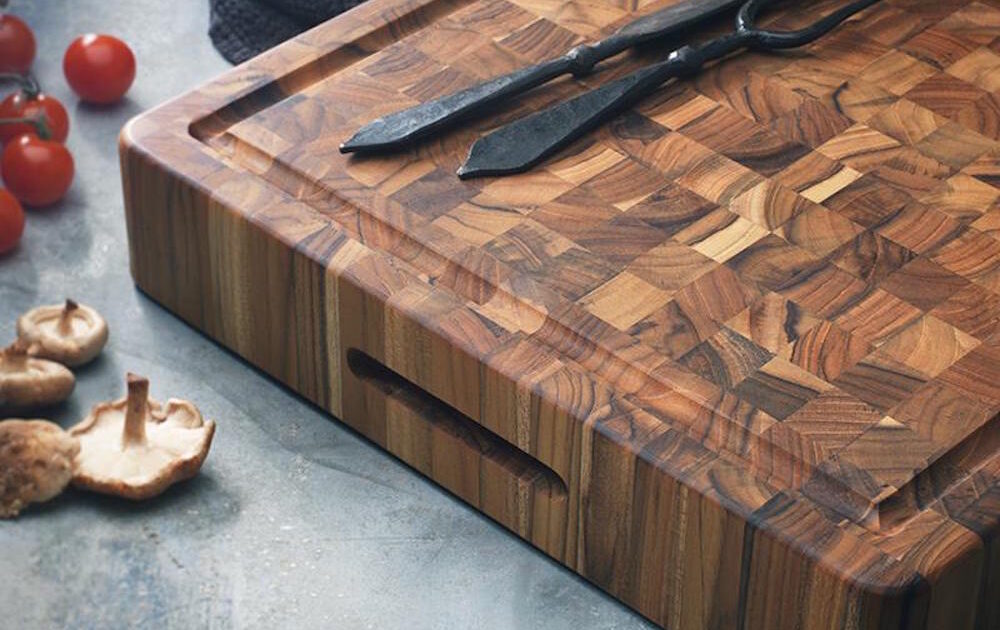
When it comes to your kitchen, cleanliness is everything—especially with cutting boards. You might wonder, what is the most sanitary wood for cutting boards?
Choosing the right wood can make a big difference in keeping your food safe and your kitchen germ-free. You’ll discover which wood types naturally fight bacteria and why they matter for your health. Keep reading to find out how to pick the perfect cutting board that protects you and your family every time you cook.
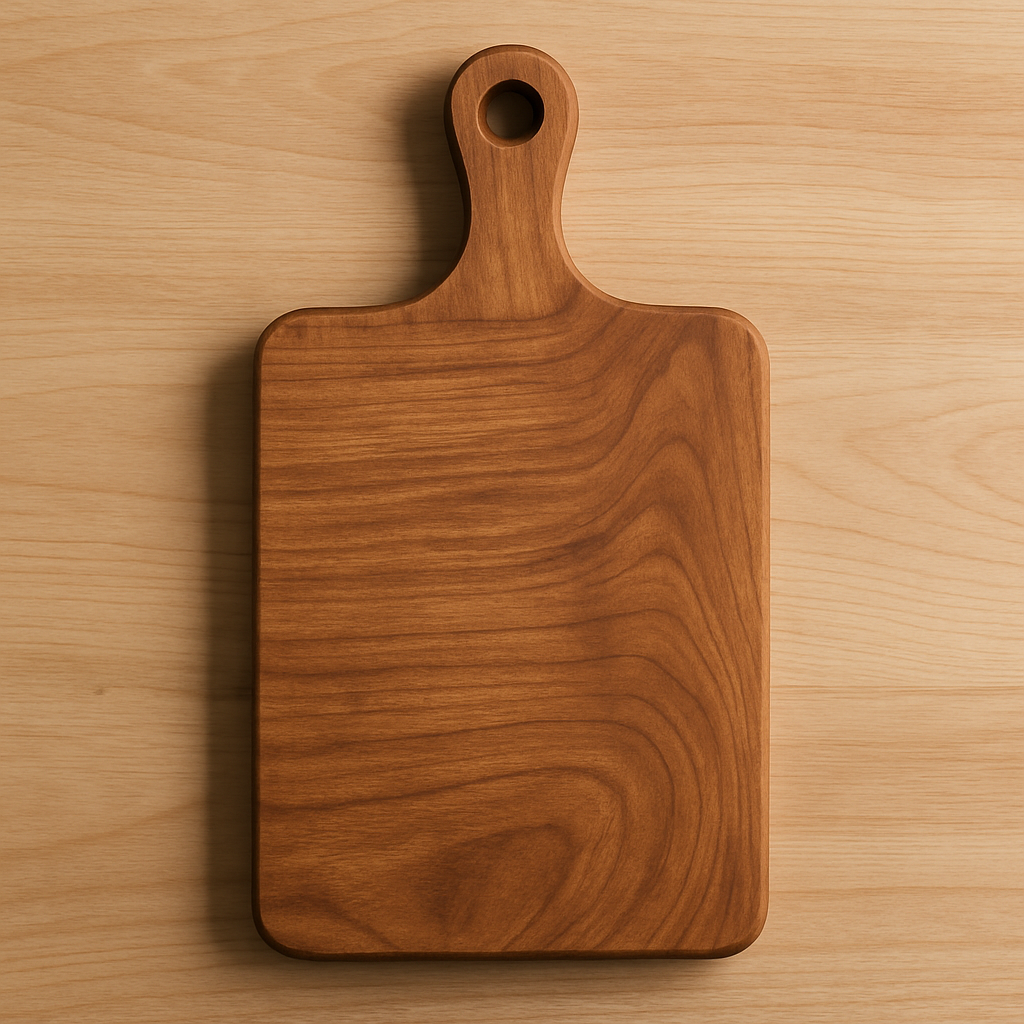
Credit: oggnhome.com
Why Wood Matters For Cutting Boards
Wood is a popular choice for cutting boards. It is strong and lasts a long time. Wood also helps keep knives sharp.
Not all woods are the same. Some woods are better for cutting boards. Choosing the right wood helps keep food safe and clean.
Wood Vs Other Materials
Cutting boards come in many materials like plastic, glass, and bamboo. Wood is softer than glass and plastic. This protects knives from dulling fast.
Wood can absorb some moisture, but it also self-heals small cuts. Plastic boards can get deep grooves that trap bacteria. Glass boards can dull knives quickly and cause slipping.
- Wood is gentle on knives
- Plastic is easy to clean but can trap bacteria in grooves
- Glass is hard and can slip
- Bamboo is hard but less porous than wood
Impact On Food Safety
Wood has natural antimicrobial properties. Some woods kill bacteria better than plastic. This helps reduce the risk of foodborne illness.
Cleaning is important for all cutting boards. Wood boards need to dry completely to avoid mold. Plastic boards can be washed in a dishwasher, but deep cuts may hide germs.
- Wood blocks bacteria with natural oils
- Plastic can hold bacteria in scratches
- Regular cleaning is needed for all boards
- Dry wood boards well to prevent mold
Top Wood Types For Cutting Boards
Choosing the right wood for a cutting board is important for hygiene and durability. Some woods are safer and cleaner than others. This guide explains the best woods for cutting boards.
Each wood type has unique features. They resist bacteria well and last long in the kitchen. Read about four popular woods below.
Maple
Maple is a common choice for cutting boards. It has a tight grain that stops bacteria from hiding. This wood is hard and resists cuts well.
Maple boards are easy to clean and keep their shape over time. They do not dull knives quickly, making them safe for kitchen use.
Bamboo
Bamboo is a fast-growing grass, not a wood. It is very hard and resists moisture well. Bamboo cutting boards are less likely to absorb water.
This makes bamboo a sanitary choice. It is also eco-friendly and light to handle. Bamboo boards need oiling to stay in good condition.
Walnut
Walnut is a dark, dense wood that is gentle on knives. It has natural oils that help fight bacteria. Walnut boards look elegant in any kitchen.
Walnut is softer than maple, so it may show cuts sooner. Still, it cleans well and stays sanitary with regular care.
Cherry
Cherry wood is smooth and has a fine grain. It resists moisture and bacteria well. Cherry boards develop a rich color as they age.
This wood is moderately hard and holds up to daily use. Cherry cutting boards are easy to clean and maintain for safe food prep.
Antibacterial Properties Of Wood
Wood is a common material for cutting boards. It is known for its natural ability to fight bacteria. This makes wood a good choice for kitchen use.
Understanding which wood types resist bacteria helps keep food safe. Some woods stop bacteria from growing better than others.
Natural Resistance To Bacteria
Certain woods have natural oils and tight grain that block bacteria. These properties reduce bacteria growth on cutting boards. Woods like maple, walnut, and cherry are popular for this reason.
- Maple has a dense grain that traps bacteria inside, where they die.
- Walnut contains natural chemicals that slow bacteria growth.
- Cherry wood has oils that create a less friendly surface for bacteria.
- Bamboo is a grass but has similar antibacterial effects due to its structure.
Research Findings
| Wood Type | Bacteria Reduction | Key Property |
| Maple | High | Dense grain |
| Walnut | Moderate | Natural chemicals |
| Cherry | Moderate | Oils in wood |
| Bamboo | High | Hard surface, natural silica |
| Pine | Low | Soft grain, less dense |
Maintenance And Hygiene Tips
Wooden cutting boards need regular care to stay clean and safe. Proper maintenance stops bacteria from growing. Good hygiene keeps food fresh and healthy.
Using the right cleaning and care methods helps your cutting board last longer. It also protects your family from foodborne illnesses.
Cleaning Techniques
Clean your wooden cutting board after every use. Warm water and mild soap work well. Avoid soaking the board to keep it from cracking.
- Rinse the board with warm water right after use.
- Use a sponge or soft brush with soap to scrub.
- Rinse again to remove soap.
- Dry the board with a clean towel.
- Stand it up to air dry completely.
Oiling And Conditioning
Oiling your cutting board keeps it from drying out and cracking. It also creates a water-resistant surface that helps block bacteria.
| Type of Oil | Purpose |
| Food-grade mineral oil | Protects wood, safe for food contact |
| Beeswax conditioner | Seals surface, adds extra moisture |
| Coconut oil (refined) | Natural option, resists bacteria |
Apply oil once a month or when the wood looks dry. Rub the oil into the surface and let it soak overnight.
Avoiding Cross-contamination
Cross-contamination spreads harmful germs. Use separate boards for raw meat, fruits, and vegetables to stay safe.
- Label or color-code boards for different foods.
- Clean boards thoroughly between uses.
- Use plastic or glass boards for raw meat if preferred.
- Replace boards that have deep cuts or cracks.
Durability And Longevity
Choosing the right wood for cutting boards affects how long they last. Durable wood resists damage and stays safe for food use.
We look at wear resistance and repair options to find the most sanitary wood for cutting boards.
Wear Resistance
Wear resistance means the wood can handle cuts and scratches without breaking down. Hardwoods usually last longer.
- Maple is dense and resists deep cuts well.
- Walnut offers good hardness and a smooth surface.
- Cherry has moderate hardness but wears evenly.
- Bamboo is tough but can splinter if low quality.
Repair And Refinishing
Wood cutting boards can be sanded to remove cuts and bacteria. Some woods are easier to refinish than others.
| Wood Type | Ease of Repair | Refinishing Frequency |
| Maple | Easy to sand | Once a year |
| Walnut | Moderate effort | Once every 1-2 years |
| Cherry | Easy | Once a year |
| Bamboo | Hard to sand evenly | Less often but tricky |
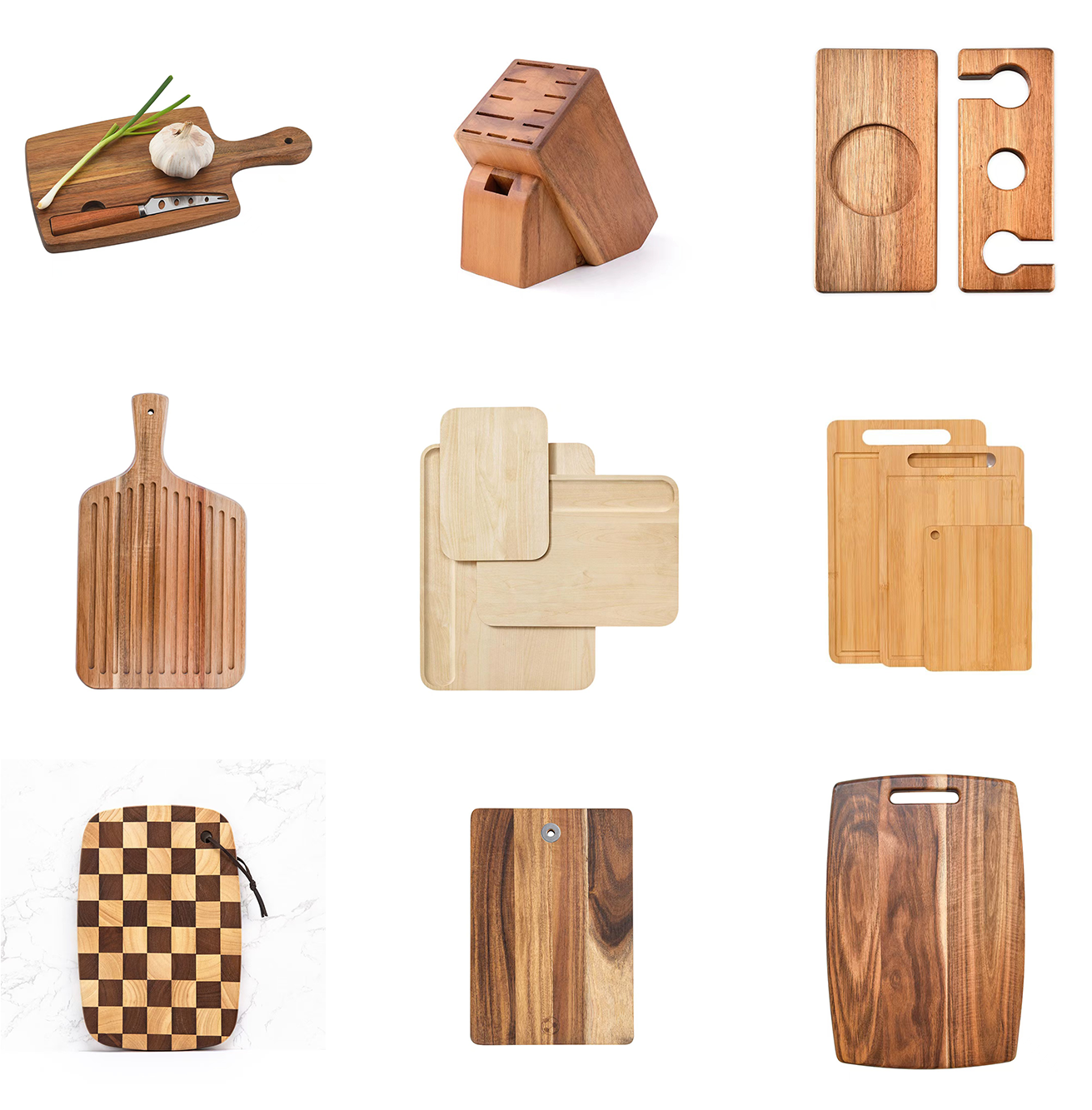
Credit: www.justwoodencuttingboard.com
Environmental Impact
Choosing the right wood for cutting boards affects the environment. Wood types vary in how they impact forests and wildlife.
Understanding the environmental impact helps select a wood that is safe for both your kitchen and the planet.
Sustainability Of Wood Choices
Some woods grow faster and are easier to replace than others. Sustainable woods reduce deforestation and habitat loss.
- Bamboo: Grows quickly and is renewable.
- Maple: Commonly sourced from well-managed forests.
- Teak: Durable but slow-growing, needs responsible harvesting.
- Cherry: Moderate growth, often harvested sustainably.
- Walnut: Slower growth, should be chosen from certified forests.
Eco-friendly Practices
Using wood from certified sources helps protect forests. Proper care extends the life of cutting boards, reducing waste.
| Practice | Benefit |
| Buy FSC-certified wood | Ensures sustainable forest management |
| Use natural oils for maintenance | Prevents harmful chemicals pollution |
| Recycle or repurpose old boards | Reduces landfill waste |
| Choose local wood | Lower transportation emissions |
Choosing The Right Board For Your Needs
Choosing the most sanitary wood for cutting boards helps keep your kitchen safe. Different woods offer different benefits.
Consider your budget, how often you use the board, and what looks best for your kitchen.
Budget Considerations
Wood cutting boards come in many price ranges. Some woods cost more because they last longer or look nicer.
Hardwoods like maple and walnut are more expensive but resist cuts and bacteria better. Softer woods may be cheaper but wear out fast.
- Maple boards are durable and moderately priced
- Walnut is stylish but usually costs more
- Bamboo is affordable and eco-friendly
- Soft woods like pine are cheaper but less durable
Usage Frequency
How often you use the cutting board affects which wood is best. Frequent use needs stronger wood to last.
Hardwoods like maple and cherry resist deep cuts and bacteria buildup. They clean well and last long with regular use.
- Daily use: choose hard, dense woods
- Occasional use: softer woods may work
- Heavy chopping: thicker, sturdy boards are best
Aesthetic Preferences
Wood cutting boards come in many colors and grain patterns. Choose a board that fits your kitchen style.
Walnut has a dark, rich look. Maple is light and classic. Cherry has a warm reddish tone.
- Maple: light, traditional style
- Walnut: dark, elegant look
- Cherry: warm, reddish color
- Bamboo: modern and eco-friendly

Credit: www.mychemicalfreehouse.net
Frequently Asked Questions
What Wood Is Best For Cutting Boards?
Maple is a top choice for cutting boards. It’s dense, closed-grain, and non-porous, which prevents bacteria absorption. Maple’s hardness ensures durability without dulling knives. Its natural antibacterial properties make it a sanitary option for kitchen use. Regular maintenance, like oiling, enhances its lifespan and hygiene.
Is Bamboo Sanitary For Cutting Boards?
Bamboo is a popular choice for cutting boards. It’s naturally antimicrobial and resistant to bacteria and moisture. Bamboo’s density makes it durable and less prone to knife scars, reducing bacterial growth. However, it’s essential to maintain it with regular oiling to prevent cracking and ensure longevity.
How Does Walnut Compare To Maple Boards?
Walnut is softer than maple but still a good choice. It offers a smooth surface, minimizing knife scars. Its natural grain hides cuts better, reducing bacteria traps. While walnut is slightly more porous, regular maintenance keeps it sanitary. Its rich color adds aesthetic value to kitchen spaces.
Are Plastic Boards More Hygienic Than Wood?
Plastic boards are often considered more hygienic due to their non-porous nature. However, knife scars can harbor bacteria over time. Unlike wood, plastic doesn’t self-heal, so sanitizing is crucial. Regularly replacing worn-out plastic boards ensures hygiene. Wood’s natural antibacterial properties can be more sanitary with proper care.
Conclusion
Choosing the right wood keeps your cutting board clean and safe. Hardwoods like maple and walnut resist bacteria well. Their tight grain stops germs from hiding inside. Regular cleaning and oiling also help maintain hygiene. A good wooden board lasts long and protects your food.
Trust nature’s materials for a healthier kitchen space. Simple care makes a big difference every day. Your cutting board matters—pick the wood that works best.