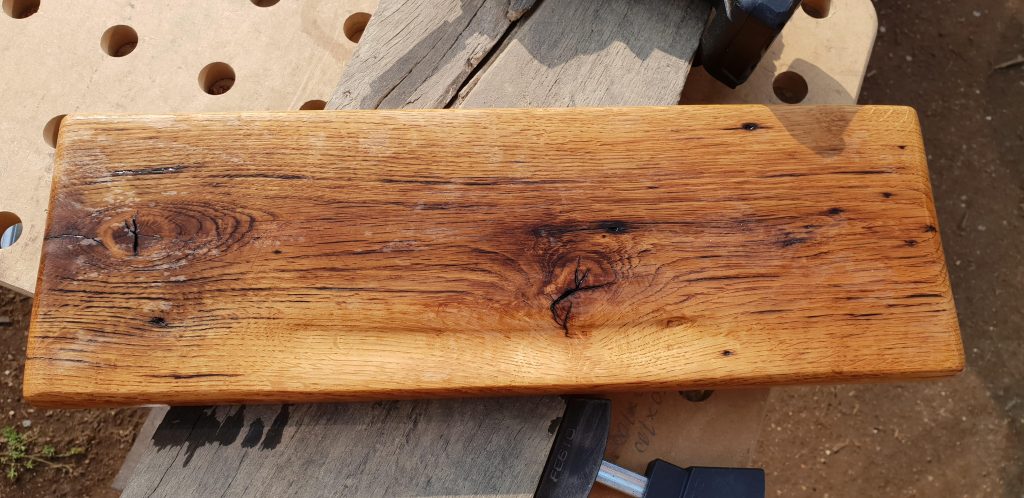
Are you wondering if tung oil is the right finish for your cutting board? Choosing the best oil can make a big difference in how your board looks, feels, and holds up over time.
Tung oil is popular for wood finishing, but is it safe and effective for cutting boards that come into contact with your food? Keep reading to discover the truth about using tung oil on your cutting board and how it can protect and enhance your kitchen essential.
Your next meal prep could depend on it!

Credit: www.reddit.com
Why Choose Tung Oil
Tung oil is a popular choice for finishing cutting boards. It comes from the seeds of the tung tree and is natural.
This oil protects the wood while being safe for food contact. It enhances the wood’s look and feel.
Natural And Food-safe Qualities
Tung oil is made from natural sources. It is safe to use on surfaces that touch food.
The oil does not contain harmful chemicals. It dries to a hard, non-toxic finish that protects your cutting board.
Durability And Water Resistance
Tung oil creates a strong, water-resistant layer on wood. This helps keep the cutting board from cracking or warping.
The oil soaks into the wood and hardens. This protects the board from moisture and stains for a long time.
Comparison With Other Oils
Tung oil dries harder than many other oils like mineral or olive oil. It lasts longer and offers better protection.
Unlike some oils, tung oil does not stay sticky or attract dirt. It also resists water better than many natural oils.
- Tung oil: hard, water-resistant, food-safe
- Mineral oil: safe but less durable
- Olive oil: can go rancid and sticky
- Linseed oil: dries hard but may not be food-safe
Preparing Your Cutting Board
Before applying tung oil, your cutting board needs proper preparation. This helps the oil soak in evenly and protects the wood.
Cleaning and sanding are key steps to get your board ready. They remove dirt and smooth the surface.
Cleaning And Sanding Steps
Start by washing the cutting board with warm water and mild soap. Use a soft sponge to avoid damage.
- Rinse the board well to remove all soap.
- Let it dry completely before sanding.
- Sand the board using fine-grit sandpaper to smooth rough spots.
- Wipe off dust with a damp cloth.
- Allow the board to dry fully before applying tung oil.
Ensuring A Smooth Surface
| Sandpaper Grit | Purpose |
|---|---|
| 80-100 | Remove old finish and rough areas |
| 120-150 | Smooth the surface |
| 220 | Final sanding for a fine finish |
Using the right sandpaper grit ensures the wood is ready to absorb tung oil well. A smooth surface improves the finish and durability.
Applying Tung Oil Correctly
Tung oil is a popular finish for cutting boards. It protects the wood and keeps it safe for food use. Applying tung oil the right way helps your cutting board last longer.
This guide covers the tools you need, how to apply the oil, and drying times. Follow these steps to get the best results on your cutting board.
Tools And Materials Needed
- Pure tung oil (food-safe)
- Clean, lint-free cloths
- Fine-grit sandpaper (220 grit)
- Disposable gloves
- Brush or foam applicator (optional)
- Well-ventilated workspace
Step-by-step Application Process
- Sand the cutting board with fine-grit sandpaper. Remove all dust with a clean cloth.
- Put on disposable gloves to protect your hands.
- Apply a thin layer of tung oil using a cloth or brush. Spread it evenly across the surface.
- Let the oil soak in for 20 to 30 minutes. Wipe off any excess oil with a clean cloth.
- Repeat the application two to three times for better protection. Sand lightly between coats if needed.
Drying And Curing Times
| Stage | Time Needed | Details |
|---|---|---|
| Initial Drying | 4 to 6 hours | Oil feels dry but may still be soft underneath |
| Recoat Wait | 24 hours | Wait before applying next layer of oil |
| Full Curing | 7 days | Board reaches maximum hardness and protection |
Maintenance And Reapplication
Tung oil gives cutting boards a natural, water-resistant finish. It protects the wood and keeps it looking fresh. To keep your board in good shape, you need to maintain the oil finish regularly.
Knowing when to reapply tung oil and how to clean the board properly helps the oil last longer. This guide covers the signs to watch for and cleaning tips for oiled boards.
When To Reapply Tung Oil
Reapplying tung oil depends on how often you use the cutting board and how well the finish holds up. Look for these signs to know when to oil again:
- The wood looks dry or dull
- Water no longer beads on the surface
- Food stains soak into the wood easily
- The surface feels rough or worn
To reapply, clean the board first and let it dry. Apply a thin layer of tung oil with a cloth. Let it soak in for about 20 minutes, then wipe off the extra. Repeat if needed for a smooth finish.
Cleaning Tips For Oiled Boards
Cleaning your tung-oiled cutting board properly keeps the finish strong and the wood healthy. Use gentle methods to avoid damaging the oil layer.
| Cleaning Method | Instructions |
| Hand Washing | Use warm water and mild soap. Avoid soaking the board. |
| Drying | Wipe with a dry cloth and let air dry upright. |
| Deep Cleaning | Rub with coarse salt and lemon, then rinse and dry. |
| Avoid | No dishwasher or harsh chemicals. |
Benefits Of Tung Oil On Cutting Boards
Tung oil is a natural finish often used on wood. It works well on cutting boards to protect and beautify them.
This oil soaks into the wood, giving it a smooth surface and stronger resistance to damage.
Enhancing Wood Grain And Appearance
Tung oil brings out the natural wood grain. It adds a warm, rich tone that improves the board’s look.
The oil dries to a non-glossy finish that feels soft to touch. It highlights patterns without making the surface slippery.
Protecting Against Moisture And Stains
Tung oil creates a water-resistant barrier on cutting boards. This helps stop water and food juices from soaking into the wood.
- Prevents warping caused by moisture
- Reduces staining from fruits and vegetables
- Blocks germs from entering wood pores
Extending Board Longevity
Regular tung oil treatment keeps cutting boards strong. The oil stops cracks and splits from forming.
| Benefit | How Tung Oil Helps |
| Wood Protection | Seals wood fibers to resist damage |
| Durability | Keeps wood flexible and prevents drying |
| Maintenance | Easy to reapply for long-term care |

Credit: www.whittlewaxes.com.au
Potential Drawbacks To Consider
Tung oil is popular for finishing wood, including cutting boards. It gives a natural look and water resistance. Still, there are some drawbacks to think about before using it on cutting boards.
Knowing the potential issues helps you decide if tung oil is right for your kitchen tools. This section covers important points to keep in mind.
Allergic Reactions And Sensitivities
Tung oil comes from the tung tree nuts. Some people may have allergies to these nuts or the oil itself. This can cause skin irritation or other reactions.
If you or your family have nut allergies, be careful using tung oil on cutting boards. It might trigger a reaction if the oil is not fully cured or removed.
- Possible skin rash or irritation
- Respiratory issues if inhaled during application
- Risk for those with nut allergies
Longer Drying Time Compared To Other Oils
Tung oil takes longer to dry than many other oils. It can need several days to fully cure. This slows down the time before you can use your cutting board again.
The slow drying means you must plan ahead. Using the board before the oil cures can cause sticky surfaces or uneven finishes.
- Drying time can be 24-72 hours per coat
- Multiple coats are often needed for best protection
- Long curing means more waiting before use
Alternative Finishes For Cutting Boards
Choosing the right finish for a cutting board is important to keep it safe and durable. Some finishes protect wood from moisture and stains. They also help keep the board looking new.
This guide covers some common finishes you can use instead of tung oil. Each option has its own benefits for cutting boards.
Mineral Oil
Mineral oil is a popular finish for cutting boards. It is food safe and easy to apply. Mineral oil soaks into the wood and helps stop it from drying out.
- Non-toxic and safe for food contact
- Dries slowly, allowing deep absorption
- Needs regular reapplication to maintain protection
- Does not harden, so it keeps the wood flexible
Beeswax Blends
Beeswax is often mixed with mineral oil to create a thicker finish. This blend adds a soft shine and extra water resistance to cutting boards.
| Benefit | Explanation |
| Water Resistance | Beeswax forms a barrier to repel moisture. |
| Easy Application | Soft texture spreads smoothly on the board. |
| Food Safe | Both ingredients are safe for kitchen use. |
| Regular Maintenance | Needs reapplication to keep protection strong. |
Other Natural Oils
Some natural oils can finish cutting boards but require caution. Oils like walnut or coconut can dry and protect the wood. Avoid oils that stay sticky or go rancid.
Common natural oils for cutting boards include:
- Walnut oil – dries well and is food safe
- Coconut oil (refined) – resistant to spoilage
- Avocado oil – dries but may need frequent reapplication
- Olive oil – not recommended as it can go rancid

Credit: www.reddit.com
Frequently Asked Questions
Can You Use Tung Oil On Cutting Boards Safely?
Yes, tung oil is safe for cutting boards. It penetrates wood, creating a water-resistant, food-safe finish. Pure tung oil is non-toxic once cured and protects the board from moisture and bacteria effectively.
How Long Does Tung Oil Take To Dry On Boards?
Tung oil typically takes 24 to 48 hours to dry per coat. Multiple coats improve protection but require full drying between applications. Full curing can take up to a week for best results.
Is Tung Oil Better Than Mineral Oil For Cutting Boards?
Tung oil offers superior water resistance and durability compared to mineral oil. Mineral oil is easier to apply but may require frequent reapplication. Tung oil provides a longer-lasting, natural finish that enhances wood grain.
How Often Should You Reapply Tung Oil On Cutting Boards?
Reapply tung oil every 3 to 6 months depending on use. Frequent washing and exposure to moisture reduce its effectiveness. Regular maintenance keeps the cutting board protected and looking new.
Conclusion
Tung oil can be a great choice for cutting boards. It provides a natural finish and enhances wood’s beauty. Ensure the oil is food-safe before application. This ensures safe food preparation. Regular maintenance with tung oil helps the board last longer.
Keep the board clean and dry between uses. This prevents damage and maintains quality. Tung oil offers protection and enhances appearance. It’s a simple way to care for your kitchen essentials. Consider using tung oil for a safe, durable, and appealing cutting board.