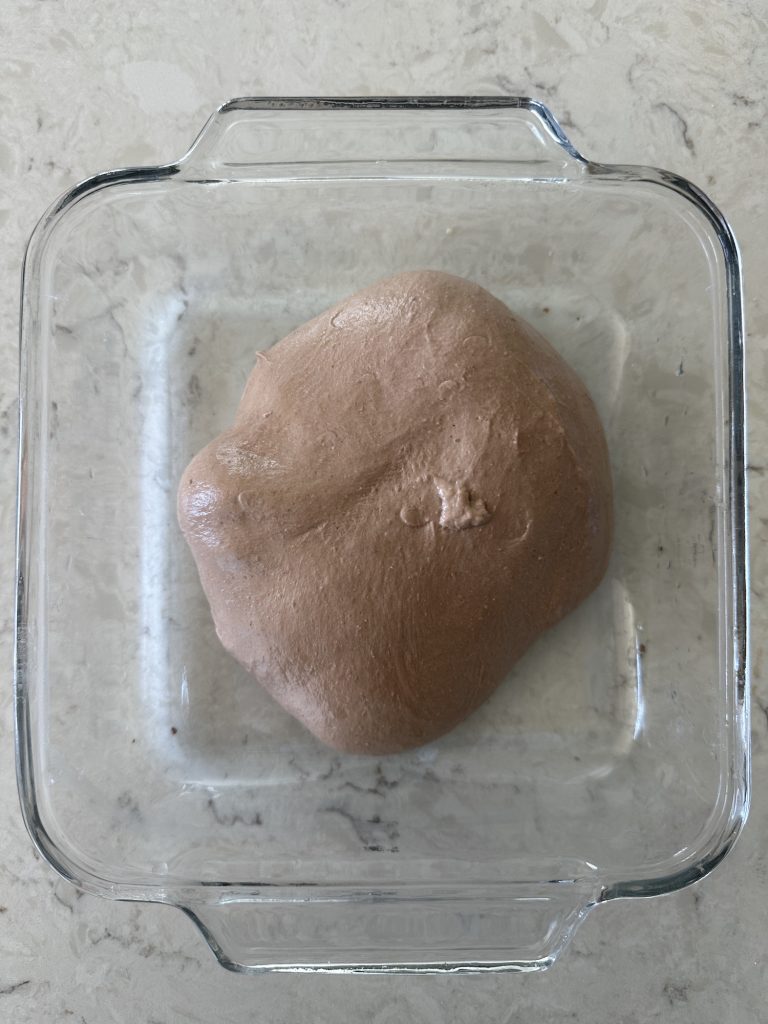
Are you wondering if you can mix your sourdough in a plastic bowl? It’s a simple question but one that can make a big difference in how your bread turns out.
The right bowl can affect everything from fermentation to flavor. If you want your sourdough to rise perfectly and taste amazing, you need to know what works best. Keep reading to discover the truth about using plastic bowls and how to get the most out of your sourdough baking.
Your next loaf could be your best one yet.
Sourdough And Bowl Materials
Sourdough needs a good bowl to rise well. The bowl material can change how the dough feels and grows.
Choosing the right bowl helps keep your sourdough healthy and easy to work with. Different materials have different effects.
How Bowl Material Affects Dough
Bowl materials can keep heat and moisture in different ways. This changes how fast the dough rises.
Some materials hold warmth better, helping the sourdough rise faster. Others may cool the dough, slowing it down.
- Glass and ceramic keep heat well, giving steady warmth.
- Plastic bowls can trap moisture but may not keep heat as well.
- Metal bowls cool quickly and can slow the rise.
- Wood bowls breathe, which can help moisture escape.
Common Bowl Types For Sourdough
Many bakers use different bowls for sourdough. Each type has pros and cons.
- Plastic Bowls:Lightweight and easy to clean. They hold moisture but may not keep heat well.
- Glass Bowls:Heavy and keep heat steady. They do not absorb smells or stains.
- Ceramic Bowls:Good heat retention. They can be fragile and heavy.
- Metal Bowls:Cool quickly and can affect dough temperature. They are durable.
- Wood Bowls:Natural and breathe well. They may absorb moisture and odors.
Plastic Bowls For Sourdough
Using the right bowl can affect your sourdough bread making. Many bakers choose plastic bowls to mix and ferment their dough. Plastic bowls are light and easy to handle.
Let’s look at the benefits and drawbacks of using plastic bowls for sourdough.
Benefits Of Using Plastic
Plastic bowls offer many advantages for sourdough bakers. They are affordable and easy to find. Plastic does not break easily and is good for daily use.
- Lightweight and easy to move around the kitchen
- Less risk of breaking compared to glass or ceramic
- Can keep dough warm, which helps fermentation
- Often come with lids to cover the dough
- Easy to clean and dishwasher safe
Potential Drawbacks To Consider
Plastic bowls have some issues you should know. They can scratch and hold odors. Some plastics may stain from flour or sourdough starter.
| Drawback | Explanation |
| Scratches | Plastic can get scratched easily, which may trap bacteria. |
| Odor retention | Strong smells can stick to plastic bowls over time. |
| Staining | Flour or starter can leave marks that are hard to clean. |
| Non-breathable | Plastic does not allow air flow, which may affect dough skin. |
Expert Tips For Using Plastic Bowls
Using plastic bowls for sourdough mixing is common and convenient. Choosing the right bowl helps keep your dough fresh and safe.
Proper cleaning and care extend the life of your plastic bowls. This guide shares key tips for best results.
Choosing The Right Plastic Bowl
Select a plastic bowl that is food-safe and free from cracks. Look for BPA-free materials for better health safety.
- Choose bowls with a smooth surface to avoid dough sticking.
- Pick a bowl size that fits your dough volume comfortably.
- Opt for transparent bowls to monitor dough rise easily.
- Avoid bowls with strong odors or discoloration.
Cleaning And Maintenance Advice
Clean plastic bowls thoroughly after each use to prevent bacteria growth. Use gentle cleaning methods to avoid damage.
| Cleaning Tip | Reason |
| Use warm, soapy water | Removes dough residue effectively |
| Avoid harsh scrubbing pads | Prevents scratches where bacteria can hide |
| Rinse well and dry completely | Stops mold and odors from forming |
| Store in a cool, dry place | Keeps the bowl in good condition |
Credit: farmhouseharvest.net
Alternatives To Plastic Bowls
Mixing sourdough in a plastic bowl is common. Still, some people want other options. Using different materials can affect the dough and ease of cleaning.
This guide covers two good alternatives to plastic bowls. You can choose what fits your kitchen and baking style.
Glass And Ceramic Options
Glass and ceramic bowls are popular for sourdough mixing. They do not absorb smells or stains. Both materials keep the dough at a stable temperature.
- Glass bowls are clear, so you can watch the dough rise.
- Ceramic bowls come in many sizes and colors.
- Both are easy to clean and dishwasher safe.
- They are heavier than plastic, which helps keep them steady.
- Care is needed to avoid chips or cracks.
Metal Bowls: Pros And Cons
| Advantage | Disadvantage |
| Durable and long-lasting | Can react with acidic dough |
| Lightweight and easy to handle | May affect dough temperature |
| Easy to clean and often dishwasher safe | Not transparent, so you can’t see dough progress |
| Does not absorb odors or stains | Some metals may scratch or dent |
Metal bowls work well for sourdough but watch for dough acidity. Stainless steel is best because it does not react. Aluminum or copper may change the dough taste.
Impact On Dough Fermentation
Using a plastic bowl for sourdough fermentation can affect how the dough rises. The bowl’s material changes temperature and moisture around the dough.
Understanding these changes helps you decide if a plastic bowl works for your sourdough process.
Temperature Control In Plastic Bowls
Plastic bowls hold heat differently than glass or metal. They do not conduct heat well, which can cause uneven dough temperatures. This affects yeast activity and fermentation speed.
- Plastic bowls keep warmth longer but may trap cold spots.
- Yeast prefers steady temperatures around 75°F to 80°F (24°C to 27°C).
- Inconsistent heat can slow fermentation or cause uneven rising.
- Check dough temperature regularly if using plastic bowls.
Airflow And Moisture Retention
Plastic bowls can hold moisture well because they are non-porous. This may keep the dough surface moist and prevent drying. However, lack of airflow might cause excess moisture build-up.
| Factor | Effect on Dough |
| Airflow | Low airflow may trap moisture, causing a sticky surface. |
| Moisture Retention | Helps prevent dough crust but can create too much humidity. |
| Plastic Bowl Surface | Non-porous, does not absorb moisture from dough. |
Credit: www.handmethefork.com
Common Mistakes To Avoid
Mixing sourdough in a plastic bowl is common. But some mistakes can hurt your dough.
Knowing what to avoid helps you make better bread with less hassle.
Using Damaged Or Scratched Bowls
Plastic bowls that are scratched can hold bacteria. This can spoil your sourdough.
Scratches also trap dough, making cleaning harder and less hygienic.
- Do not use bowls with deep scratches or cracks
- Always check your bowl’s surface before mixing
- Replace old plastic bowls often for best results
Ignoring Bowl Size And Shape
Using a bowl that is too small can make mixing difficult. Dough may spill out.
A bowl’s shape matters. Tall, narrow bowls limit dough expansion during rising.
- Choose a bowl large enough for your dough to double in size
- Wide, round bowls give dough room to rise evenly
- Make sure the bowl has smooth sides to prevent sticking

Credit: bakerbettie.com
Frequently Asked Questions
Is It Safe To Use A Plastic Bowl?
Yes, using a plastic bowl for sourdough is generally safe. Ensure the bowl is food-grade and free from scratches. Scratches can harbor bacteria. Avoid using colored plastics that might leach chemicals. Always clean it thoroughly before use. This ensures a safe environment for your sourdough starter.
Does Plastic Affect Sourdough Fermentation?
Plastic does not affect fermentation if it’s food-safe. It doesn’t react with the ingredients. Ensure the bowl is clean and free from odors. This will help maintain the delicate environment needed for sourdough fermentation. It’s essential to use high-quality, non-reactive plastic.
Can Sourdough Starter Be Stored In Plastic?
Yes, sourdough starter can be stored in plastic containers. Choose a container with a tight-fitting lid. This helps prevent contamination and maintain moisture levels. Make sure the plastic is food-grade and regularly cleaned. This method is convenient and effective for storing your sourdough starter.
What Are The Pros Of Using Plastic Bowls?
Plastic bowls are lightweight and durable. They are less likely to break compared to glass. Plastic is also affordable and widely available. It is easy to clean and store. These qualities make plastic bowls a practical choice for mixing sourdough.
Conclusion
Using a plastic bowl for sourdough mixing is safe and practical. Plastic bowls are lightweight and easy to clean. They do not react with the dough, keeping flavors pure. Just make sure the bowl is food-grade and free of cracks.
Avoid plastic that might absorb smells or stains. Many bakers prefer glass or ceramic, but plastic works well too. Choose what fits your kitchen and comfort. Your sourdough will rise nicely either way. Keep experimenting and enjoy baking at home!