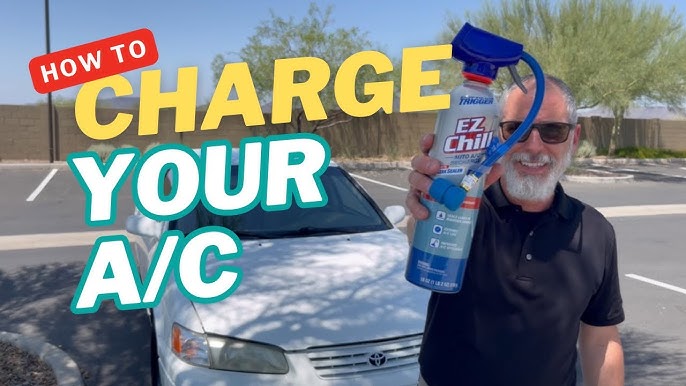
Is your car’s air conditioner not cooling like it used to? You’re not alone.
Many drivers struggle with warm air blowing through their vents, especially on hot days. But here’s the good news: you can fix this yourself by learning how to charge your car air conditioner. It’s easier than you might think, and doing it right will keep your drives comfortable and cool.
You’ll discover simple, step-by-step tips to get your AC blowing cold again—without spending a fortune at the repair shop. Ready to take control of your car’s comfort? Let’s dive in.
Signs Your Car Ac Needs Charging
Reduced cooling performanceis a clear sign your car AC may need charging. The air might feel warm or less cold than usual. This happens when the refrigerant level drops. The AC cannot cool the car properly.
Unusual noisescoming from the AC system can indicate a problem. Sounds like hissing or rattling suggest leaks or other issues. These noises mean the system is struggling to work well.
Visible leaksaround the AC components are a strong warning. Look for oily spots or wet areas near hoses or connections. Leaks cause refrigerant loss and reduce cooling power quickly.
Tools And Materials Required
Refrigerant typesvary, with common ones like R134a and R1234yf. These fluids cool your car’s air conditioner system.
Pressure gaugesmeasure the pressure inside the AC system. This helps in adding the right amount of refrigerant.
Wearing protective gearsuch as gloves and goggles is important. It keeps you safe from harmful chemicals and cold refrigerant.
Locating The Ac Service Ports
The high-pressure portis usually smaller and found near the compressor. It often has a red or pink cap. This port handles the refrigerant after it is compressed.
The low-pressure portis larger and located near the evaporator or the larger tubing. It usually has a blue or black cap. This port is used to add refrigerant to the system safely.
| Port Type | Size | Cap Color | Location | Function |
|---|---|---|---|---|
| High-Pressure Port | Smaller | Red or Pink | Near compressor | Handles compressed refrigerant |
| Low-Pressure Port | Larger | Blue or Black | Near evaporator or large tubing | Adds refrigerant safely |
Safety Precautions Before Starting
Work in a well-ventilated areato avoid inhaling harmful gases. Open doors and windows for fresh air flow. This reduces the risk of gas buildup and makes the job safer.
Be careful not to overchargethe air conditioner. Too much refrigerant can damage the system. Use a gauge to check pressure levels. Follow the manufacturer’s guidelines for the right amount.
- Keep fire sources away from the working area.
- Wear gloves and safety glasses to protect yourself.
- Check for leaks before adding refrigerant.
Step-by-step Charging Process
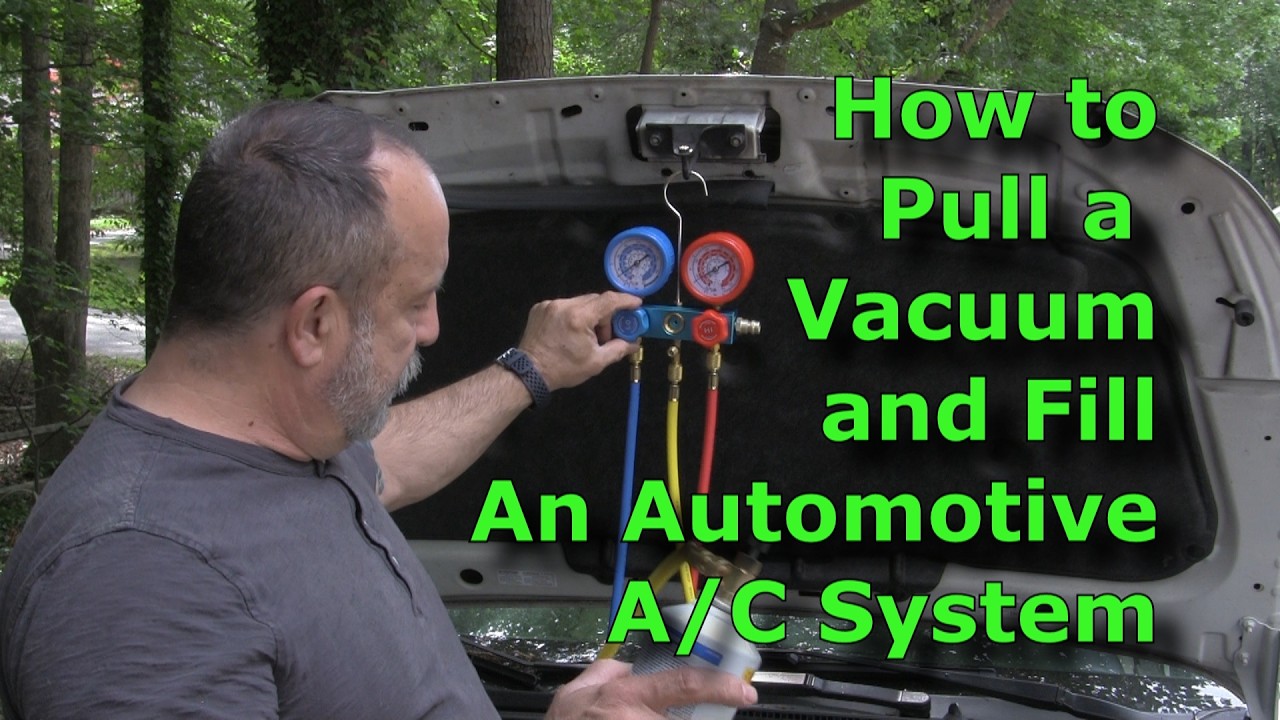
Connect the pressure gauge to the car’s low-pressure service port. Ensure the connection is tight to avoid leaks. Read the current pressure on the gauge. This helps determine if the system needs more refrigerant.
Add refrigerant slowly. Use small bursts rather than large amounts at once. Watch the pressure gauge carefully while adding refrigerant. Stop adding when the pressure reaches the recommended level.
- Check pressure regularly to avoid overcharging.
- Monitor for any unusual drops or spikes in pressure.
- Ensure the engine is running and AC is on during charging.
Credit: www.youtube.com
Post-charging Checks
Check the air conditioner’s cooling power after charging. The air should feel cool and freshinside the car. Run the engine and set the AC to the coldest setting. Wait a few minutes to feel the temperature drop. Use a thermometer if possible to check the temperature near the vents.
Look closely for any signs of leaks. Check all hoses and connections for oil or dye marks. Listen for hissing sounds that might show a leak. If you find leaks, fix them before using the AC again. A good seal keeps the system working well and saves refrigerant.
Common Mistakes To Avoid
Overcharging the systemcan cause serious damage. Too much refrigerant stops the air conditioner from working well. It might make the car engine hot. Watch the pressure gauge carefully. Use the right type and amount of refrigerant. This keeps the system safe and cools properly.
Ignoring safety measurescan lead to accidents. Always wear safety glasses and gloves. Work in a well-ventilated place. Avoid breathing in refrigerant gas. Never smoke or use open flames nearby. Follow instructions on the refrigerant label to stay safe.

Credit: www.cartalk.com
When To Seek Professional Help
Persistent cooling issuesoften signal deeper problems in the car’s AC system. If the air stays warm or cools very little after recharging, it may mean a leak or damaged parts. Fixing these issues requires special tools and knowledge. Attempting repairs without experience can cause more harm.
Complex system repairsinvolve handling parts like compressors, condensers, and expansion valves. These parts need careful diagnosis and precise fixes. Professionals use equipment to check pressure levels and refrigerant types. They also ensure the system has no leaks or blockages.
Seeking help from a qualified mechanic saves time and money. It ensures the AC works safely and efficiently. Trying to fix complex problems alone is risky and may cause further damage.

Credit: www.youtube.com
Frequently Asked Questions
How Do I Know If My Car Ac Needs Charging?
If your car AC is blowing warm air or not cooling effectively, it might need charging. Check for any strange noises or leaks as well. These signs indicate that the refrigerant level is low, and a recharge might be necessary to restore its cooling efficiency.
How Often Should I Recharge My Car Ac?
Typically, a car AC system should be recharged every two to three years. However, this can vary based on usage and system condition. Regular maintenance checks can help identify when a recharge is needed. Properly maintaining the AC system ensures optimal cooling performance and prevents potential damage.
Can I Charge My Car Ac Myself?
Yes, you can recharge your car AC yourself using a recharge kit. These kits are available at automotive stores and include instructions. However, it’s important to follow the instructions carefully. If unsure, it’s best to consult a professional to avoid any damage or incorrect handling.
What Refrigerant Is Used In Car Ac Systems?
Most modern cars use R-134a refrigerant, while newer models may use R-1234yf. It’s crucial to use the correct type specified for your vehicle. Using the wrong refrigerant can damage the AC system. Always check your car’s manual or consult a professional for guidance.
Conclusion
Charging a car air conditioner keeps it cool and fresh. Always check your car manual for the right refrigerant type. Use proper tools and follow safety steps carefully. Avoid overcharging to prevent damage to the system. Regular checks help your AC run smoothly and last longer.
Taking care of your car AC saves money and worry. Simple steps can make a big difference in comfort. Stay cool on every drive by keeping your AC charged right.