Are you tired of your plastic cutting board getting scratched, stained, or harboring bacteria? You might not realize it, but the cutting board you use every day can affect your kitchen’s cleanliness and even your health.
Choosing the right alternative to plastic cutting boards can make your cooking safer, easier, and more enjoyable. You’ll discover simple, practical options that protect your food and last longer. Keep reading to find out which cutting boards can truly elevate your kitchen experience.
Credit: uk.style.yahoo.com
Drawbacks Of Plastic Cutting Boards
Plastic cutting boards are common in kitchens worldwide. They are cheap and lightweight. Still, they come with several problems that affect health and the environment.
This article covers the main drawbacks of plastic cutting boards. It looks at environmental impact, health concerns, and durability issues.
Environmental Impact
Plastic cutting boards are made from non-renewable materials. They take hundreds of years to break down in landfills. This causes pollution and harms wildlife.
- Plastic waste adds to growing landfill problems.
- Production uses fossil fuels and releases greenhouse gases.
- Broken boards often end up in oceans, harming marine life.
- Recycling options for plastic cutting boards are limited.
Health Concerns
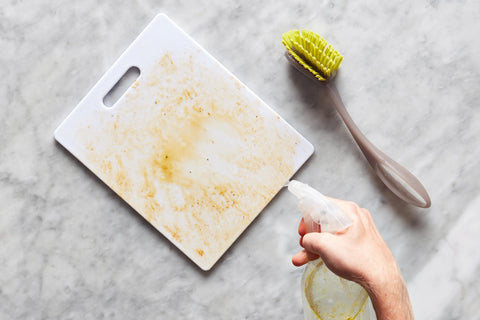
Plastic boards can develop deep cuts and grooves over time. These areas trap bacteria and germs. Washing may not remove all harmful microbes.
| Risk | Cause | Effect |
| Bacterial growth | Scratches and grooves | Food contamination |
| Chemical leaching | Worn or heated plastic | Possible toxin exposure |
| Cross-contamination | Improper cleaning | Foodborne illness |
Durability Issues
Plastic boards wear out faster than other materials. They can warp, crack, or stain easily. This reduces their lifespan and safety.
Common durability problems include:
- Knife marks that weaken the board
- Warping from heat or washing
- Stains from strong-colored foods
- Breaking or cracking after heavy use
Benefits Of Eco-friendly Cutting Boards
Eco-friendly cutting boards offer a natural alternative to plastic boards. They are made from sustainable materials that reduce harm to the environment.
These boards support a healthier kitchen by avoiding harmful chemicals found in plastics. They also last longer and keep your food safe.
Sustainability
Eco-friendly cutting boards come from renewable resources like bamboo or hardwood. These materials grow back quickly or are harvested responsibly.
- Reduce plastic waste in landfills and oceans
- Lower carbon footprint from production
- Support forest conservation and replanting
- Use natural, biodegradable materials
Safety And Hygiene
Natural cutting boards resist bacteria better than plastic ones. They do not absorb harmful chemicals or plastic residues.
| Material | Bacteria Growth | Cleaning Ease |
| Bamboo | Low | Easy to clean with soap |
| Hardwood | Low | Requires regular oiling |
| Plastic | High | Can trap bacteria in scratches |
Longevity
Eco-friendly boards often last longer than plastic ones. They resist deep cuts and warping if cared for properly.
- Repair small scratches by sanding
- Apply mineral oil to prevent drying
- Do not soak in water to avoid cracking
- Use both sides to extend life
Wooden Cutting Boards
Wooden cutting boards are a great alternative to plastic ones. They are sturdy and can last a long time with good care.
Many people choose wooden boards for their natural look and durability. They also help protect your knives from dulling.
Types Of Wood
Different woods have different strengths and looks. Some woods resist moisture better and last longer.
- Maple: Hard and dense, good for chopping and easy to clean
- Walnut: Dark wood, gentle on knives, looks elegant
- Bamboo: Fast-growing and eco-friendly, but harder and can dull knives faster
- Cherry: Smooth surface and rich color, but softer than maple
- Teak: Naturally oily, resists water and bacteria well
Care And Maintenance
Wood boards need regular care to stay in good shape. Avoid soaking them in water or using a dishwasher.
Cleaning with mild soap and warm water works best. Dry the board immediately after washing to prevent cracks.
- Wash by hand with mild soap and warm water
- Dry board with a towel right after washing
- Apply food-safe mineral oil once a month to keep wood hydrated
- Use a mixture of lemon juice and salt to remove stains and odors
- Store in a dry place away from direct sunlight
Pros And Cons
Wooden cutting boards have many advantages but also some drawbacks. Knowing these helps you decide if they suit your kitchen.
- Pros:Durable, gentle on knives, natural antibacterial properties
- Pros:Eco-friendly and biodegradable
- Pros:Attractive and can be used for serving food
- Cons:Can crack or warp if not cared for properly
- Cons:Needs regular oiling and hand washing
- Cons:Not dishwasher safe
Bamboo Cutting Boards
Bamboo cutting boards are a great alternative to plastic ones. They are made from fast-growing bamboo plants.
These boards are strong and eco-friendly, making them popular in many kitchens.
Growth And Harvesting
Bamboo grows quickly and can be harvested every few years. It does not need replanting after cutting.
- Bamboo reaches maturity in about 3 to 5 years.
- It grows without pesticides or fertilizers.
- Harvesting bamboo does not harm the environment.
- It regrows from the root system naturally.
Durability And Use
Bamboo boards are hard and resistant to knife marks. They last longer than many plastic boards.
| Feature | Bamboo Board | Plastic Board |
| Hardness | High | Medium |
| Knife Friendly | Yes | Yes |
| Water Resistance | Moderate | High |
| Longevity | Long | Short |
Cleaning Tips
Cleaning bamboo boards is easy but requires care to last longer.
- Wash with warm, soapy water after use.
- Do not soak the board in water for a long time.
- Dry it fully before storing.
- Oil the board regularly to keep it smooth.
Glass And Ceramic Boards
Plastic cutting boards can wear out and hold bacteria. Glass and ceramic boards are good alternatives to plastic. They offer a different experience in the kitchen.
These boards are easy to clean and look nice on your countertop. They come in many styles and sizes.
Advantages
Glass and ceramic boards are very easy to clean. They do not absorb juices or odors from food.
They are strong and do not get deep knife cuts. This keeps them looking new for a long time.
- Non-porous surface prevents bacteria growth
- Dishwasher safe for easy cleaning
- Resistant to stains and odors
- Durable and long-lasting material
- Attractive designs available
Limitations
Glass and ceramic boards can dull your knives faster. Their hard surface is tough on blades.
They can also break or chip if dropped or hit hard. This makes them less safe if damaged.
- Hard surface can dull knives quickly
- Risk of breaking or chipping when dropped
- Heavier than plastic boards
- Not ideal for heavy chopping tasks
Best Uses
Glass and ceramic boards work well for cutting fruits, vegetables, and cooked foods. They keep your kitchen clean and fresh.
Use them for light cutting and serving. They also make good cheese or charcuterie boards.
- Cutting soft fruits and vegetables
- Preparing cooked or deli foods
- Serving cheese and snacks
- Use as a clean work surface for dough

Credit: www.eatingwell.com
Recycled And Composite Materials
Plastic cutting boards can harm the environment and wear out fast. Recycled and composite materials offer a better choice. These boards use reused plastics or mix materials to make strong, eco-friendly surfaces.
Choosing these materials helps reduce waste and keeps your kitchen safe. They come in many styles and work well for cutting different foods.
Popular Brands
Many brands now focus on recycled or composite cutting boards. Some well-known names include Epicurean, Preserve, and Totally Bamboo. Each brand offers unique designs and uses different materials.
- Epicureanuses wood fiber and resin to create durable boards.
- Preservemakes boards from 100% recycled plastic.
- Totally Bamboooffers boards made from fast-growing bamboo fiber.
Environmental Benefits
Recycled and composite cutting boards help the planet in many ways. They lower plastic waste and reduce the need for new raw materials. Using these boards supports recycling efforts and saves trees.
| Benefit | Explanation |
| Less Plastic Waste | Uses recycled plastics instead of new ones. |
| Tree Conservation | Uses bamboo or wood fibers, saving forests. |
| Durability | Lasts longer, reducing frequent replacements. |
| Lower Carbon Footprint | Manufacturing uses less energy than plastic boards. |
Performance
Composite and recycled boards perform well in the kitchen. They resist cuts and scratches, and do not dull knives quickly. Many are dishwasher safe and easy to clean.
- Strong and durable surface
- Non-porous, preventing bacteria growth
- Lightweight and easy to handle
- Safe for knives and kitchen tools
- Often heat resistant for hot pots
Choosing The Right Board For Your Kitchen
Plastic cutting boards are common but not always the best choice. There are safer and more durable options for your kitchen.
Choosing the right board can keep your food fresh and your knives sharp. It also helps keep your kitchen clean.
Matching Board To Food Types
Different boards work better for certain foods. Wood boards are good for bread and vegetables. Bamboo resists moisture and cuts well.
Use separate boards to stop germs from spreading. For example, use glass or ceramic for raw meat. Use wood for fruits and veggies.
- Wood: best for fruits, veggies, and bread
- Bamboo: good for cutting vegetables and light chopping
- Glass or ceramic: ideal for raw meat but can dull knives
- Composite boards: safe for all food types and easy to clean
Size And Thickness Considerations
Choose a board size that fits your kitchen space and cooking style. Large boards give more space but take more room.
Thickness affects how stable the board is. Thick boards are sturdy and last longer. Thin boards are easy to store but may warp.
- Large boards: good for big meals and multiple ingredients
- Small boards: fit in tight spaces and for quick tasks
- Thick boards: stay steady and resist warping
- Thin boards: easy to handle and store
Budget And Longevity
Wood and bamboo boards may cost more but last a long time with care. They can be sanded and cleaned well.
Glass and ceramic boards are cheaper but can break or dull knives. Composite boards offer a balance of price and durability.
- Wood: higher cost, long life, needs maintenance
- Bamboo: moderate cost, durable, eco-friendly
- Glass/ceramic: low cost, fragile, knife dulling
- Composite: mid cost, durable, easy to clean
Credit: wondrwood.com
Frequently Asked Questions
What Are The Alternatives To Plastic Cutting Boards?
Bamboo, wood, and glass are popular alternatives to plastic cutting boards. Bamboo is eco-friendly and durable. Wood offers natural antibacterial properties and is gentle on knives. Glass is easy to sanitize and maintain. Each option provides unique benefits while reducing environmental impact compared to plastic.
Are Bamboo Cutting Boards Better Than Plastic?
Yes, bamboo boards are eco-friendly and durable. They resist knife scars better than plastic, reducing bacteria buildup. Bamboo is a sustainable resource, making it an environmentally conscious choice. With proper care, bamboo cutting boards can last longer than plastic, providing both practical and ecological benefits.
How Do Wooden Cutting Boards Compare To Plastic?
Wooden boards are more durable and hygienic than plastic. They have natural antibacterial properties and are less prone to knife scars. Wood’s self-healing surface minimizes bacteria growth. With regular oiling, wooden boards maintain their quality, offering a long-lasting, eco-friendly alternative to plastic.
Is Glass A Good Option For Cutting Boards?
Yes, glass cutting boards are easy to clean and sanitize. They don’t absorb odors or stains, ensuring hygiene. However, they can be harsh on knives, dulling them faster. Despite this, their non-porous surface makes them a hygienic alternative to plastic.
Conclusion
Choosing the right cutting board matters for your health and kitchen. Wood and bamboo boards offer natural antibacterial properties. They last longer and are gentle on knives. Glass and stone boards look nice but can dull blades fast. Think about your cooking needs and cleaning habits.
Switching from plastic helps reduce waste and chemicals. Simple changes make your kitchen safer and greener. Try one alternative and see the difference yourself. Small steps lead to better habits every day.