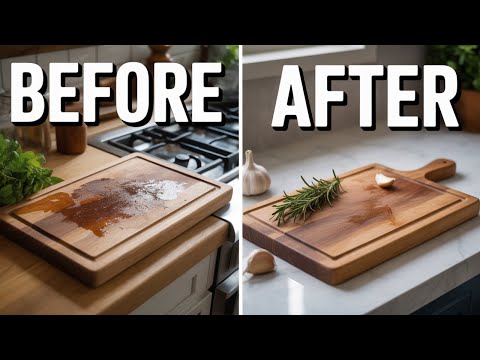
Your wooden cutting board is a kitchen essential, but do you know the best way to keep it truly clean and safe? Simply washing it with soap and water isn’t enough to kill all the harmful bacteria that can hide in its grooves.
If you want to protect your family from foodborne illnesses and extend the life of your board, learning how to sterilize it properly is key. You’ll discover easy, effective methods to make sure your wooden cutting board stays fresh and germ-free every time you use it.
Keep reading to unlock these simple steps that will change how you care for your kitchen tools forever.
Credit: www.thekitchn.com
Why Sterilize Wooden Cutting Boards
Wooden cutting boards can hold germs and bacteria. Cleaning alone may not remove all harmful microbes.
Sterilizing helps kill bacteria and keeps your kitchen safe. It also protects your family from foodborne illnesses.
Prevent Cross-contamination
Raw meat, vegetables, and fruits can carry different germs. Using the same board without sterilizing spreads bacteria.
Sterilizing stops germs from moving between foods. This reduces the risk of food poisoning.
Maintain Board Hygiene
Wood can absorb liquids and food particles. These trapped bits can breed bacteria if not sterilized.
Regular sterilizing removes hidden germs and keeps the board clean and safe to use.
Extend The Life Of The Board
Sterilizing prevents mold and decay on wooden boards. This helps your board last longer.
Proper care stops cracks and damage caused by bacteria or moisture buildup.
Ensure Food Safety
Sterilizing wooden boards lowers the chance of harmful bacteria on food surfaces. This helps keep meals safe.
It is especially important if you prepare food for children, elderly, or people with weak immune systems.

Credit: homewithgraceandjoy.com
Risks Of Unclean Cutting Boards
Wooden cutting boards can harbor bacteria if not cleaned properly. These bacteria can cause food poisoning and other health issues.
Using a dirty cutting board increases the risk of cross-contamination. This happens when germs spread from one food to another.
Bacterial Growth
Wood can absorb moisture and food particles. This creates a perfect place for bacteria to grow. Common bacteria include Salmonella and E. coli.
Cross-contamination
Using the same cutting board for raw meat and vegetables without cleaning can spread germs. This can cause serious illness.
- Raw meat may carry harmful bacteria.
- Vegetables can pick up these bacteria if cut on the same surface.
- Cross-contamination can cause foodborne diseases.
Damage To The Board
Cracks and cuts on wooden boards trap food and bacteria. These areas are hard to clean and increase contamination risk.
| Risk | Cause | Effect |
|---|---|---|
| Bacterial Growth | Moisture and food residue | Food poisoning |
| Cross-Contamination | Using same board for different foods | Illness from germs |
| Board Damage | Cracks and cuts | Bacteria trapped and spread |
Tools Needed For Sterilizing
Sterilizing a wooden cutting board keeps it clean and safe to use. Using the right tools makes the process simple and effective.
Here are the main tools you need to sterilize your wooden cutting board properly.
Mild Dish Soap
Mild dish soap helps remove dirt and food particles from the board. It cleans without damaging the wood.
Use warm water and a soft sponge with the soap for best results.
White Vinegar
White vinegar kills bacteria on wooden surfaces. It is a natural and safe sterilizing agent.
Apply vinegar directly or diluted with water to the board after washing.
Hydrogen Peroxide
Hydrogen peroxide is a strong cleaner that kills germs and bacteria. Use a 3% solution for safety.
Pour it on the board and let it sit for a few minutes before rinsing.
Coarse Salt
Coarse salt helps scrub the wood and remove stains. It also works with lemon juice for extra cleaning power.
Use salt as a scrub with a lemon half to clean the board surface well.
Lemon
Lemon juice acts as a natural disinfectant. It also removes odors from the cutting board.
Rub lemon juice on the board or use a lemon half with salt for scrubbing.
Soft Sponge Or Cloth
A soft sponge or cloth cleans the board gently. It avoids scratching or damaging the wood.
Use it with soap or cleaning agents to scrub the board.
Clean Dry Towel
A clean towel helps dry the wooden board after cleaning and sterilizing. Drying prevents moisture damage.
Pat the board dry and let it air dry fully before storing.
Credit: www.thekitchn.com
Step-by-step Sterilizing Process
Keeping a wooden cutting board clean is important for food safety. Sterilizing helps remove germs and bacteria.
Follow these simple steps to properly sterilize your wooden cutting board and keep it safe for use.
Initial Cleaning
Start by washing the board with warm water and mild soap. Use a scrub brush or sponge to remove food particles.
Rinse the board well to remove all soap. Wipe it dry with a clean towel before moving to the next step.
Using Vinegar Solution
Vinegar is a natural disinfectant that kills many bacteria. Use white vinegar for best results.
- Mix one part white vinegar with four parts water.
- Apply the solution to the entire surface of the board.
- Let it sit for five minutes to kill germs.
- Rinse the board with warm water and dry it.
Applying Hydrogen Peroxide
Hydrogen peroxide is another safe option to sterilize your board. Use a 3% solution from the store.
Pour or spray hydrogen peroxide over the surface. Let it sit for 10 minutes. Then rinse with water and dry.
Salt And Lemon Scrub
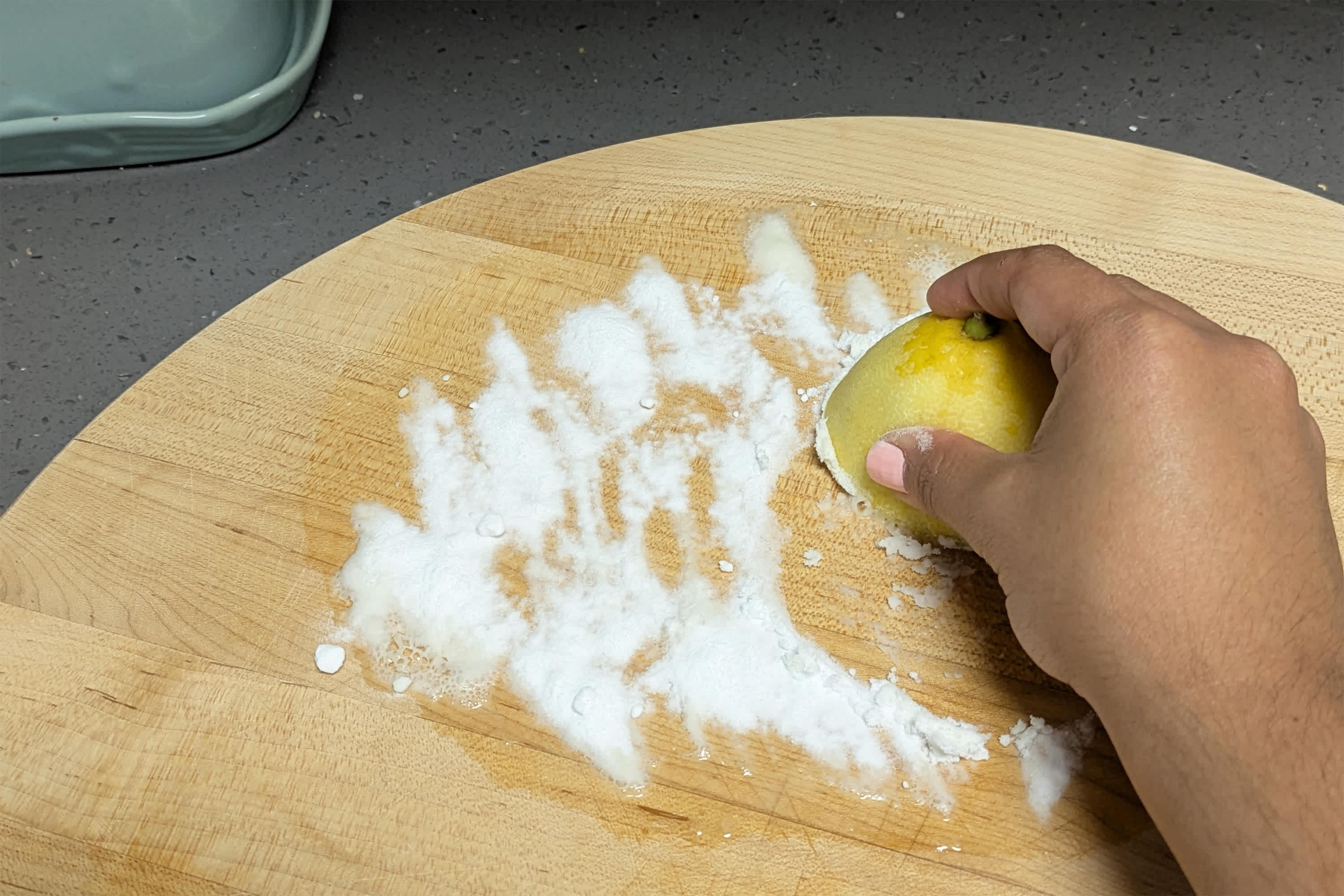
This method cleans and deodorizes the board. The salt scrubs, and lemon kills bacteria.
| Ingredients | Purpose |
| Coarse Salt | Scrubs away dirt and stains |
| Fresh Lemon | Kills bacteria and freshens smell |
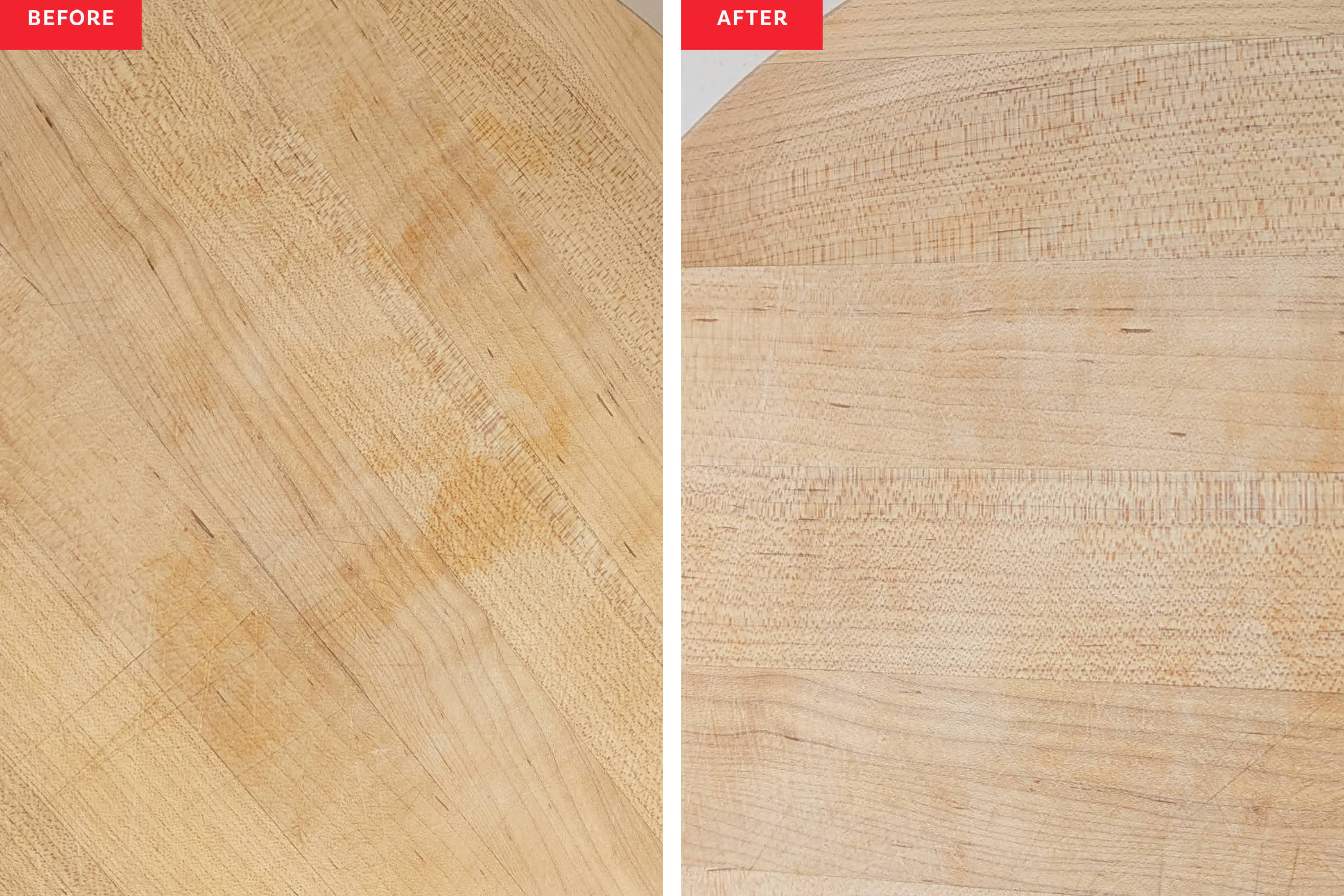
Sprinkle salt on the board. Cut a lemon in half and rub it over the salt. Let it sit 5 minutes.
Rinse the board with warm water and dry it with a clean cloth.
Rinsing And Drying
After sterilizing, rinse the cutting board well to remove any cleaning residues. Use warm water for best results.
Dry the board completely by standing it upright in a well-ventilated area. Avoid leaving it flat to prevent moisture buildup.
Tips For Maintaining Clean Boards
Wooden cutting boards need proper care to stay clean and safe. Regular cleaning and maintenance stop germs from growing.
Follow simple steps to keep your board fresh and last longer. This helps prevent bad smells and stains too.
Regular Cleaning Habits
Wash your wooden board after every use. Use warm water and mild soap to clean it well.
Scrub the surface gently with a soft brush or sponge. Avoid harsh cleaning tools that can damage the wood.
- Rinse thoroughly to remove all soap.
- Dry the board right away with a clean towel.
- Let it air dry standing up to dry fully.
Avoiding Excess Moisture
Do not soak wooden boards in water. Too much water can cause the wood to swell and crack.
Keep the board dry to stop mold and bacteria growth. Store it in a dry place away from humidity.
- Do not put the board in a dishwasher.
- Wipe off any spills quickly.
- Use a dry cloth to absorb moisture after washing.
Oiling The Board
Apply food-safe mineral oil to your board once a month. This keeps the wood hydrated and prevents cracks.
Rub the oil evenly on the surface using a clean cloth. Let the oil soak in overnight and wipe off excess.
- Use only mineral or cutting board oil.
- Do not use cooking oils that can go rancid.
- Regular oiling extends the board’s life.
Signs Your Board Needs Replacing
Wooden cutting boards can last a long time with good care. Still, some signs show it is time to replace the board. These signs help keep your kitchen safe and clean.
Look for cracks, deep cuts, and stains. These marks can hide germs and bacteria. Knowing the signs helps you decide when to get a new board.
Deep Cracks And Splits
Cracks and splits are common on wooden boards after heavy use. They trap food particles and bacteria. If you see deep cracks, it is best to replace the board.
Excessive Knife Marks
Small knife marks are normal. But many deep cuts make cleaning hard. Bacteria can grow inside these cuts. Check your board often for too many knife marks.
Persistent Stains And Odors
Wood absorbs liquids and smells. If stains or odors stay after cleaning, the board may be too old. This means it can hold germs that cause illness.
- Stains that won’t wash away
- Strong food smells even after cleaning
- Dark spots that look like mold
Warping Or Splitting
Warping happens when the wood changes shape from water or heat. A warped board does not sit flat and can be unsafe to use. Splitting weakens the board’s structure.
| Problem | Effect |
| Warping | Board does not lie flat |
| Splitting | Board breaks easily |
| Cracks | Food and bacteria trap |
| Stains | Harbor germs |
Soft Or Spongy Texture
Press your finger on the board. If it feels soft or spongy, the wood is breaking down. This is a sign of damage or mold. Replace the board to avoid health risks.
Frequently Asked Questions
How Do I Sterilize A Wooden Cutting Board?
To sterilize a wooden cutting board, first clean it with hot, soapy water. Rinse thoroughly and dry completely. Then, apply a mixture of white vinegar and water. Let it sit for a few minutes. Rinse again and dry. This method helps eliminate bacteria and keep your board sanitized.
Can Vinegar Disinfect Wooden Cutting Boards?
Yes, vinegar can disinfect wooden cutting boards effectively. Its acidic properties help kill bacteria and germs. Use a mixture of equal parts white vinegar and water. Apply it to the board, let it sit for a few minutes, then rinse thoroughly.
This natural method is safe and environmentally friendly.
How Often Should I Sanitize My Cutting Board?
Sanitize your wooden cutting board after each use, especially when cutting raw meat. Regular cleaning prevents bacteria buildup. For regular maintenance, use vinegar or hydrogen peroxide weekly. This routine helps keep your board clean, safe, and in good condition, ensuring food safety in your kitchen.
Is Bleach Safe For Wooden Cutting Boards?
Bleach is not recommended for wooden cutting boards. It can damage the wood and leave harmful residues. Instead, opt for natural disinfectants like vinegar or hydrogen peroxide. These alternatives are safer for the wood and effective in killing bacteria. Proper cleaning extends the life of your cutting board.
Conclusion
Keeping your wooden cutting board clean protects your food and health. Use gentle soap and hot water after each use. Apply a safe sanitizer like vinegar or diluted bleach carefully. Dry the board well to stop bacteria growth. Regular oiling helps keep the wood strong and less cracked.
Clean boards last longer and stay safe for cooking. Small steps make a big difference in your kitchen. Take care of your board to enjoy safe and fresh meals every day.