Have you ever thought about why food handlers use different cutting boards for various ingredients? It might seem like a small detail, but this simple habit can make a huge difference in keeping your meals safe and delicious.
Using separate cutting boards helps prevent harmful germs from spreading and keeps flavors from mixing. If you want to protect your health and improve your cooking, understanding this practice is a must. Keep reading to discover why different cutting boards matter and how you can use them the right way every time.
Credit: www.gauthmath.com
Choosing The Right Cutting Boards
Using the correct cutting board helps keep food safe and clean. It also protects knives and surfaces.
Food handlers must select cutting boards carefully. Different boards suit different tasks and foods.
Materials And Their Benefits
Cutting boards come in many materials. Each material has its own advantages for food safety and durability.
| Material | Benefits |
| Plastic | Easy to clean, dishwasher safe, good for raw meat |
| Wood | Gentle on knives, natural antibacterial properties |
| Bamboo | Eco-friendly, hard surface, resists moisture |
| Composite | Durable, heat resistant, less prone to warping |
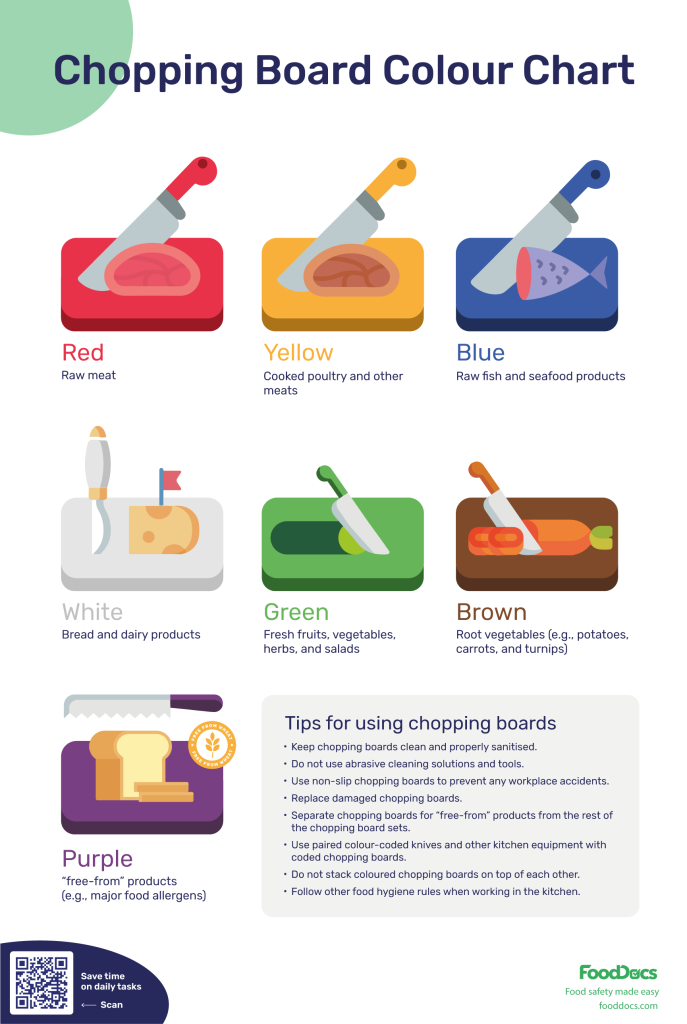
Color-coding Systems
Color-coding helps prevent cross-contamination. Each color is for a specific food type.
- Red for raw meat
- Blue for raw fish and seafood
- Green for vegetables and fruits
- Yellow for cooked meats
- White for bakery and dairy products
Preventing Cross-contamination
Using different cutting boards helps keep food safe. It stops germs from spreading between raw and cooked items.
Food handlers must follow rules to avoid cross-contamination. This keeps meals healthy for everyone.
Separating Raw And Cooked Foods
Always use separate cutting boards for raw and cooked foods. Raw meat, poultry, and seafood can carry bacteria.
- Use a red board for raw meat
- Use a green board for vegetables
- Use a yellow board for cooked foods
- Keep boards in different spots to avoid mix-ups
Proper Cleaning Techniques
Cleaning cutting boards well stops germs from spreading. Wash boards after each use with hot, soapy water.
| Cleaning Step | Purpose |
| Rinse with hot water | Remove food bits |
| Scrub with soap | Kill germs |
| Sanitize with bleach solution | Disinfect surface |
| Air dry | Prevent bacteria growth |
Maintaining Cutting Board Hygiene
Using different cutting boards helps keep food safe. It stops germs from spreading between foods like meat and vegetables.
Cleaning and taking care of cutting boards is very important. It keeps your kitchen healthy and prevents food poisoning.
Sanitizing Methods
Always clean cutting boards after use. Use hot water and soap to remove food bits and germs.
Sanitize cutting boards to kill bacteria. You can use a bleach solution or vinegar for this.
- Wash with hot soapy water right after use
- Rinse well to remove soap
- Soak in a bleach solution (1 tablespoon bleach per gallon of water) for a few minutes
- Or spray with white vinegar and let sit for 5 minutes
- Rinse and dry completely before storing
When To Replace Cutting Boards
Cutting boards can get deep cuts and cracks over time. These small spaces hold bacteria and are hard to clean.
Replace cutting boards if they are worn out or have many grooves. This keeps food safe and kitchens clean.
- Replace wooden boards every 1-2 years or sooner if cracked
- Replace plastic boards when deep cuts appear
- Check boards regularly for damage
- Use separate boards for raw meat and vegetables

Credit: foodhandler.com
Safe Practices For Food Handlers
Food handlers play a key role in keeping food safe. Using different cutting boards helps prevent cross-contamination. Following safe practices reduces the risk of foodborne illness.
Washing hands and wearing gloves properly are important steps. Avoiding common mistakes keeps the kitchen clean and food safe for everyone.
Using Gloves And Hand Washing
Always wash your hands before putting on gloves. Change gloves after handling raw food or touching dirty surfaces. Never reuse gloves to keep food safe.
- Wash hands with soap and warm water for at least 20 seconds
- Dry hands with a clean towel before wearing gloves
- Wear gloves that fit well and are clean
- Change gloves between tasks or after breaks
- Remove gloves properly to avoid touching the outside
Avoiding Common Mistakes
| Mistake | Why It Is Risky | How to Avoid |
|---|---|---|
| Using one cutting board for all foods | Cross-contamination spreads bacteria | Use different boards for raw meat, vegetables, and cooked food |
| Not washing hands after touching raw food | Bacteria can spread to other foods | Wash hands thoroughly before touching other items |
| Wearing dirty gloves | Gloves can transfer germs if not changed | Change gloves regularly and after each task |
| Leaving cutting boards unclean | Bacteria can grow on dirty surfaces | Clean and sanitize boards after each use |
Storing Cutting Boards Properly
Using different cutting boards helps keep food safe. Proper storage stops germs from spreading. It keeps your kitchen clean and organized.
Storing cutting boards right helps them last longer. It also makes it easier to find the right board fast. Let’s look at drying, ventilation, and safe organizing.
Drying And Ventilation
Cutting boards must dry fully after washing. Wet boards can grow bacteria quickly. Air drying is the best way to keep them clean.
Use racks or hooks that allow air to flow around boards. Avoid stacking boards before they are dry. Good airflow stops mold and smells.
- Place boards upright in a drying rack
- Keep boards away from damp or closed areas
- Do not stack boards until they are completely dry
Organizing For Safety
Keep cutting boards organized by type and use. This stops cross-contamination between raw and cooked foods. Use color codes or labels for easy sorting.
Store boards in separate spots based on their function. Keep raw meat boards apart from vegetable boards. This helps maintain safe food handling.
- Use color-coded boards for meats, vegetables, and bread
- Store boards in clean, dry shelves or racks
- Label storage areas to identify board types quickly

Credit: tabcpronto.com
Frequently Asked Questions
Why Use Different Cutting Boards?
Using separate cutting boards prevents cross-contamination between raw and cooked foods. This practice maintains food safety by reducing the risk of foodborne illnesses. Different boards for meats, vegetables, and bread ensure hygiene and enhance flavors. It’s a crucial step in maintaining a clean and efficient kitchen environment.
What Materials Are Best For Cutting Boards?
Wood and plastic are popular choices for cutting boards. Wood is durable and gentle on knives, while plastic is easy to sanitize. Bamboo is another eco-friendly option. Each material has its benefits, so choose based on your kitchen needs and maintenance preferences.
How Often Should Cutting Boards Be Replaced?
Replace cutting boards when they show deep grooves or cracks. These can harbor bacteria despite cleaning. Regular inspection helps maintain hygiene. High-quality boards can last several years with proper care. Always prioritize safety by ensuring your boards are in good condition.
How To Clean Cutting Boards Properly?
Clean cutting boards with hot soapy water after each use. For deeper cleaning, use a mixture of vinegar and water. Avoid harsh chemicals that can damage the board. Regular maintenance extends the board’s life and ensures a safe cooking surface.
Conclusion
Using different cutting boards keeps food safe and clean. It stops germs from spreading between foods. Color-coded boards help food handlers know which board to use. This simple step protects everyone who eats the food. Always clean and store boards properly after use.
Small actions like these make a big difference in the kitchen. Food safety starts with careful cutting board choices. Keep these tips in mind for safer cooking every day.