
Have you ever stopped to wonder if your air conditioner could be putting you at risk for something as serious as carbon monoxide poisoning? It’s a question that might not cross your mind when you’re just trying to stay cool.
But understanding the truth behind this concern could protect you and your loved ones from hidden dangers. You’ll discover how carbon monoxide works, whether your AC can produce it, and what signs to watch for to keep your home safe.
Keep reading—your peace of mind depends on it.

Credit: dial1plumbing.com
How Carbon Monoxide Forms
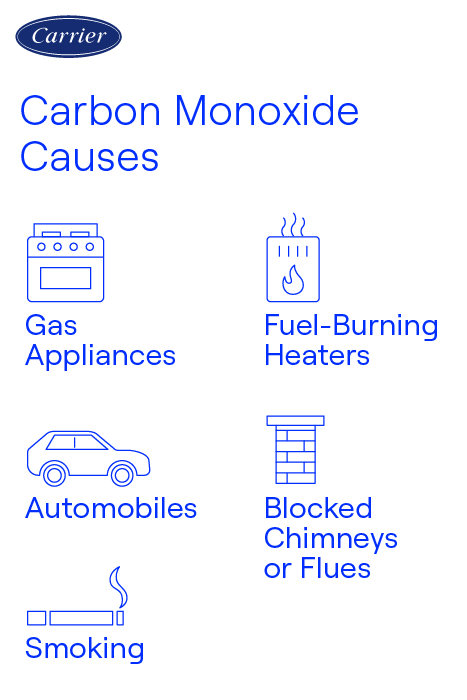
Carbon monoxideis a colorlessand odorless gas. It forms when fuels like gas, wood, coal, or oilburn without enough oxygen. This incomplete burning creates the gas.
Sources of carbon monoxidecan be found in many places inside and outside homes.
- Gas stoves and ovens
- Fireplaces and wood stoves
- Car engines running in closed spaces
- Gas water heaters
- Portable generators
Many people do not know that air conditionersdo not produce carbon monoxide. But if an air conditioner uses a gas-powered generator or is near other gas appliances, risks exist.
Common household risksinclude poor ventilation and blocked vents. These can trap carbon monoxide inside.
Air Conditioners And Co Risks
Air conditioners come in different types. Some use electricity only, while others use gas or fuel. Electric units do not produce carbon monoxide (CO). Gas-powered air conditioners may release CO if not maintainedwell.
CO is a dangerous gas. It can build up when fuel burns without enough oxygen. This gas is colorless, odorless, and harmful. Poor ventilation or broken parts can cause CO leaks.
- Window and portable units:Usually electric, no CO risk.
- Central air systems:Often electric, safe from CO.
- Gas-powered units:Risk of CO if faulty or poorly vented.
CO can enter homes if gas units have blocked ventsor damaged exhausts. Running a generator or heater near an air conditioner can also cause CO buildup. Regular checks and good airflow help reduce risks.
Symptoms Of Carbon Monoxide Poisoning
Mild symptomsof carbon monoxide poisoning include headache, dizziness, and nausea. These signs can feel like a common cold or flu. Severe symptomsmay cause confusion, chest pain, and loss of consciousness. Breathing trouble and weakness are also serious warning signs.
Seek medical help immediatelyif you or others feel very weak or confused. Call emergency services if someone faints or has trouble breathing. Early treatment can save lives and prevent brain damage.
Credit: www.carrier.com
Preventing Co Exposure At Home
Proper ventilationhelps keep air fresh and safe. Open windows and doors to let air flow. Use fans to move air in rooms. Avoid blocking vents or air intakes in your home. Good airflow reduces the chance of carbon monoxide build-up.
Regular maintenanceand inspectionof air conditioners are very important. Check for cracks or leaks in vents and pipes. Hire a professional to service your AC at least once a year. Clean or replace filters to keep the system running well. Well-maintained units work safely and efficiently.
Installing CO detectorsis a simple way to stay safe. Place detectors near bedrooms and living areas. Test them monthly and replace batteries as needed. These devices alert you early to dangerous carbon monoxide levels. They save lives by warning you to act fast.
Myths Vs Facts About Ac And Co
Many people think air conditioners cause carbon monoxide (CO) poisoning. This is not true. Air conditioners cool air but do not burn fuel. CO comes from burning things like gas, wood, or coal.
Some common misconceptions:
- AC units produce carbon monoxide.
- Running AC with a gas heater causes CO poisoning.
- Air conditioners need fuel to work.
Scientific evidence shows:
- CO is made by combustion, not cooling systems.
- Gas furnaces or heaters can cause CO risks if not well maintained.
- Electric air conditioners do not produce any CO.
Always check gas appliances for leaks. Keep rooms ventilated. This keeps CO levels safe.
Credit: www.diychatroom.com
Frequently Asked Questions
Can Air Conditioners Emit Carbon Monoxide?
No, air conditioners cannot emit carbon monoxide. Carbon monoxide is produced by burning fuel. Air conditioners work using electricity and do not burn fuel, so they do not produce carbon monoxide. However, other appliances like gas heaters can emit carbon monoxide if not properly maintained.
Is Carbon Monoxide Poisoning Possible From An Air Conditioner?
No, carbon monoxide poisoning is not possible from an air conditioner. Air conditioners do not produce carbon monoxide because they use electricity, not combustion. Always ensure other home appliances, like gas heaters, are properly vented to prevent carbon monoxide buildup.
How Can Air Conditioners Affect Indoor Air Quality?
Air conditioners can affect indoor air quality by circulating dust and allergens. Regular cleaning and maintenance of filters and ducts help improve air quality. Ensure your air conditioner is well-maintained to keep indoor air fresh and healthy.
Do Air Conditioners Cause Health Issues?
Air conditioners can cause health issues if not maintained. Dirty filters can lead to respiratory problems and allergies. Regular maintenance and cleaning of the unit and filters can prevent these issues and ensure a healthy indoor environment.
Conclusion
Air conditioners usually do not cause carbon monoxide poisoning. Carbon monoxide comes from fuel-burning appliances, not electric coolers. Still, keep heaters and gas appliances well maintained. Good ventilation helps keep your home safe and fresh. Watch for signs like headaches or dizziness indoors.
Regular checks can prevent many risks at home. Stay aware, stay safe, and enjoy cool air without worry.