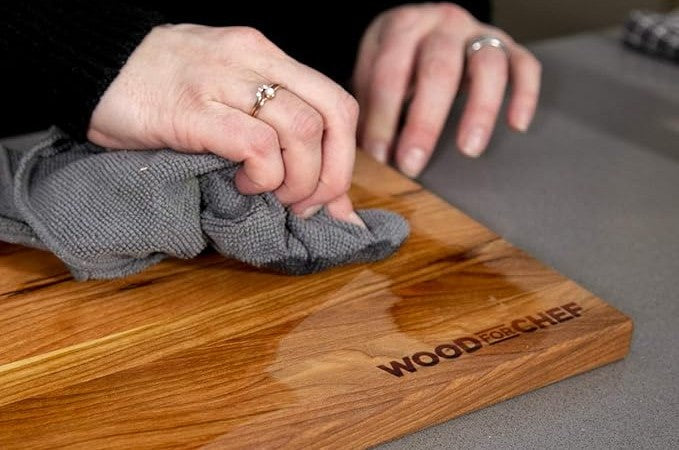
Your wooden cutting board is more than just a kitchen tool—it’s a trusted companion that helps you prepare delicious meals every day. But do you know the best way to care for it so it lasts longer and stays safe to use?
If you want to keep your board looking great and free from cracks, stains, or harmful bacteria, this guide is for you. Keep reading to discover simple, effective tips that will protect your wooden cutting board and make your cooking experience smoother and safer.
Don’t let a worn-out board ruin your meals—learn how to take care of it the right way!
Choosing The Right Wood
Wooden cutting boards need the right type of wood to last long. The wood should be strong, safe, and easy to clean.
Picking the right wood helps keep your board in good shape and safe for food.
Hardwood Vs Softwood
Hardwood comes from trees like oak or maple. It is dense and lasts longer. Softwood comes from trees like pine. It is lighter and can get dents easily.
- Hardwood is better for cutting boards because it is tough.
- Softwood can get scratched and damaged faster.
- Hardwood is less likely to trap bacteria.
- Softwood boards may need more care to stay clean.
Popular Wood Types
Some woods are used more often for cutting boards. They each have good and bad points to think about.
| Wood Type | Hardness | Features | Care |
|---|---|---|---|
| Maple | Hard | Durable, smooth surface | Easy to clean, resists bacteria |
| Walnut | Hard | Dark color, strong | Needs oiling to keep shine |
| Cherry | Medium | Warm color, smooth grain | Regular oiling recommended |
| Pine | Soft | Light color, cheaper | Scratches easily, needs care |
Cleaning Techniques
Wooden cutting boards need careful cleaning to stay safe and last longer. Proper cleaning removes food particles and stops bacteria growth.
Using the right techniques helps keep your cutting board fresh and in good shape for daily use.
Daily Cleaning Routine
After each use, wash your wooden cutting board with warm water and mild soap. Avoid soaking it in water because wood can swell and crack.
Use a soft sponge or cloth to clean the surface gently. Rinse well and dry immediately with a clean towel.
- Wash with warm, soapy water
- Do not soak the board in water
- Use a soft sponge or cloth
- Rinse thoroughly
- Dry right away with a towel
Removing Stains And Odors
To remove stains, sprinkle baking soda on the board. Rub it gently with a damp cloth or sponge. Rinse and dry well.
For odors, cut a lemon in half and rub it over the board. Let it sit for a few minutes, then rinse and dry the board.
- Sprinkle baking soda on stains
- Rub gently with a damp cloth
- Rinse and dry the board
- Rub lemon on board to remove odors
- Let lemon juice sit for a few minutes
- Rinse and dry after lemon treatment
Drying And Storage
Taking care of wooden cutting boards extends their life and keeps them safe to use. Drying and storage are key parts of this care.
Proper drying prevents cracks and mold. Correct storage avoids warping and damage from moisture.
Proper Drying Methods
After washing your wooden cutting board, dry it carefully to keep it in good shape. Avoid leaving it wet or soaking in water.
- Wipe the board with a clean towel to remove water.
- Stand the board upright or on its side to let air flow around it.
- Keep it in a dry, well-ventilated area until fully dry.
- Do not place the board near direct heat like a stove or radiator.
- Never put wooden boards in a dishwasher, as heat and water harm the wood.
Ideal Storage Conditions
Store wooden cutting boards in places that keep them dry and stable. Avoid spots with high humidity or direct sunlight.
| Storage Location | Recommended Condition | Why It Matters |
| Kitchen cabinet | Dry, cool, well-ventilated | Prevents moisture buildup and warping |
| Countertop rack | Upright, open air | Allows air circulation for complete drying |
| Drawer | Avoid if humid or closed tightly | Can trap moisture and cause mold |
| Near heat source | Not recommended | Dries wood too fast, causing cracks |

Credit: www.amazon.ca
Oiling And Conditioning
Wooden cutting boards need care to stay strong and safe. Oiling and conditioning help protect the wood from drying out and cracking. This care also keeps your board looking new and clean.
Using the right oil and oiling at the correct times will make your cutting board last longer. It also stops stains and smells from settling into the wood.
Best Oils To Use
Choose oils that soak into the wood and do not go bad quickly. Some oils are safe for food contact, while others can spoil and make the board sticky or smelly.
- Mineral oil is a popular choice. It is food safe and easy to find.
- Coconut oil works well but choose refined to avoid smells.
- Walnut oil is natural but may cause allergies in some people.
- Beeswax mixed with oil can add extra protection and shine.
Frequency Of Oiling
How often you oil your board depends on how much you use it and how dry your kitchen is. Regular oiling stops the wood from cracking and warping.
| Usage Level | Oiling Frequency |
| Daily use | Once a week |
| Regular use (few times a week) | Every two weeks |
| Occasional use (once a week or less) | Once a month |
| Dry climate | More often than usual |
Repairing And Sanding
Wooden cutting boards need proper care to last long. Repairing and sanding keep them smooth and safe.
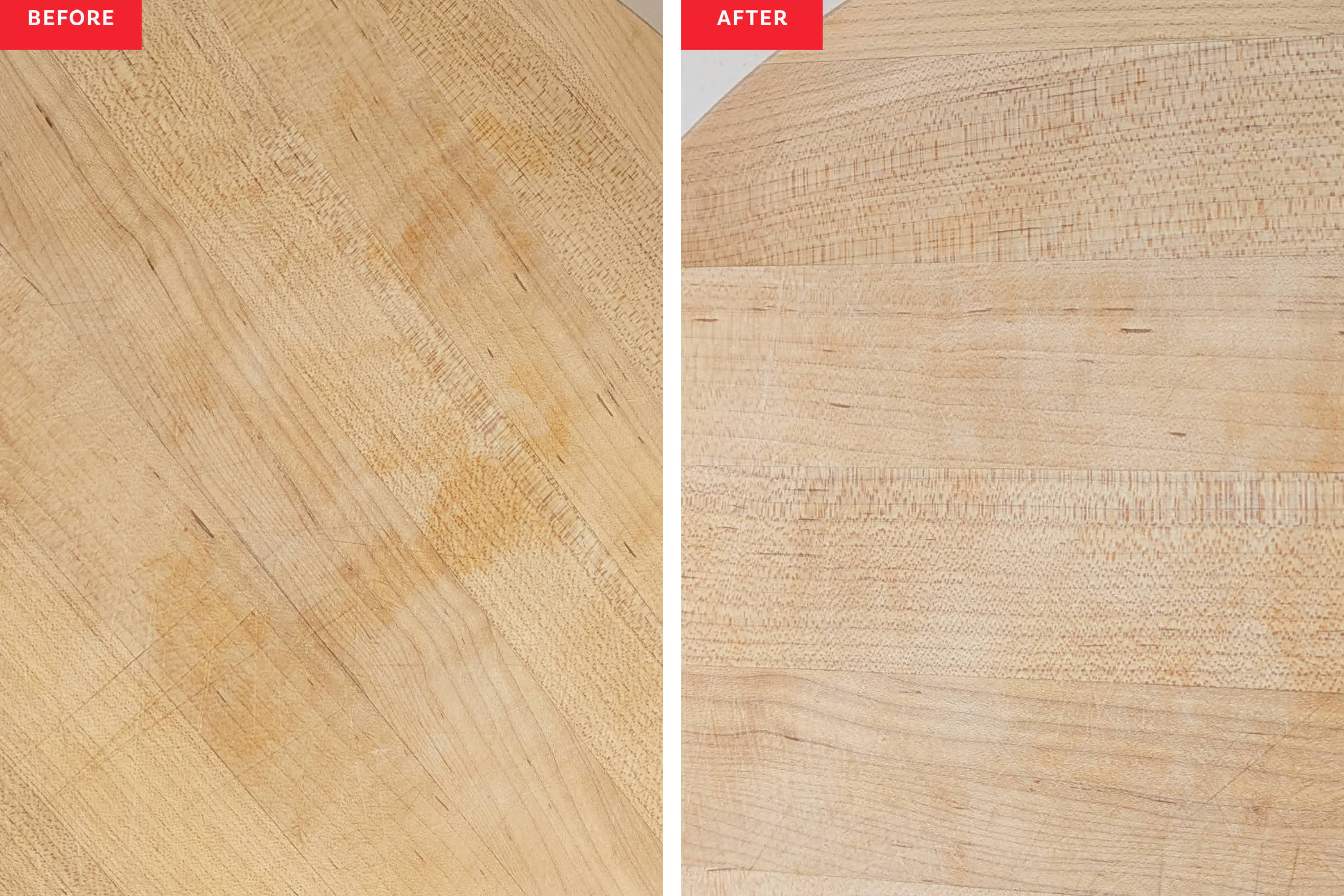
Fixing scratches and cracks helps prevent bacteria buildup. Sanding restores the board’s surface and removes stains.
Fixing Scratches And Cracks
Small scratches on wooden boards are normal. You can fix them to keep the board clean and smooth.
- Clean the board with warm water and soap.
- Dry it completely before repairs.
- For minor scratches, rub food-grade mineral oil on the surface.
- Use wood filler or sawdust mixed with oil for deeper cracks.
- Let the filler dry fully before using the board again.
When To Sand Down
Sanding is needed when the board feels rough or has many scratches. It smooths the surface and removes stains or odors.
| Signs You Need to Sand | Tools to Use | Tips |
| Rough texture | Fine-grit sandpaper (220 grit) | Sand gently along the wood grain |
| Deep scratches or stains | Medium-grit sandpaper (120 grit) | Remove deeper marks before smoothing |
| Cracks filled with wood filler | Fine-grit sandpaper (220 grit) | Sand after filler dries for smooth finish |

Credit: food52.com
Avoiding Damage
Wooden cutting boards need special care to stay strong and safe. Avoiding damage helps them last longer.
Some actions can harm the wood. Learning what to avoid protects your board from cracks and stains.
What To Avoid
Do not soak your wooden cutting board in water. Too much water makes the wood swell and crack.
Avoid putting wooden boards in the dishwasher. The heat and water damage the wood and finish.
- Do not use harsh chemicals or bleach on the board
- Avoid cutting very hard items that can leave deep cuts
- Do not expose the board to direct sunlight for long periods
- Never let the board dry near heat sources like stoves or radiators
Tips For Longevity
Clean your board with warm, soapy water right after use. Dry it with a towel to stop water damage.
Oil your board regularly with food-safe mineral oil. This keeps the wood from drying out and cracking.
- Use a soft sponge or cloth for cleaning
- Apply mineral oil once a month or when the wood looks dry
- Store the board in a dry, cool place
- Use both sides of the board to spread wear evenly
Credit: www.thekitchn.com
Frequently Asked Questions
How Often Should I Oil My Wooden Cutting Board?
To keep your wooden cutting board in top condition, oil it once a month. Regular oiling prevents drying and cracking. Use food-grade mineral oil for best results. Apply generously, let it soak, and wipe off excess. This routine maintains the board’s longevity and hygiene effectively.
Can I Put A Wooden Cutting Board In The Dishwasher?
No, avoid putting wooden cutting boards in the dishwasher. High heat and water can cause warping and cracking. Instead, hand wash with mild soap and warm water. Dry it immediately to prevent moisture damage. Proper care ensures your board remains durable and safe for food preparation.
How Do I Remove Stains From Wooden Cutting Boards?
To remove stains, sprinkle salt or baking soda on the board. Scrub with a lemon half, using circular motions. Rinse with warm water and dry thoroughly. This natural method is effective and gentle, maintaining the board’s surface while eliminating stains and odors.
What Is The Best Way To Sanitize Wooden Cutting Boards?
Sanitize by wiping the board with vinegar or hydrogen peroxide. Let it sit for a few minutes. Rinse with water and dry immediately. These natural sanitizers kill bacteria without damaging the wood. Regular sanitization keeps your board safe for food preparation.
Conclusion
Taking care of wooden cutting boards keeps them safe and durable. Clean boards with warm water and mild soap right after use. Dry them well to stop warping and cracking. Oil boards regularly to keep the wood strong and smooth.
Avoid soaking or putting boards in the dishwasher. Small cracks or cuts can hide bacteria, so sand them lightly if needed. Good care helps your cutting board last many years. Enjoy cooking with a clean, healthy, and beautiful board every day.
Simple steps make a big difference.